




Your scripts journey
0 of 210 explored
Open one a day — you are quietly building real fluency in their world.
-
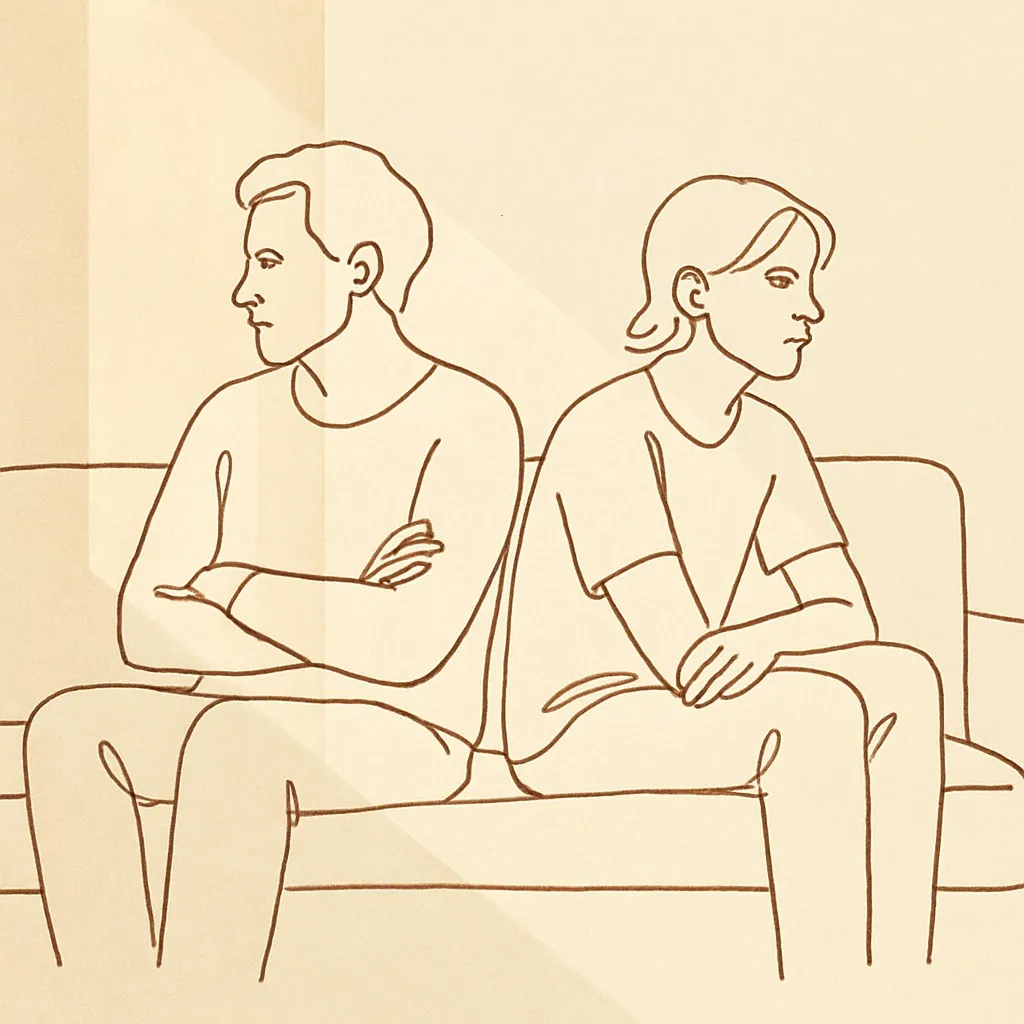 Everyday
“You don't understand.”
The conversation-ender every parent of a teenager hears. What it actually means, and how to keep the door open instead of closing it.
-
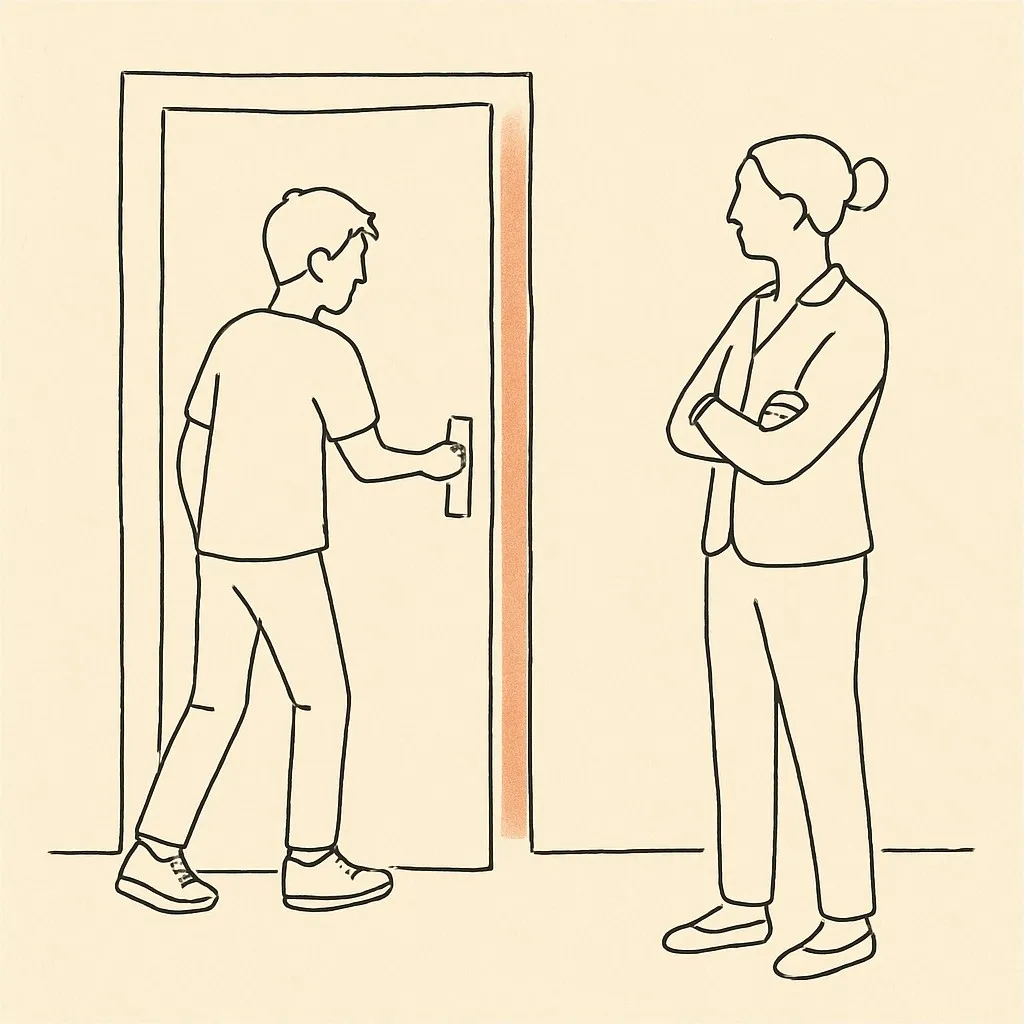 Heated
“It's none of your business.”
The privacy-claim shutdown. Usually fired in the middle of a question about friends or plans. The instinct is to insist; the better play is to redraw the line.
-
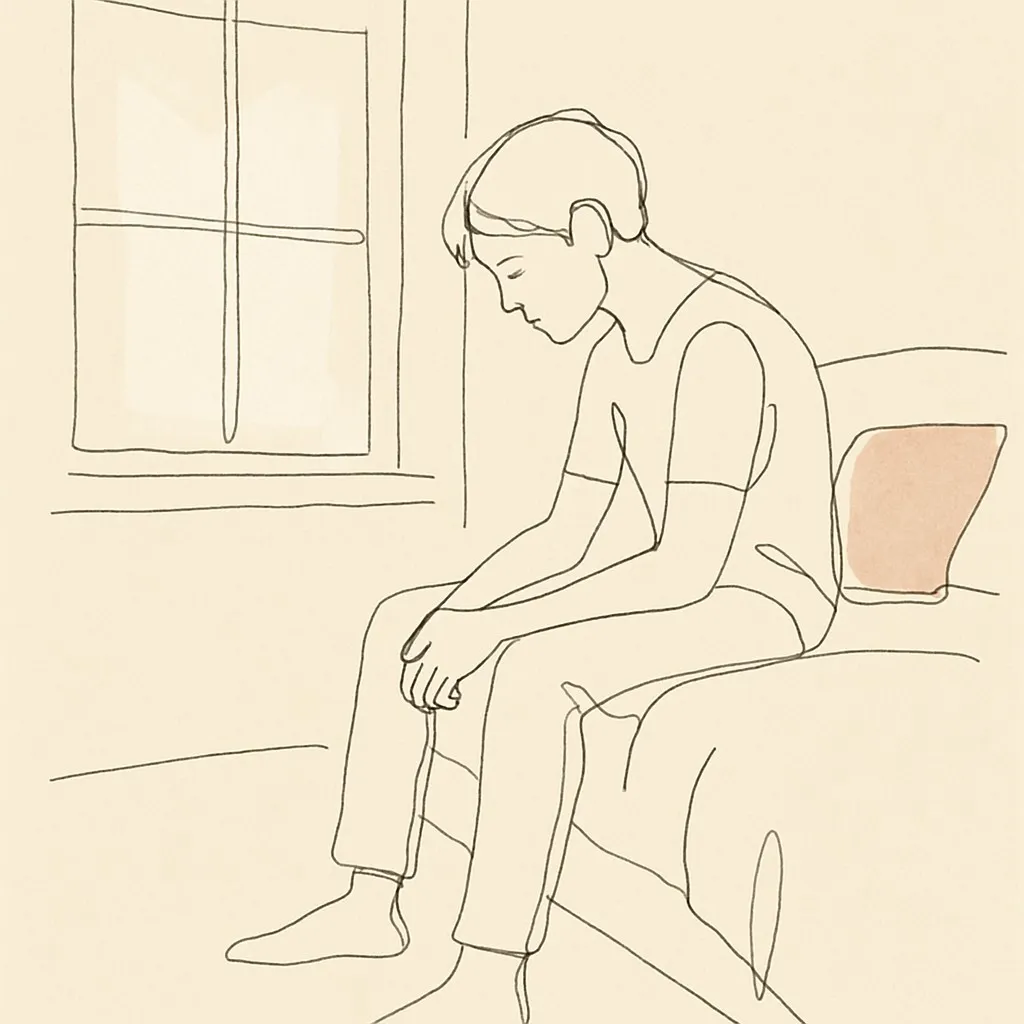 Heated
“I hate my body.”
A confession every parent dreads, more common in girls but increasingly in boys (looksmaxxing). What not to do: argue back, fix it, or change the subject.
-
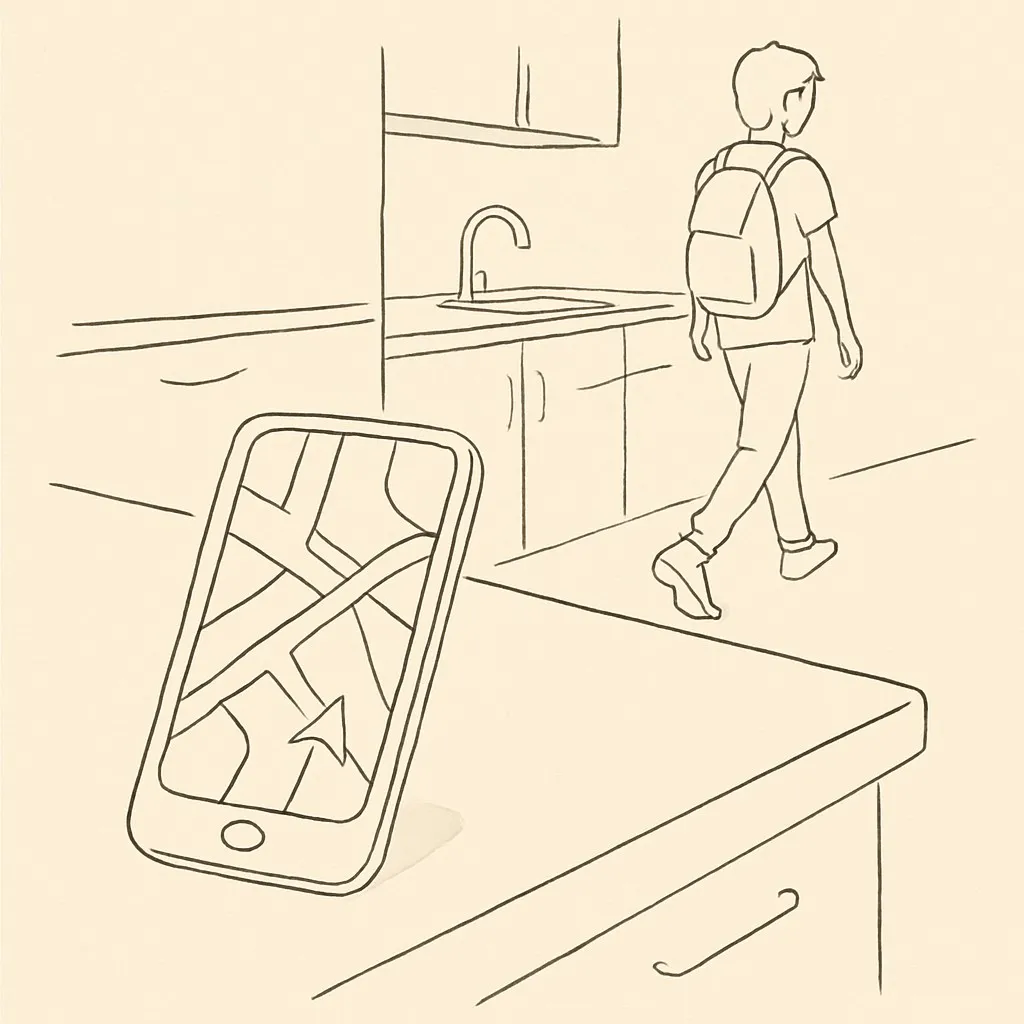 Heated
“Stop checking on me.”
The Life360 era's signature fight. When the location app stops being safety and starts being surveillance — and how to climb back out.
-
 Everyday
“You're embarrassing me.”
In public, in front of friends, sometimes for nothing at all. The teen recoils from your existence. What it means and what not to take personally.
-
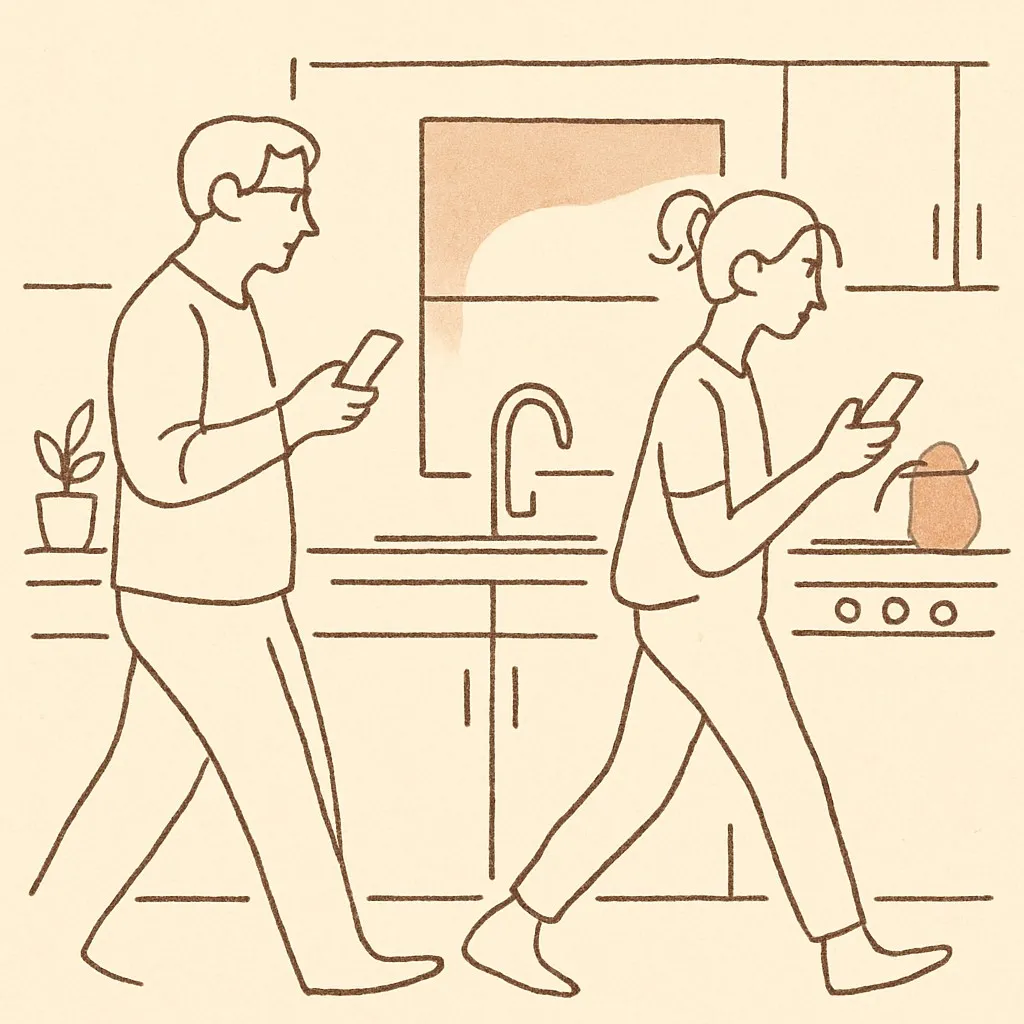 Everyday
“How was school?” “Nothing.”
The most common evening exchange in American households. The question is bad, the answer is honest, and there are better questions.
-
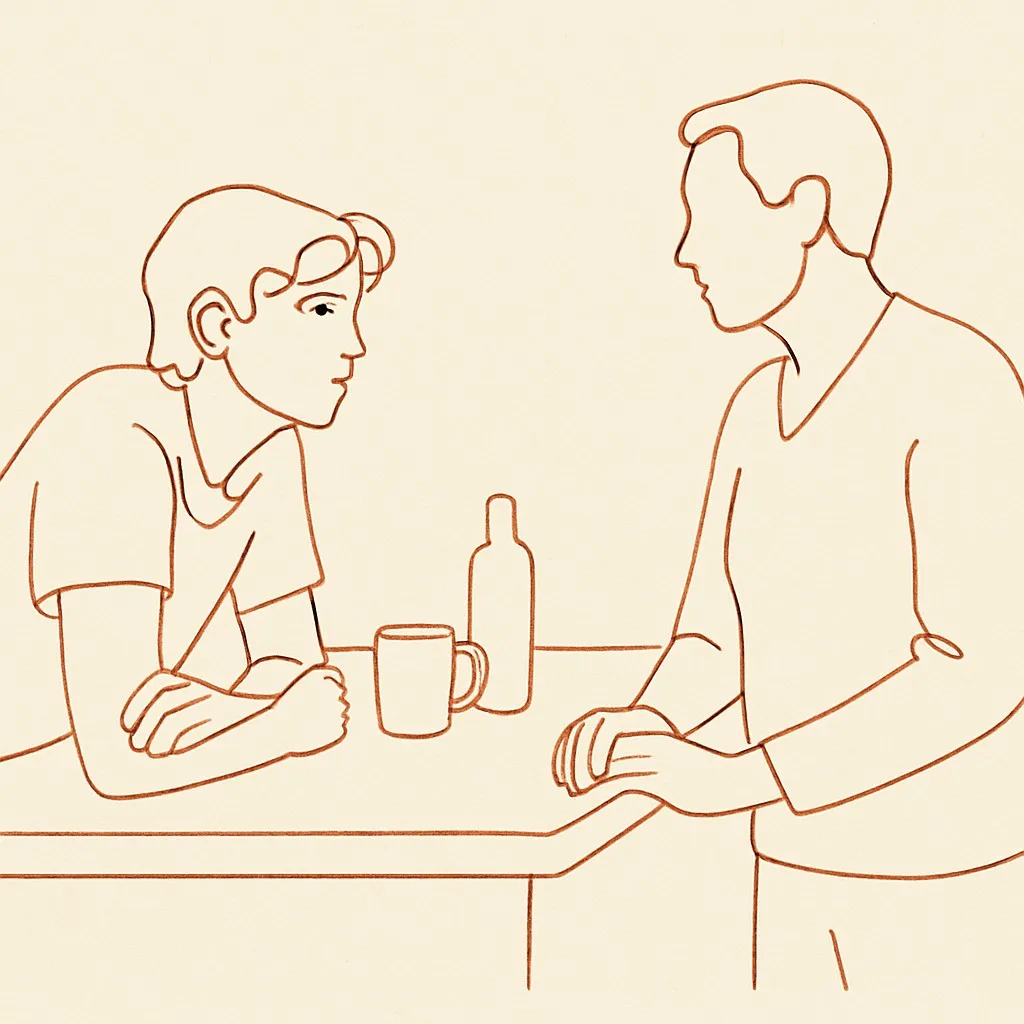 Heated
“Just one party, please.”
The high-stakes ask. Older teen, weekend party at someone's house, parents-out-of-town signals all blinking. How to say no without losing the relationship — or yes without losing your nerve.
-
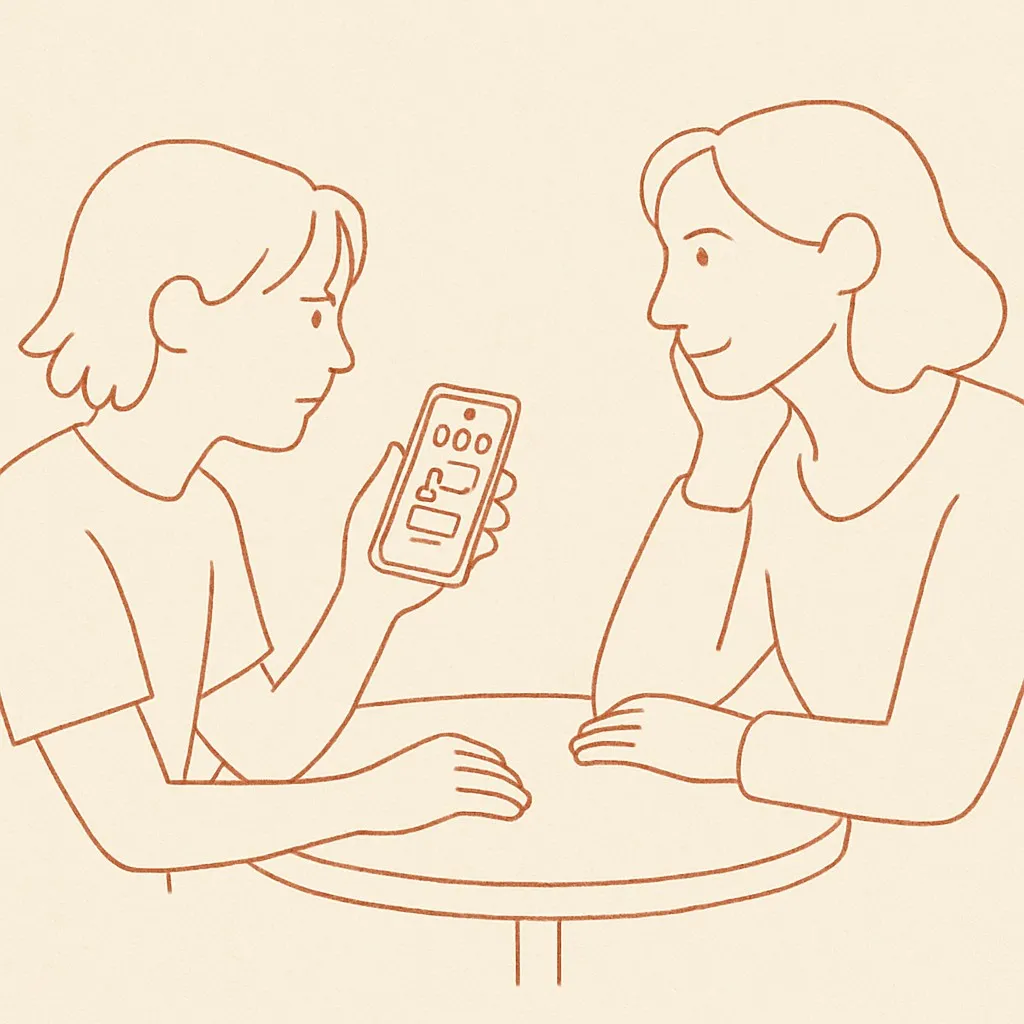 Heated
“Everyone else's parents let them.”
Classic peer-comparison ammunition. Sometimes true, often exaggerated, always emotionally loaded. The defensive “I'm not their parents” doesn't actually answer the deeper question.
-
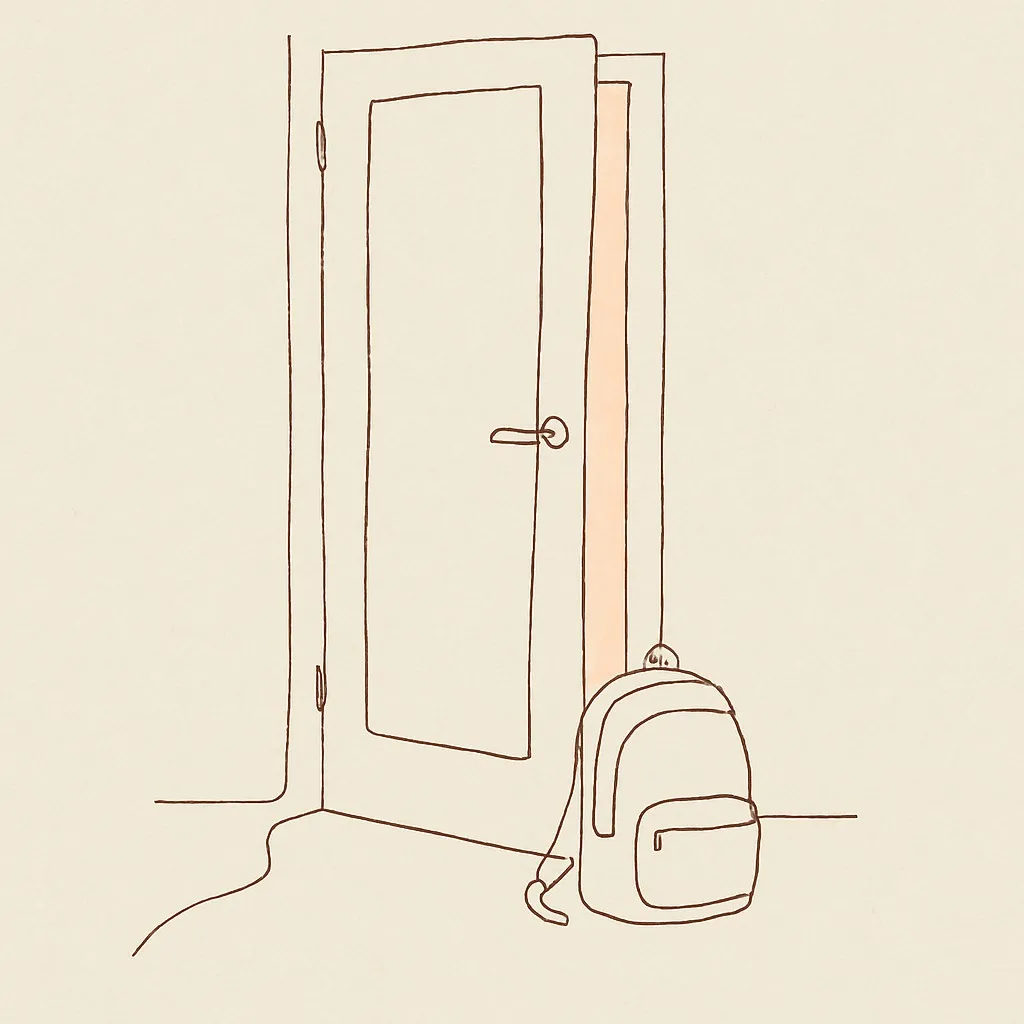 Heated
“Get out of my room.”
The teen-anger flash point. Walking in to put laundry away, asking about homework, knocking with a quick question. The reaction looks huge for the situation. It usually is — and it usually isn't about you.
-
 Crisis
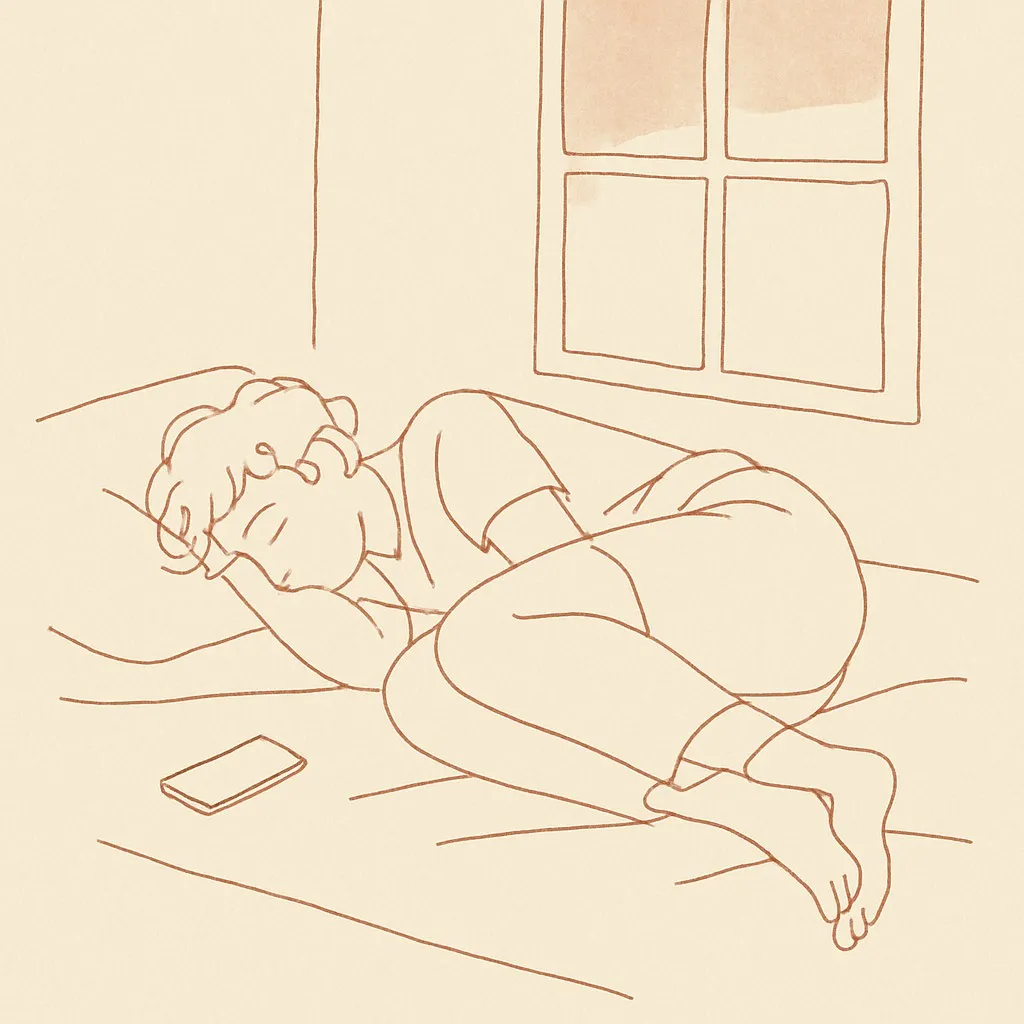
“I'm fine.” (When clearly not fine.)
Mental-health masking, peer drama, breakup, a friend's diagnosis — your teen is visibly unraveling and the only words you get are “I'm fine.” The wrong move is to take it at face value. The harder move is the slow one.
-
 Heated
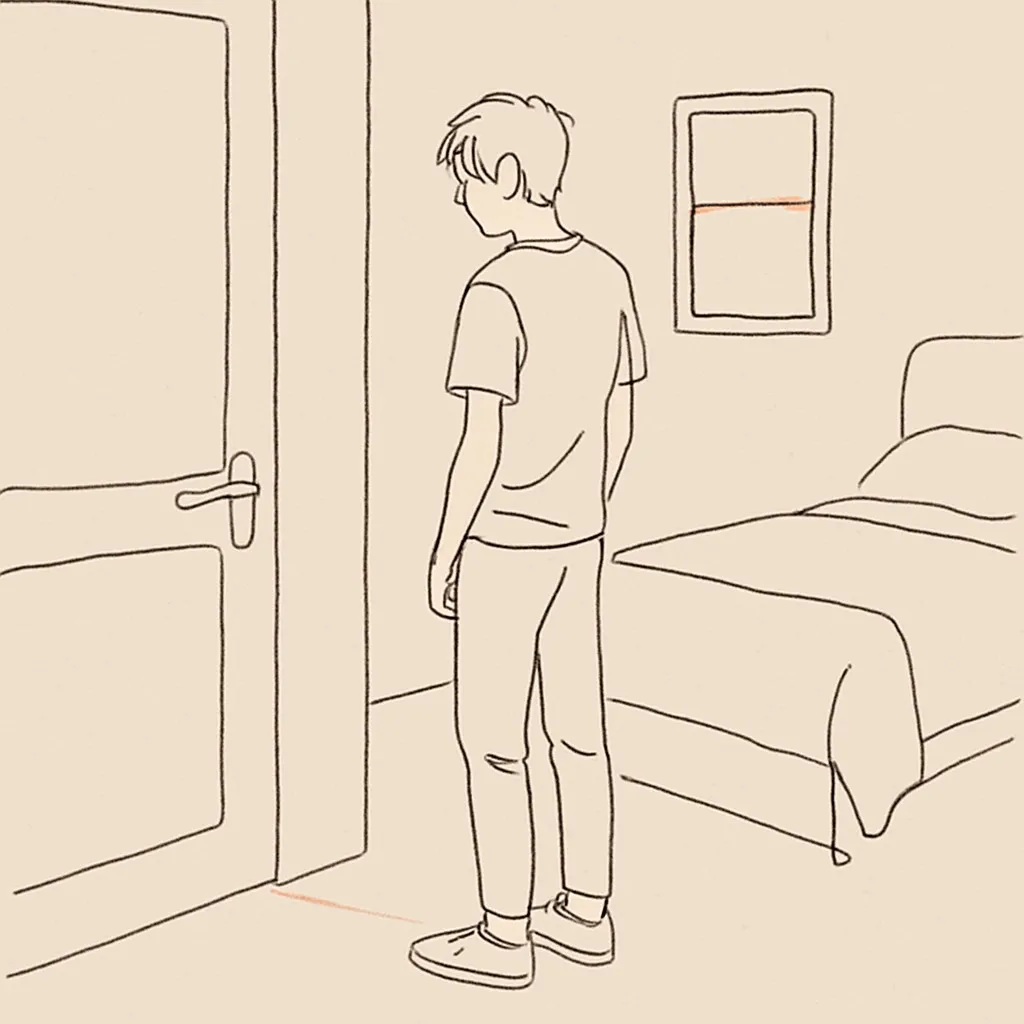
“Leave me alone.”
The verbal slam-door. Sometimes it means “go away.” Often it means “I need help but I don't know how to ask for it without dying of embarrassment.” The work is reading which.
-
 Heated
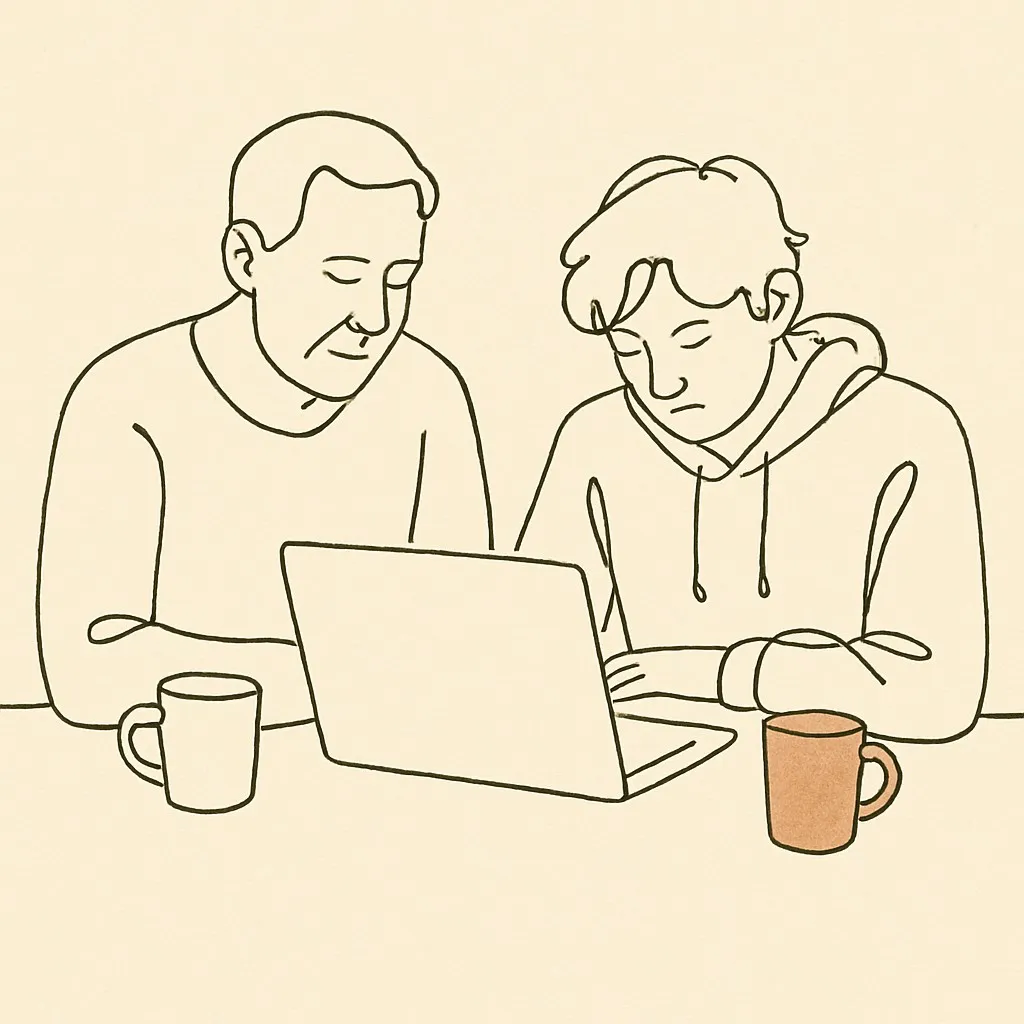
“You care more about my grades than about me.”
Lands during a fight about a missing assignment or a slipping GPA. Sometimes accurate, almost always painful, always worth taking seriously instead of dismissing.
-
 Everyday
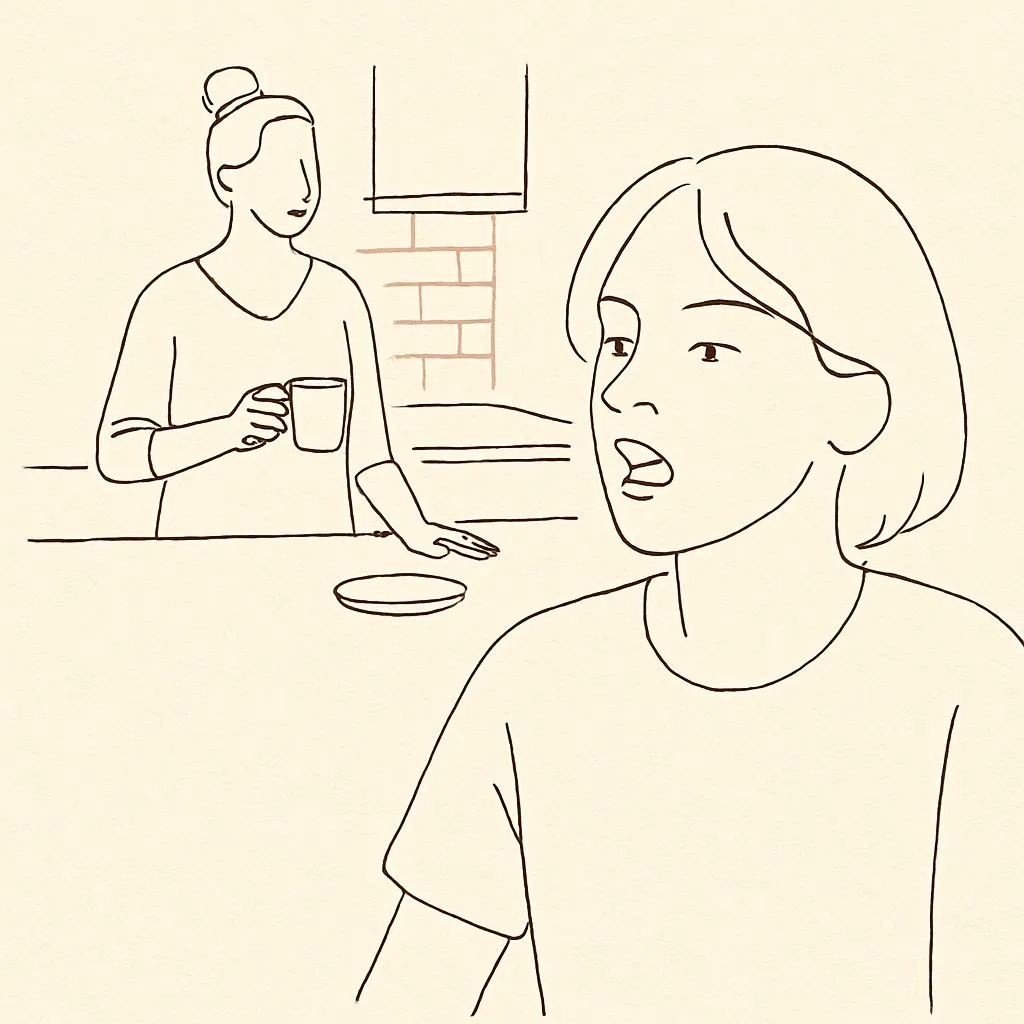
“I already told you that.”
The exasperation tax. They mentioned the friend's name, the test date, the plan, last week, and you forgot. Their reaction is bigger than the offense. Both can be true.
-
 Heated
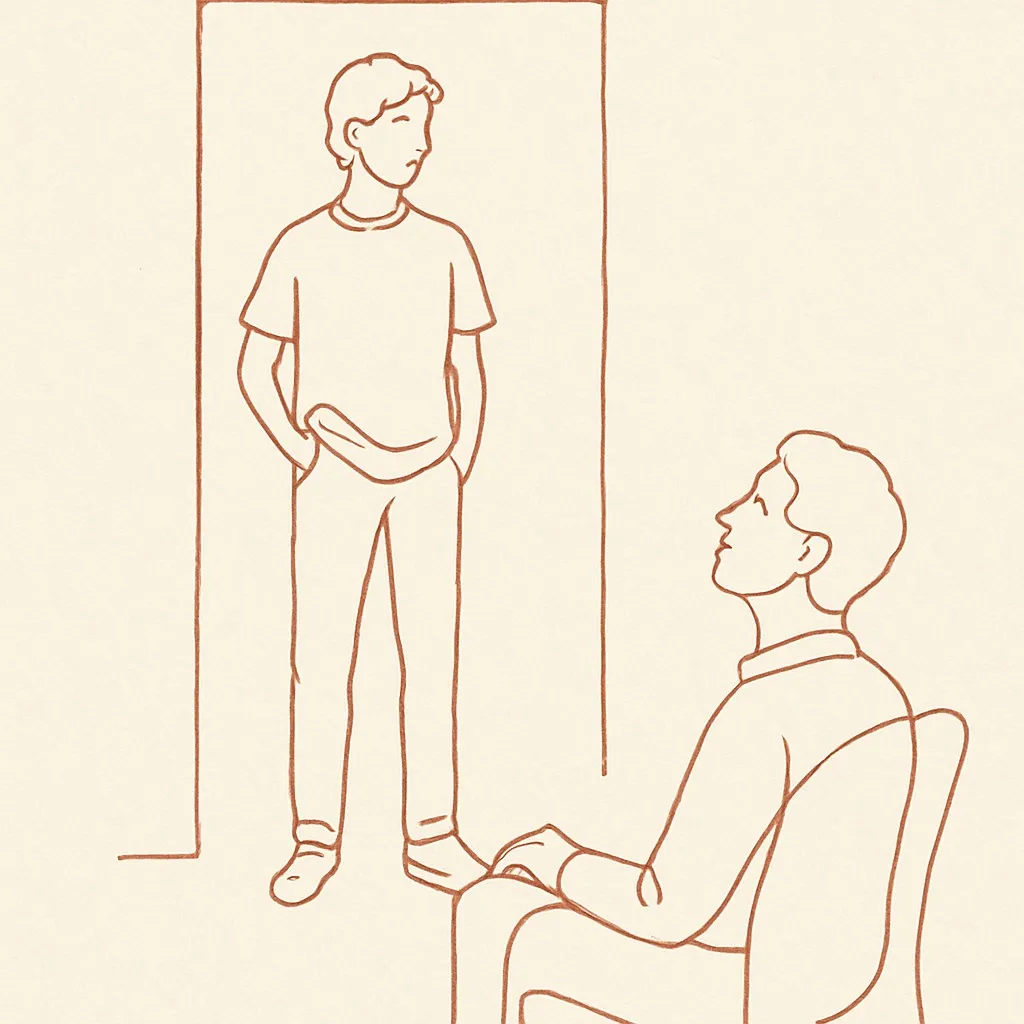
“Stop treating me like a kid.”
The adolescent identity claim. They're not a kid, not an adult. Telling them they're a kid is technically right, factually fatal — they will spend years proving you wrong.
-
 Heated
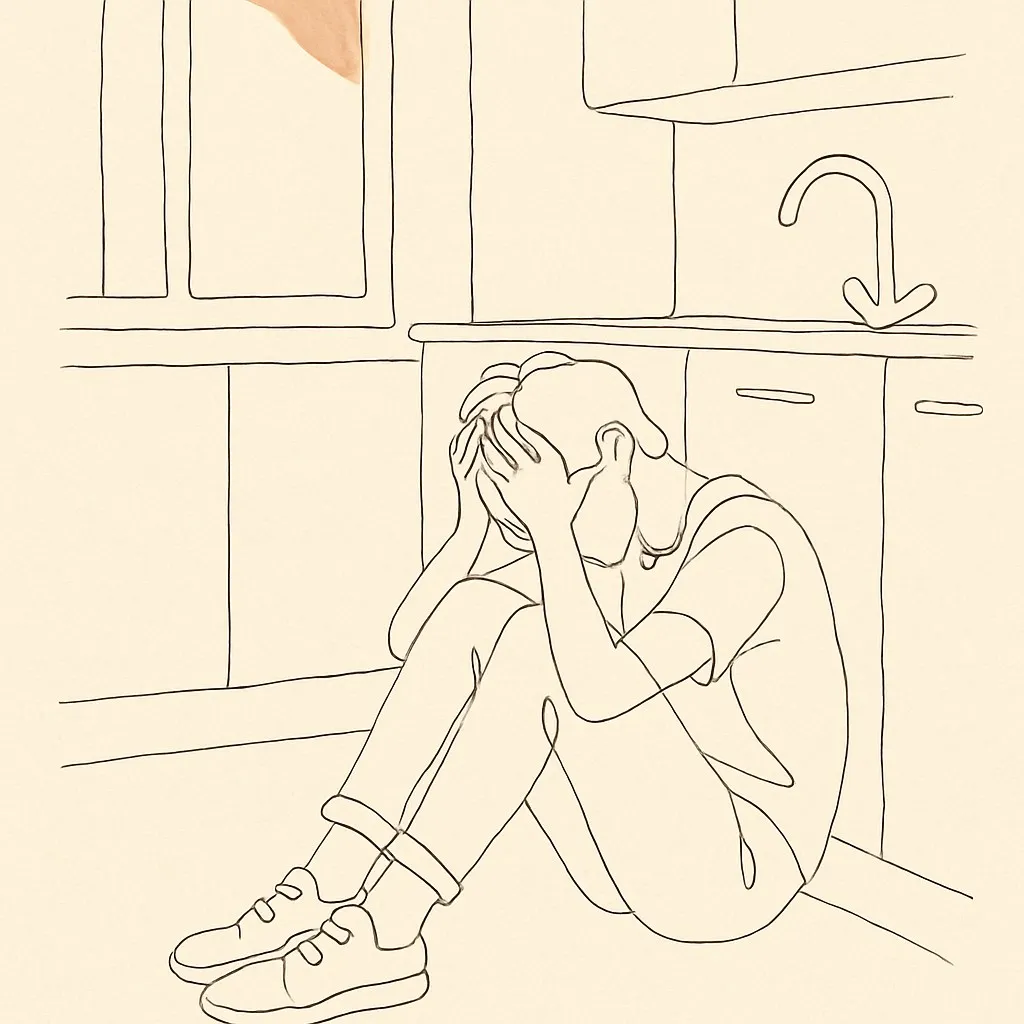
“I can't do anything right.”
The shame spiral. Comes out after a small mistake — a spilled drink, a bad grade, a missed deadline. The size of the response tells you the mistake isn't the issue.
-
 Heated
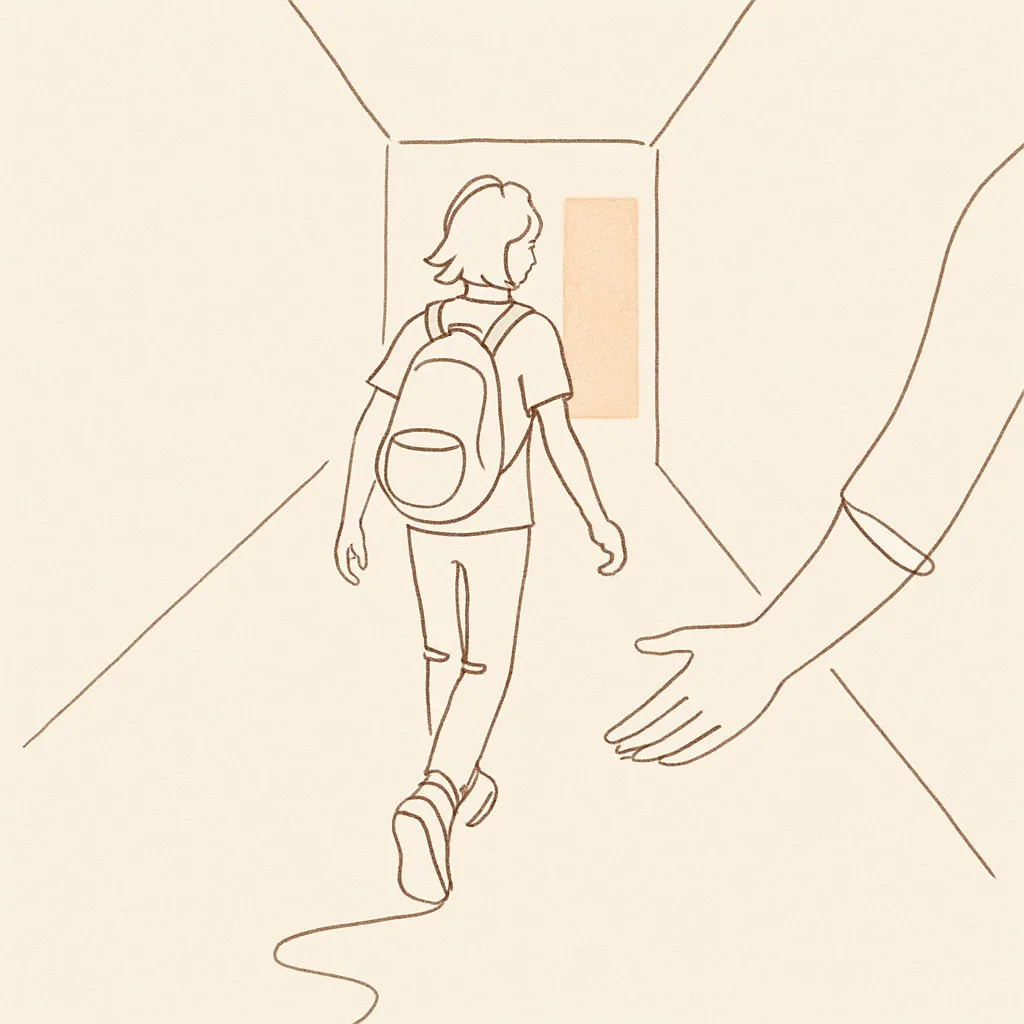
“I hate you.”
Almost always in the heat of a punishment. Almost never literal. Always devastating to hear. The instinct is to take the hit personally; the work is to not.
-
 Heated
“It's just a game.”
The deflection when you ask about screen time, ranked play, in-game purchases, or who they're voice-chatting with at 1am. Most of the time it's not just a game.
-
 Heated
“Everyone's better than me.”
The TikTok-era comparison spiral. They've spent two hours scrolling perfectly-lit, perfectly-edited lives and the math is suddenly unbearable. The wrong move is to argue the numbers.
-
 Crisis
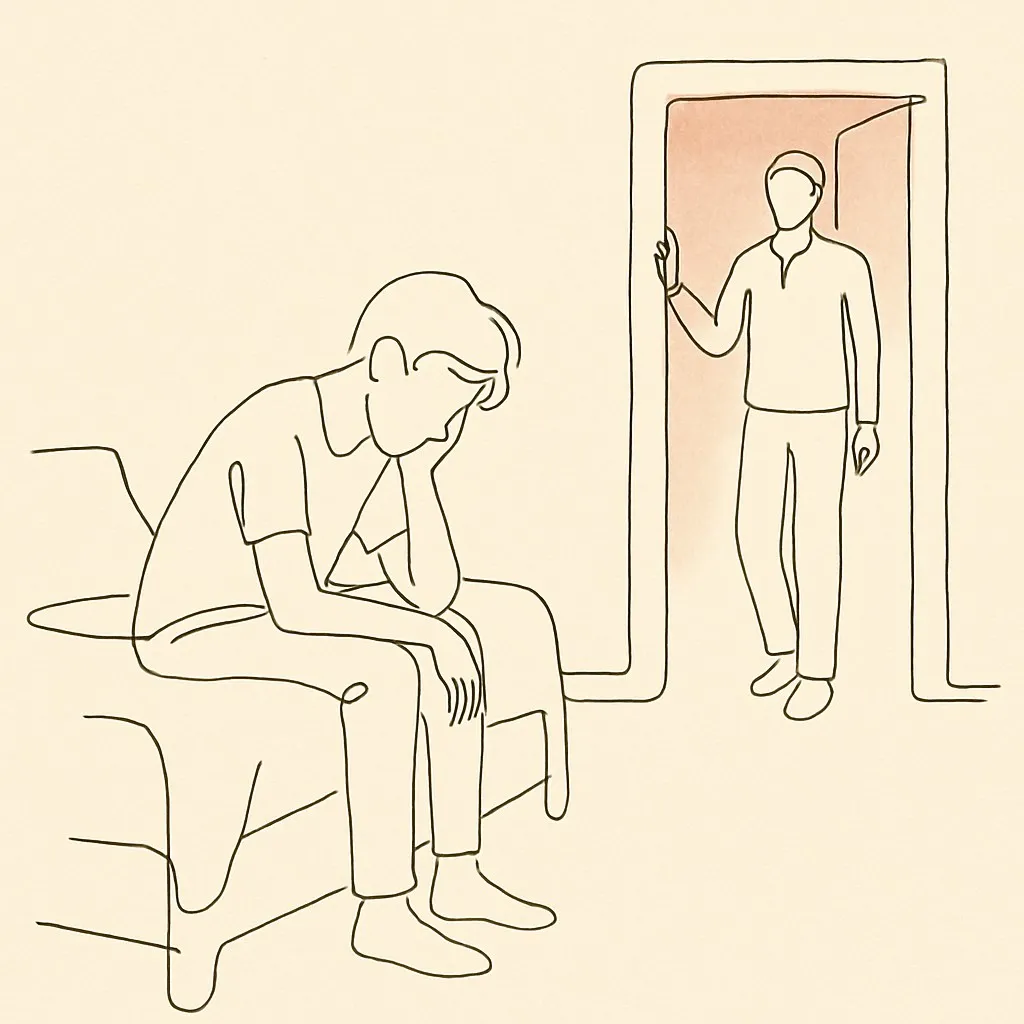
“What if I'm not okay?”
The bravest question your teen will ever ask you. Quiet, sideways, often at bedtime. The wrong answers are reassurance, denial, and over-reaction. The right answer is the doorway.
-
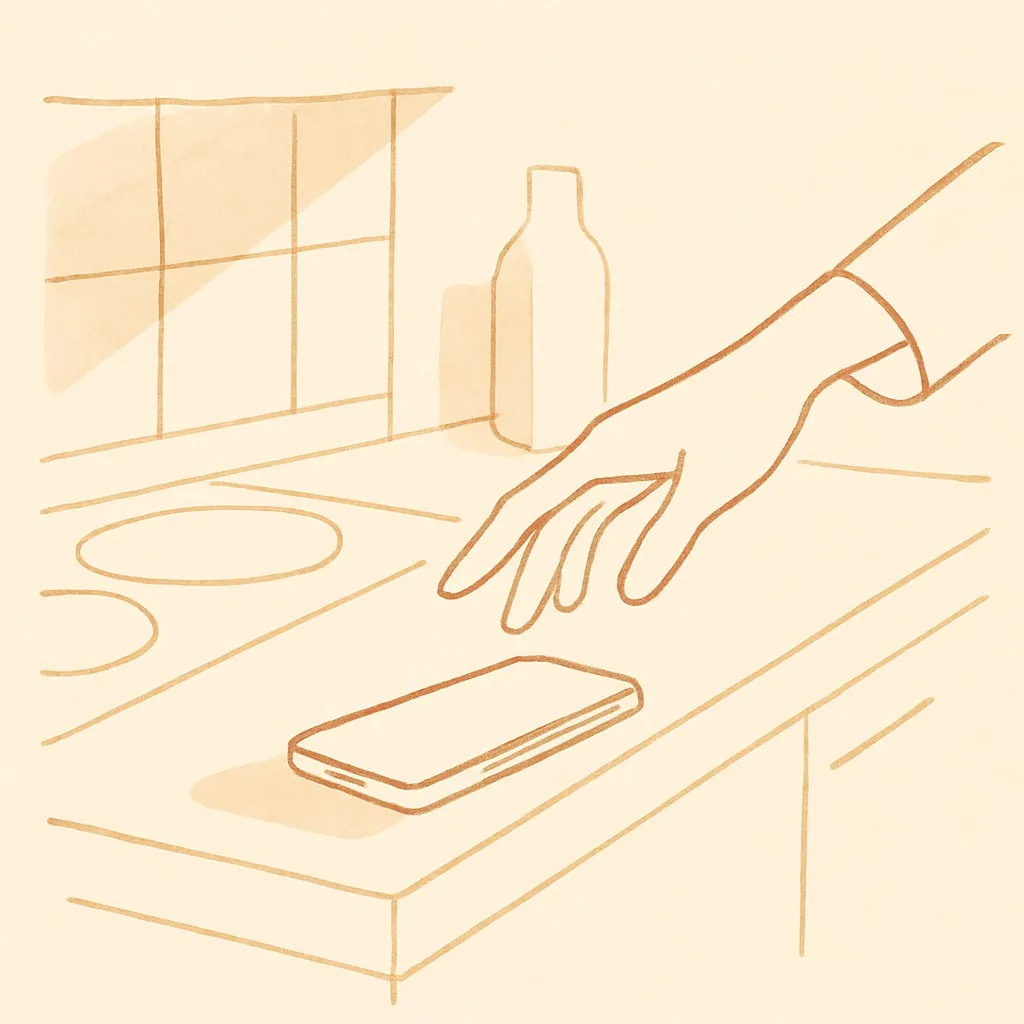 Heated
“I told you not to touch my phone.”
You picked it up to charge it. They read it as a search. The trust math is asymmetric: it takes weeks to build and seconds to spend. How to give the trust back without losing the standard.
-
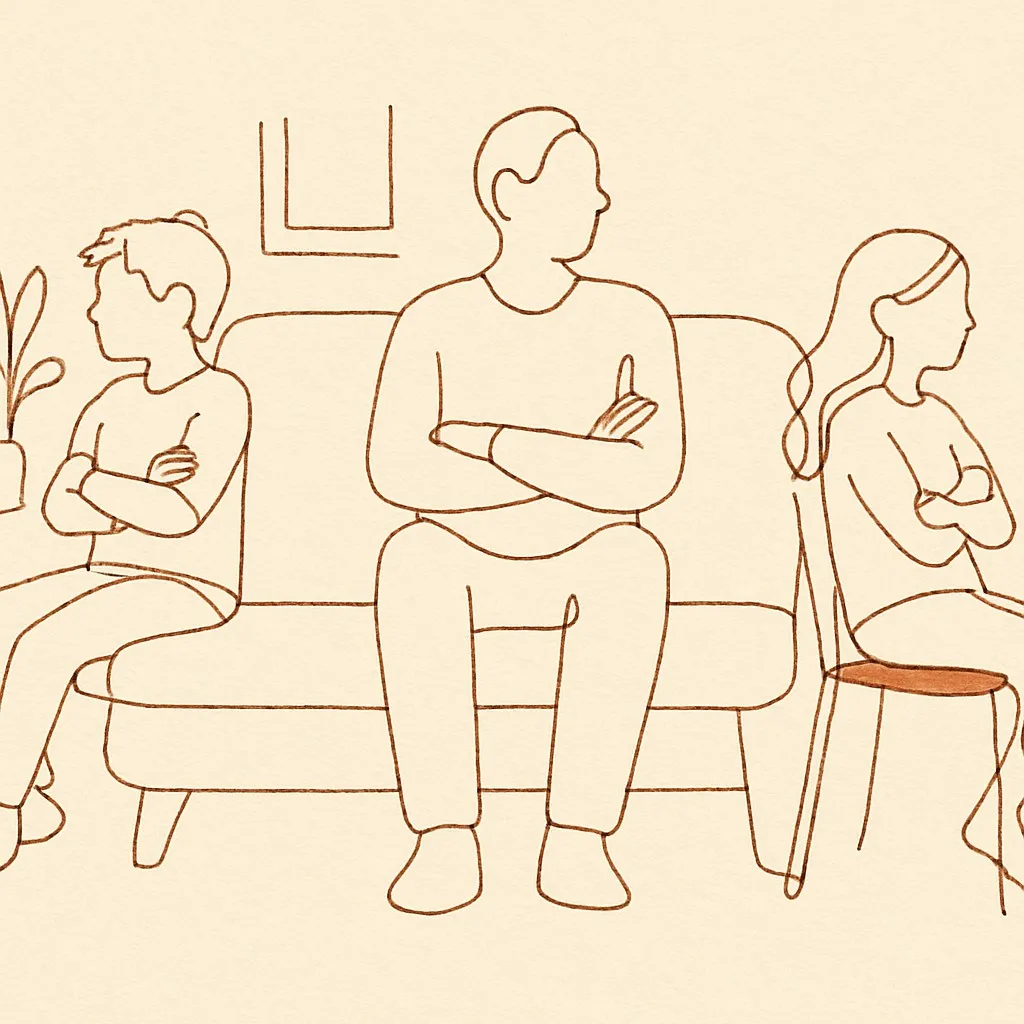 Heated
“Why do you always take their side?”
Sibling fight. You stepped in. Whichever side you took, the other one is now off the deep end. The temptation is to defend your call; the better move is to step out of the side-taking game entirely.
-
 Everyday
“They're just friends.”
The conversation about the person they text constantly and talk about constantly. The defensive opener tells you something is forming — and the wrong reaction will push them to hide it.
-
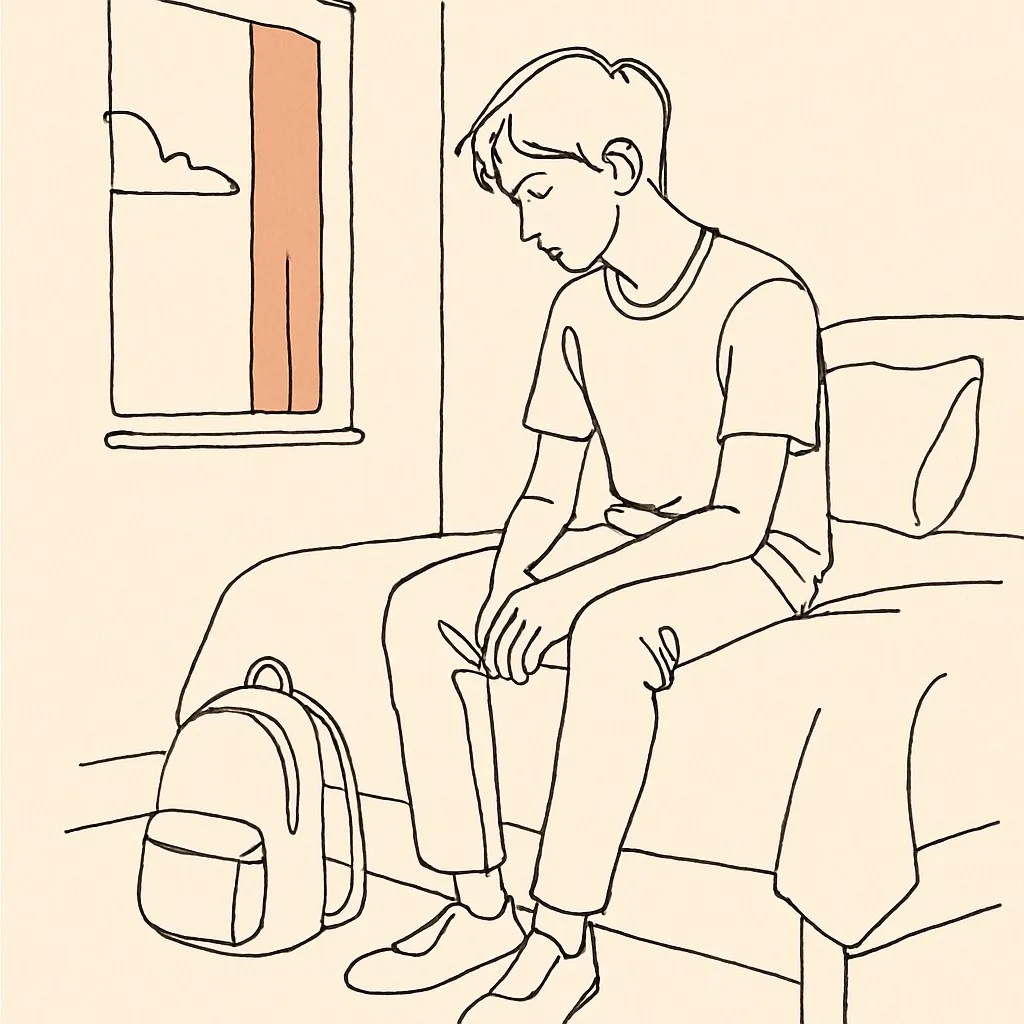 Heated
“I don't want to go.”
School this morning, the family event Saturday, the friend's birthday party Friday. The flat refusal that hides everything from anxiety to genuine danger. The work is finding out which.
-
 Heated
“My grades aren't everything.”
The college-prep era's signature defense. Often a deflection from a slipping grade — sometimes a genuine identity claim. Worth taking the second meaning seriously even if the first is true.
-
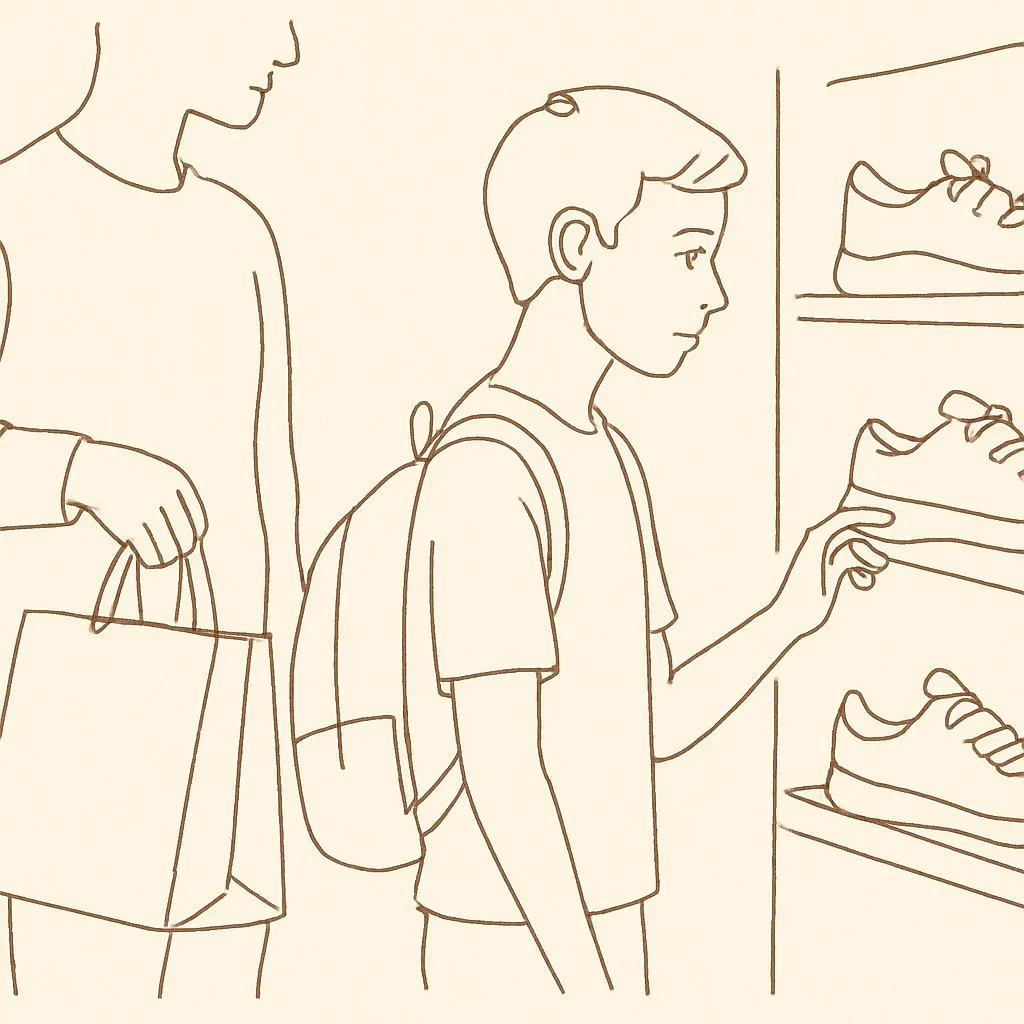 Everyday
“Why can't I have it?”
The $300 sneakers, the iPhone 16, the second-tier designer hoodie everyone at school has. The status purchase. The conversation underneath the price tag is about belonging, not money.
-
 Everyday
“You always say I'm just like Dad.”
Heard as a verdict, never a compliment. The parent says it half-joking; the teen hears the family history in it. How to take it back without making it weird.
-
 Heated
“I don't think I believe in God anymore.”
A spiritual identity shift, often quiet, often after months of private thinking. For some families it's a small thing; for others it's a Big Thing. The right move is the same either way.
-
 Heated
“I think I might be gay.” (Or bi, or trans, or unsure.)
The coming-out conversation — or the gently-testing-the-water conversation. Often quieter than you'd expect, often half-asked as a question. The first response is the one they'll remember for life.
-
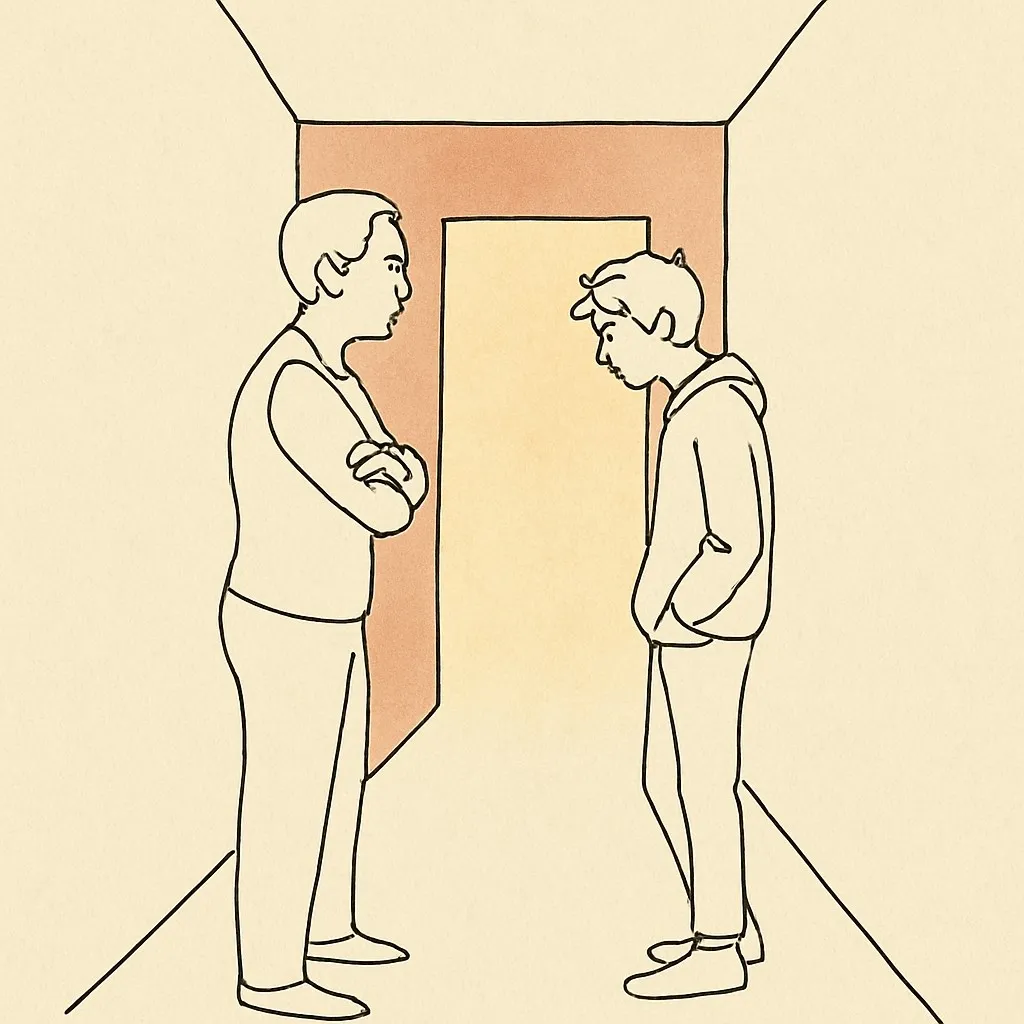 Heated
“Why do you always assume the worst about me?”
Lands after you ask the suspicious-tone question — about a missing item, a smell, an unexpected behavior. Sometimes you're right; sometimes you're not. Either way, the question is fair.
-
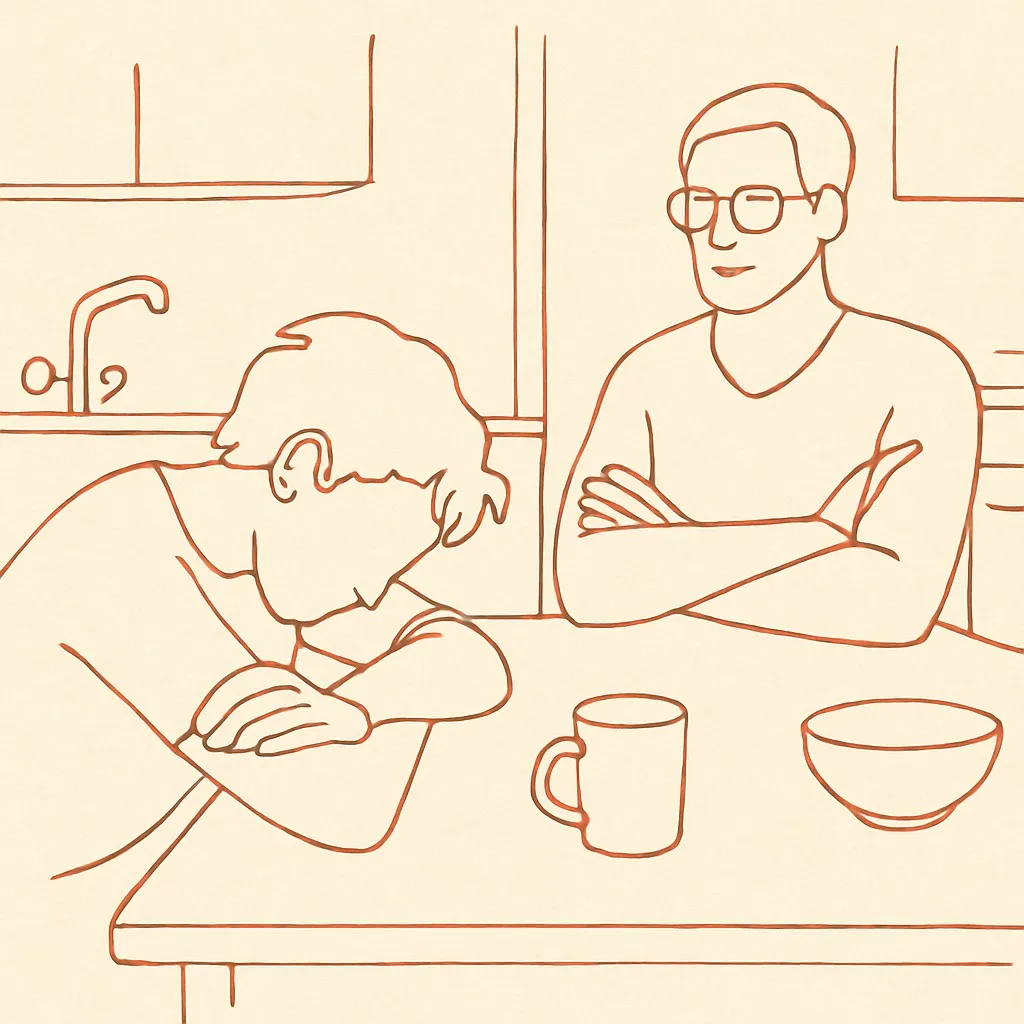 Heated
“I lied because you don't listen.”
Caught in a lie — the small kind, about where they were, who they were with. Their defense isn't a defense; it's an indictment. The temptation is to litigate the lie. The work is to take the indictment seriously.
-
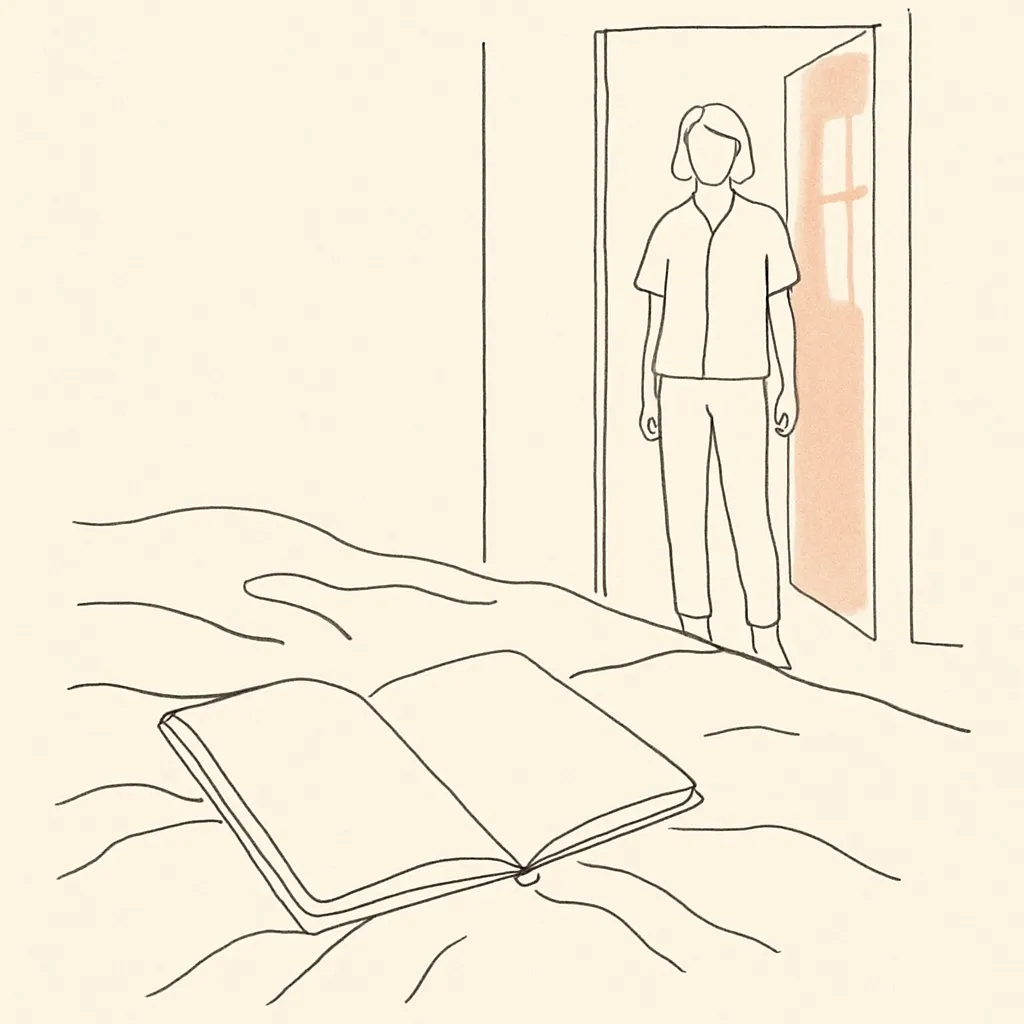 Crisis
“You read my diary.”
The single most-corrosive privacy violation in the parent–teen relationship. You can't unread it. The recovery is honest, slow, and entirely up to you.
-
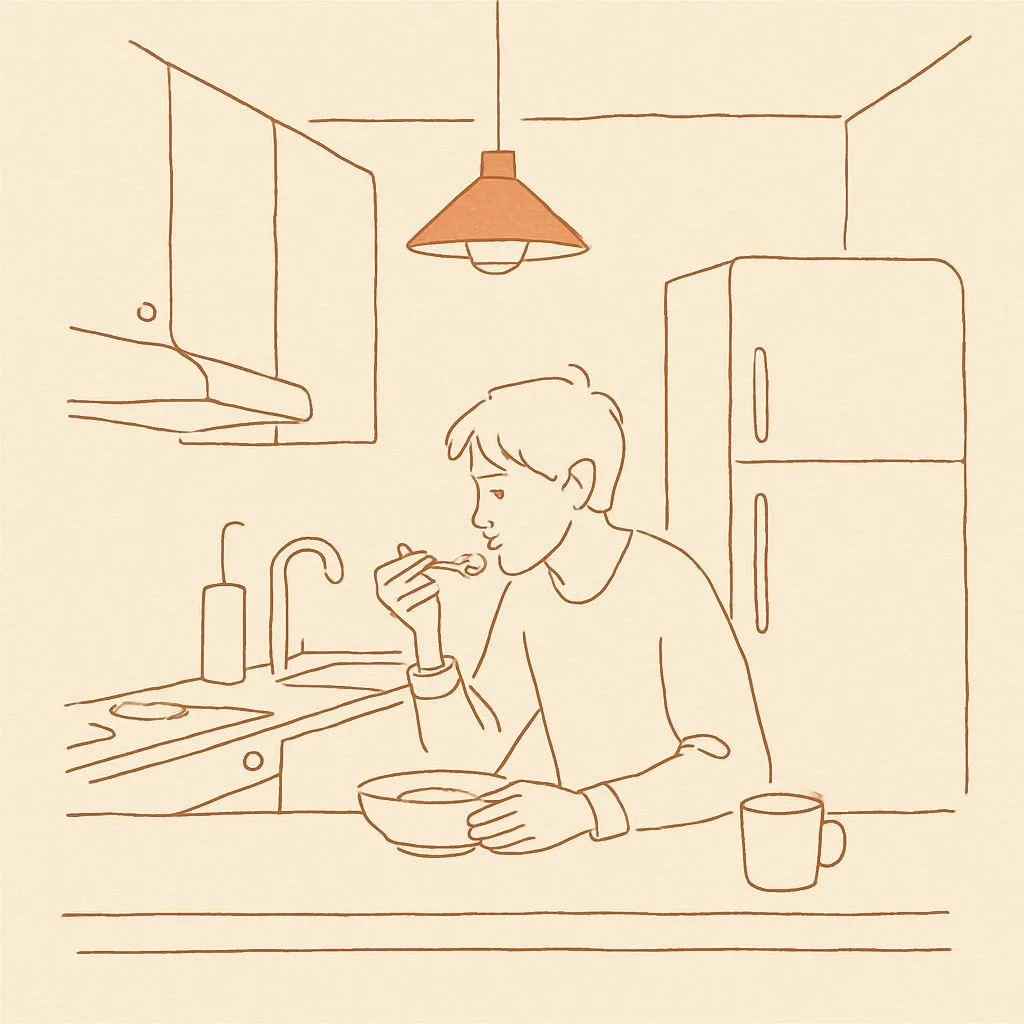 Heated
“You're never home.”
The work-parent accusation. Often delivered casually, almost throwaway. Almost always real. The defensive response (“I work to provide for you!”) misses the actual point entirely.
-
 Crisis
“I think I'm being bullied.”
The hardest sentence a teen can say out loud — they spend weeks or months not saying it because they're afraid you'll over-react, under-react, or make it worse by calling the school. They're not wrong to worry. So tread carefully.
-
 Heated
“I don't want to play soccer anymore.”
After ten years of practices, club fees, weekend tournaments — your teen wants to quit the sport you've built half the family's life around. It's their life. The conversation is harder than it should be.
-
 Heated
“I don't want to go to college.”
The American-parenting flashpoint of 2026. Sometimes a gap-year ask, sometimes a trades pivot, sometimes a real plan, sometimes a stall. All four need the same opening move from you.
-
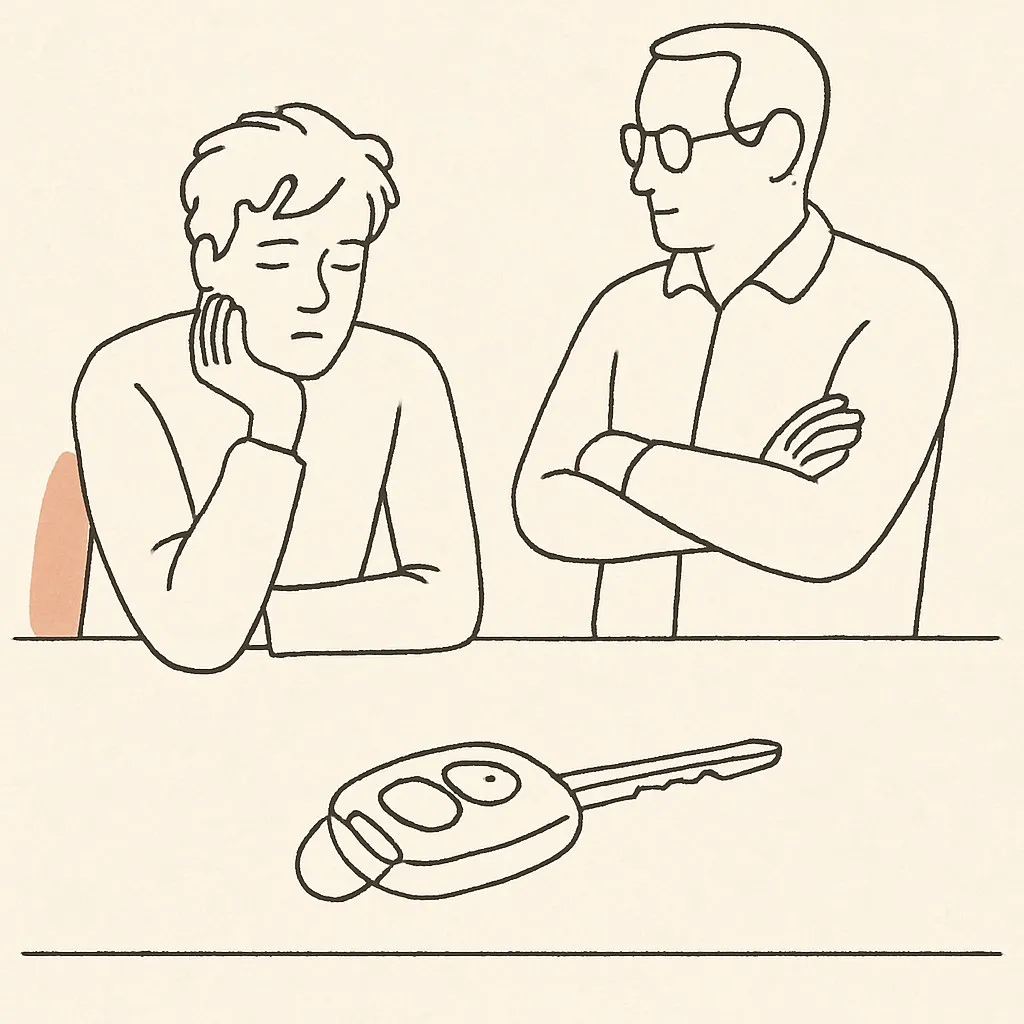 Heated
“Why won't you let me drive?”
The 16-year-old's first big freedom milestone — and the parent's first big share-the-road terror. The conversation isn't really about driving. It's about trust transfer.
-
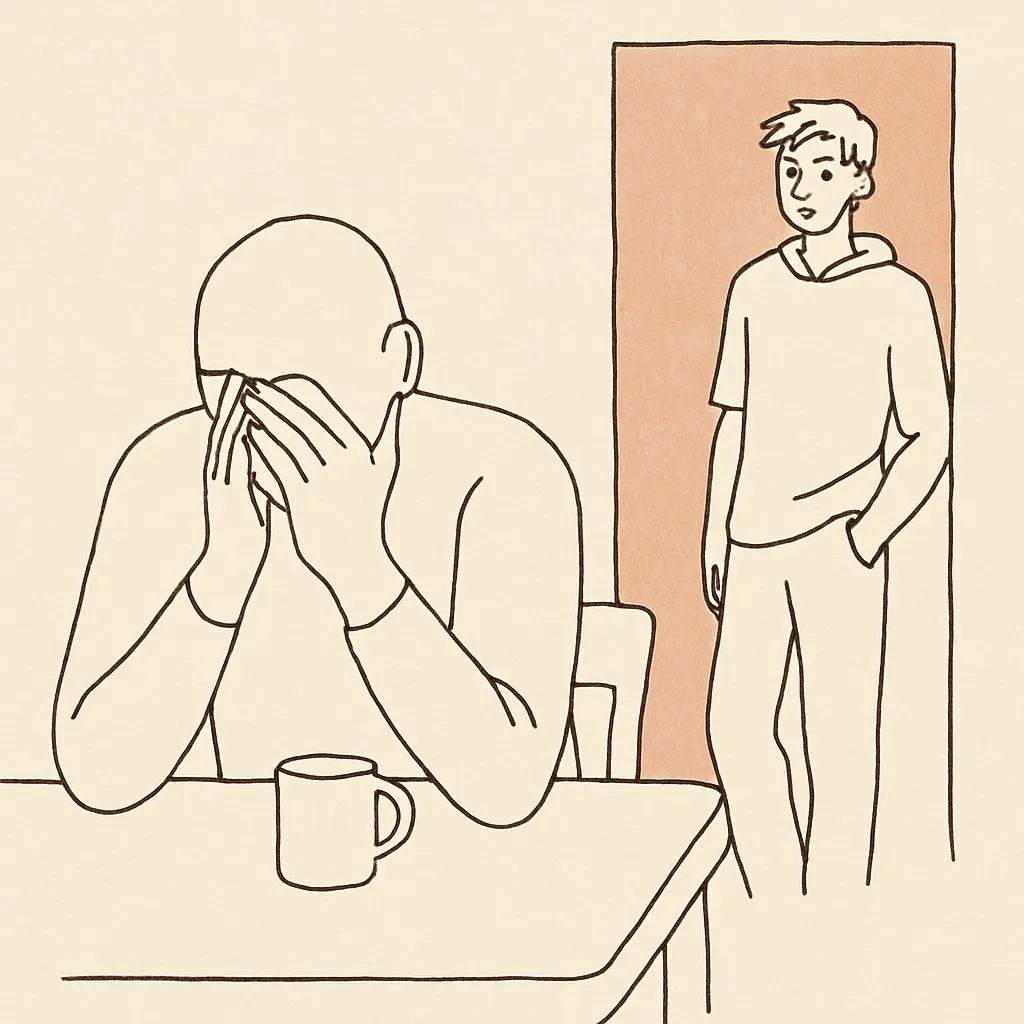 Everyday
“Why are you crying?”
Role reversal. The teen sees the parent cry — over a work thing, a family loss, a financial scare. Their question is real, not rhetorical. The mistake is to hide it.
-
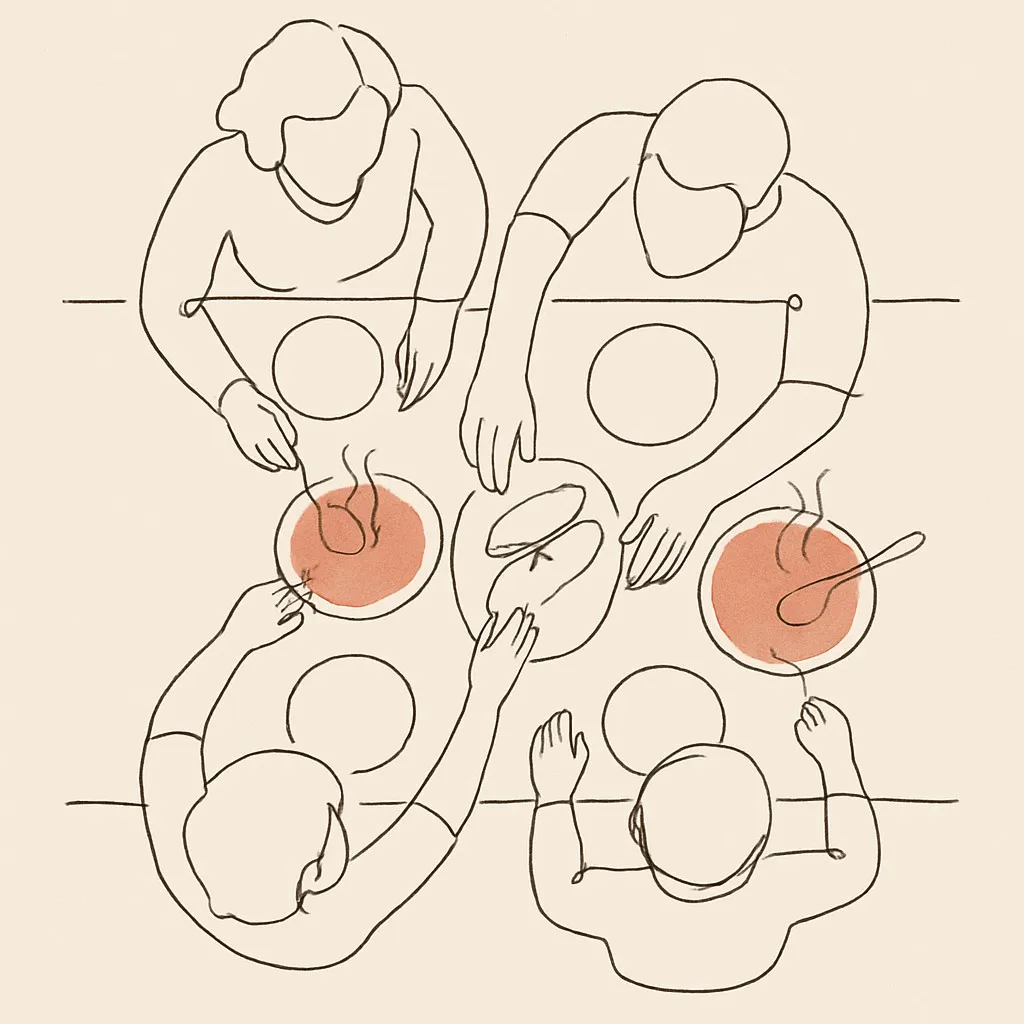 Everyday
“Can we just have a normal dinner?”
Lands when the table conversation has become an extension of the morning's fight, or the school report, or the chores list. Sometimes the teen is the only one with the courage to ask for what everyone wants.
-
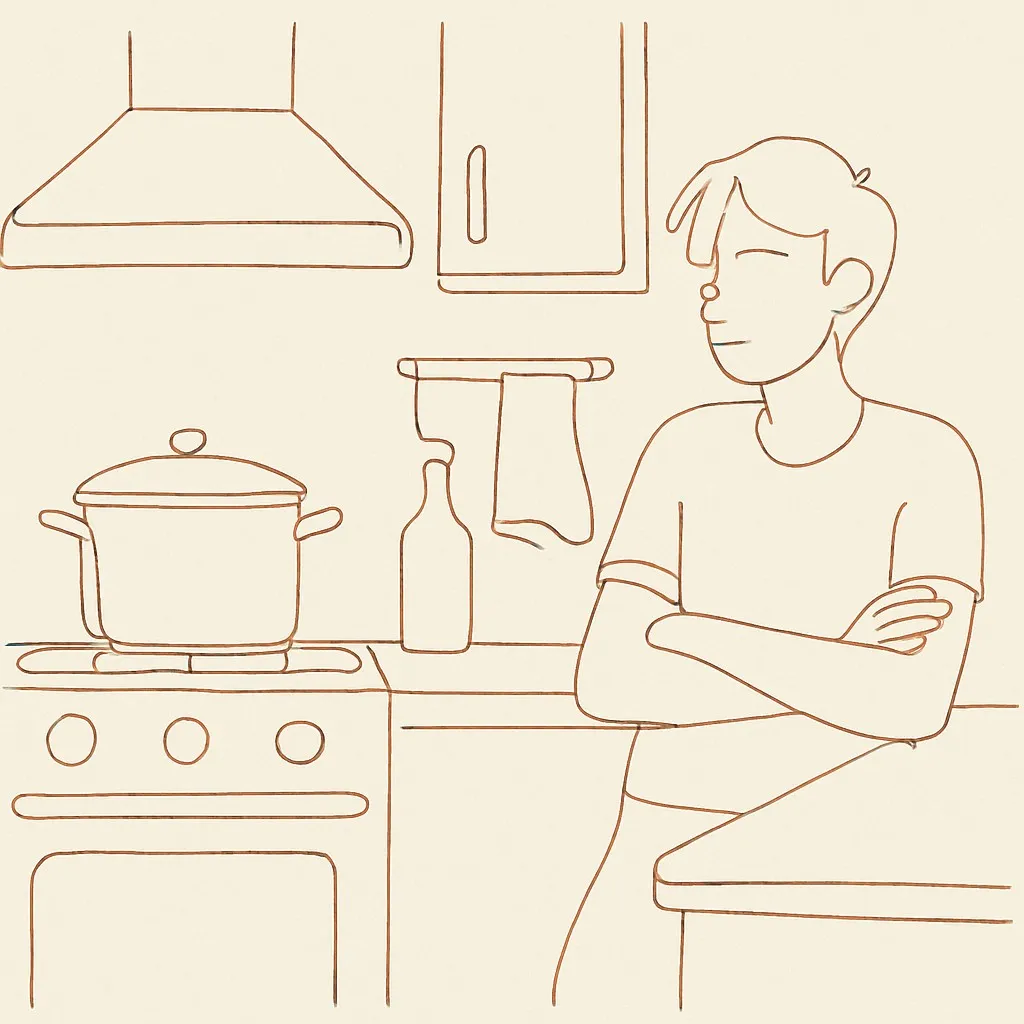 Everyday
“I'm starving” (while you're cooking).
Everyday. Annoying. Sometimes a tiny coded request for attention or impatience. Sometimes — increasingly — an indicator of disordered eating patterns starting to form. Worth paying half-attention to over time.
-
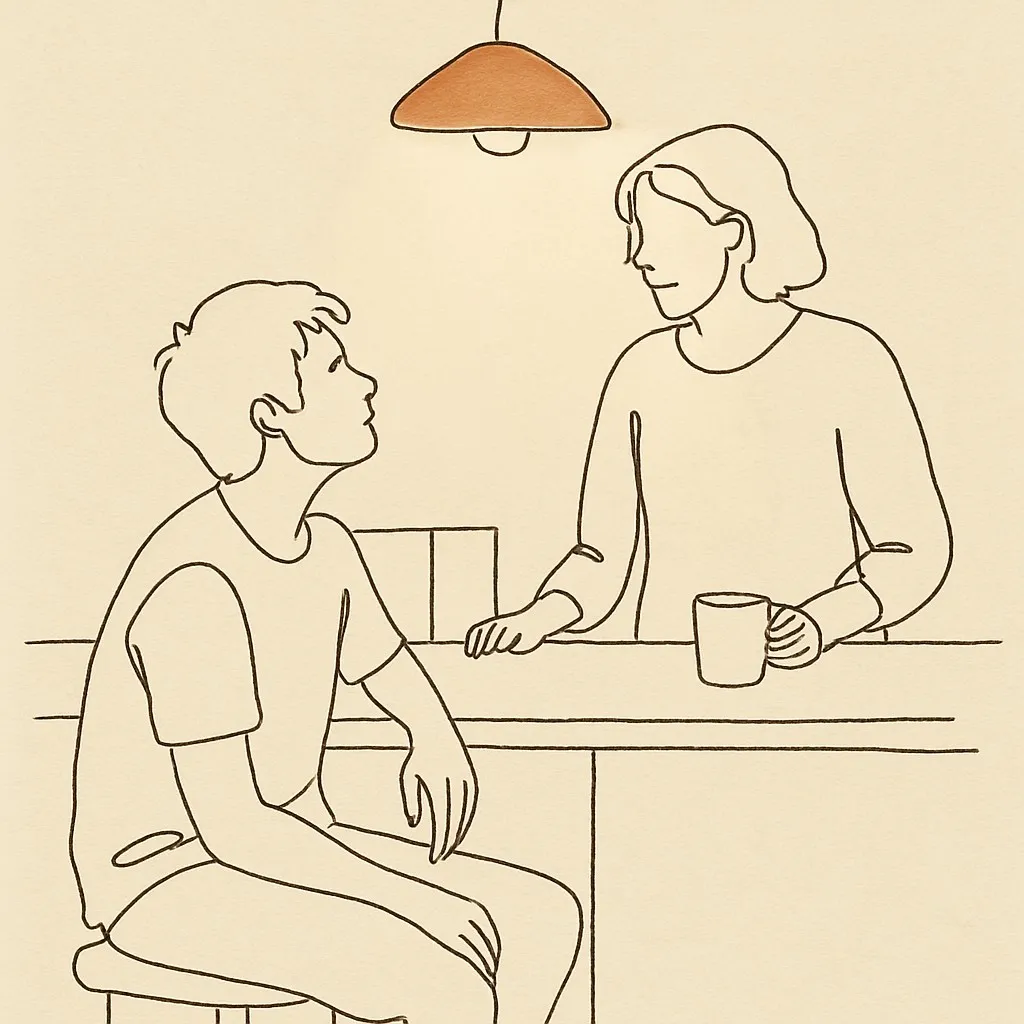 Heated
“Why don't you trust me?”
Lands after a “no” to a request, or a follow-up question that lands as suspicious. Sometimes a genuine plea; sometimes the teen knows there's a reason and is testing whether you'll name it.
-
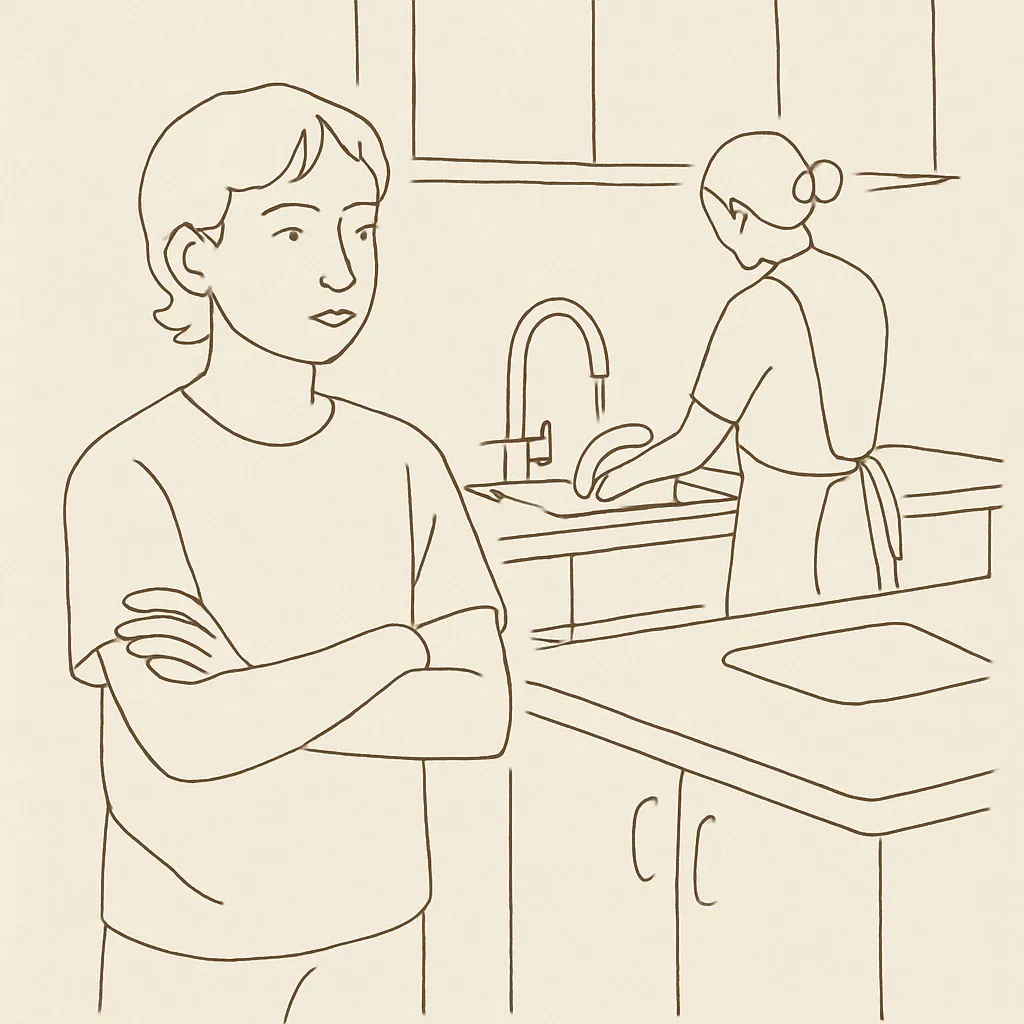 Heated
“You're not the boss of me.”
The classic defiance line, usually middle-school era. The instinct is to assert that you absolutely ARE the boss. Better instinct: stop trying to win the title fight.
-
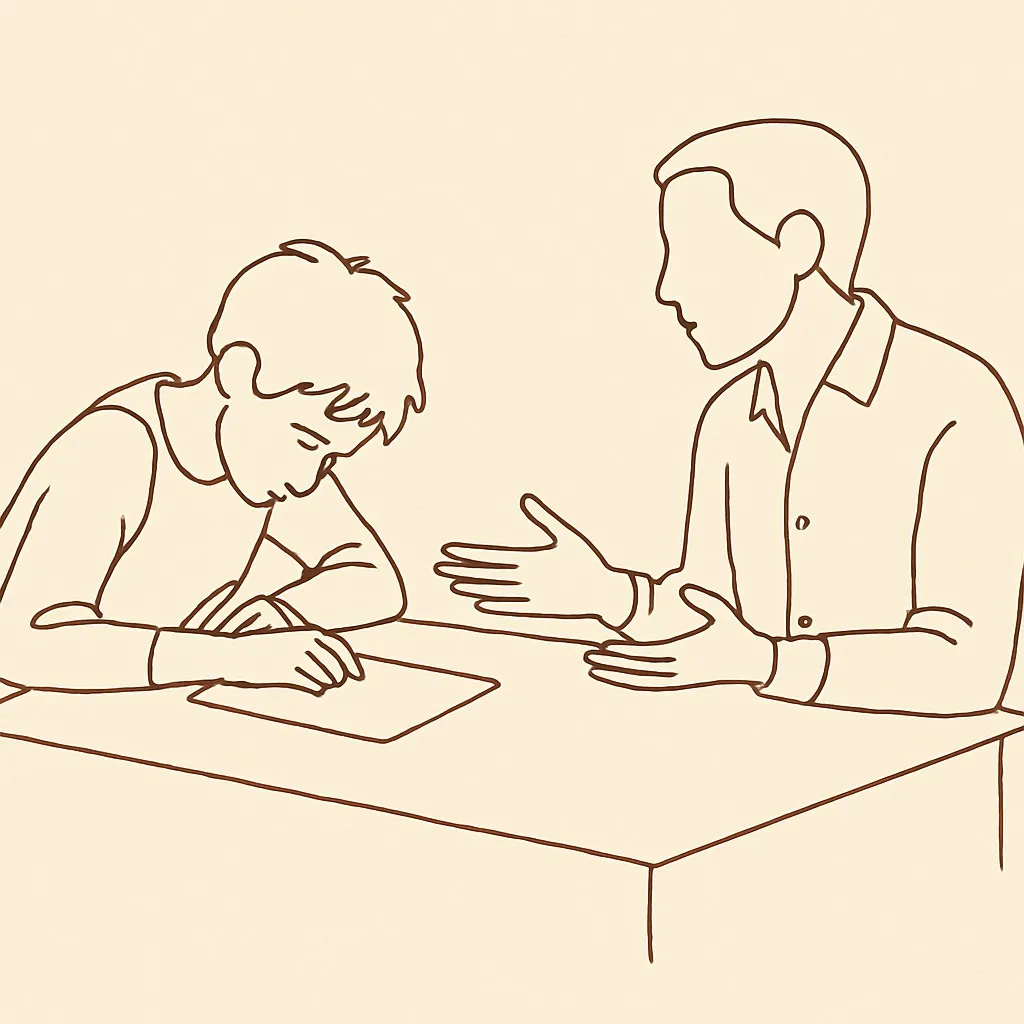 Heated
“You never say you're proud of me.”
Lands after a grade, an award, a recital you showed up to. You thought it was obvious; the teen didn't. The fix is faster than the wound suggests.
-
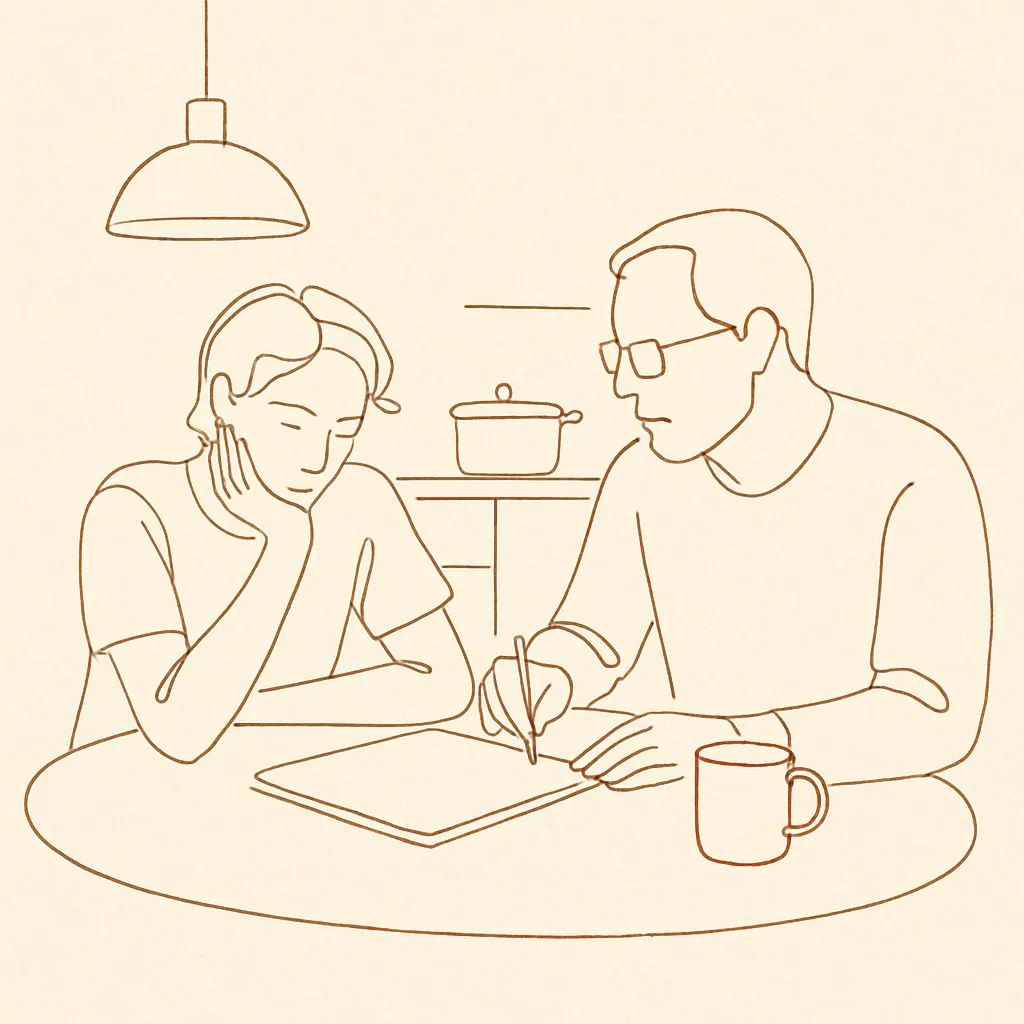 Everyday
“I want to get a tattoo.”
16, 17 years old. Stick-and-poke from a friend, or a real studio with a fake ID. The flat “no” is reasonable; the conversation that earns you the next ask is harder.
-
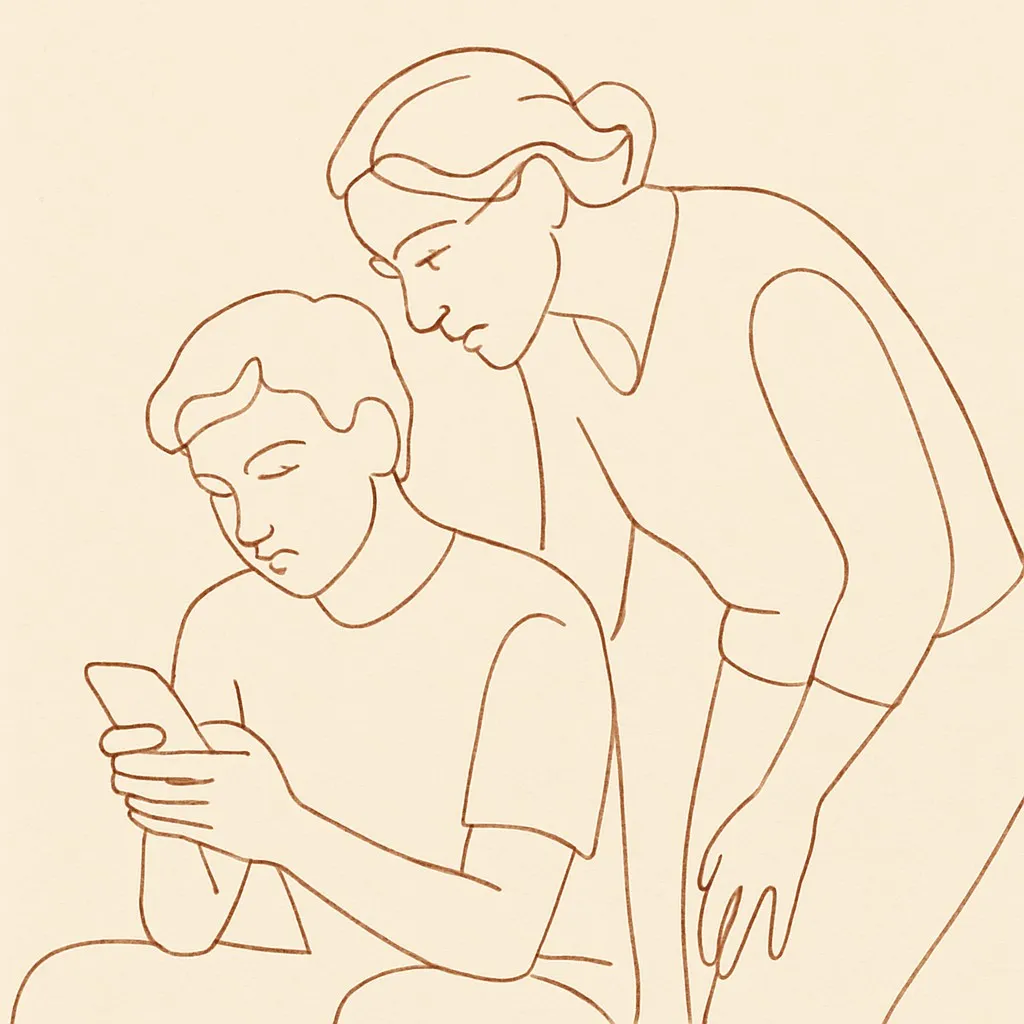 Heated
“I think I have ADHD.”
The TikTok-era self-diagnosis. Sometimes accurate, often a checklist they've absorbed and mapped onto themselves. Either way the right move is to take it seriously and route to actual evaluation.
-
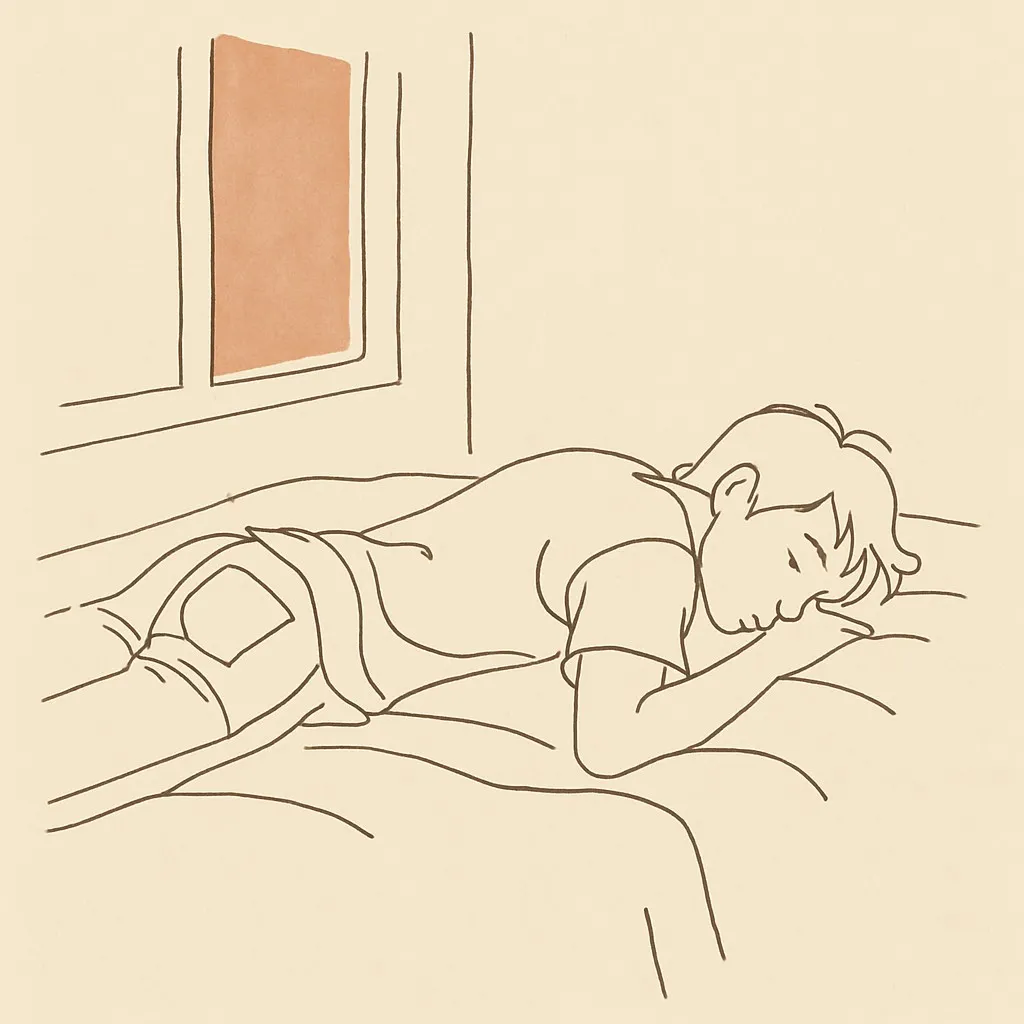 Heated
“Everyone hates me.”
The catastrophizing thought that arrives after one bad interaction. Often a snapshot of how the teen brain works in the moment, not a measurement of reality. Treat both as true at the same time.
-
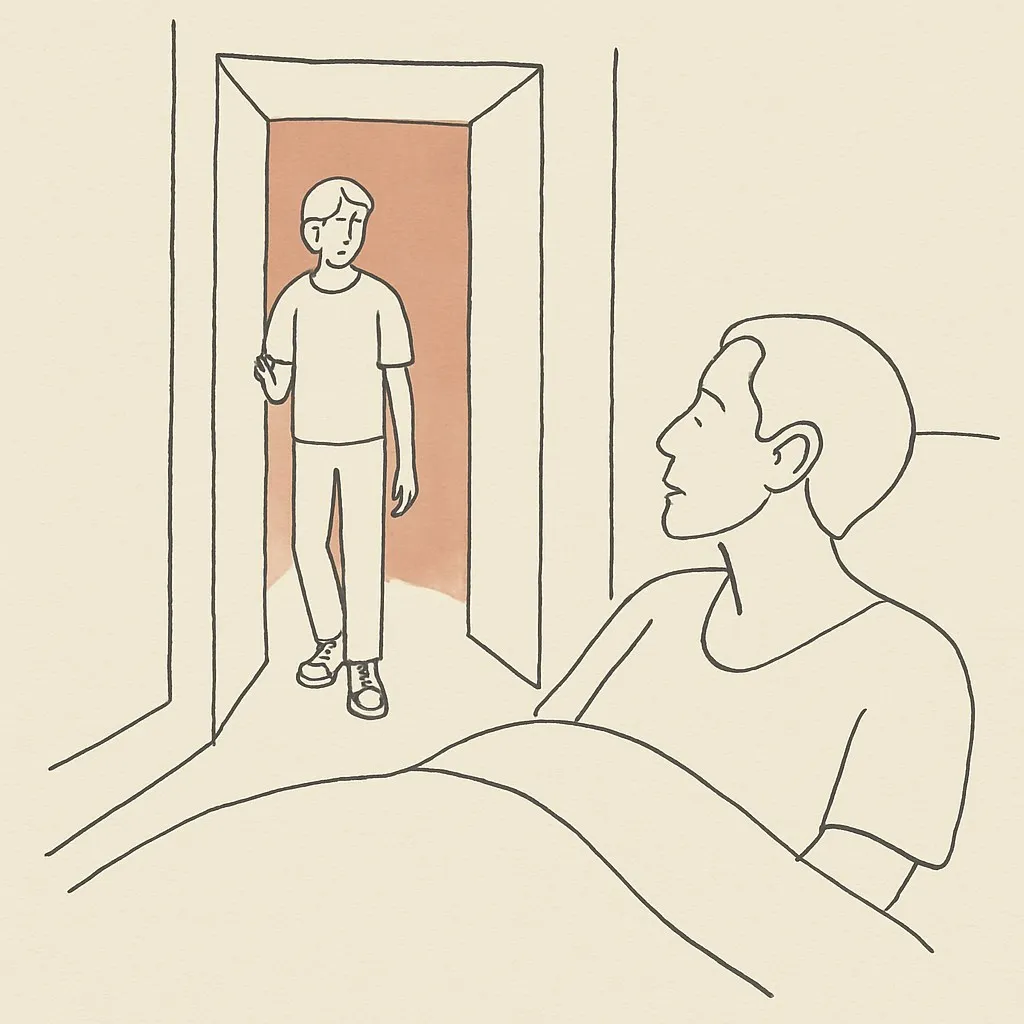 Everyday
“I can't sleep.”
11pm, midnight, 1am. They appear in your doorway. The instinct is to send them back to bed. The information is in WHY they can't sleep — if you can ask without making bed-time the issue.
-
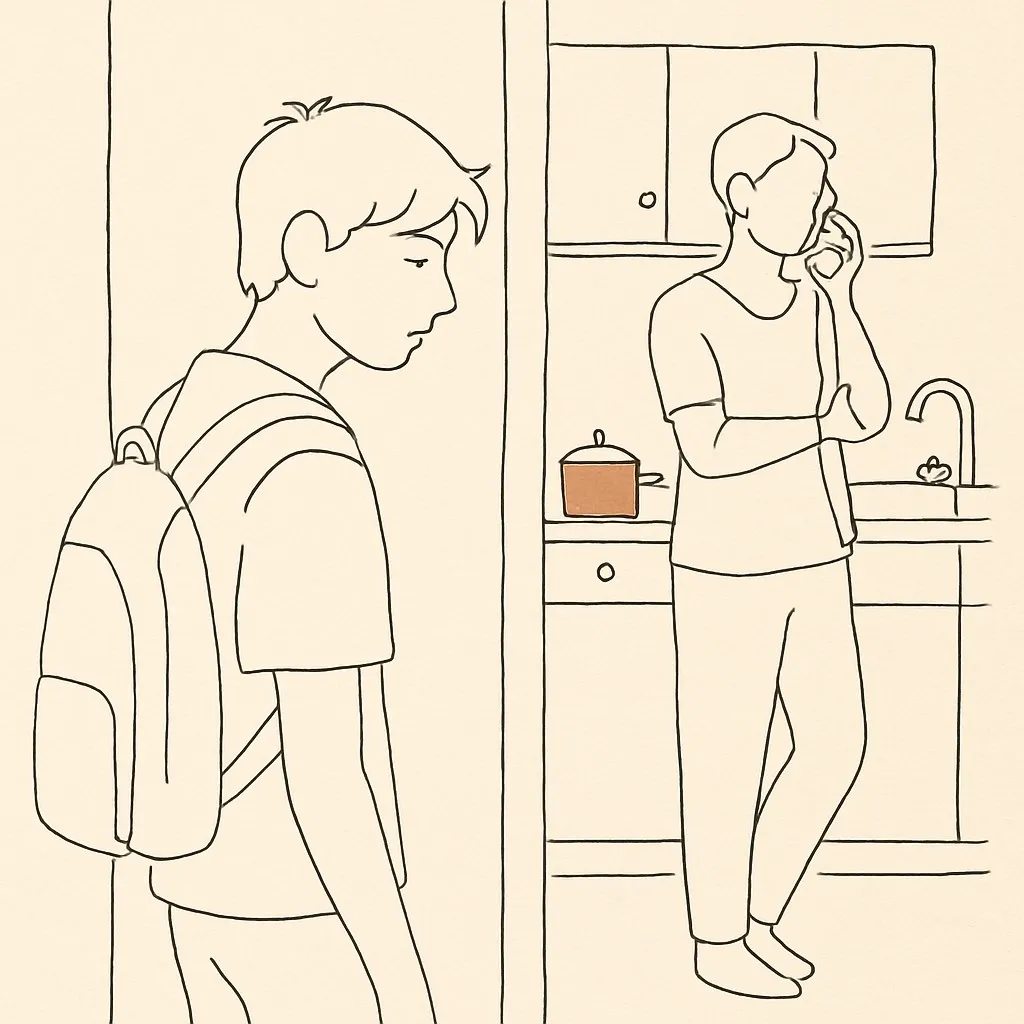 Heated
“Stop telling everyone my business.”
After they overhear you on the phone with grandma about their math grade, or with a friend about their breakup. The privacy violation is real and the recovery is owed.
-
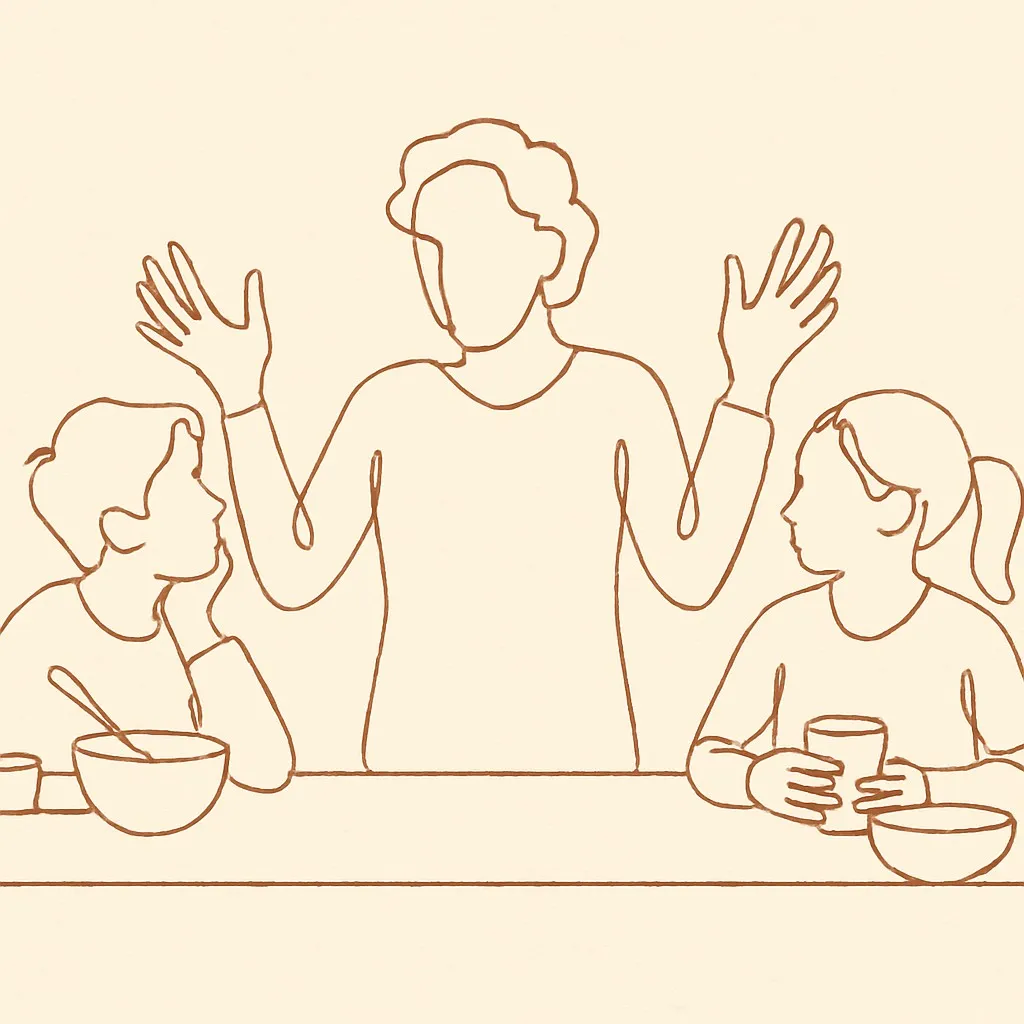 Everyday
“Why do you always pick on me?”
The asymmetric-attention complaint. Often older kid vs younger; sometimes a teen vs a more compliant sibling. The instinct is to argue the distribution; the better move is to audit it.
-
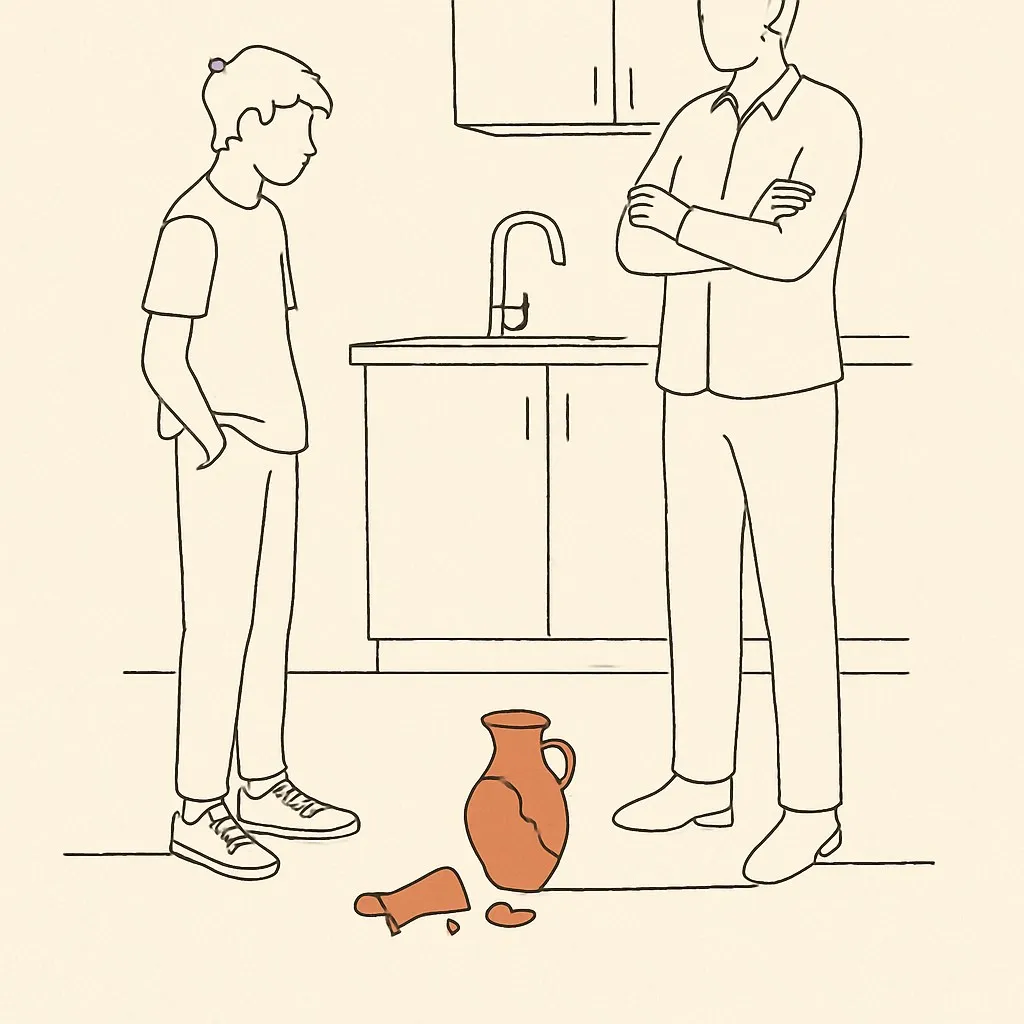 Heated
“I broke something. I'm so sorry.”
Heirloom, screen, dent in the car. The teen comes to you with shame already turned on. The response in the first 5 seconds tells them whether to come to you next time it happens.
-
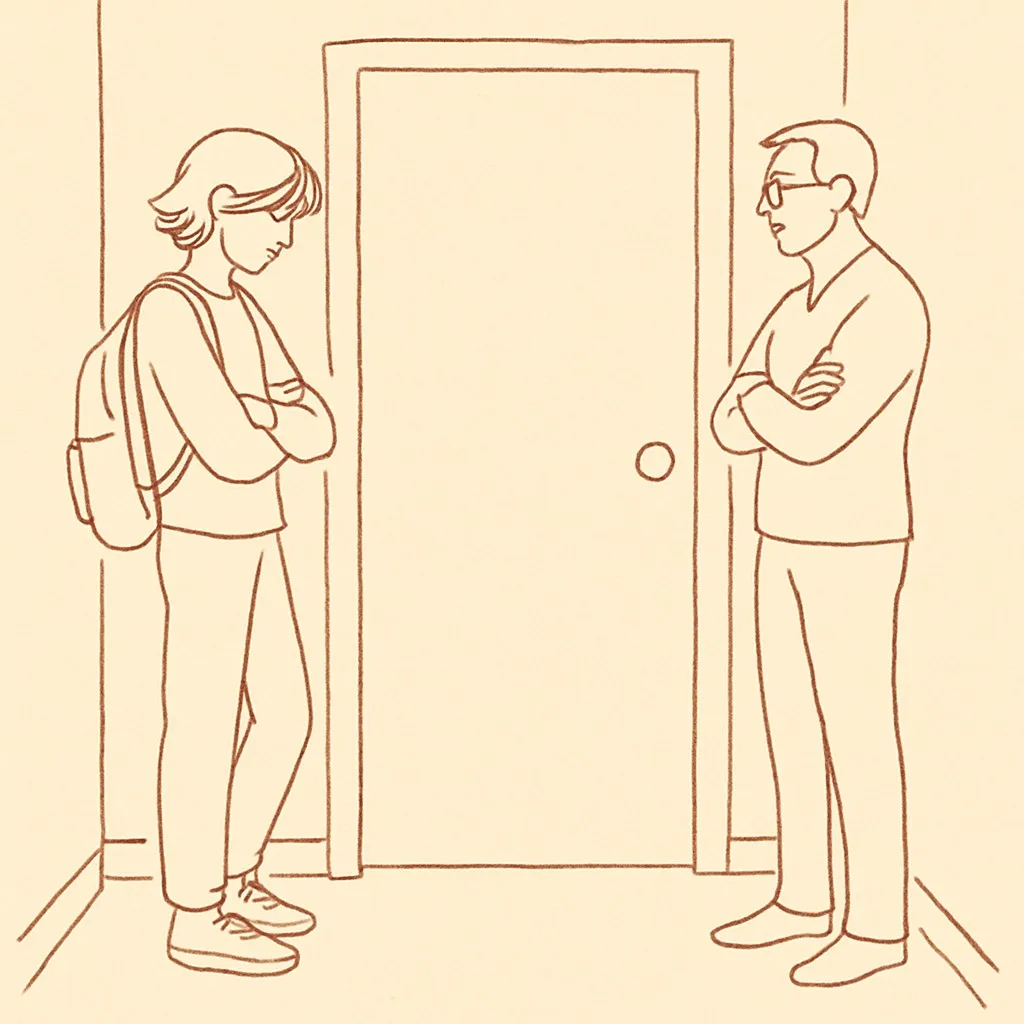 Crisis
“Why did you even have me?”
Heavy. Almost always after a fight — but the question is doing real work underneath. The wrong reaction is to argue the question; the right one is to answer it.
-
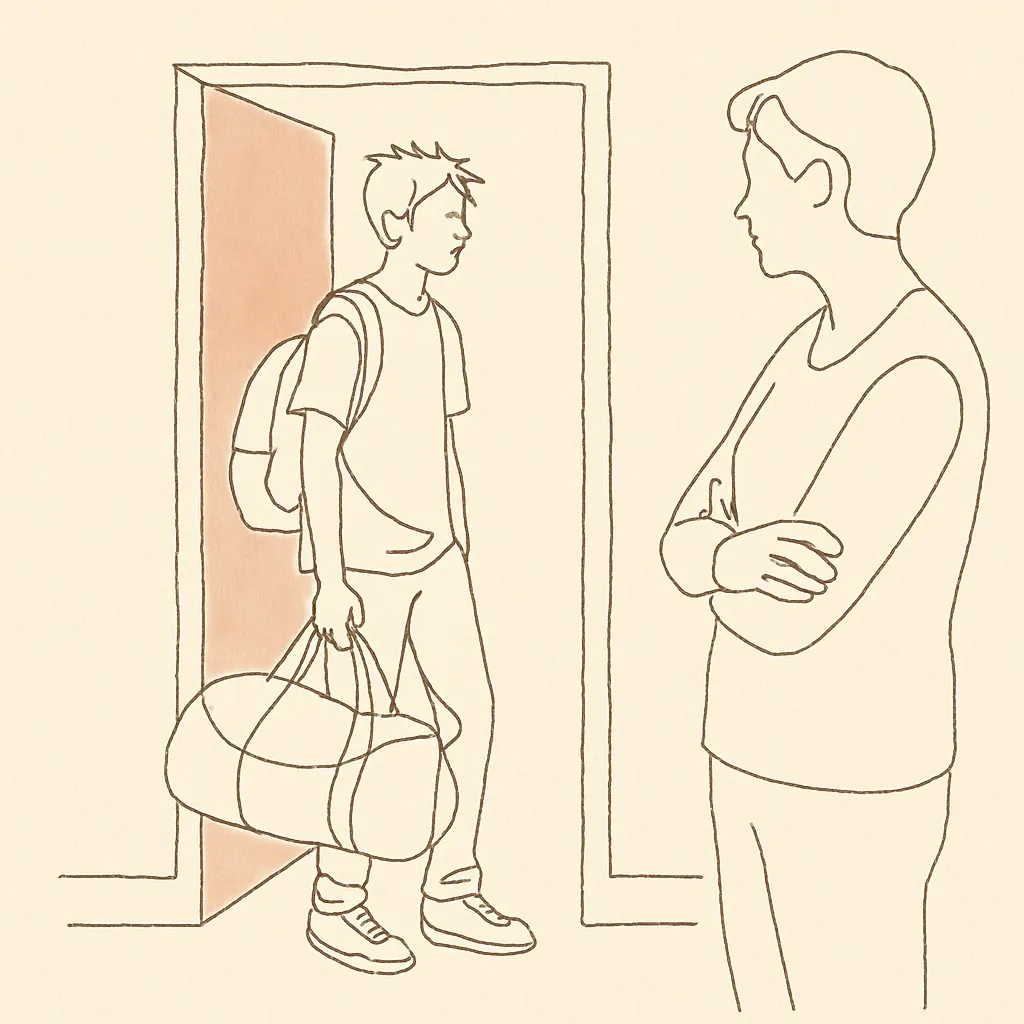 Crisis
“I want to live with Dad / Mom.”
Divorce dynamic, often delivered mid-grounding or after a custody week ends. Sometimes a real preference; sometimes a stress-test of your love. Either way, don't make them prove they didn't mean it.
-
 Everyday
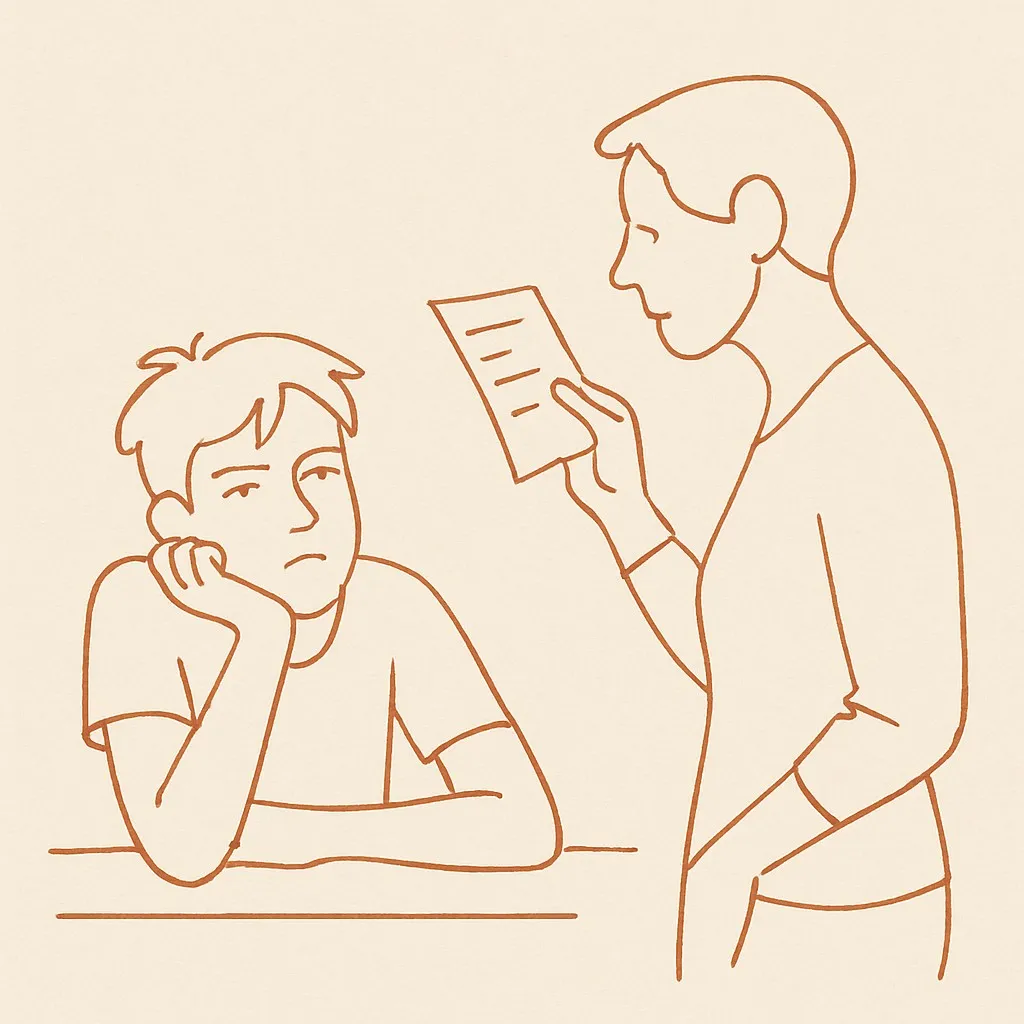
“I shouldn't have to do chores.”
The everyday refusal. The parent reflexes to “you live here, you contribute,” which is true and somehow never wins. The chore is the proxy; the actual battle is over status in the household.
-
 Heated
“I'm not going to grandma's birthday / the wedding / family thing.”
Extended-family obligation, 6-week-out announcement that they're not going. Sometimes a real conflict; sometimes pre-emptive aversion. Either way, the negotiation matters more than the event.
-
 Everyday
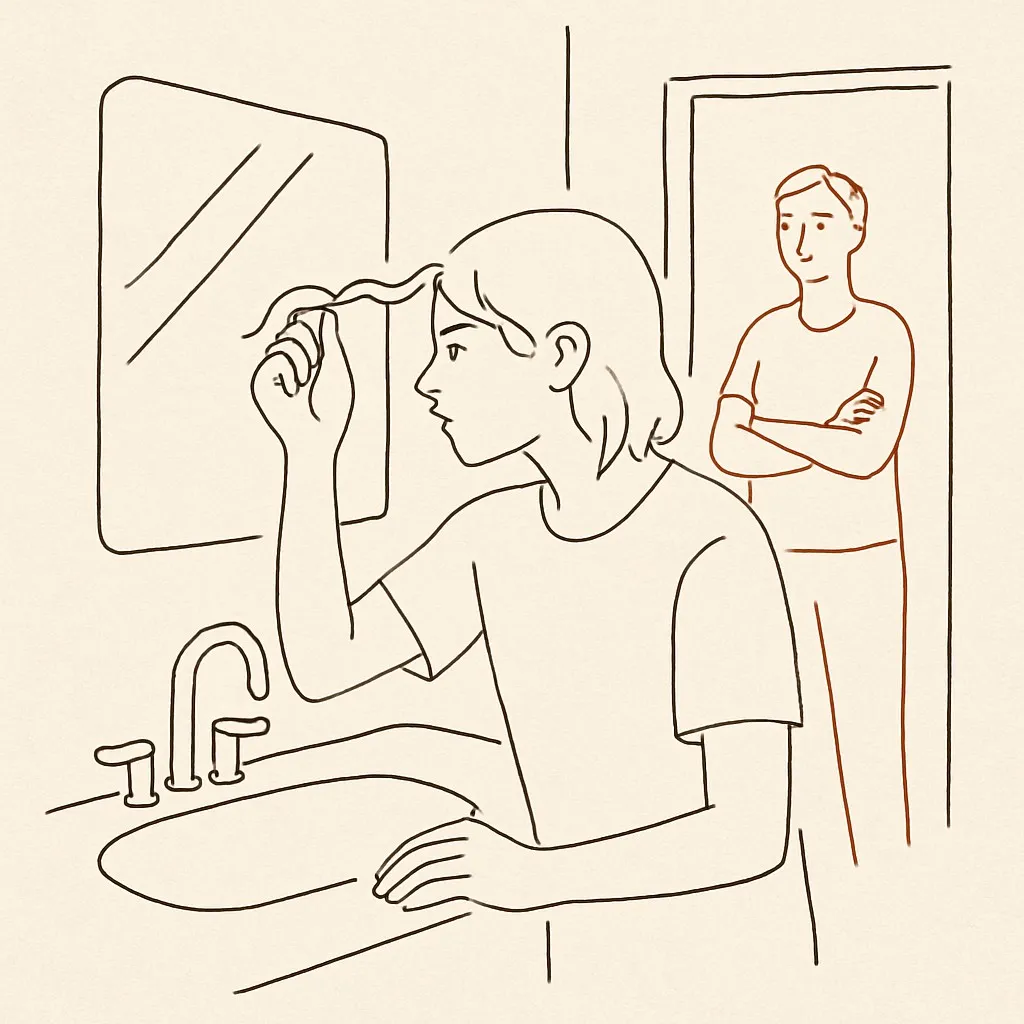
“I want to dye my hair pink. / Get a piercing. / Cut it all off.”
The reversible body-autonomy ask. The right answer is almost always yes; the wrong answer is almost always the one that turns this into a precedent for the irreversible asks later.
-
 Everyday
“Can my friend stay over?”
The everyday request that the parent half-listens to and answers reflexively. The reflexive answer is usually wrong, and sets the tone for whether they'll bring you the harder asks later.
-
 Crisis
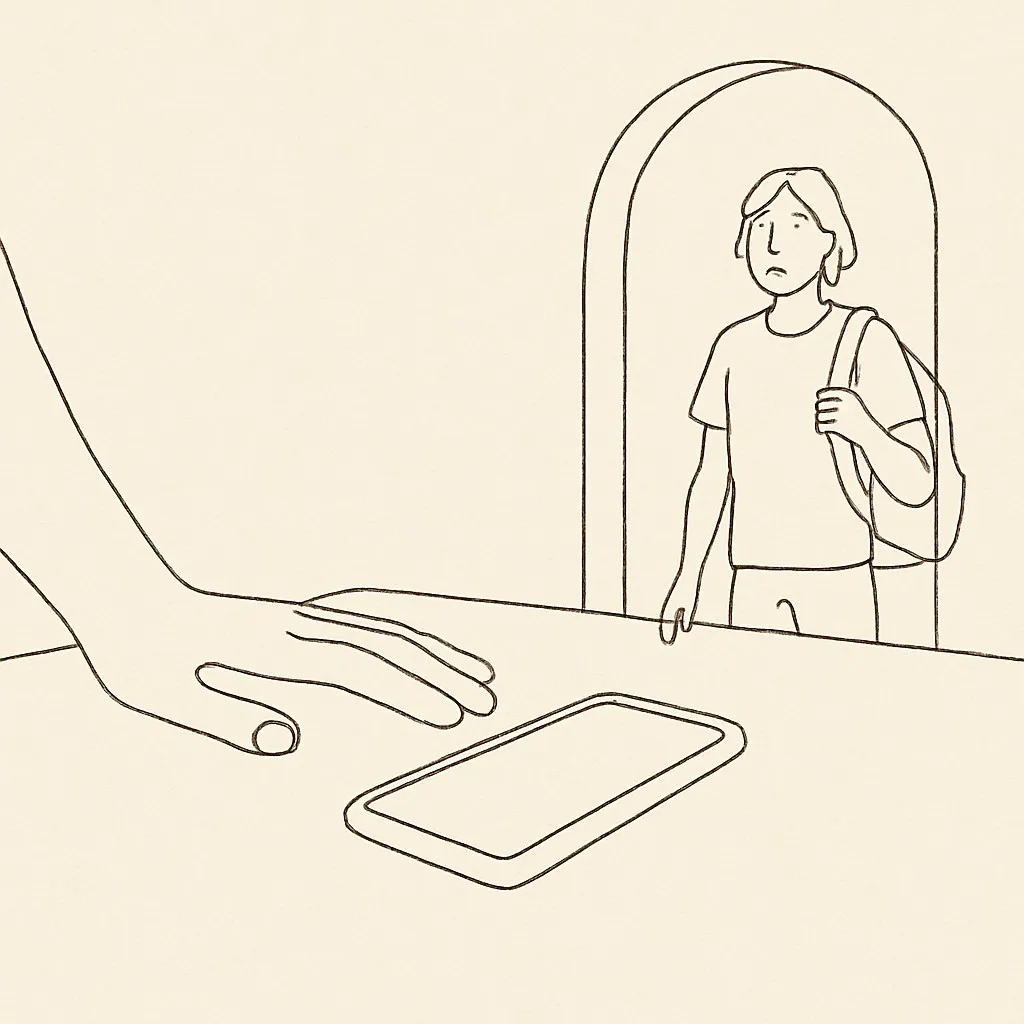
“Why are you reading my texts with my boyfriend?”
You glanced — they caught you. The text-reading conversation is one of the highest-trust-cost moves in modern parenting. The recovery is hard and the rule is simple: don't.
-
 Everyday
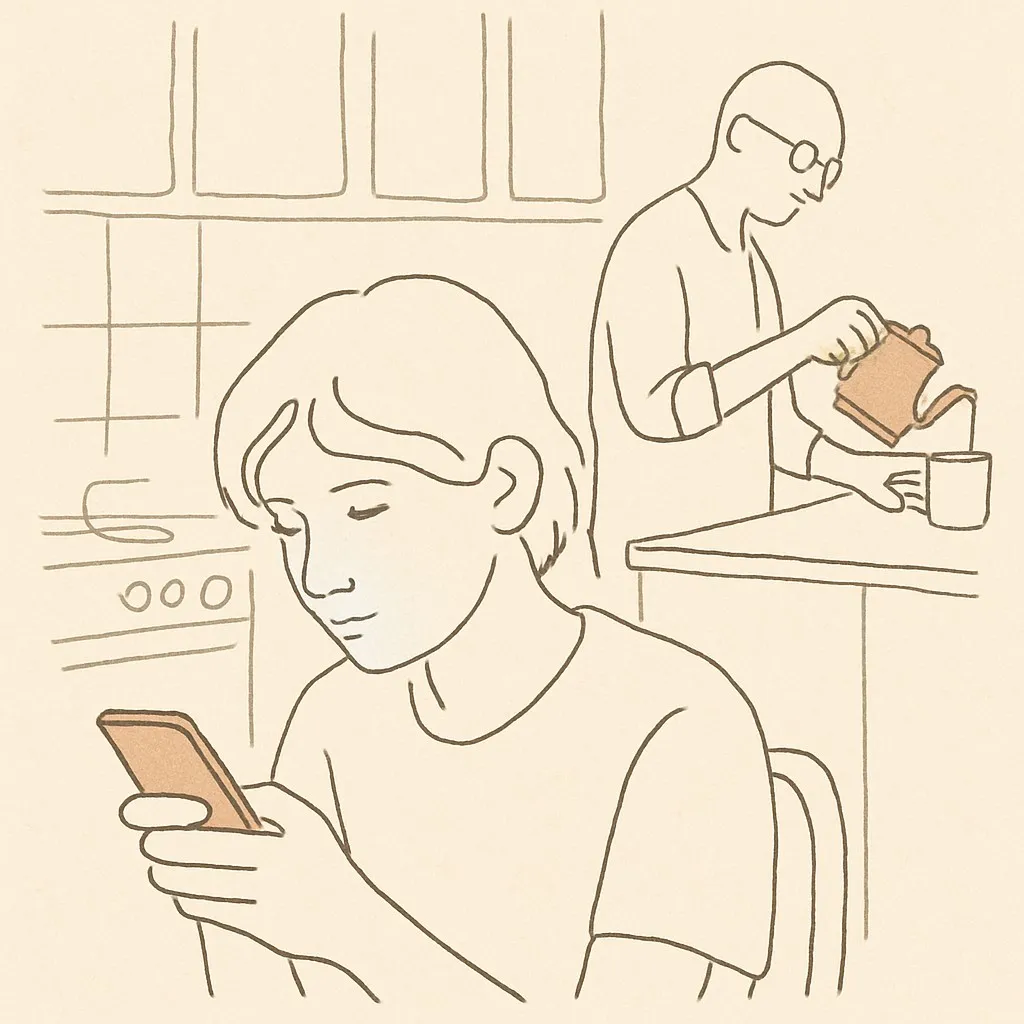
“We're not dating, we're just talking.”
The 2026 relationship gray zone — months of constant DMs, no labels, no public posts. The temptation is to insist on a category; the better move is to ask about the actual relationship.
-
 Heated
“My ex won't leave me alone.”
Post-breakup texts, DMs, showing up at school, friends-of-friends pressure. Sometimes harassment, sometimes the messy normal of teen breakups. Important to tell which.
-
 Crisis
“I want to break up but I'm scared.”
Sometimes scared of the hurt, sometimes scared of the reaction. Worth asking which — the second one matters more.
-
 Heated
“It's just weed.”
The dismissal that's both true and incomplete. Modern cannabis isn't your high-school cannabis. Skipping the parent freak-out earns you the conversation that actually matters.
-
 Heated
“Everyone vapes.”
The middle-school flashpoint of the 2020s. Nicotine pouches, disposable vapes, flavored everything — engineered for adolescent dependence. The data scares parents; the data ALSO works on teens, if delivered without panic.
-
 Everyday
“I'm going vegan.” (Or keto, or carnivore, or…)
The new-diet announcement. Sometimes a values claim, sometimes a body-image one wearing a different costume, sometimes both. Worth asking which without dismissing either.
-
 Everyday
“I want to be a YouTuber.” (Or streamer, or TikToker, or…)
The 2026-teen career declaration. Most parents reach for the “that's not a real job” reflex — which loses them the kid and the actual project. There's a better move.
-
 Heated
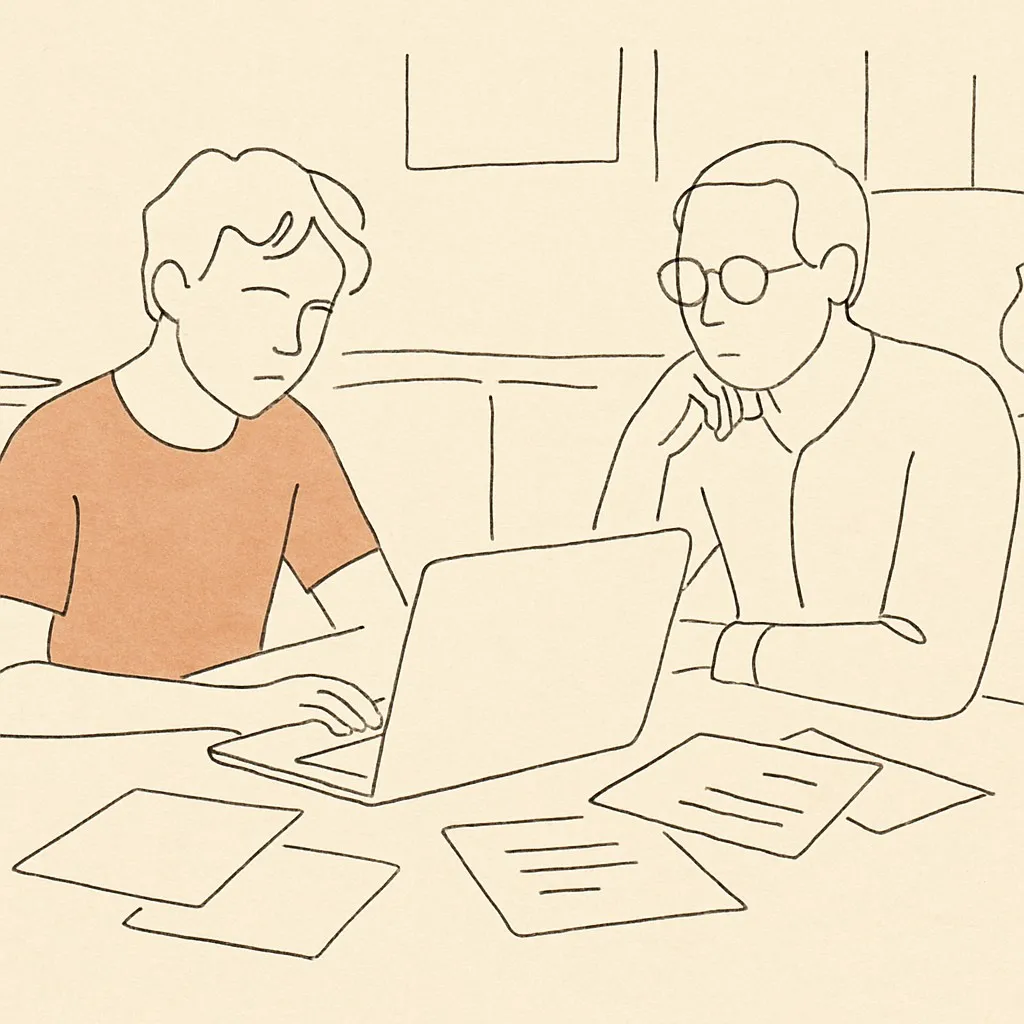
“Can you write my essay for me?”
Sometimes literal, sometimes about ChatGPT-as-stand-in. The line between editing and writing is the conversation, not the rule.
-
 Heated
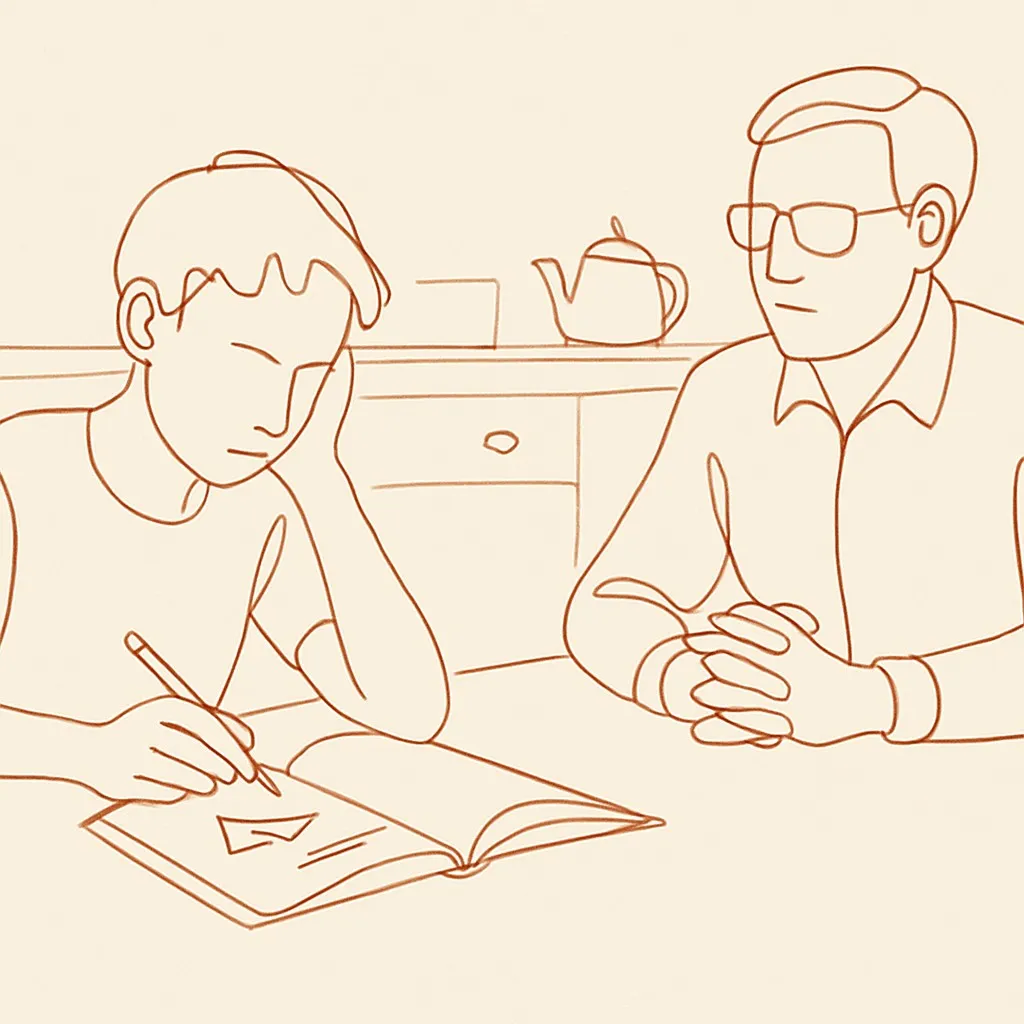
“I'm failing math.”
The confession that's actually a request for help — disguised as bad news, often delivered too late. The first response is whether they come to you with the next one.
-
 Heated
“My teacher hates me.”
Sometimes accurate, often a story. The risk of saying “no they don't” is bigger than the risk of believing them. Investigate first.
-
 Crisis
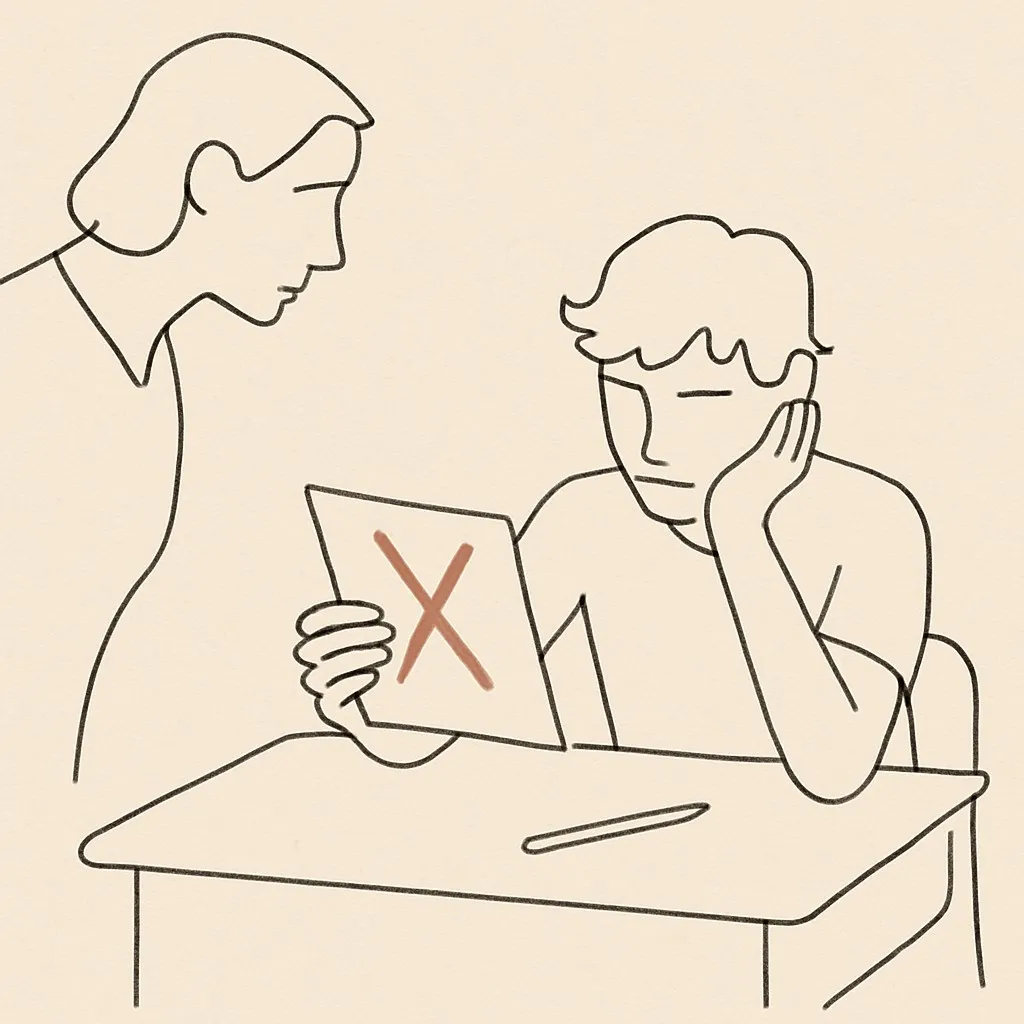
“My teacher is accusing me of cheating.”
Sometimes they did, sometimes they didn't, sometimes ChatGPT detection flagged a false positive. The parent's first move is the one that determines whether you get the truth — or never know.
-
 Heated
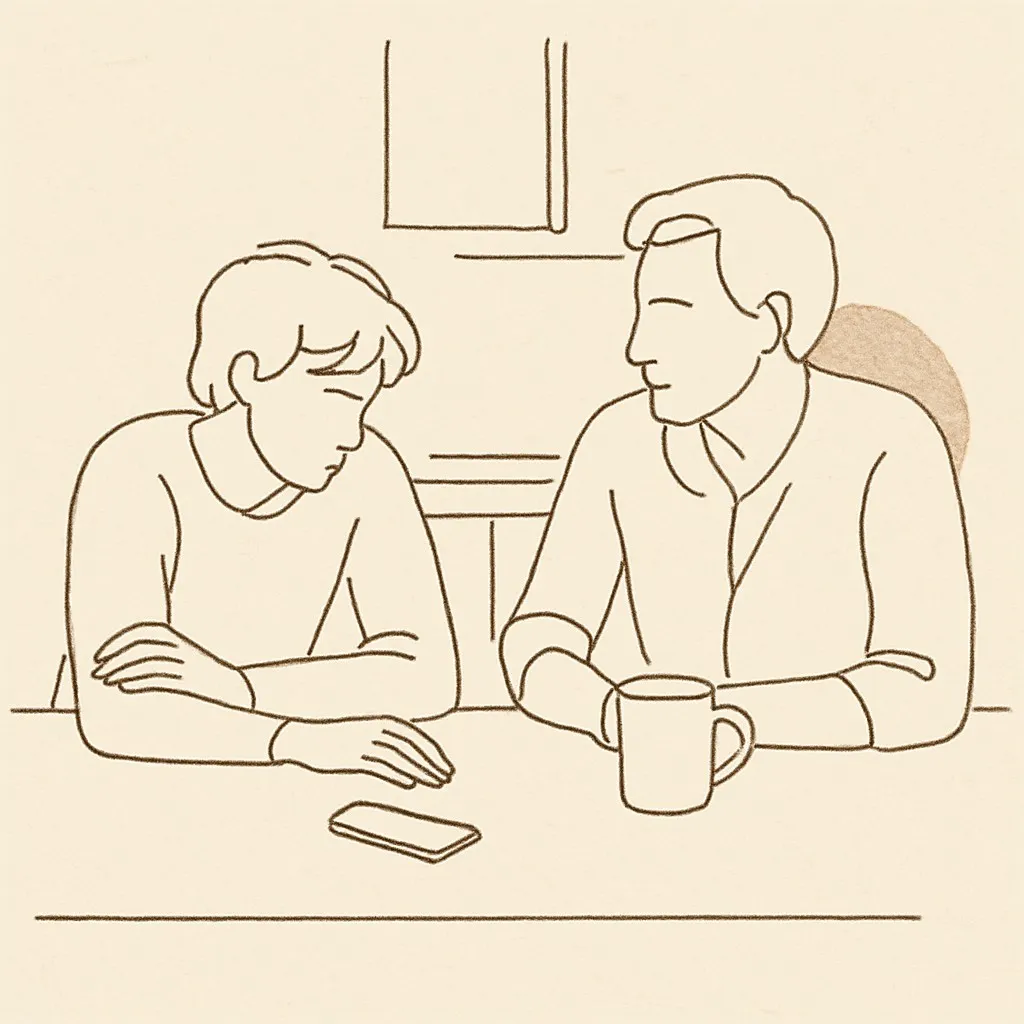
“I need $200. Don't ask why.”
Sometimes a gift for a friend, sometimes a deposit on something exciting, sometimes a debt to someone uncomfortable to name. The amount + the “don't ask” combo always deserves a careful conversation.
-
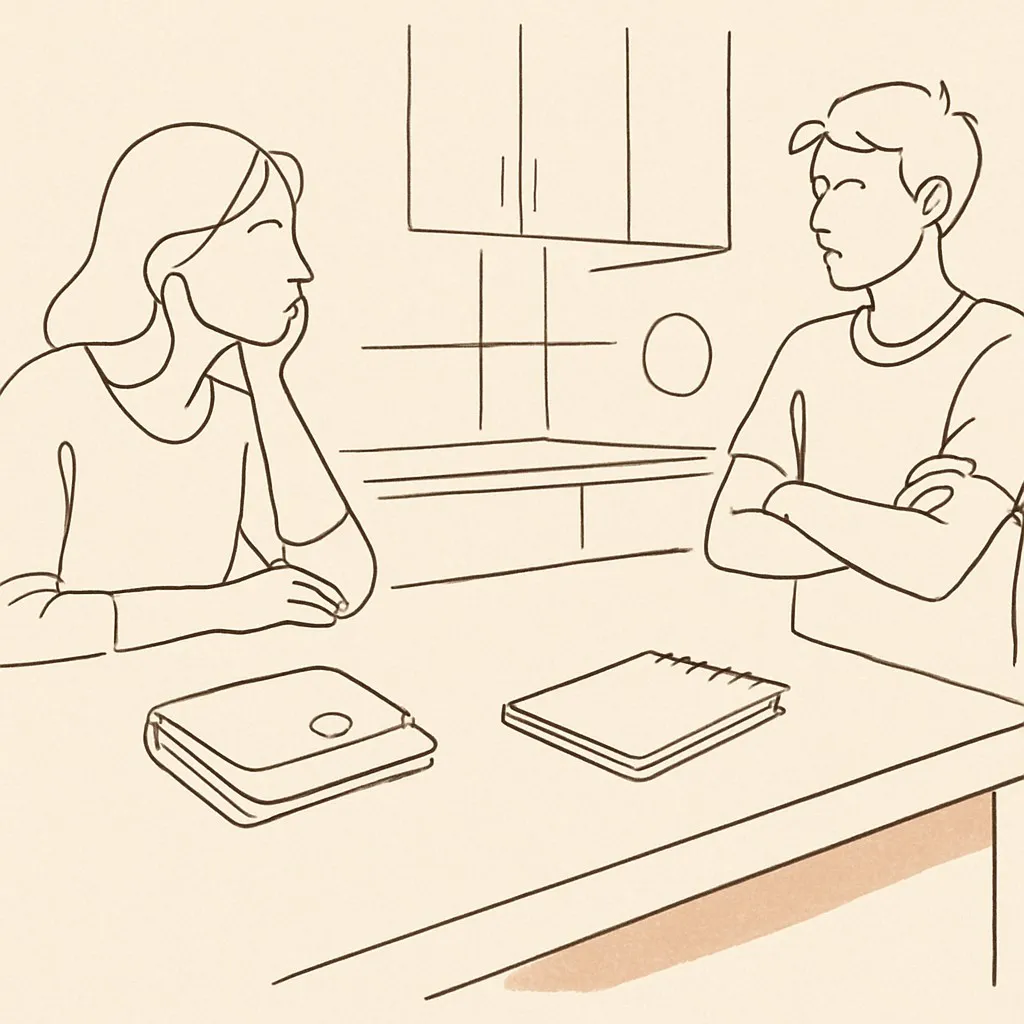 Everyday
“Why don't I get an allowance like my friends?”
The household-policy question disguised as a peer-comparison ask. Whichever way you go, the conversation about money is the actual gift.
-
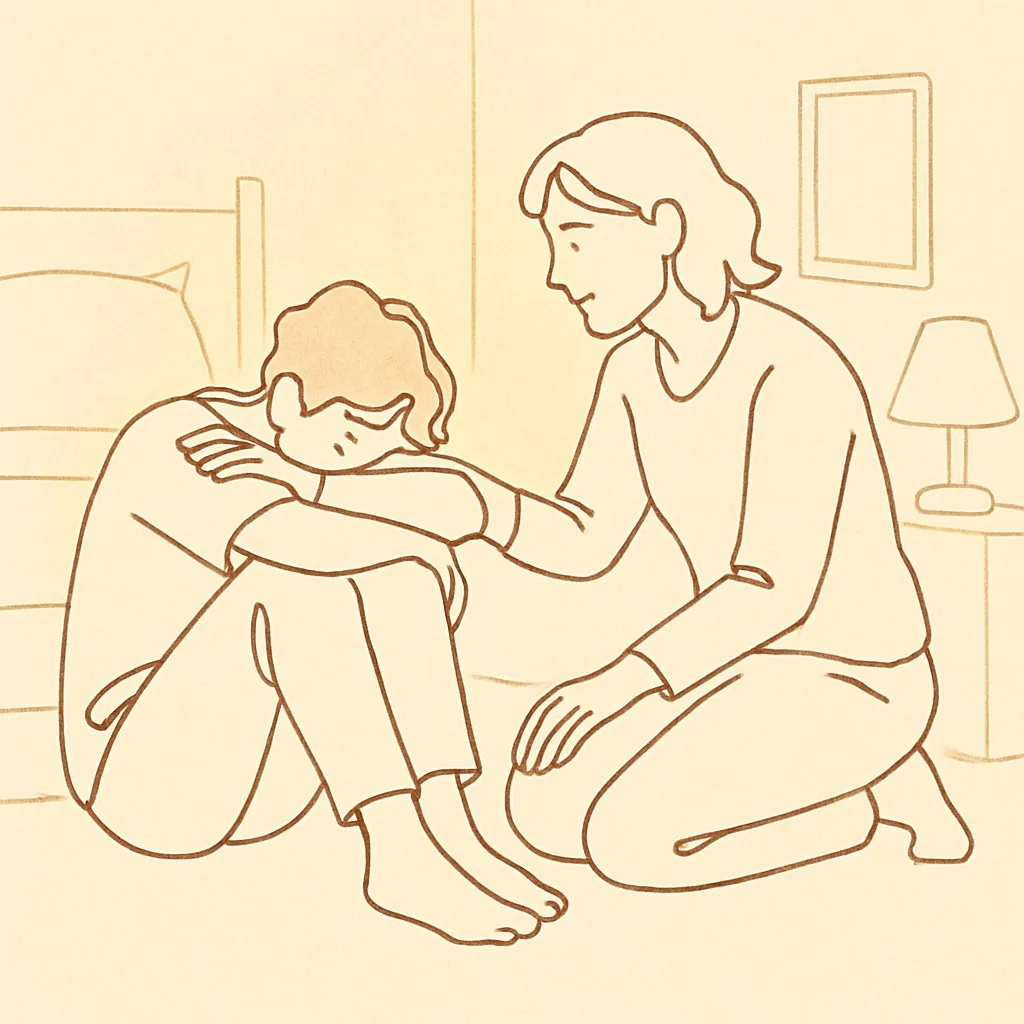 Crisis
“I think I'm having panic attacks.”
The bravest mental-health confession after suicidal ideation — and one parents are most likely to under-react to (“just anxiety”) or over-react to (“we're going to the ER right now”). The middle path is the work.
-
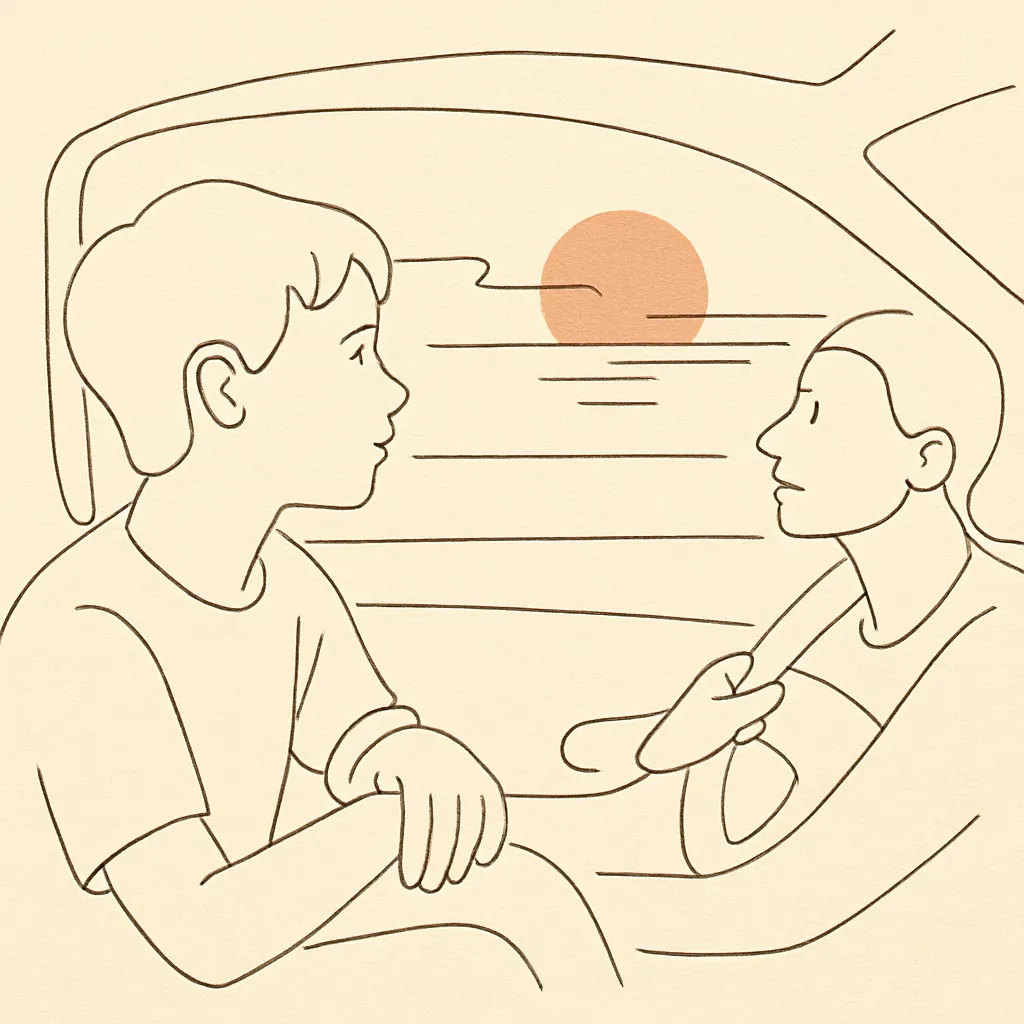 Heated
“My therapist isn't working.”
Sometimes a real mismatch, sometimes the avoidance phase that means therapy is starting to work. Knowing which is the parent's job.
-
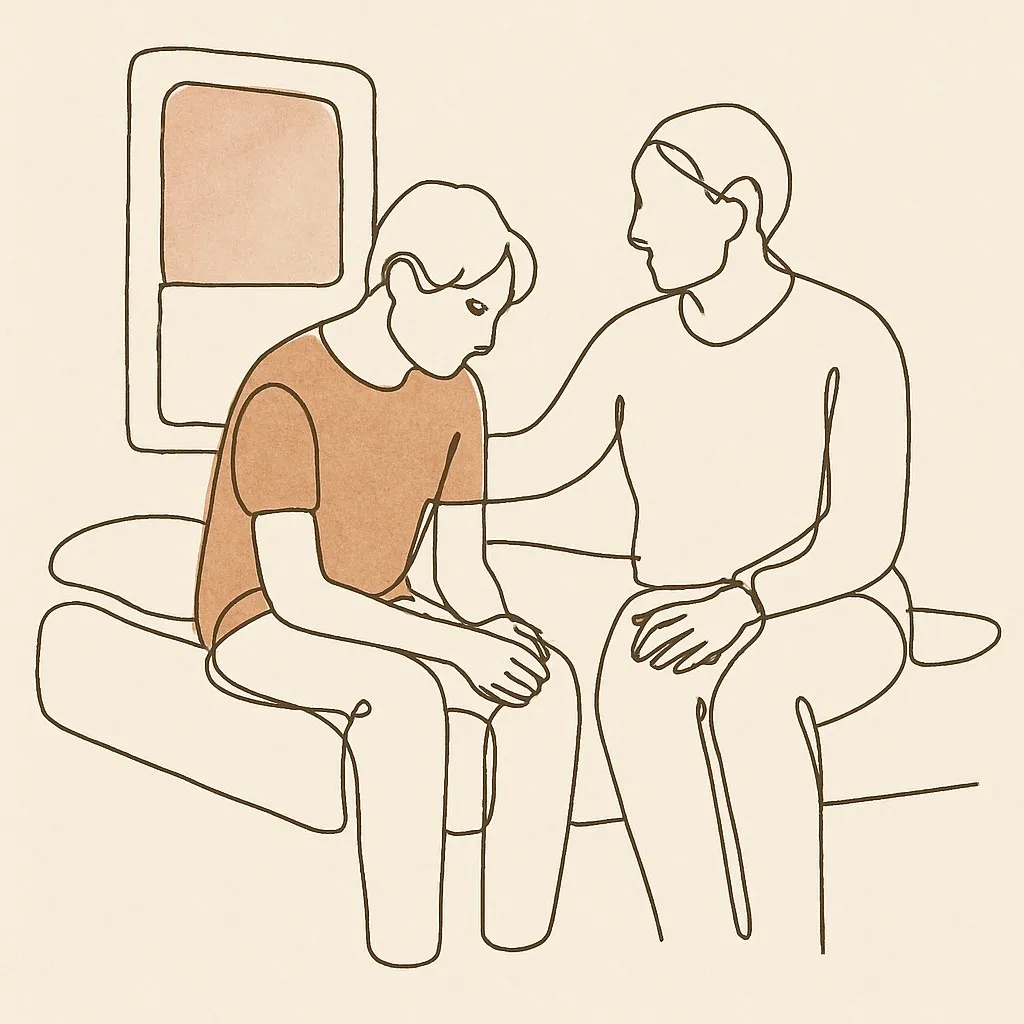 Crisis
“I cut myself once.”
The hardest sentence to receive. Said quietly, often at bedtime, sometimes weeks or months after the fact. The first ten seconds of response shape everything that comes after.
-
 Crisis
“My friend is cutting / starving / using.”
The teen who comes to you because they're carrying a friend's secret that's too heavy. They need permission to break the secret. You're the one who can give it.
-
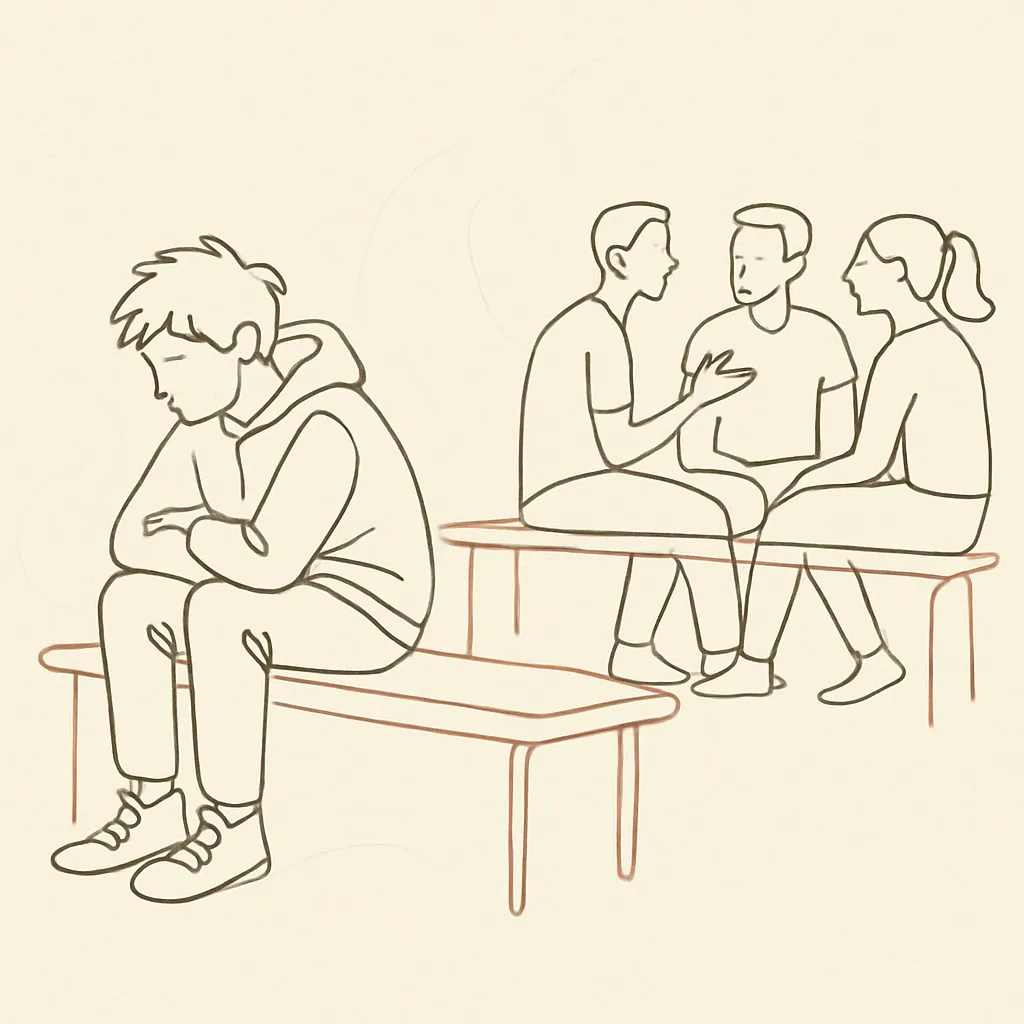 Heated
“Everyone has a friend group except me.”
Often middle-school, the year friend groups solidify and outsiders feel it acutely. The reflex to “invite people over” misses the deeper need. The deeper need usually isn't more people — it's one good person.
-
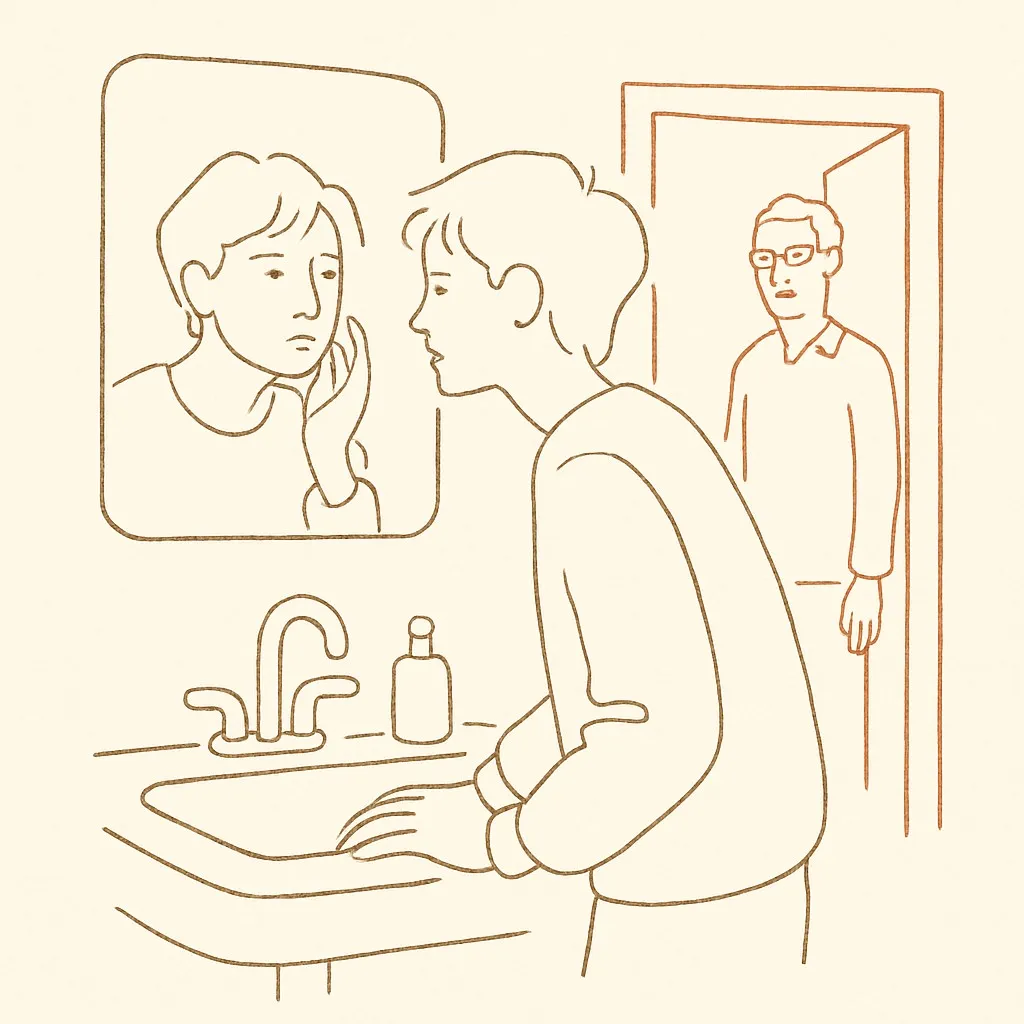 Crisis
“I want a nose job / lip filler / breast augmentation.”
The conversation that 2026 parents weren't braced for. Body-modification asks now arrive at 14, 15. The flat no is easy; the conversation about what's underneath is the hard part — and the right part.
-
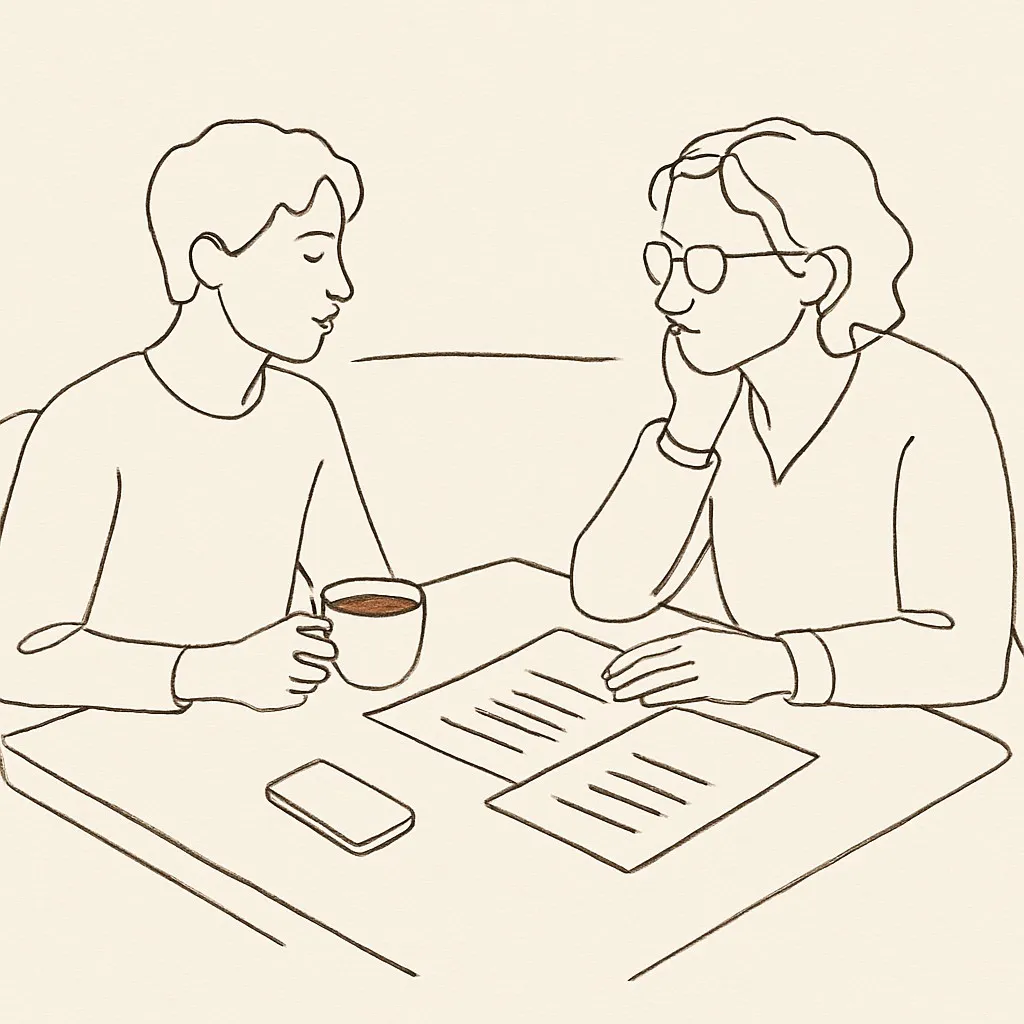 Crisis
“I want to drop out.” (College or high school.)
The high-stakes life decision the teen has been turning over for weeks before they say it out loud. The first response determines whether you stay in the conversation — and whether they decide well.
-
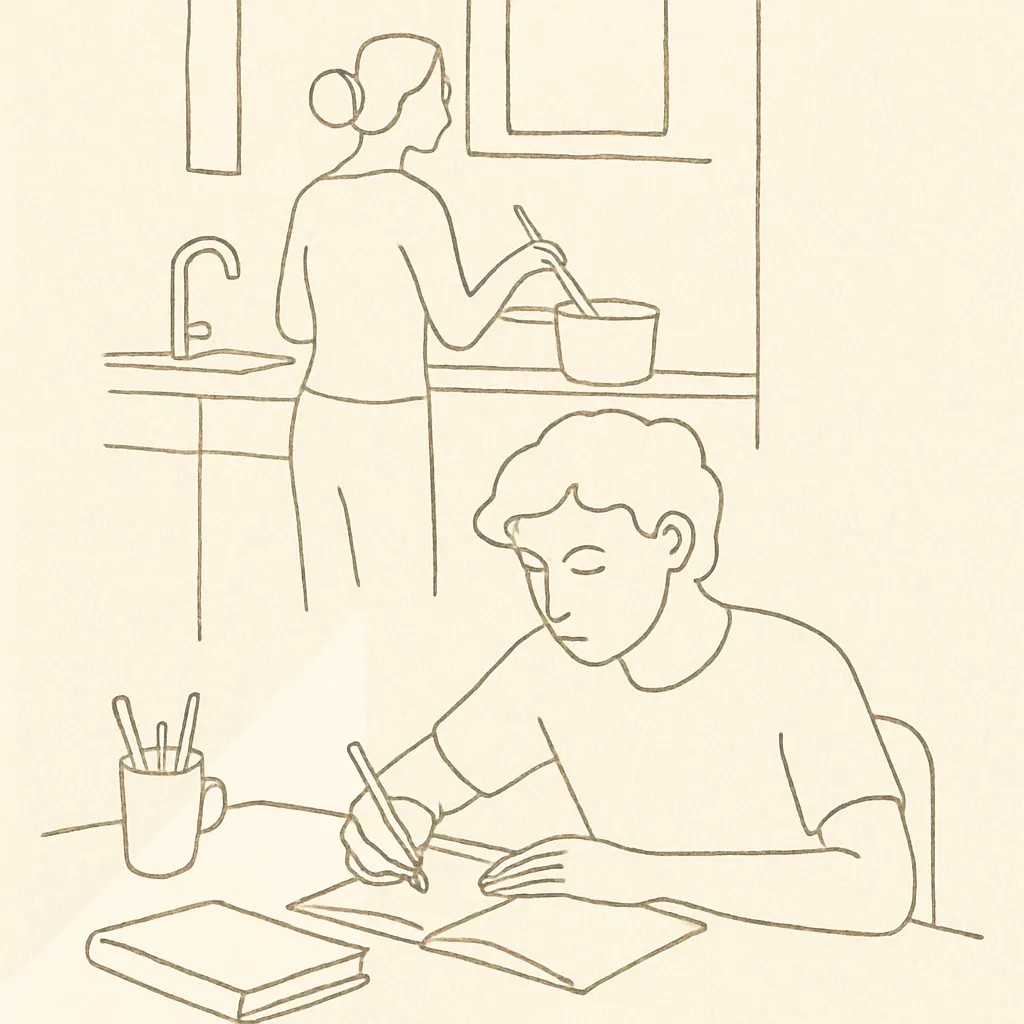 Heated
“I have a crush on my teacher.”
Common, usually harmless, occasionally a sign of a teacher crossing a line. The parent's calm response sets up which of the three it is — and which to act on.
-
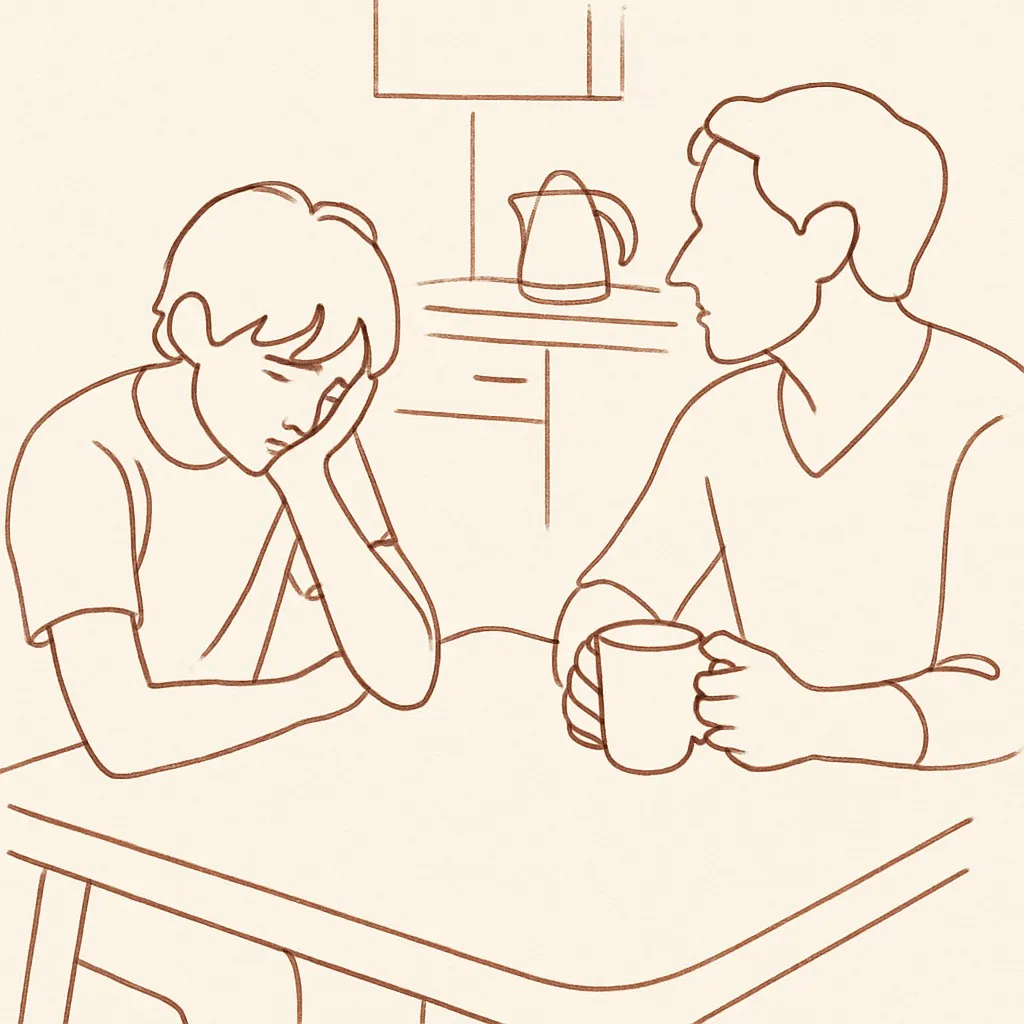 Heated
“Grandma is so annoying.”
Extended-family friction. The instinct is to defend grandma; the better move is to validate the friction and teach the navigation.
-
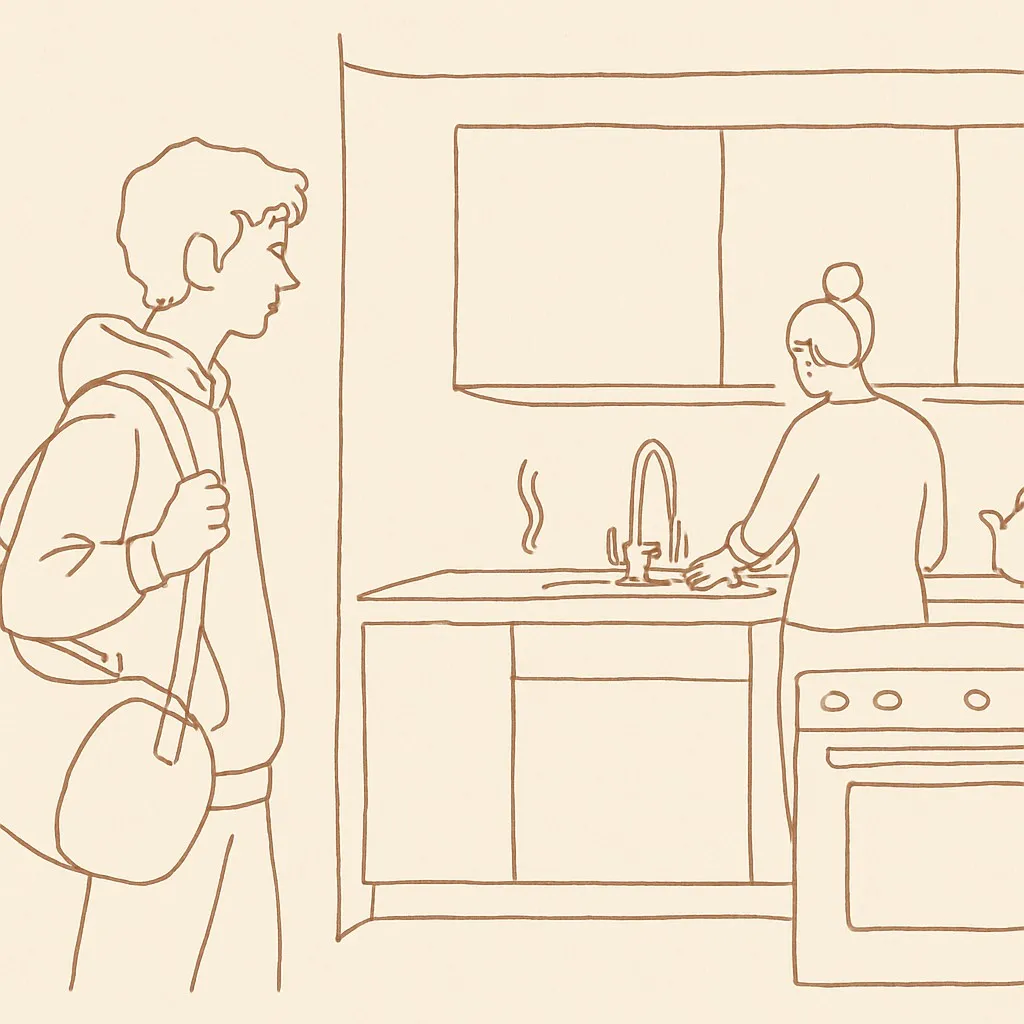 Heated
“I don't want to go to Dad's this weekend.”
Divorce dynamic. Sometimes a real concern, sometimes a preference for whoever isn't in the room. The wrong move is to enforce or to bash; the right move is to ask.
-
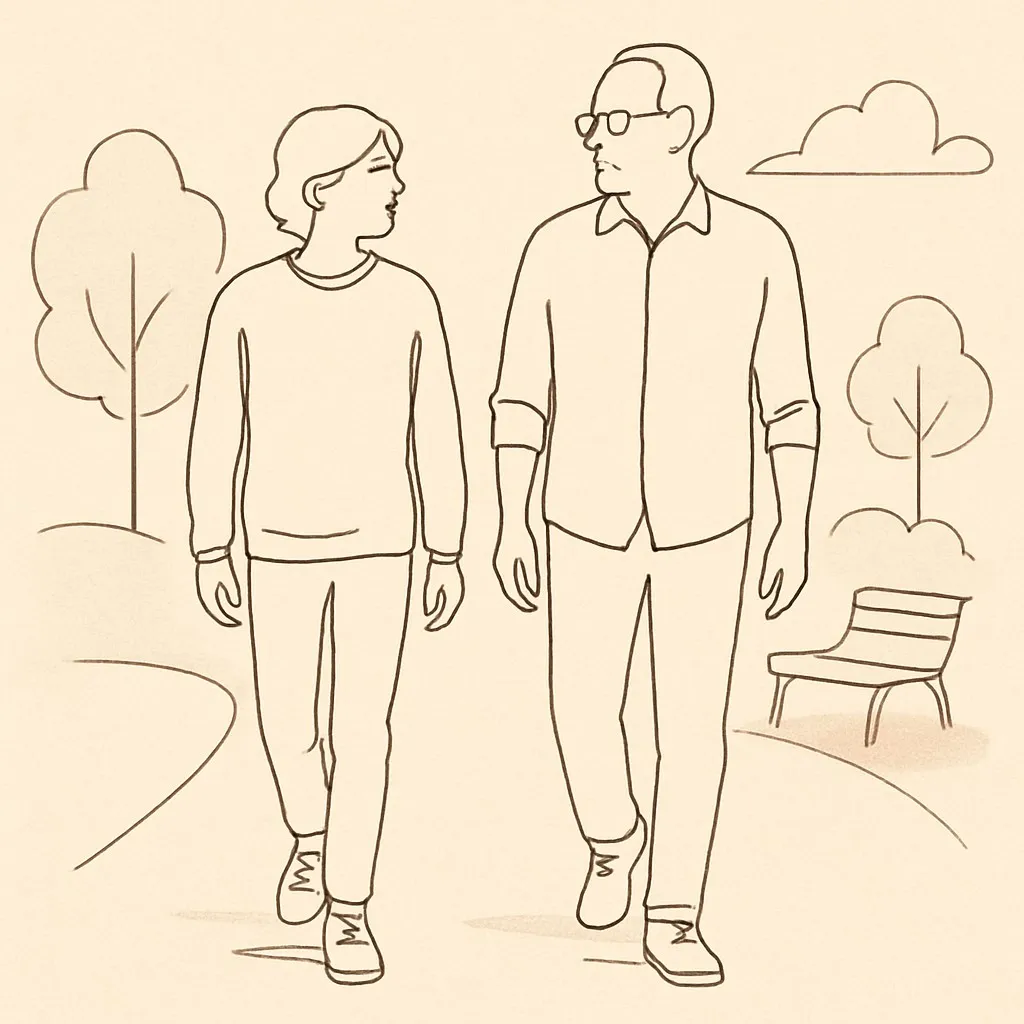 Heated
“Yes, I know what consent means.”
The eye-roll dismissal that ends the parent's hard-won sex-ed plan. Worth honoring the dismissal AND going one specific layer deeper than they expect.
-
 Heated
“I tried mushrooms / acid / [something] once.”
The confession that arrives weeks after the fact. They told you because they want you to know — and they want to be told it isn't the end of the world. Without being told it's nothing.
-
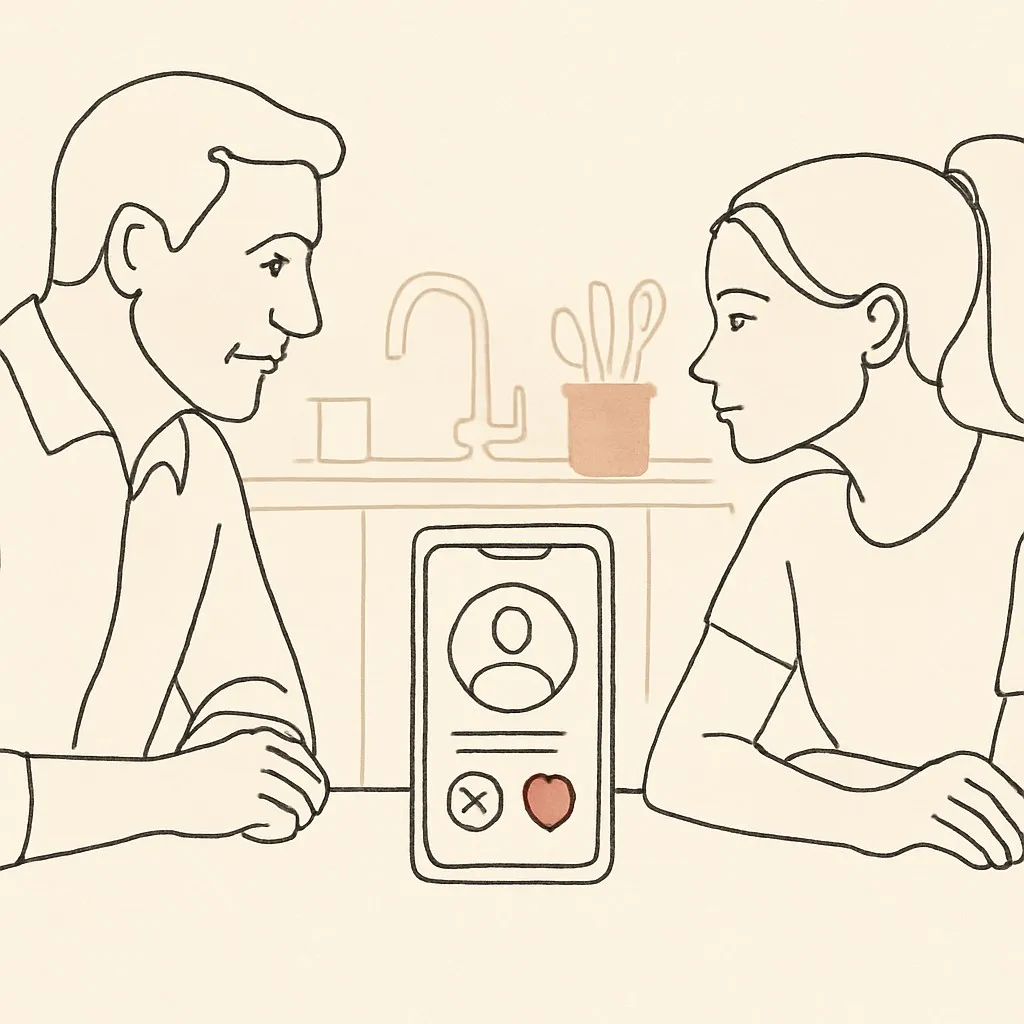 Heated
“Can I download Tinder / Hinge / Bumble?”
All major apps say 18+. Your 15-year-old wants one anyway because “everyone is on it.” The honest no is harder than the easy no.
-
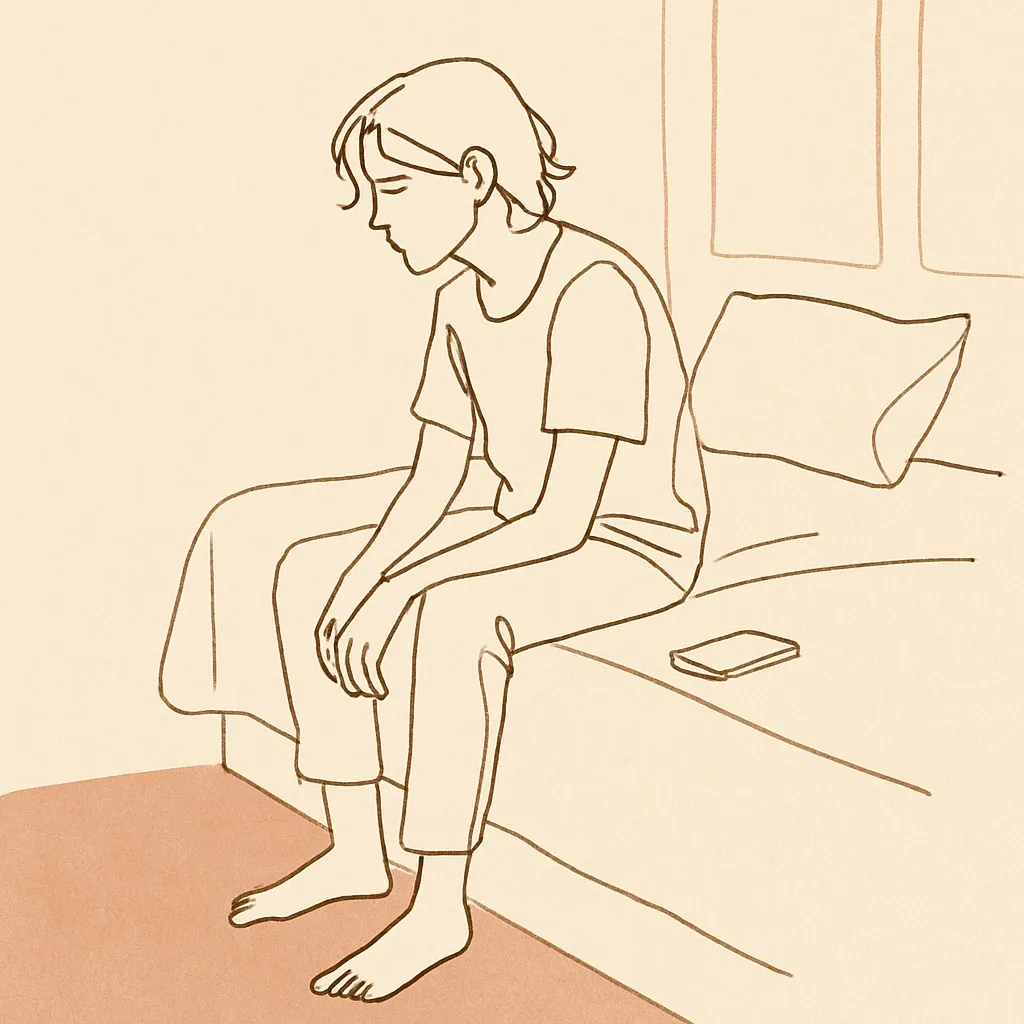 Crisis
“I sent a nude.”
The single hardest confession parents will receive. The first ten seconds determine whether the next call is to you or to a stranger.
-
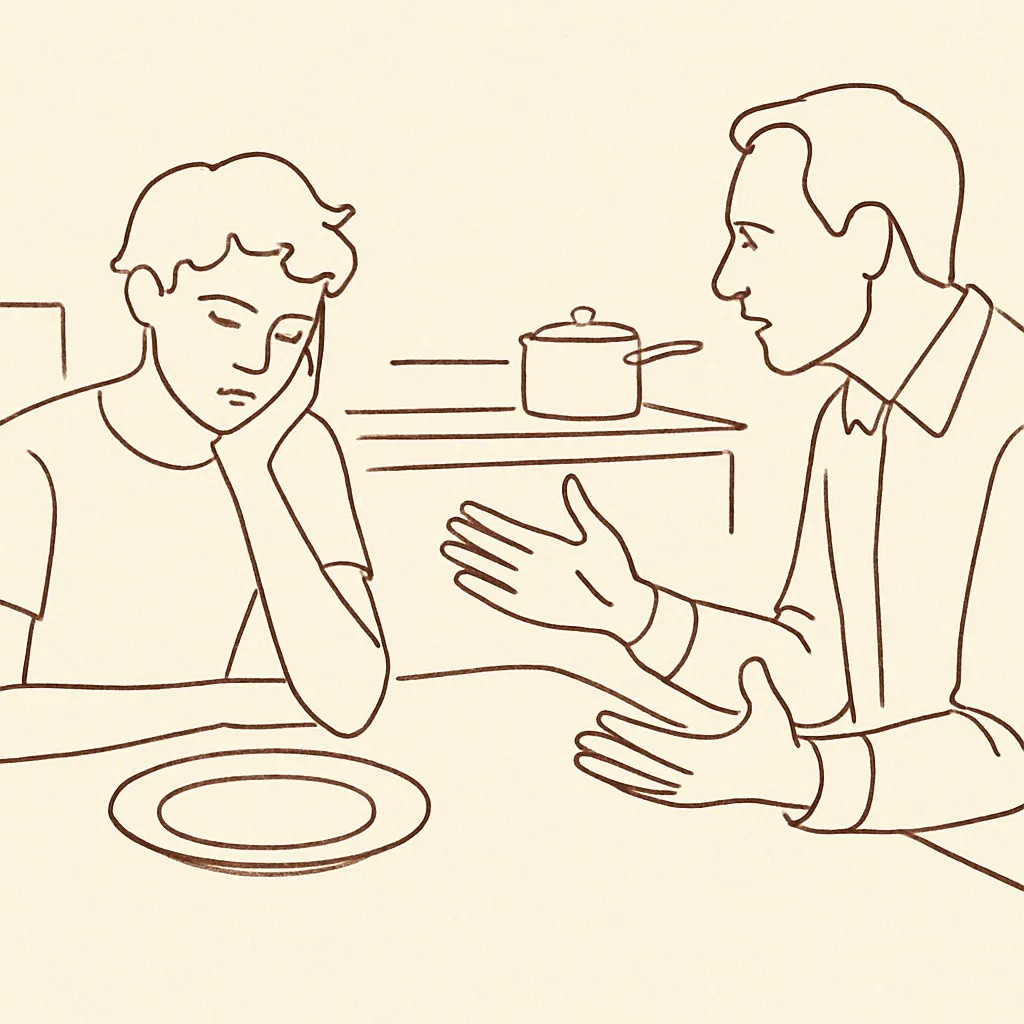 Crisis
“I think I might have an eating disorder.”
The bravest self-disclosure — usually weeks or months into the disorder, not at the start. The parent's first response shapes whether the next confession comes early or arrives at the ER.
-
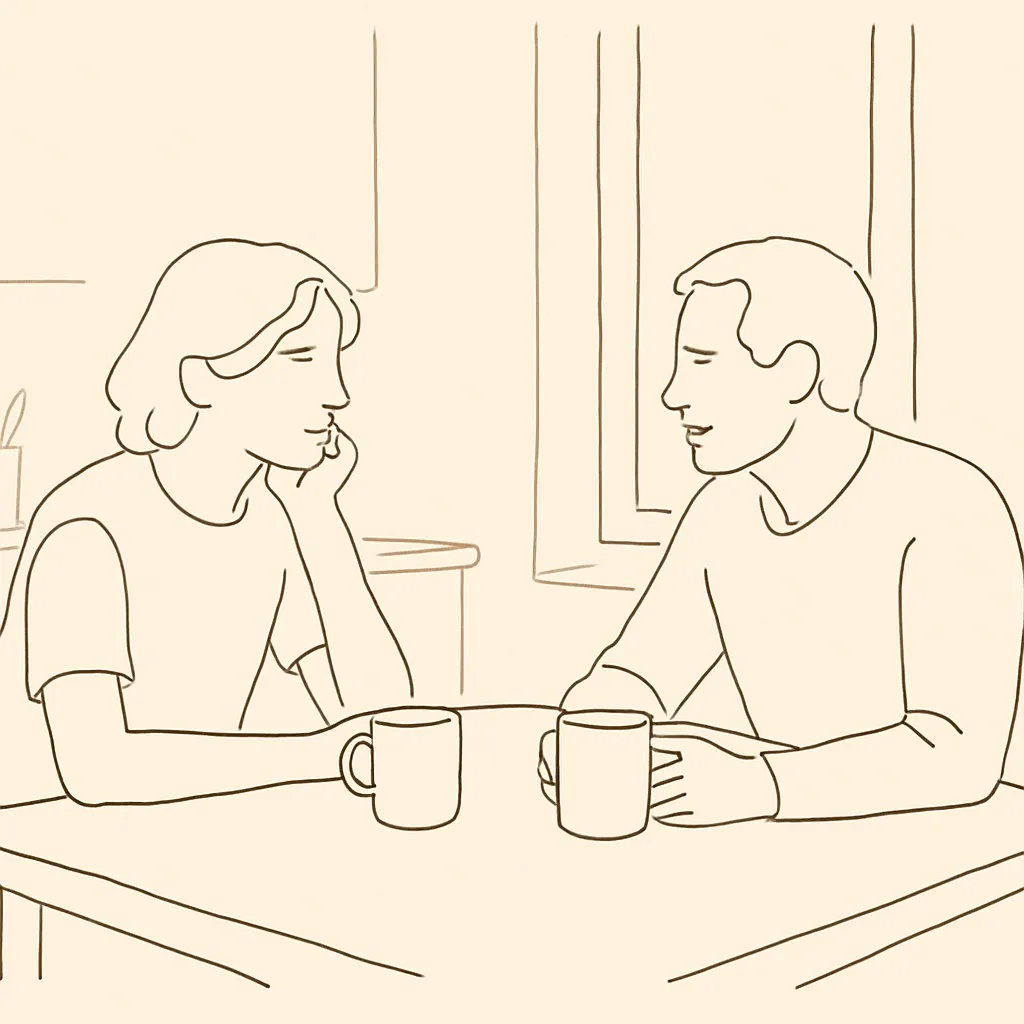 Crisis
“I'm pregnant.” (Or “she's pregnant.”)
The conversation no parent ever fully prepares for. The first ten seconds determine whether the teen makes the decision with you in the room or without you.
-
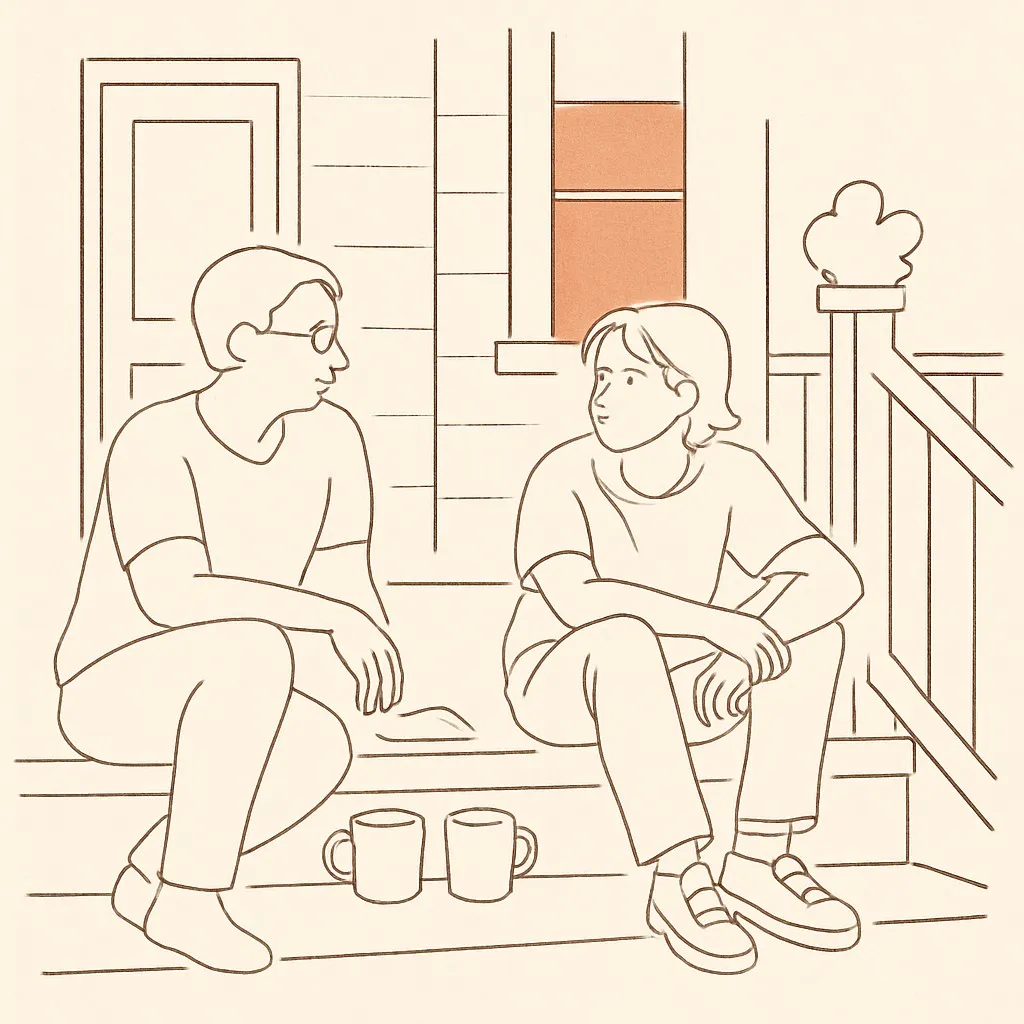 Crisis
“I think Dad / Mom drinks too much.”
The child observing the parent. Often after a years-long pattern they've finally named. The temptation to defend; the work is to honor the observation.
-
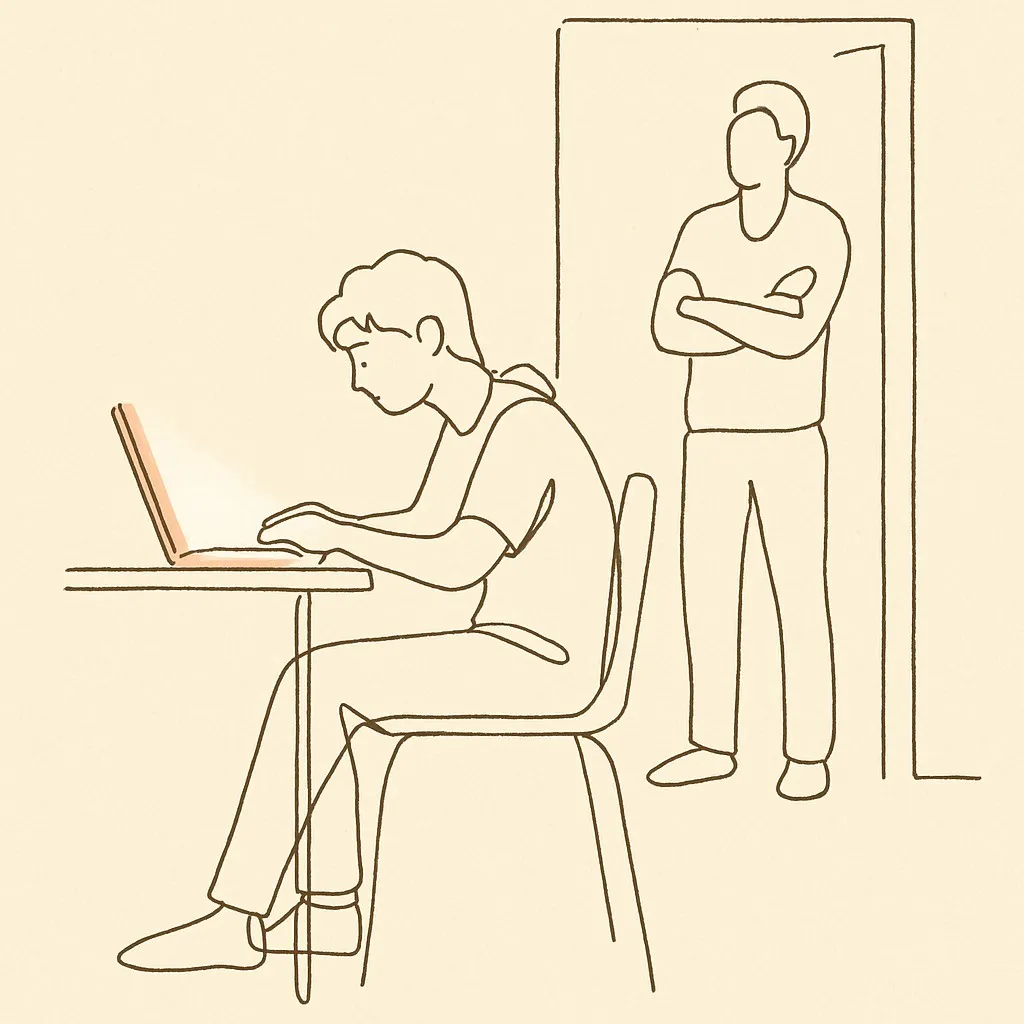 Crisis
“I have feelings for someone older I met online.”
The disclosure that pings every grooming-detection alarm in your nervous system. Whether the disclosure leads to safety depends entirely on whether you respond with curiosity or alarm.
-
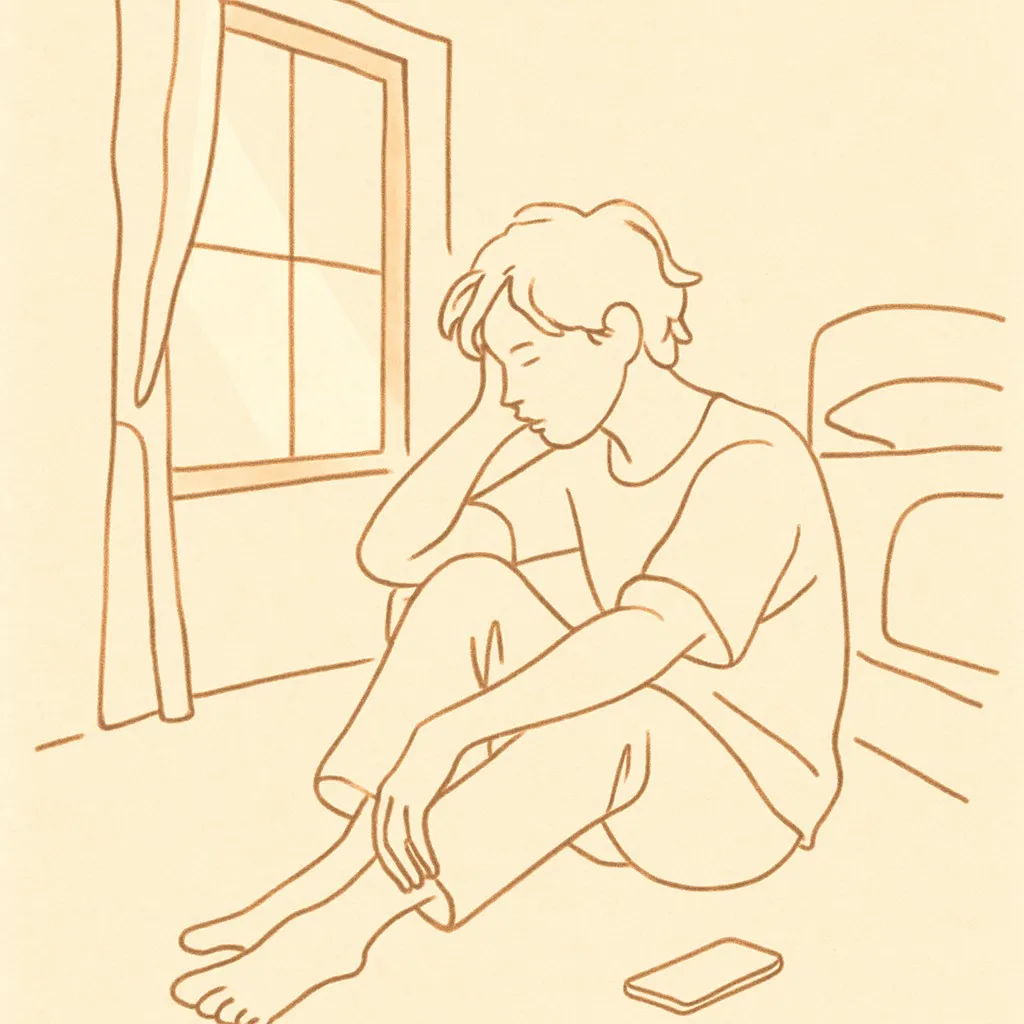 Crisis
“Someone leaked my photo.”
The photo could be PG and embarrassing, or it could be intimate. Either way, the first parent response is whether to lead with anger or with the practical 'what do we do.' The second works.
-
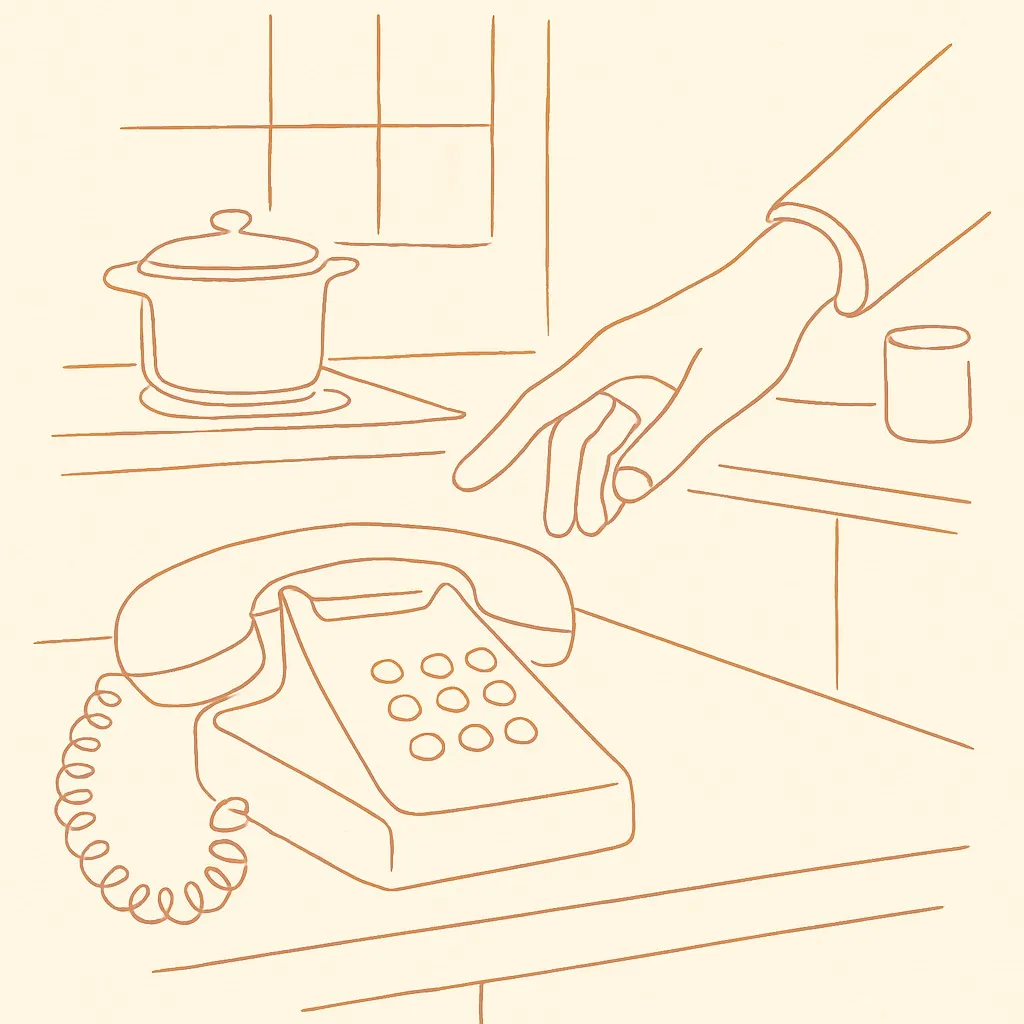 Crisis
“I crashed the car.”
The call no parent wants. Phone rings, “Mom, don't be mad…” The first response is whether they call you next time or call someone else.
-
 Crisis
“My friend told me their parent hit them.”
The disclosure inside a disclosure. The friend told your teen in confidence; now your teen is telling you. The path forward respects both relationships and gets the friend help.
-
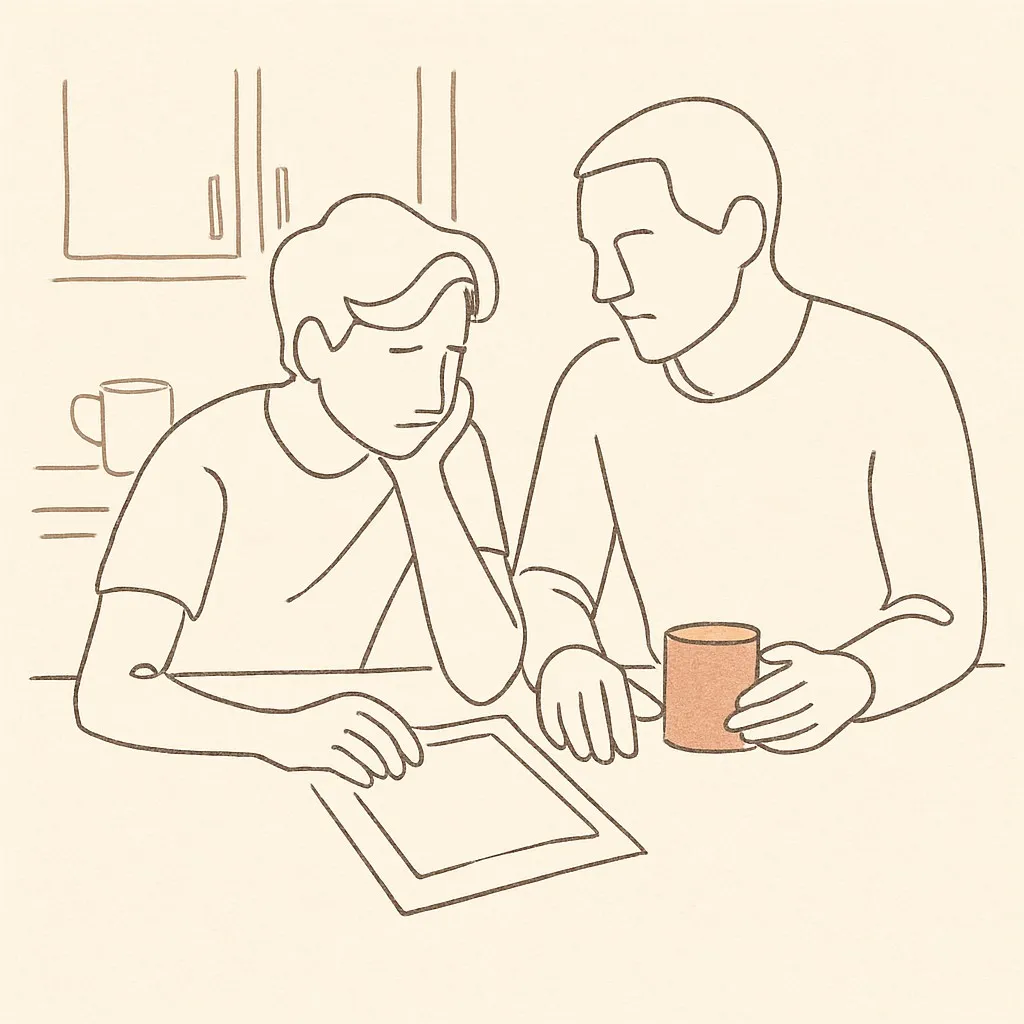 Everyday
“Can I get a job?”
Often arrives with no concept of what 'a job' actually involves — and that's fine. The conversation about work, money, and time is the gift; the job itself is the laboratory.
-
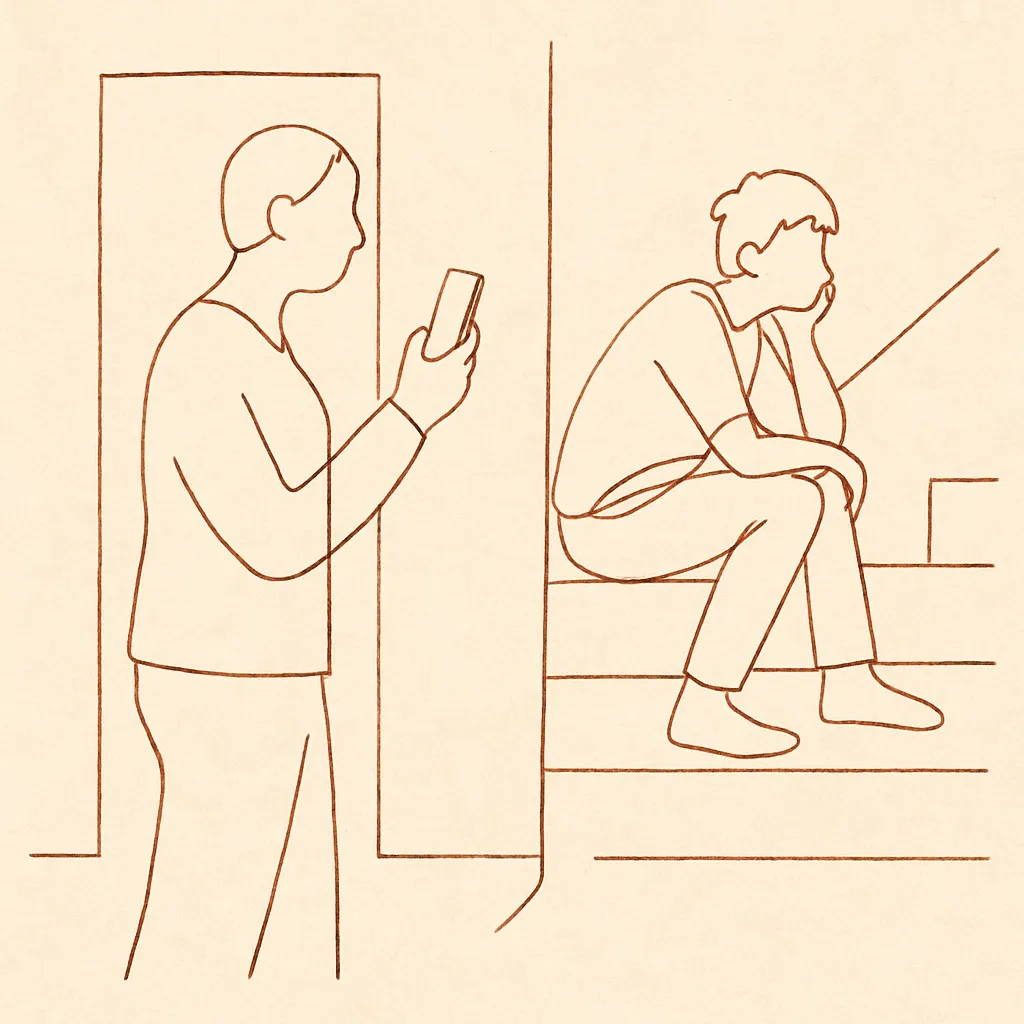 Heated
“Why are you whispering on the phone?”
The teen catches the parent in a secret. Could be a surprise party, could be a serious family thing. The answer the teen remembers is whether you lied or were honest about not telling.
-
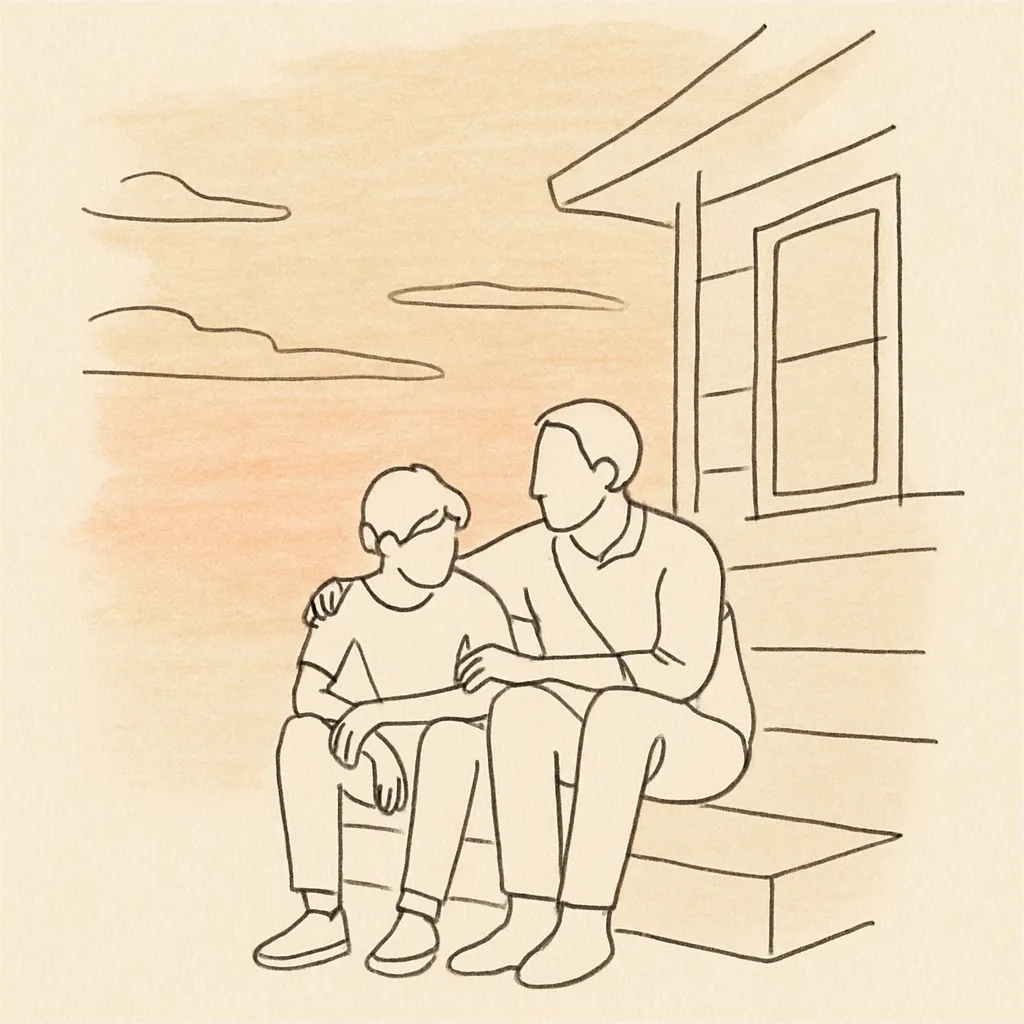 Heated
“I have a crush on my best friend.”
One of the most painful adolescent confessions. The parent's reflex is to advise; the gift is to listen.
-
 Heated
“People are saying stuff about me online.”
The casual mention of the school anonymous-gossip account, the Snapchat story, the TikTok comment pile-on. The pretend-it's-no-big-deal tone is itself information.
-
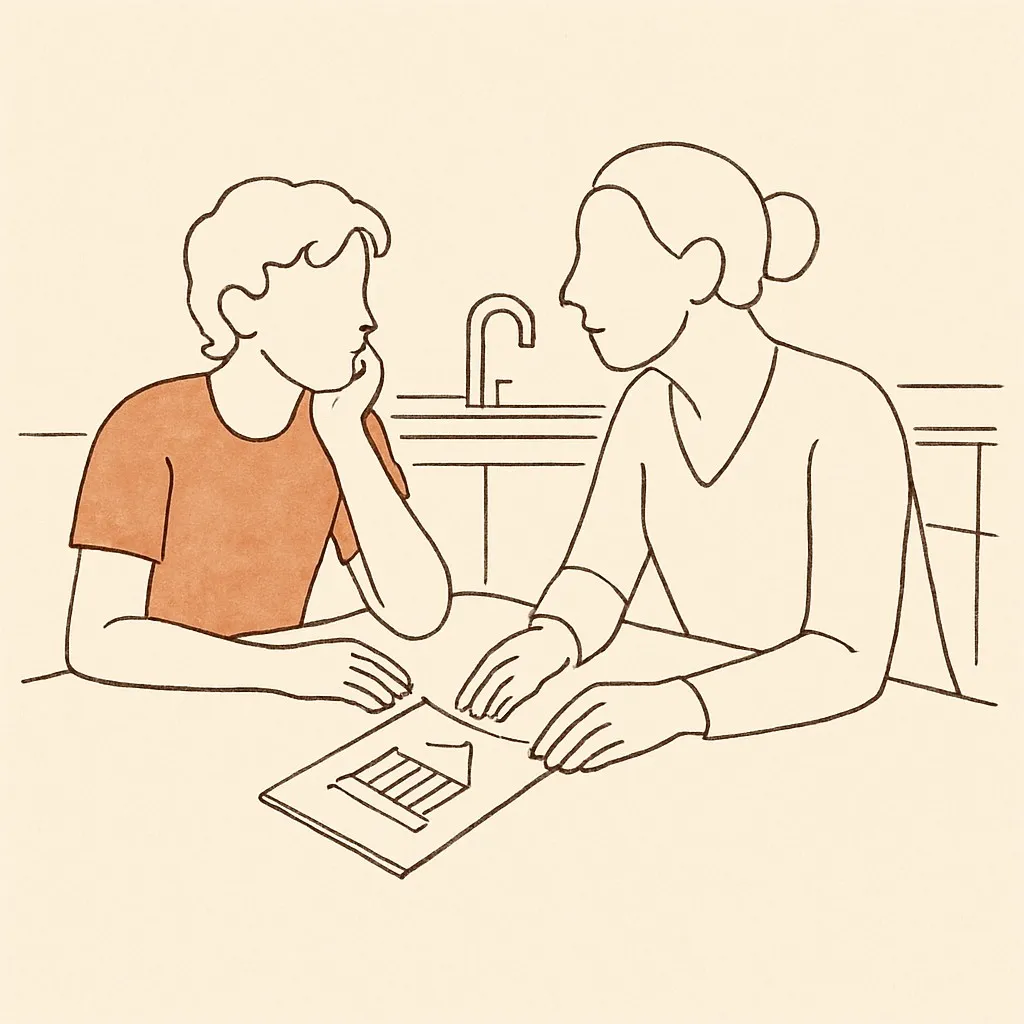 Heated
“I want to take a gap year.”
Senior-year ask, sometimes a real plan, sometimes a stall. The conversation about WHY is more important than the conversation about WHETHER.
-
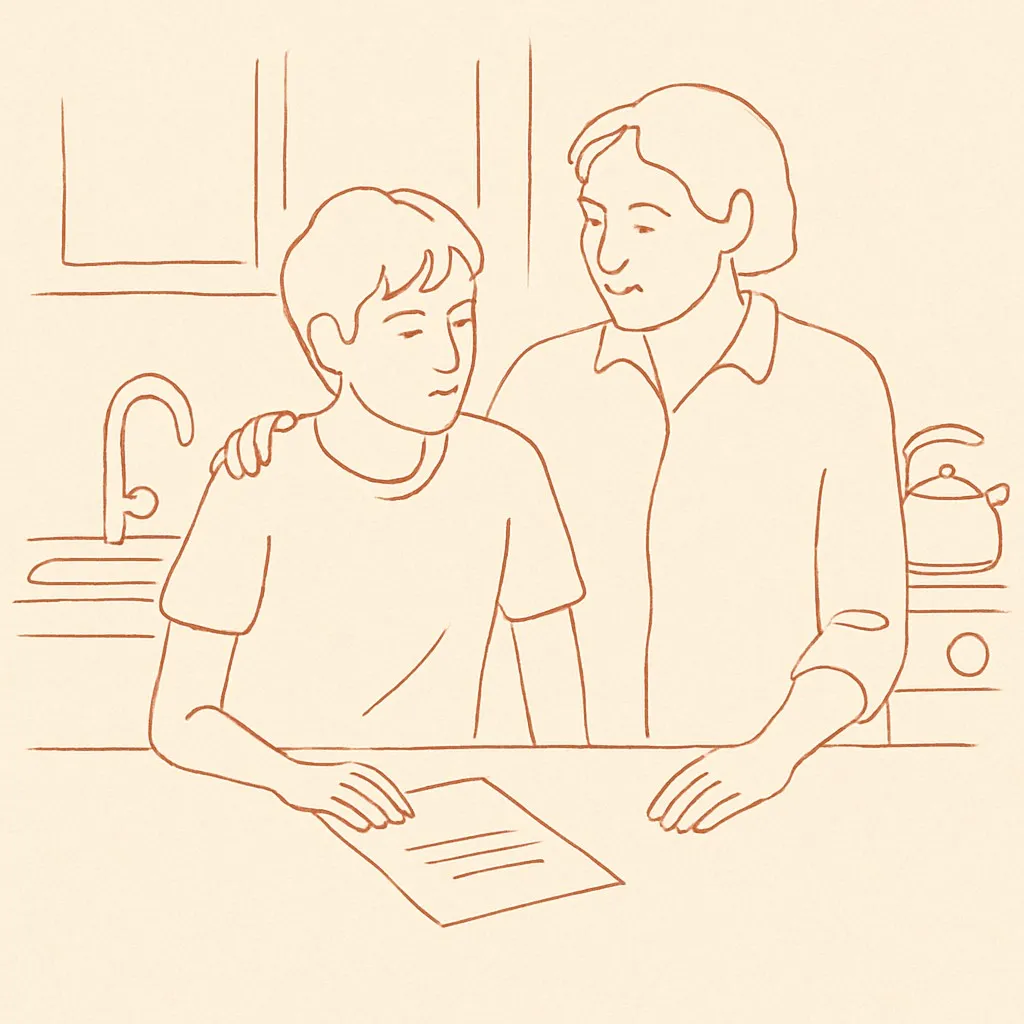 Crisis
“I got suspended.”
The call from the school, the discipline letter, the suddenly-empty afternoon. The first parent move shapes whether the suspension becomes a turning point or a deepening spiral.
-
 Crisis
“I think I might be trans.”
Among the most-stigmatized parent-teen conversations in 2026 America. The first response sets the trajectory of the next ten years, regardless of where the gender exploration ends up.
-
 Everyday
“Can I have a debit card?”
The first-money-tool ask. Often arrives at 13–14. The conversation about how money actually works is the actual gift — the card is just the interface.
-
 Heated
“I've been talking to an AI a lot.”
Character.AI, Replika, ChatGPT-as-friend. The 2026 conversation parents weren't braced for. Often a sign of loneliness, sometimes just curiosity, increasingly a real attachment risk.
-
 Heated
“I want to quit therapy.”
Different from “the therapist isn't working” — this is wanting OUT of the process, not a mismatch. Sometimes the right call, often the moment therapy is starting to do something. Worth investigating.
-
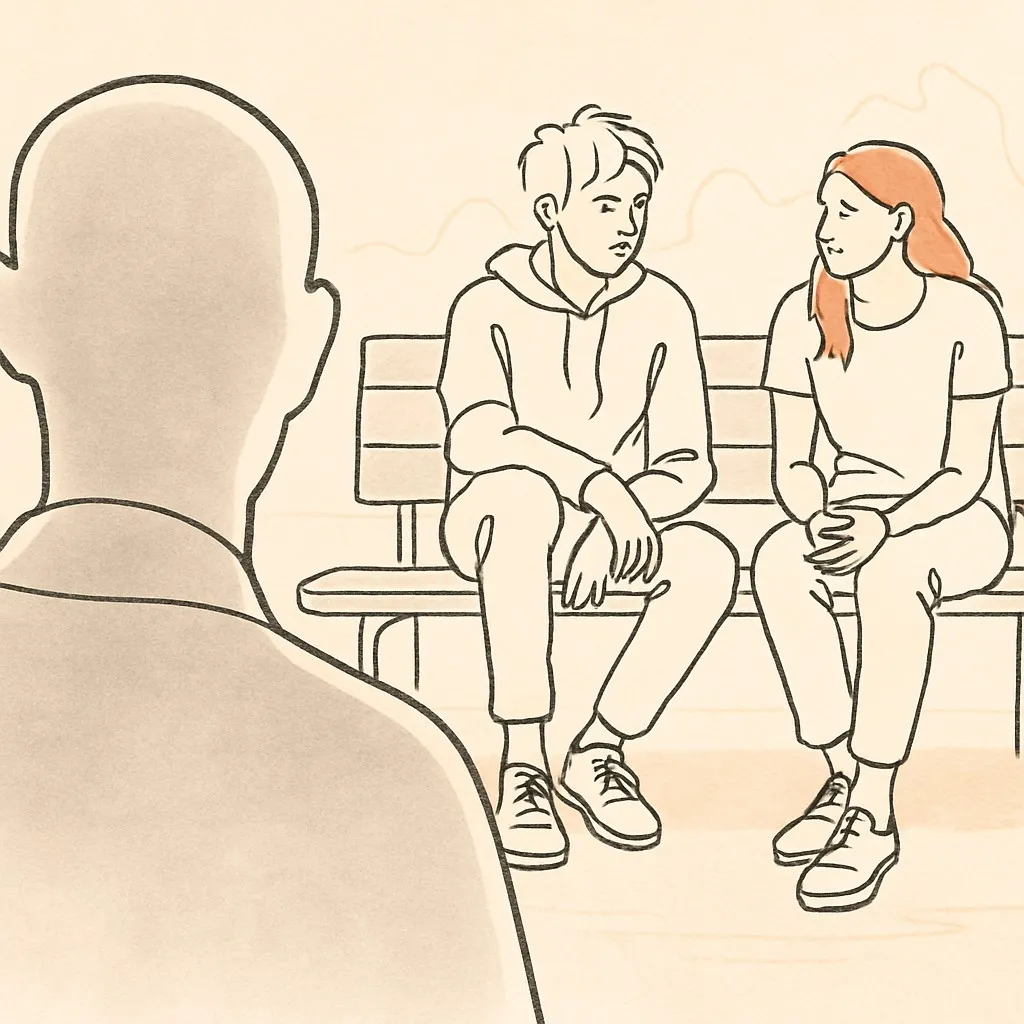 Heated
“I'm worried about my friend.”
Could be eating, drinking, mental health, abuse, anything. The teen brought it to you because they're carrying weight that's too heavy. Match the gravity without taking it away from them.
-
 Heated
“I saw something weird at my friend's house.”
Vague disclosure that means a wide range — could be a fight, a drug, sexual content, a weapon, neglect. The vagueness is data; the casual ask gets the real answer.
-
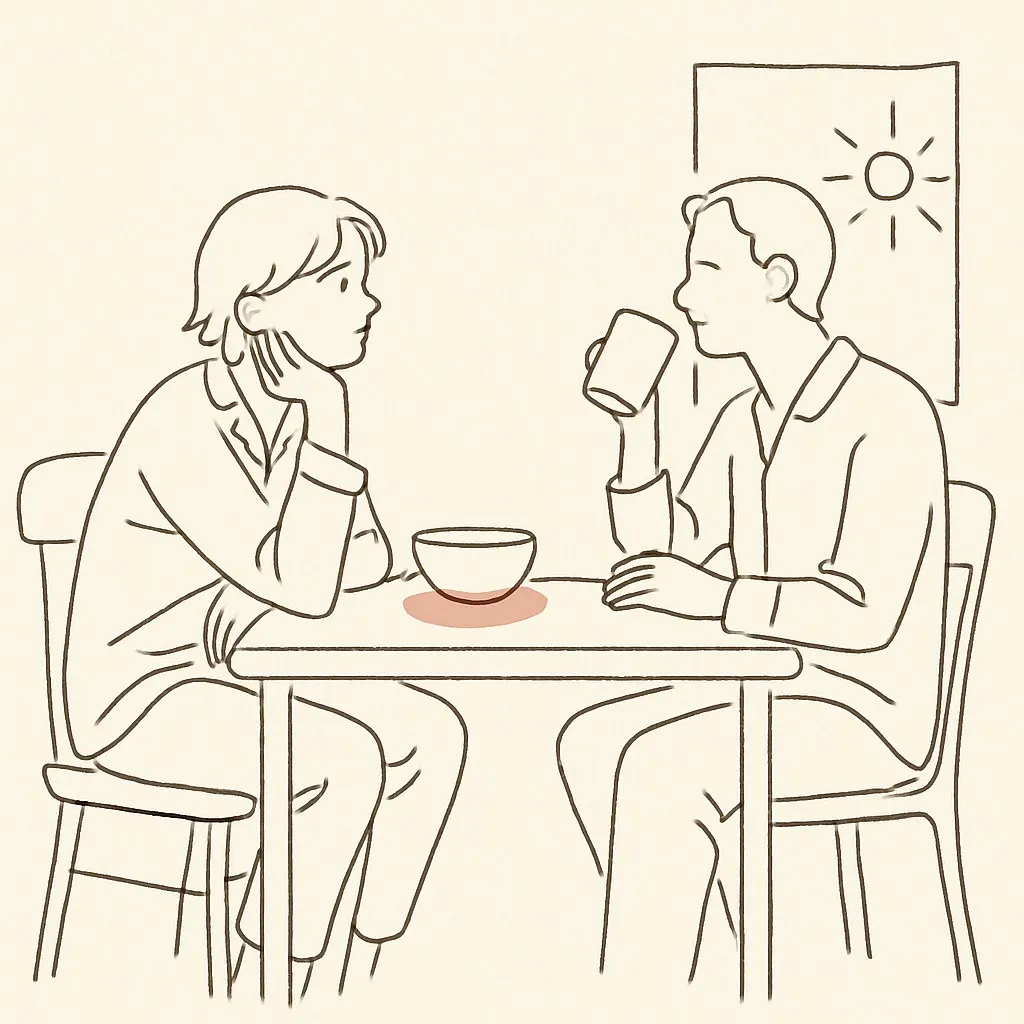 Heated
“I snuck out last night.”
The confession the morning after. Or the disclosure when they're caught walking back at 2am. The right first move is to find out where they went before deciding the consequence.
-
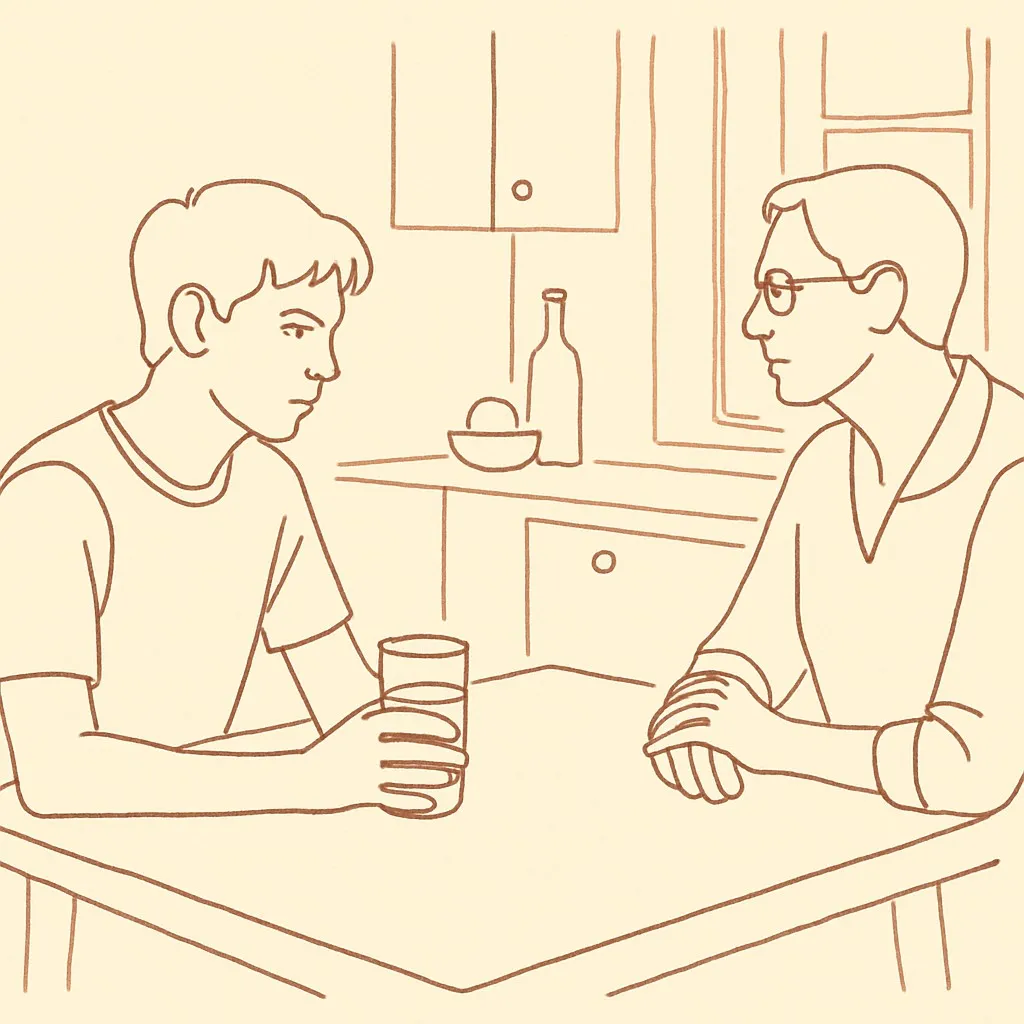 Heated
“I came home drunk last night.”
The confession the morning after. Or the parent catches them mid-stumble. Calm first, lecture later — or the next time they don't come home at all.
-
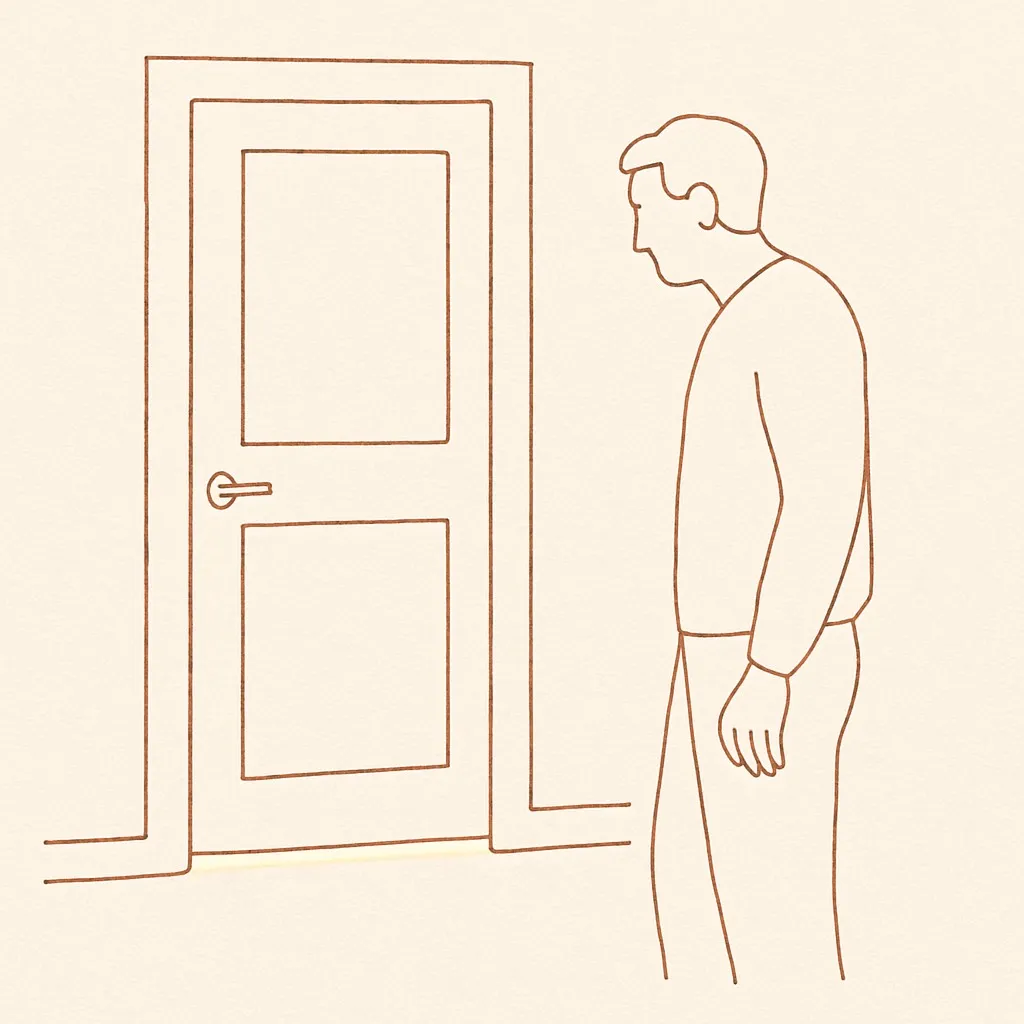 Heated
“…oh.” (You walked in. They were watching porn.)
One of the most-dreaded parent moments and one of the most-mishandled. Long-term, your reaction is more formative than the porn was.
-
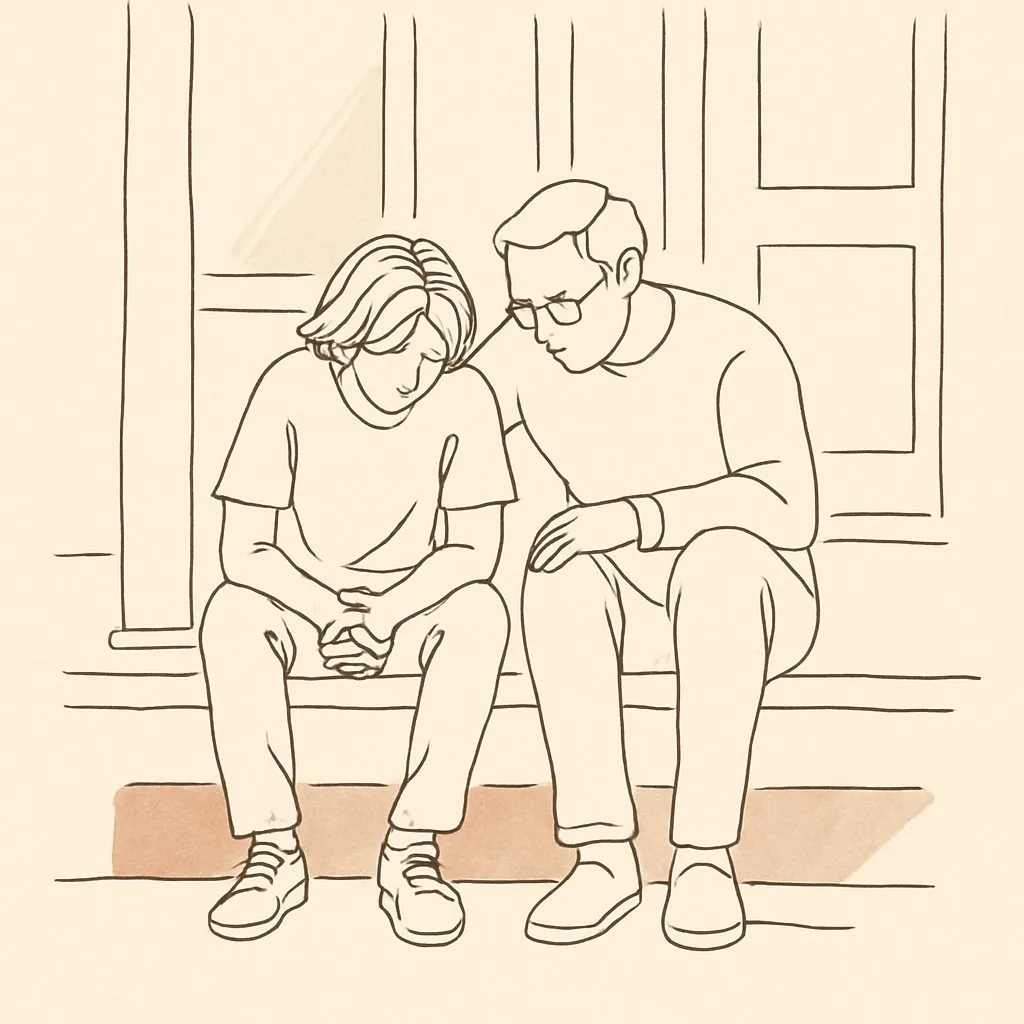 Heated
“I stole something from a store.”
The confession of a small theft, usually after the fact, usually carrying real guilt. The reflex to lecture; the work is to surface the WHY.
-
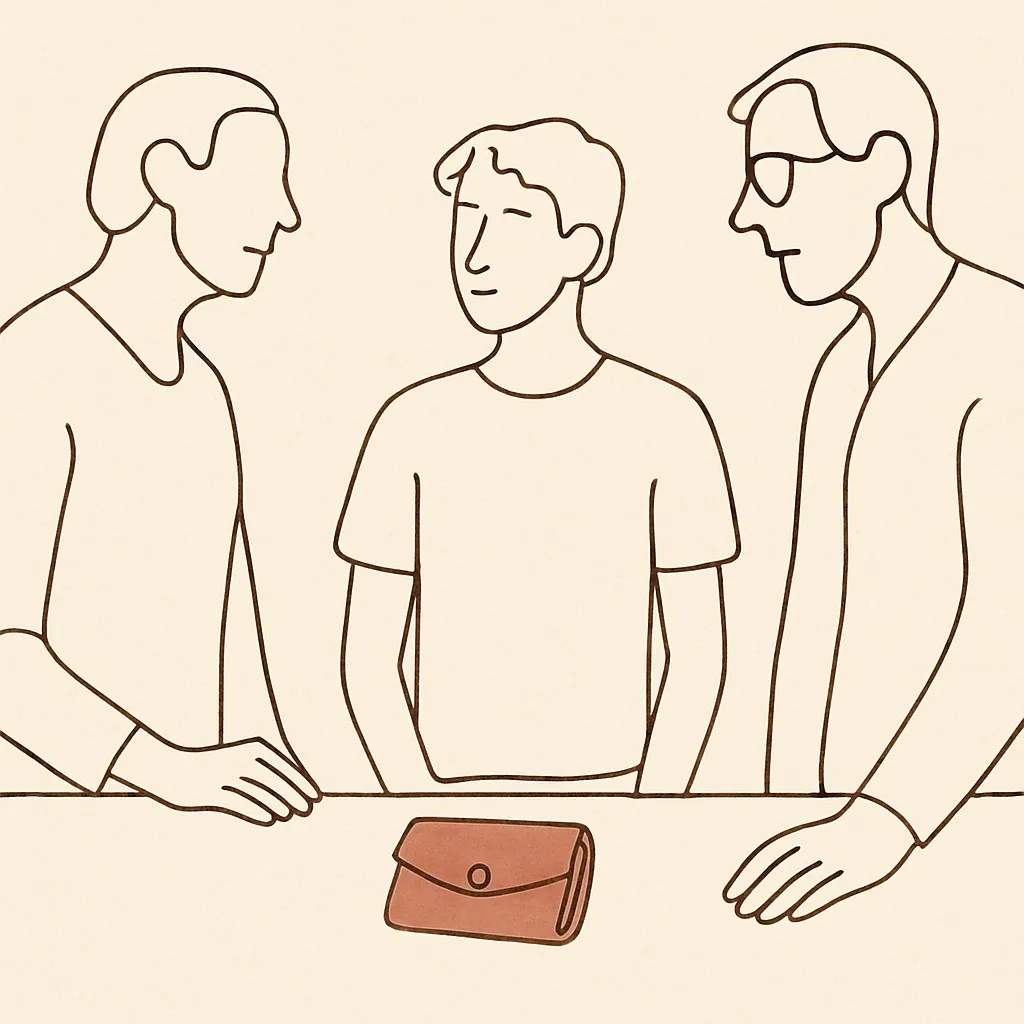 Everyday
“Did you take money from my wallet?”
Sometimes confronting the teen, sometimes vice versa. Honest answer is the only repair; defensive answer destroys it.
-
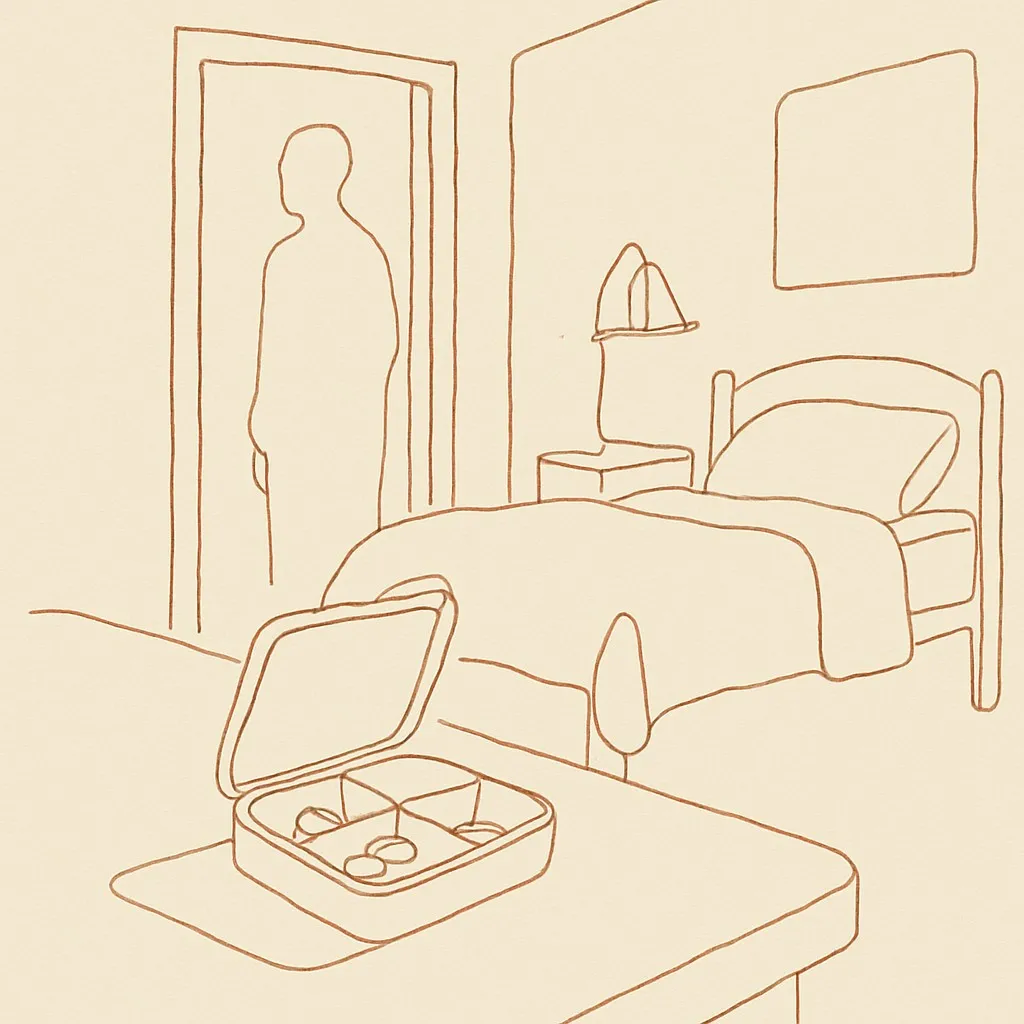 Crisis
Parent: “I found something in your room.”
Parent-initiated, not teen-initiated. Walking into a hard conversation with the wrong opening makes the rest of it impossible.
-
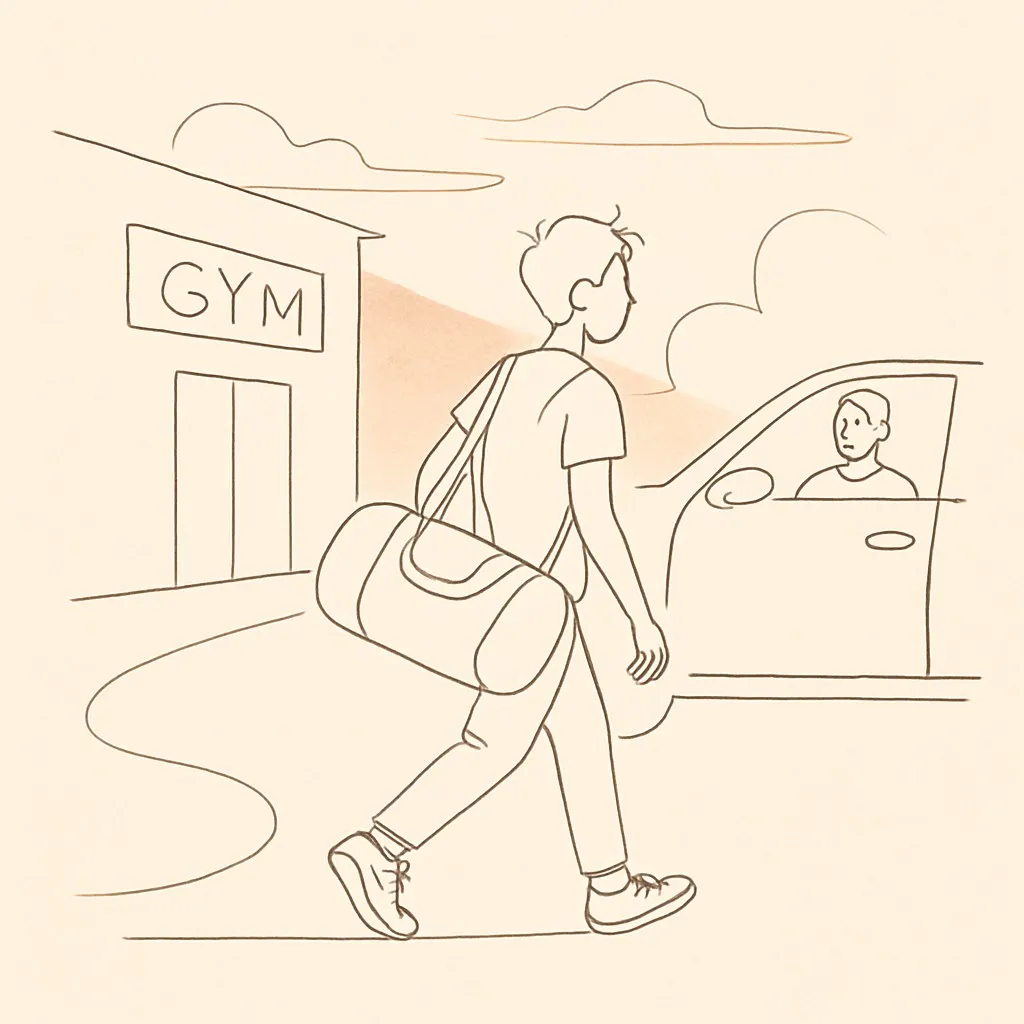 Crisis
“My coach yells at us in a way that doesn't feel okay.”
The blurry zone between hard coaching and verbal abuse. The teen's gut is the data; the parent's job is to honor it and to know when to act.
-
 Everyday
“I got my period.”
The first time. Should be matter-of-fact. Often isn't, because parents reach for either too-much-ceremony or too-fast-change-the-subject. Aim for neither.
-
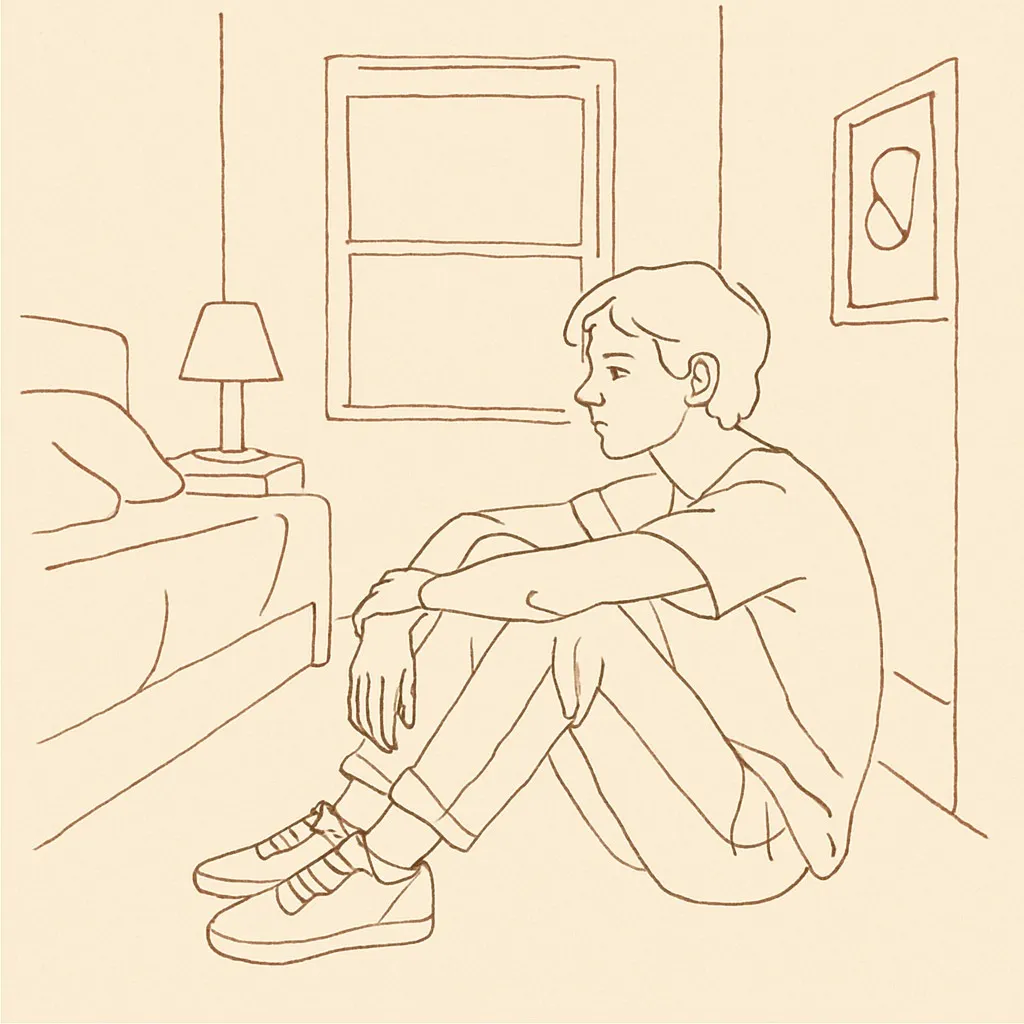 Crisis
“I just feel numb.”
Different from sadness. The flat, can't-feel-anything state. Often a depression signal, often missed. Doesn't sound like a crisis, often is one.
-
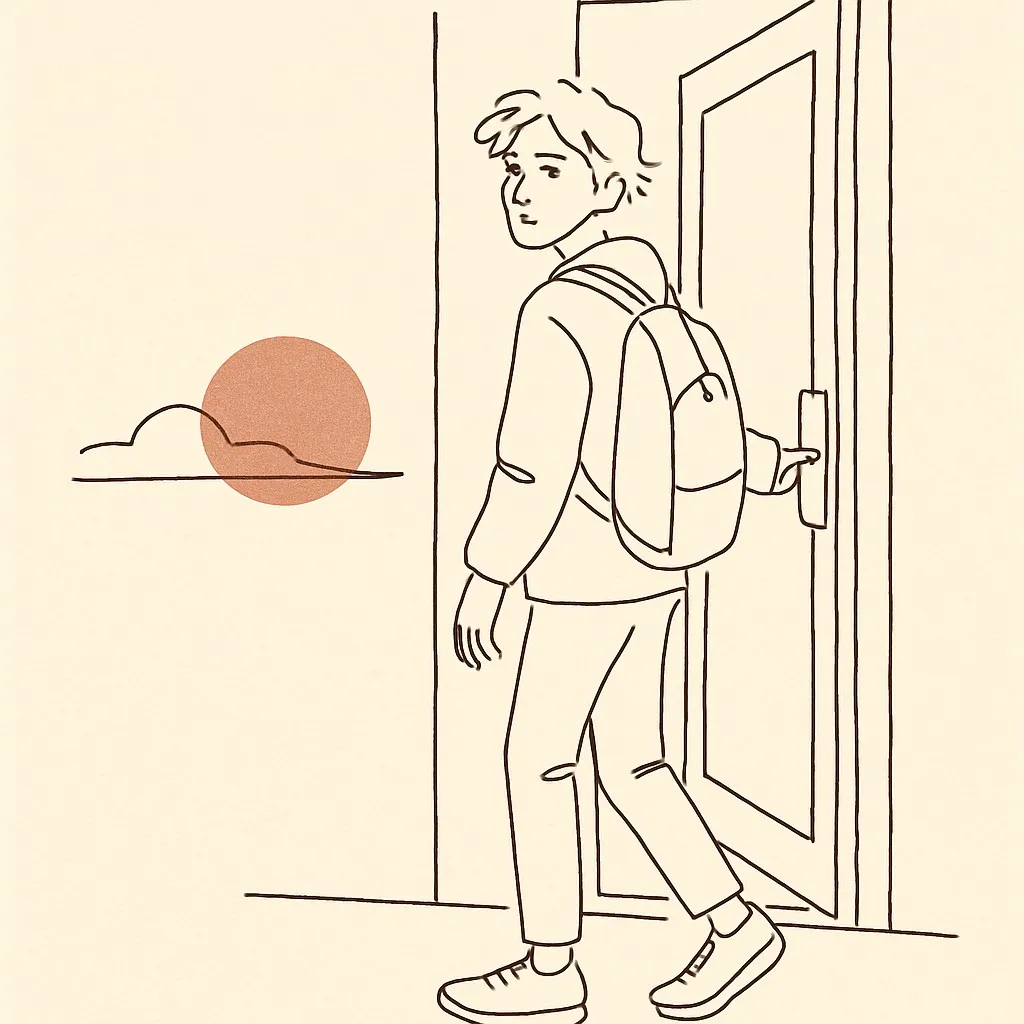 Crisis
“I think someone followed me home.”
The safety scare that may or may not be real. Either way, take it seriously without dialing the panic up — your reaction tells them whether to bring you the next scare or not.
-
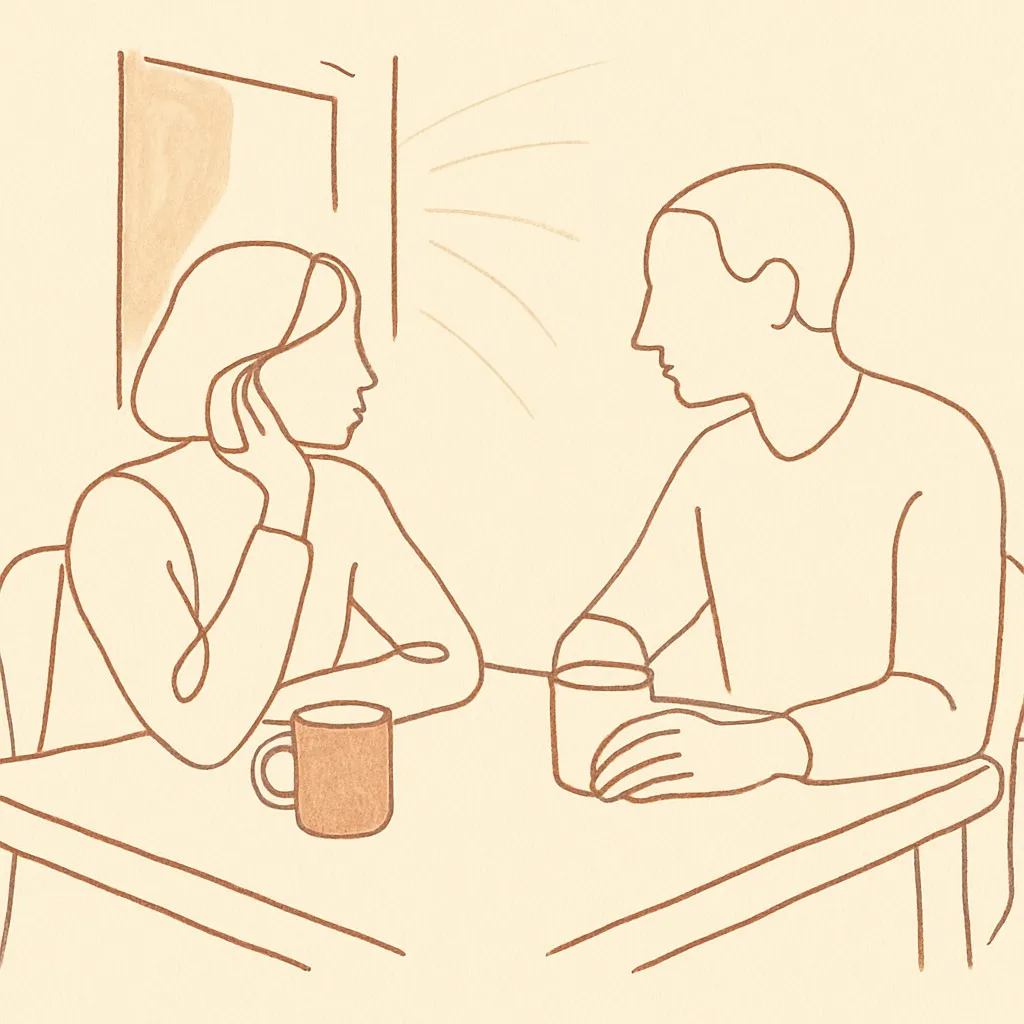 Crisis
Parent: “I need to tell you something. Dad is sick.”
Parent-initiated disclosure of a parent's illness. The hardest version of the “honest answer” conversation. Underdramatize; overinclude.
-
 Crisis
Parent: “Grandma died.”
The first big death, often. The reflex to soften; the gift is honesty without flooding. The teen will remember exactly how you told them for the rest of their life.
-
 Heated
“He's gone, isn't he?”
The first death for many children. Whether it's softened with a euphemism or named honestly shapes how they meet death for the rest of their life.
-
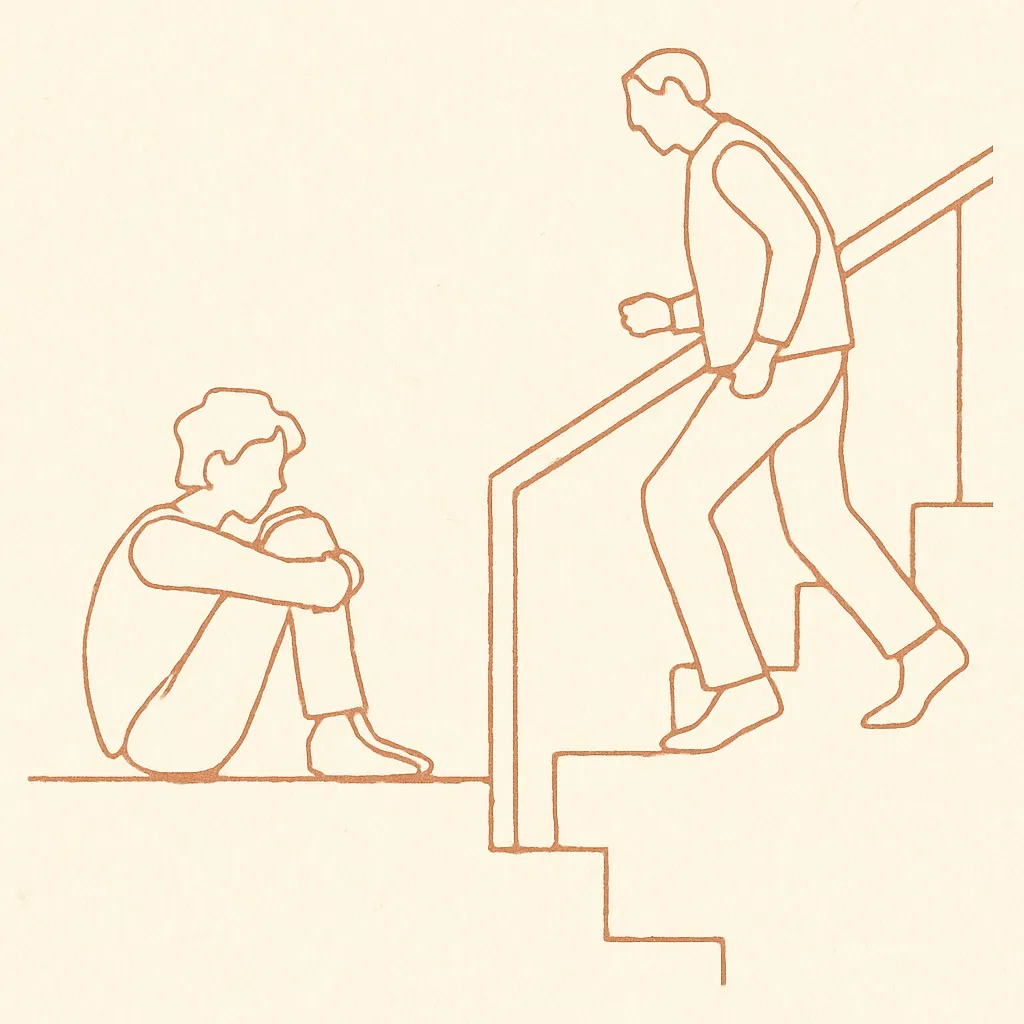 Heated
“You and Dad are fighting a lot.”
Observation. Often delivered carefully, sometimes accusingly. Either way, the lie (“no we're not”) is detectable and corrosive; the honest answer is the only repair.
-
 Heated
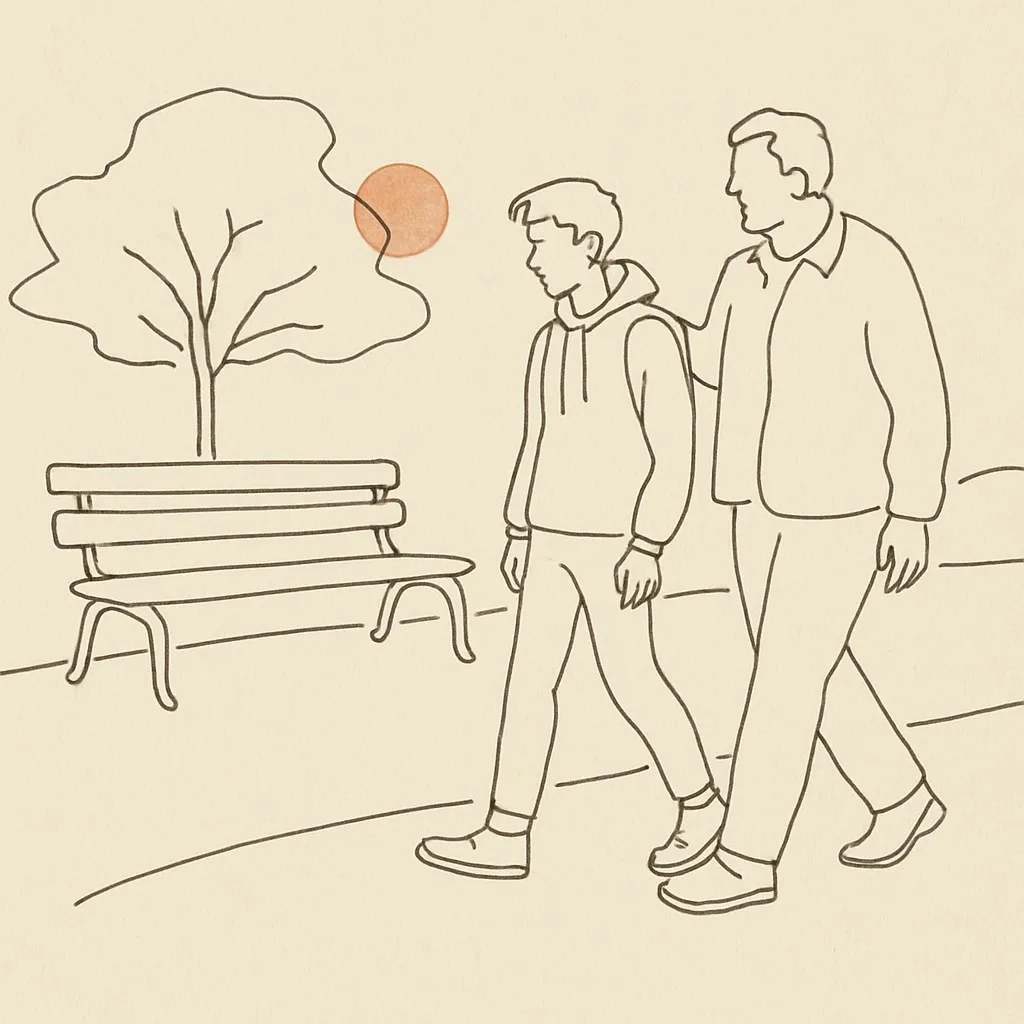
“I want to join the military.”
Career declaration that lands hardest in parents who didn't see it coming. The reflex to argue; the work is to investigate.
-
 Heated
“We had a lockdown drill today.”
Casual mention, often after the third or fourth one of the year. The casualness is the data — they've normalized something nobody should normalize.
-
 Heated
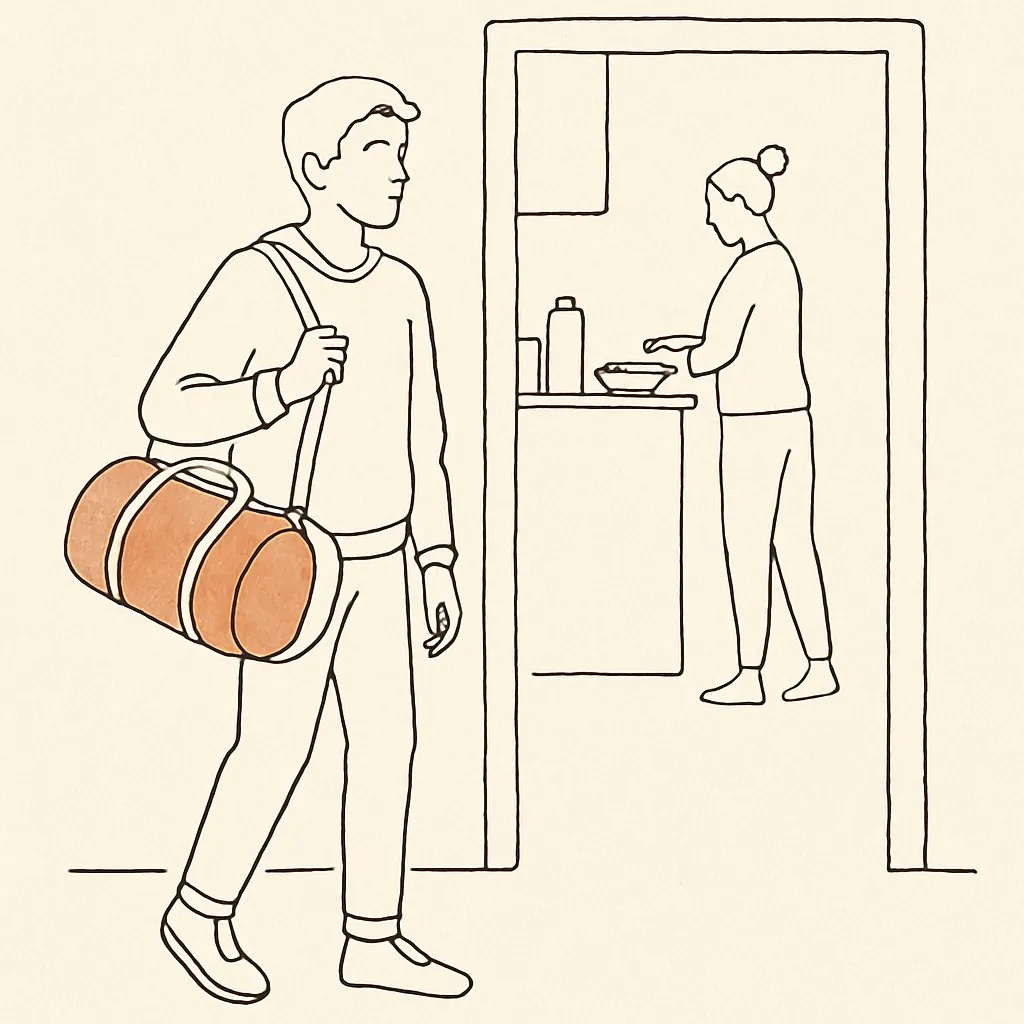
“I want to quit the team mid-season.”
Different from quitting the sport entirely. The mid-season exit comes with social and commitment costs. The conversation is about what's underneath, not whether quitting is allowed.
-
 Heated
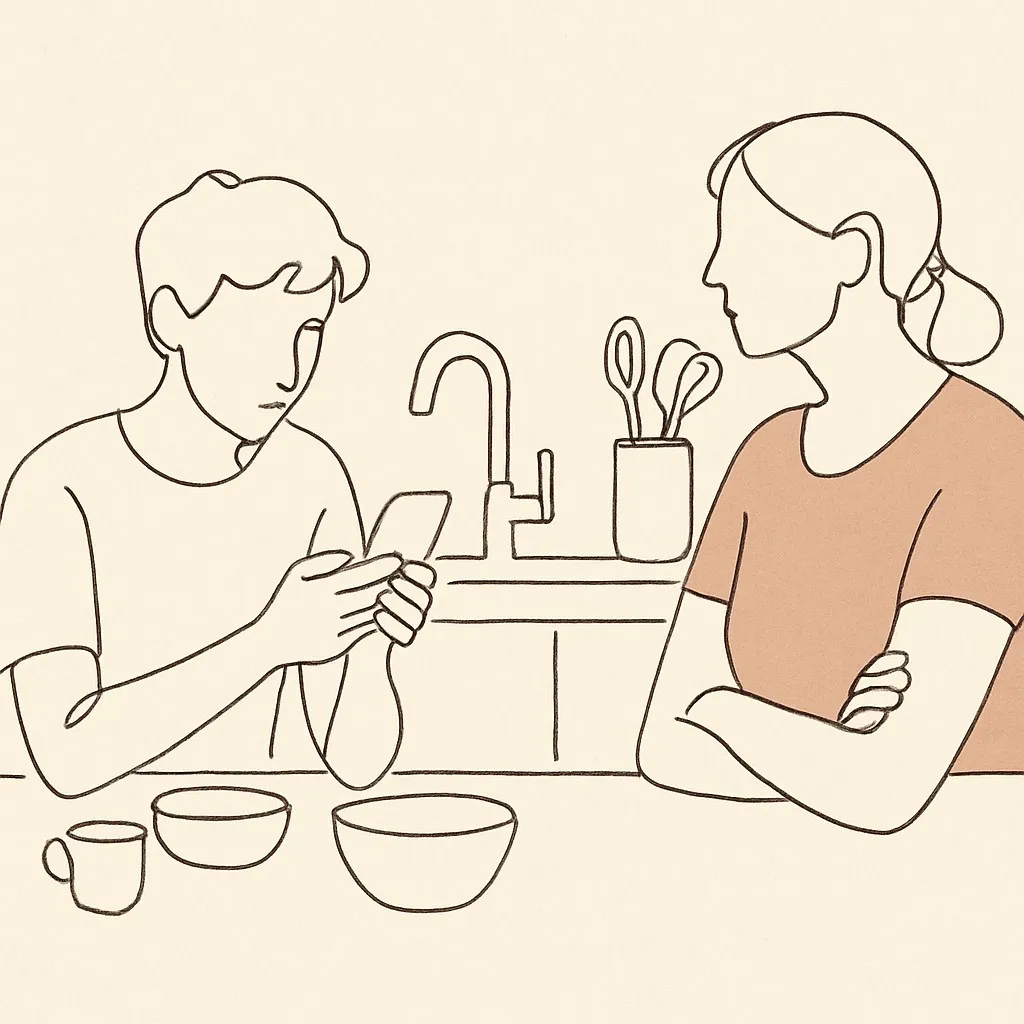
“I'm the only one without an iPhone / [thing].”
The peer-comparison ask, escalated. The actual question is rarely about the device — it's about belonging, with the cost of belonging passed along to you.
-
 Crisis
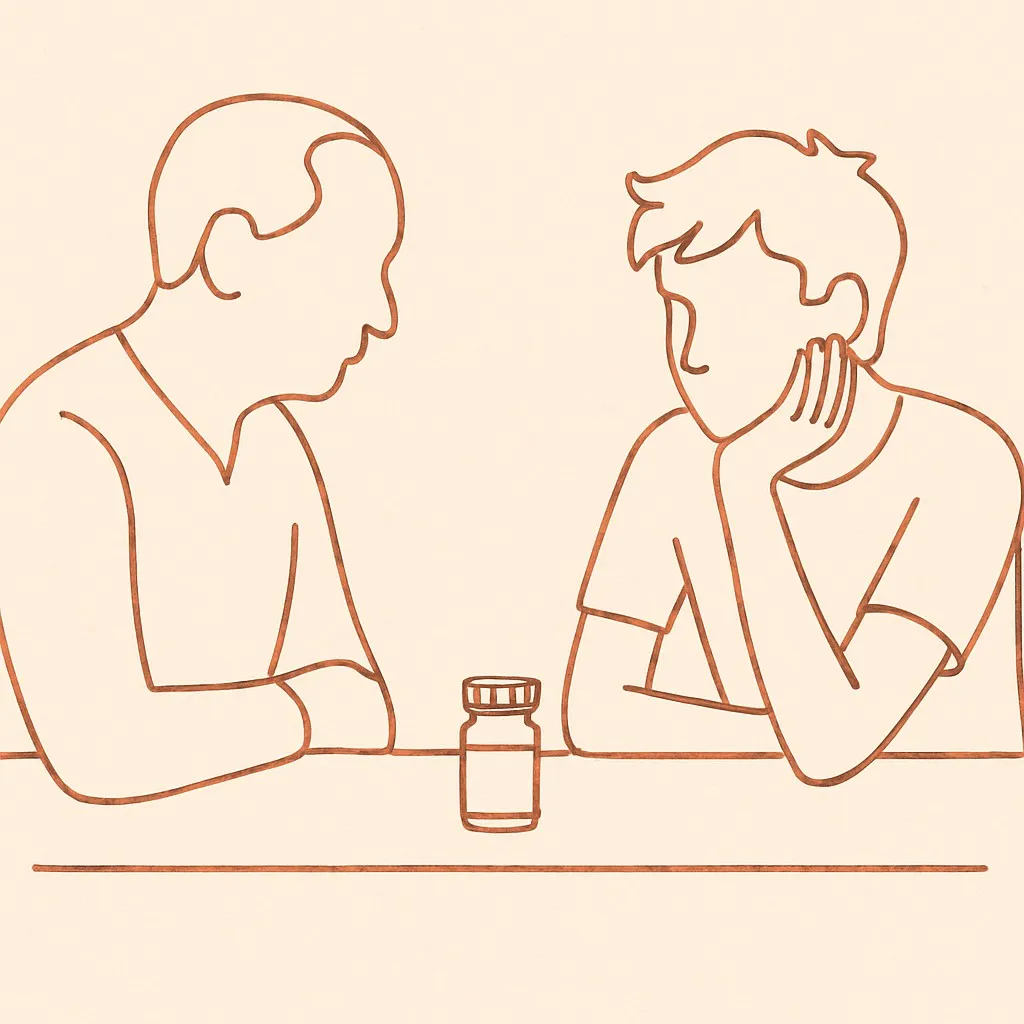
“I don't want to take my meds anymore.”
ADHD stimulants, SSRIs, anxiety meds. The teen feeling fine and wanting to test life without them — or feeling worse and wanting to test life off them. Either way, the conversation is real.
-
 Everyday
“Can I skip school today?”
Sometimes a sick day, sometimes avoidance of something specific, sometimes a quiet mental-health day request. The “no” is easy; the right answer is rarely no.
-
 Heated
“I never told you, but I was bullied in middle school.”
Disclosure of an old hurt, often when the teen is older and safer. The reflex to apologize-or-fix; the gift is to receive without making it about you.
-
 Heated
“What if I fail?”
Big test, big audition, big tryout, big college application. The performance-anxiety night-before question. Lots of parents reach for the wrong reassurance.
-
 Heated
“You love them more than me.”
Sibling jealousy in its purest form. Always partially untrue, sometimes partially true, always worth taking at face value.
-
 Everyday
“I need a bigger allowance.”
Sometimes a real cost-of-living-as-a-teen ask; sometimes opening of a negotiation about money mastery. The conversation is the gift, even when the answer is no.
-
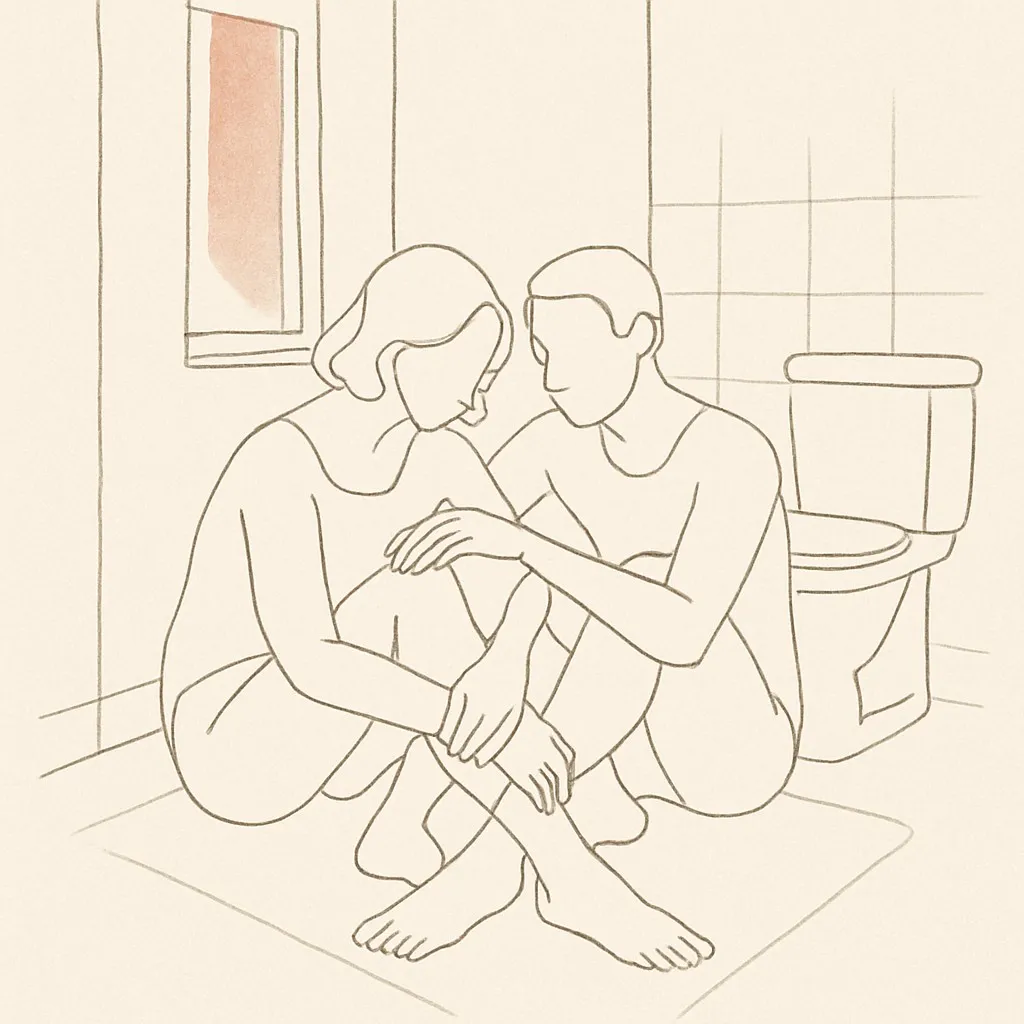 Crisis
“I think I might be pregnant.”
The scare phase — before any test. Could be a misread cycle, could be real. Either way the parent's response in the first 30 seconds determines whether the next confession happens at all.
-
 Crisis
“Sometimes I think about not being here.”
The hardest sentence a parent will ever hear. The first response is the one that determines whether your teen lives. There is exactly one right move set. Read carefully; rehearse.
-
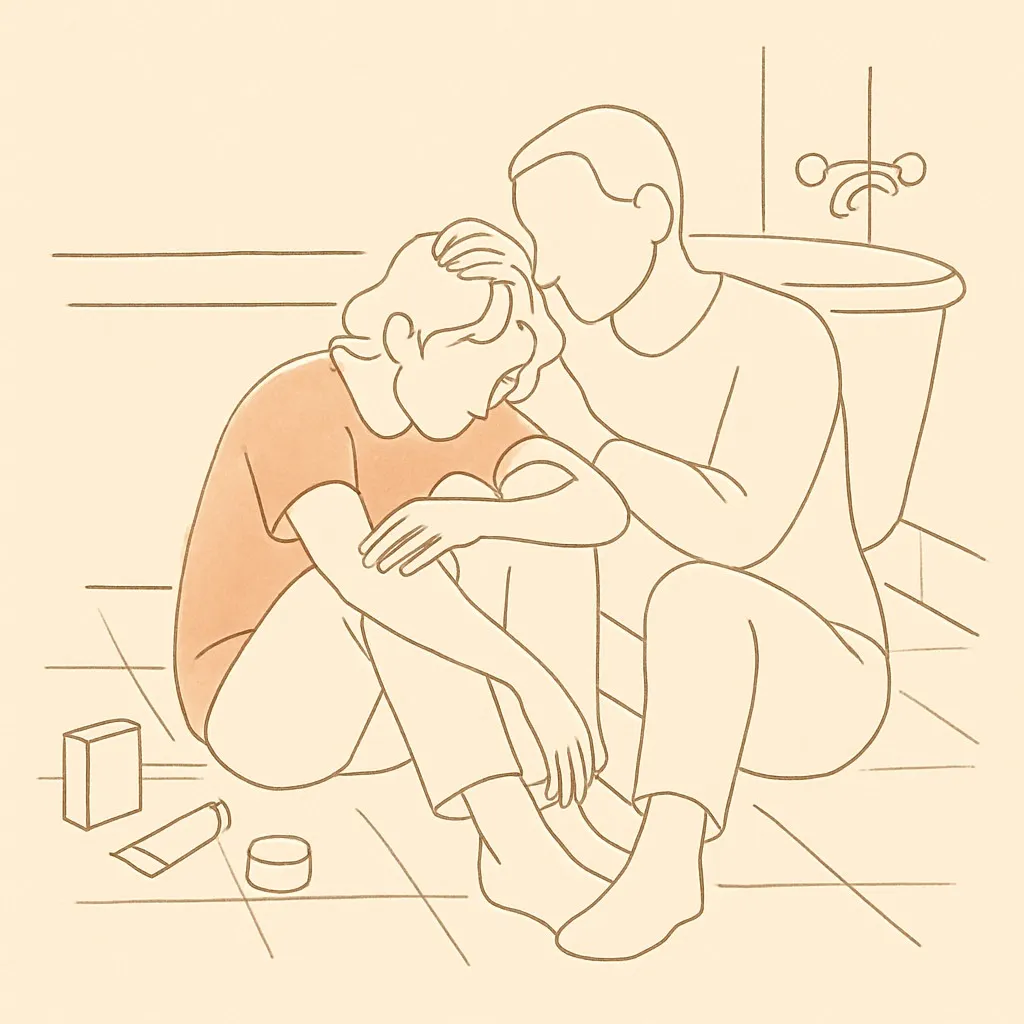 Crisis
“I did it again tonight.”
Present-tense self-harm disclosure, not a confession from weeks ago. Acute. The first move shapes whether the teen treats you as safe person or as another reason to hide.
-
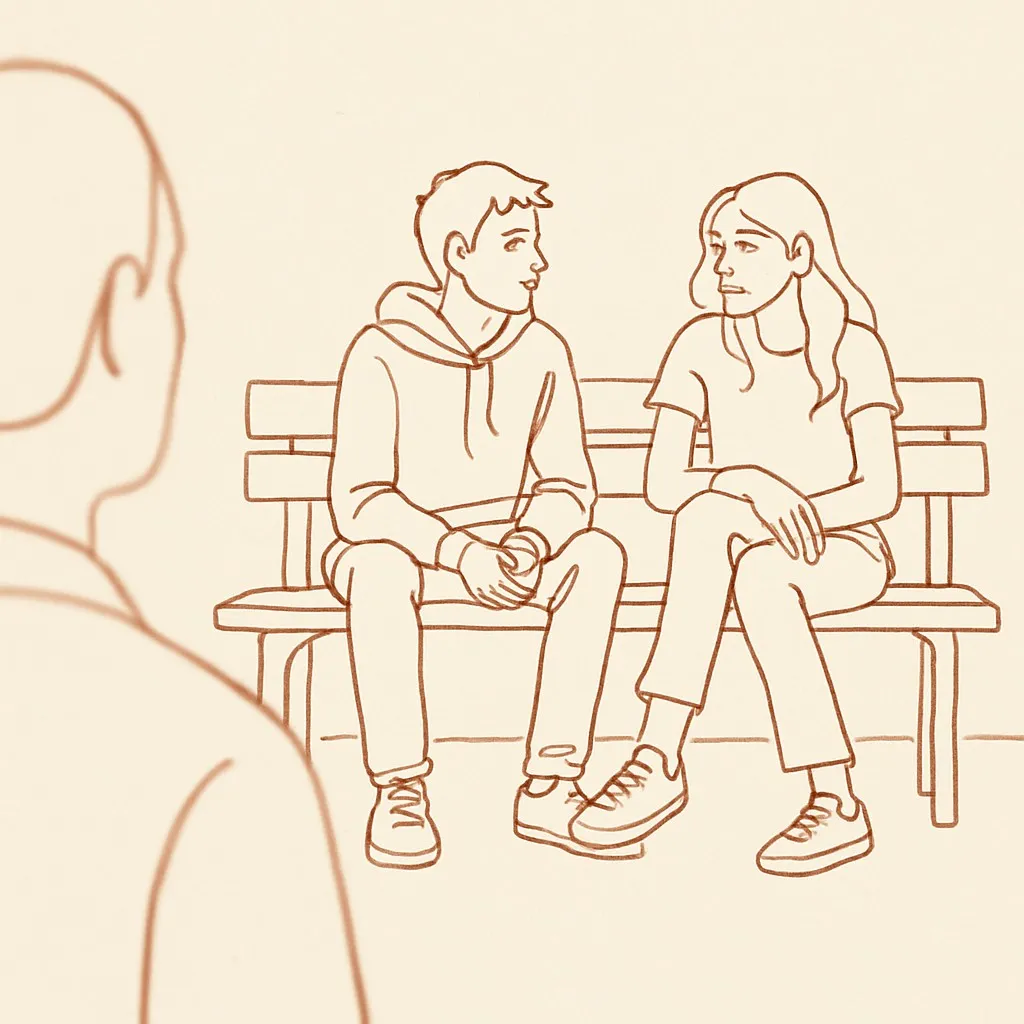 Crisis
“I think my friend might kill themselves.”
The peer-suicide-risk disclosure. The teen brought it to you because they're carrying weight that is now too heavy. Take it more seriously than the words suggest.
-
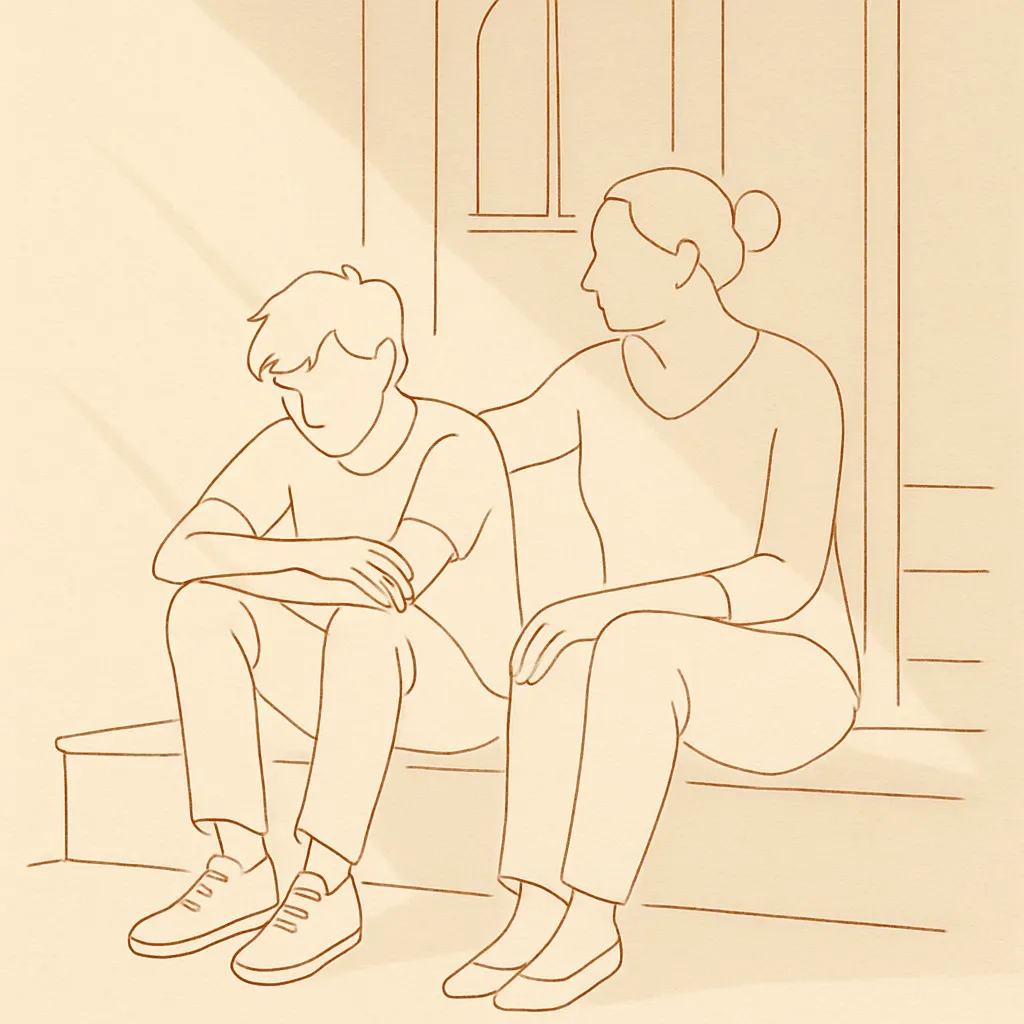 Crisis
“Someone died at school.”
A classmate, a teacher, sometimes a recent graduate. The first death of someone in the teen's daily orbit. Underdramatize the practical, honor the grief.
-
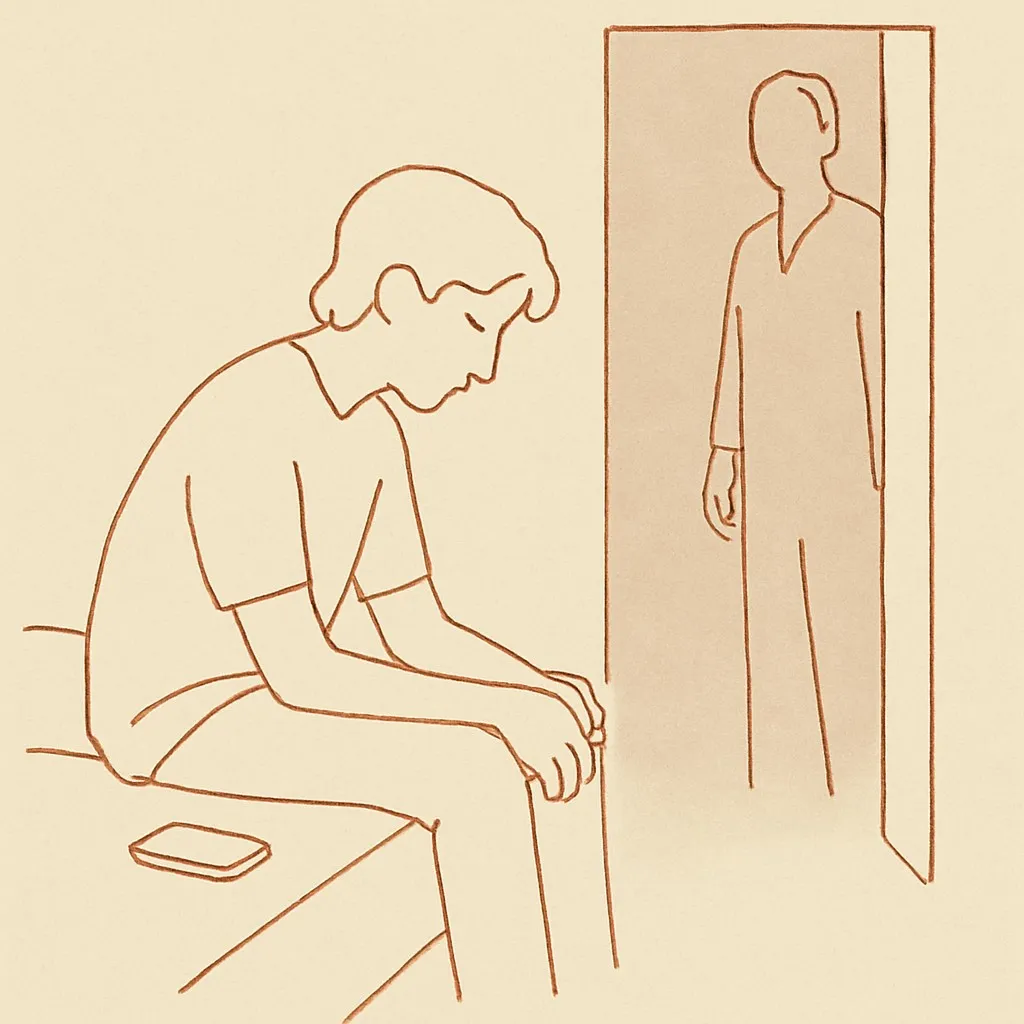 Crisis
“Someone is trying to blackmail me.”
Sextortion, image-based extortion, financial demands. The teen brought it to you because they don't know what else to do. Calm, fast, decisive.
-
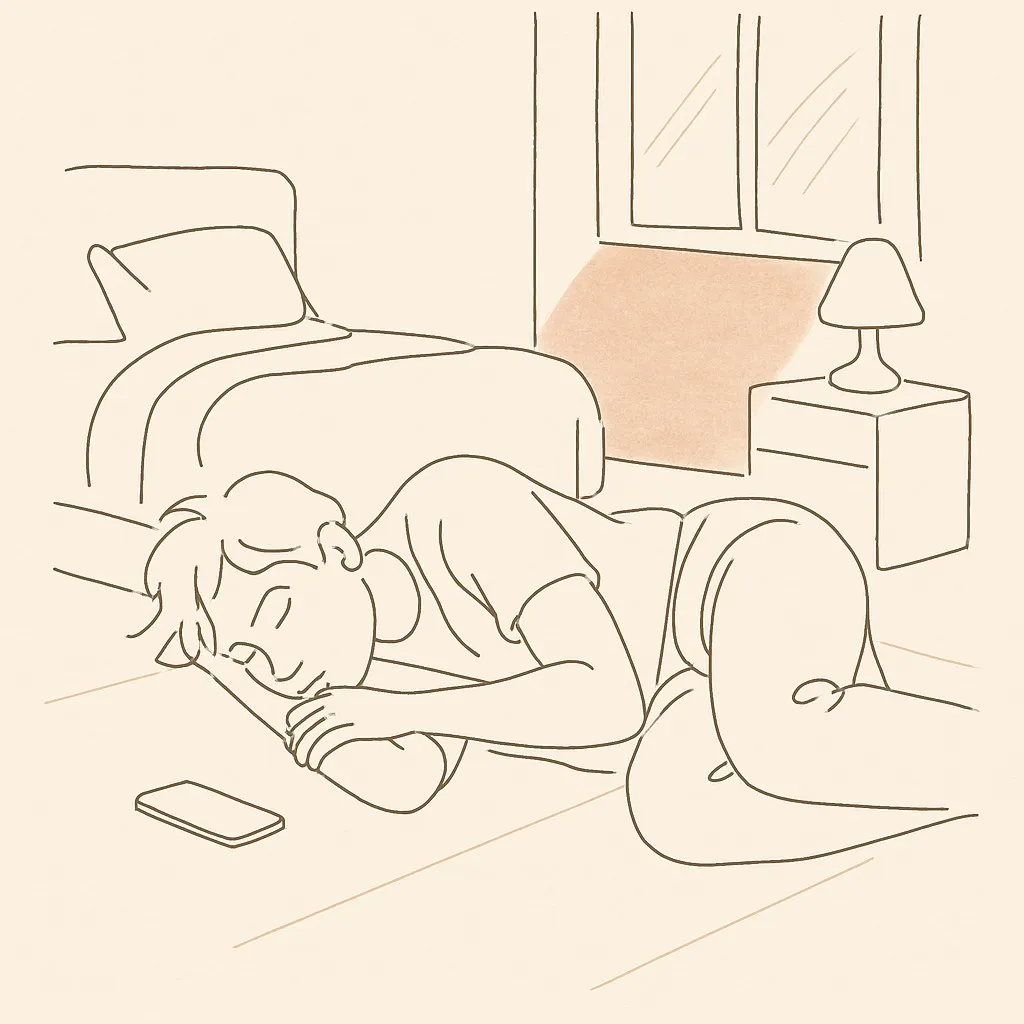 Crisis
“I was cancelled.”
Viral school-level pile-on. Could be days, could be weeks. The teen's universe is small and the platform makes it feel infinite. The first response shapes whether they survive it.
-
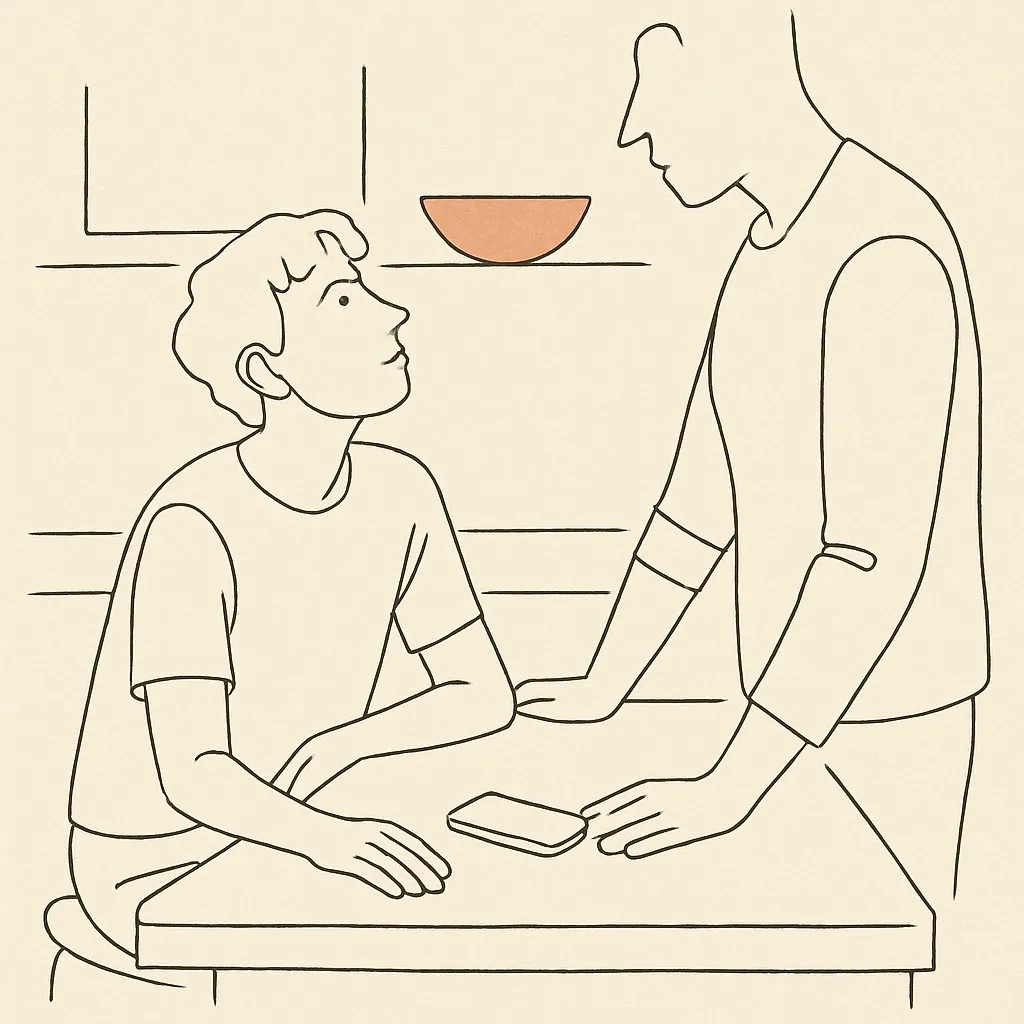 Heated
“I want to meet someone I met online.”
The first IRL meeting of an internet friend. Could be a fellow gamer their age, could be a 35-year-old. Honest investigation, honest rules.
-
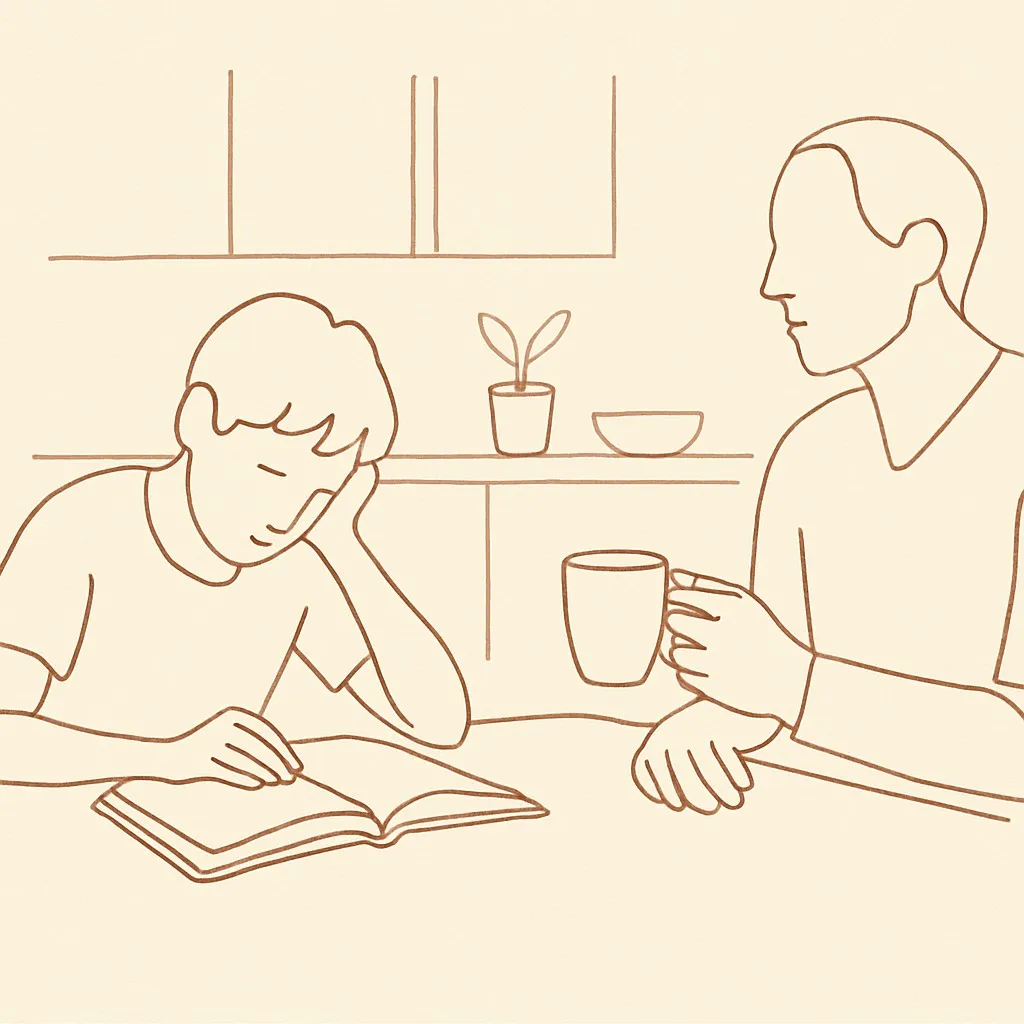 Heated
“I have zero friends.”
The flat factual statement. Not a complaint, not a fight. Possibly accurate, possibly catastrophizing — either way worth taking at face value as a starting point.
-
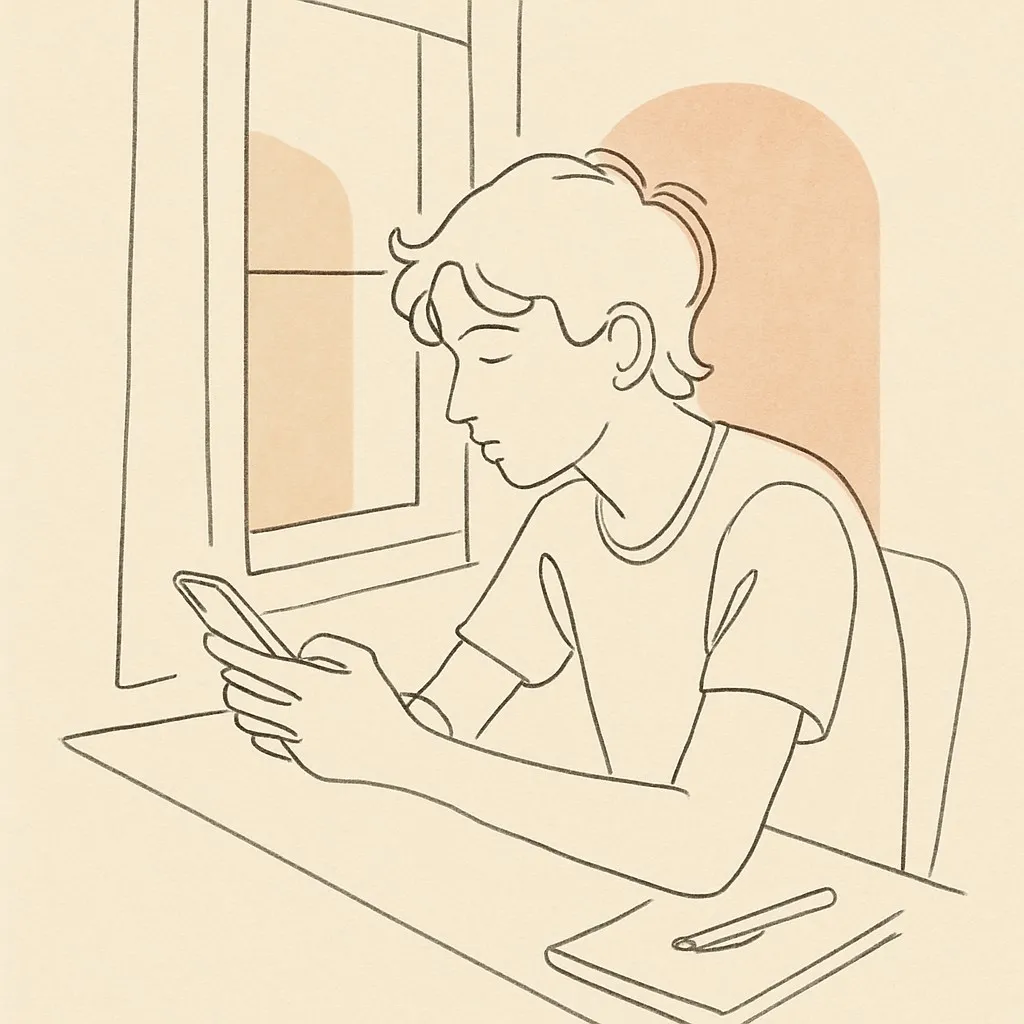 Heated
“Nobody asked me to prom.”
Devastation calibrated to a one-night event. The reflex to minimize; the work is to honor without overdramatizing.
-
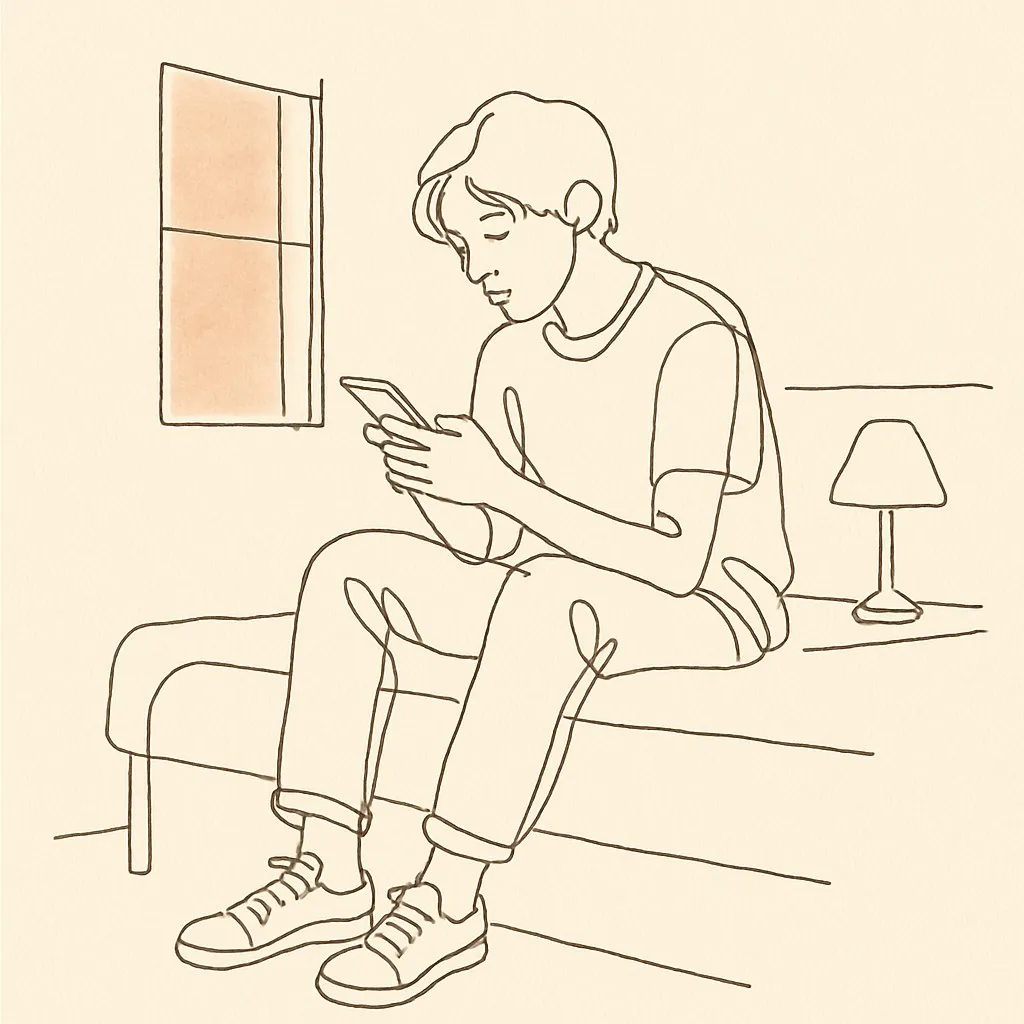 Heated
“My best friend just stopped talking to me.”
Friendship ghosting in adolescence — sometimes a clean drift, sometimes a confused rupture, always painful. The reflex is to defend the absent friend or to attack them. Neither helps.
-
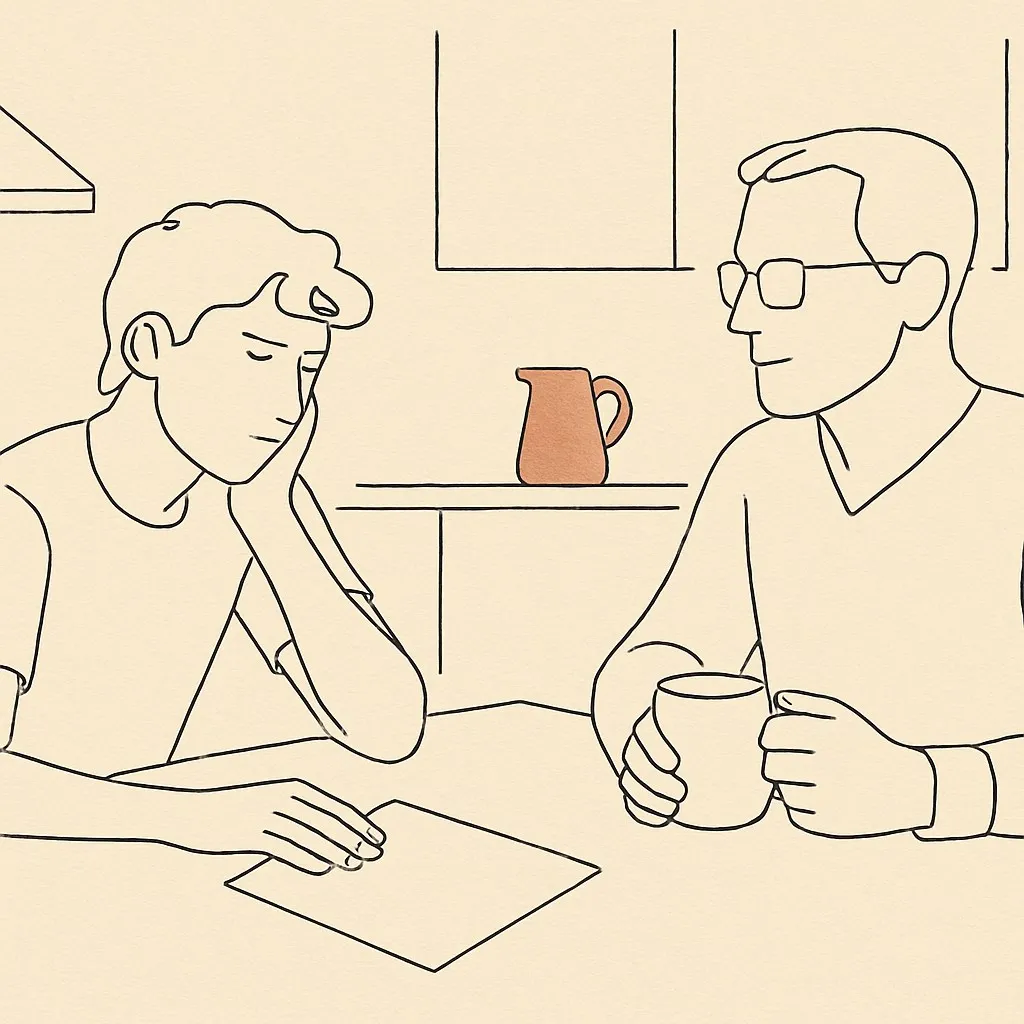 Heated
“I failed the test.”
Specific grade in hand, often delivered with shame. The first ten seconds determine whether 'failed' becomes 'we learn from this' or 'I am a failure.'
-
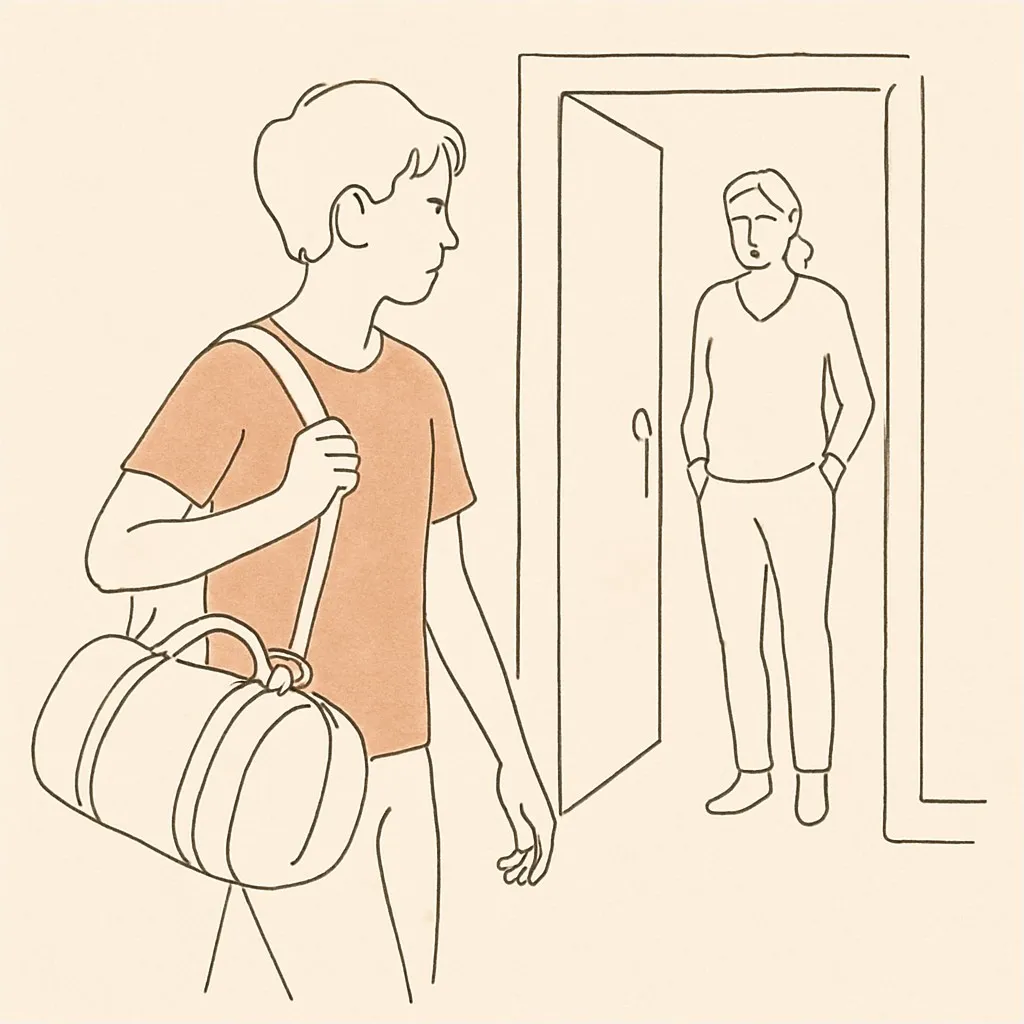 Heated
“I didn't make the team.”
Tryout result. Three weeks of hope, one decision, three months of identity rearrangement. The first response sits with the grief, doesn't bypass it.
-
 Crisis
“I didn't get in.”
The early-decision rejection, or the dream school in March. Tens of thousands of teens, every spring. The parent's first response calibrates how big this becomes.
-
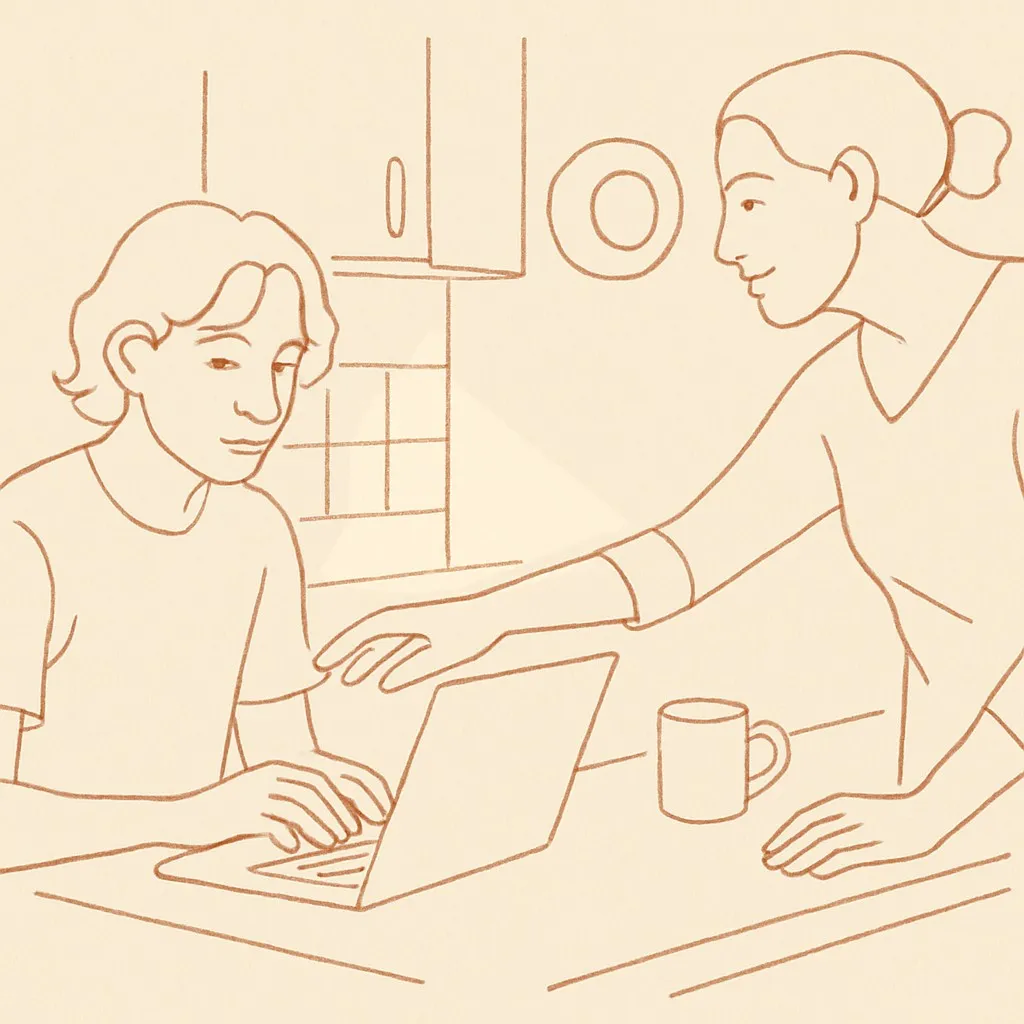 Everyday
“I got in.”
The good-news version. The parental impulse is to over-celebrate, dilute it with comparisons, or skip to logistics. The teen will remember exactly how you reacted.
-
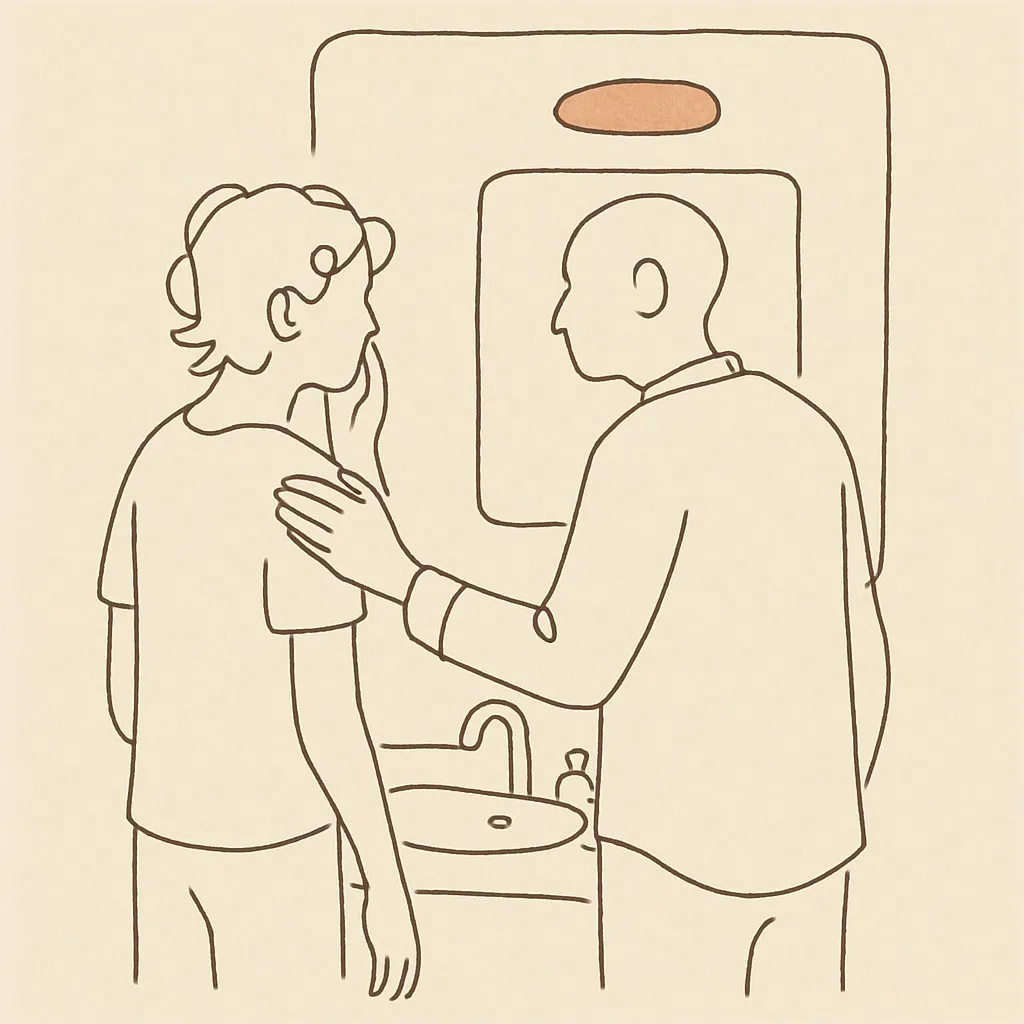 Everyday
“Can I get a nose ring / second piercing / lip piercing?”
Reversible body modification, smaller stakes than tattoo. Often a yes-with-conditions. The conversation about safety and aftercare matters more than the decision.
-
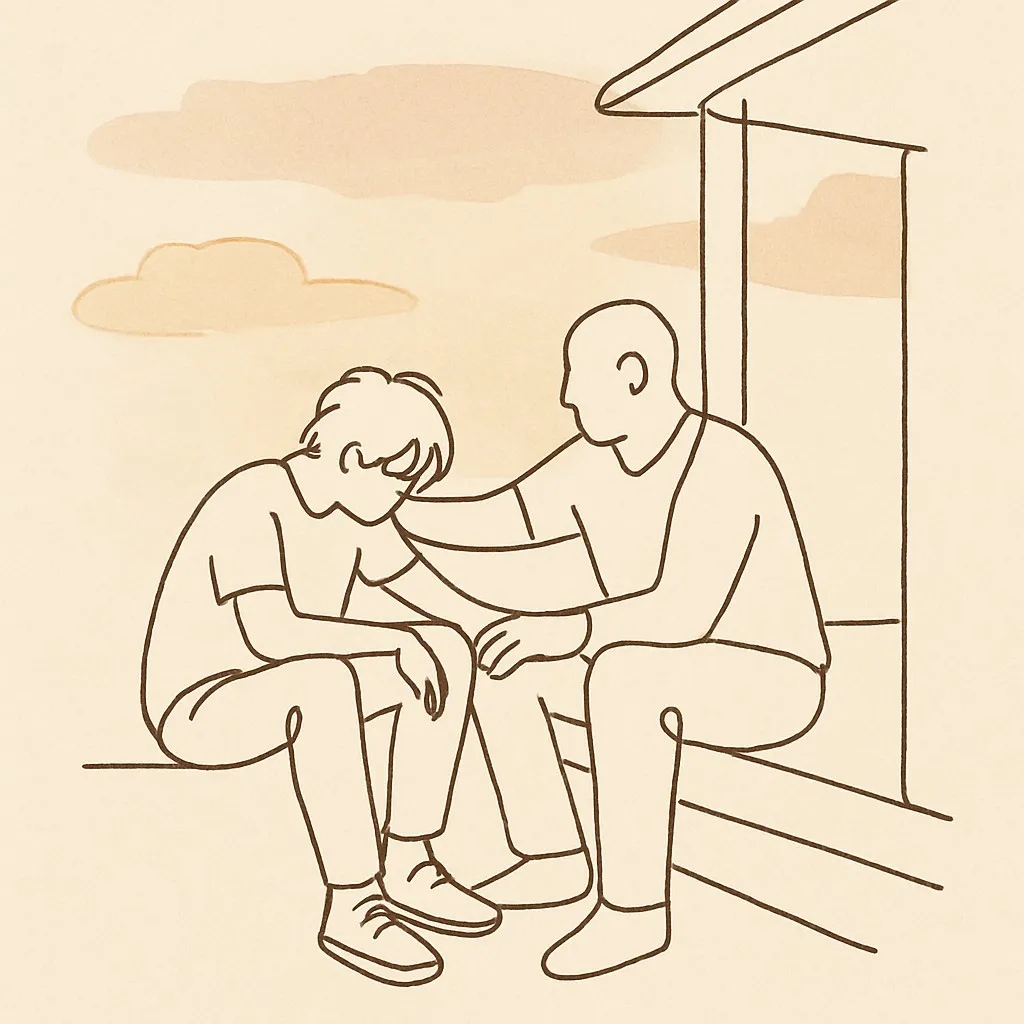 Everyday
“I want to talk to a therapist.”
The teen-initiated ask. The bravest version of a help request. The reflex to investigate WHY first; the right move is yes-and-also-tell-me.
-
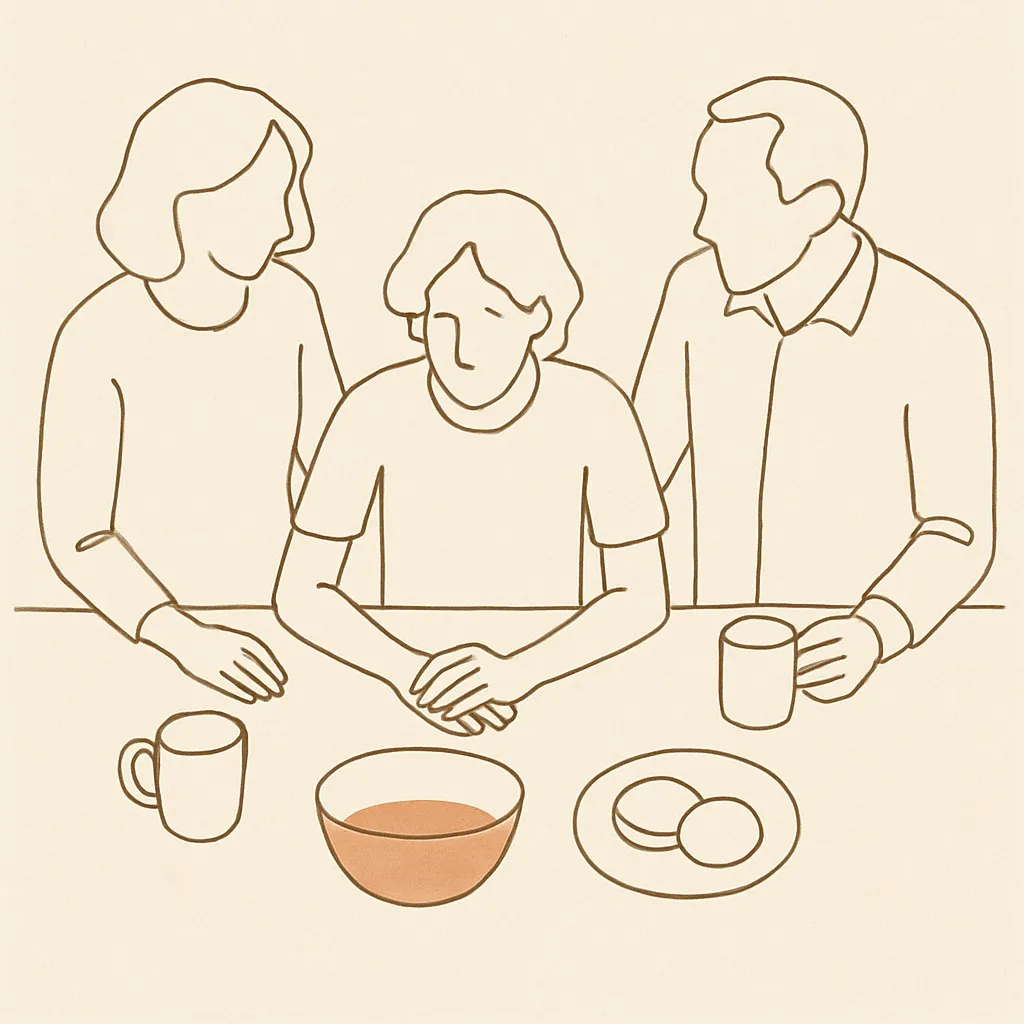 Everyday
“Mom said no. Can I ask Dad?”
The classic divide-and-conquer ask. The parent in the room has the power to either fall for it or end it cleanly. End it cleanly.
-
 Heated
“I want to spend more time with Dad / Mom.”
Divorce dynamic. The “I want more of the other parent” request lands hard. The reflex is to take it personally; the work is not to.
-
 Heated
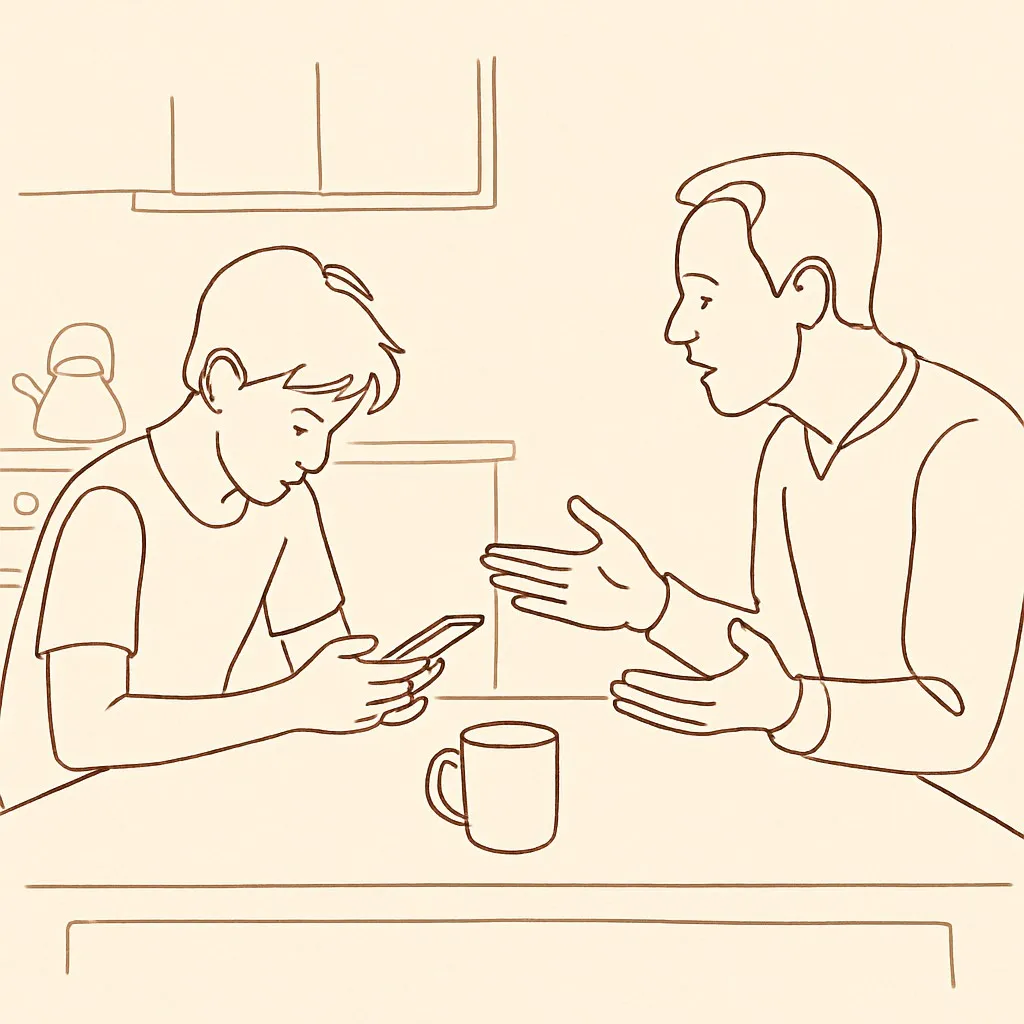
“You promised.”
The two words every parent dreads, said over a broken pickup, a forgotten event, a canceled plan. The reflex is to defend; the only move that works is to own it.
-
 Heated
“Why did you and Dad get divorced?”
Asked years later, by a teen old enough to want the real story. The reflex to soften or to badmouth; the right answer is honest without weaponized.
-
 Heated
“What if I never find anyone?”
The 16-year-old's late-night existential ask, after a breakup or a long unrequited crush. Not really a question; an articulation of a fear. The wrong move is to answer the question.
-
 Heated
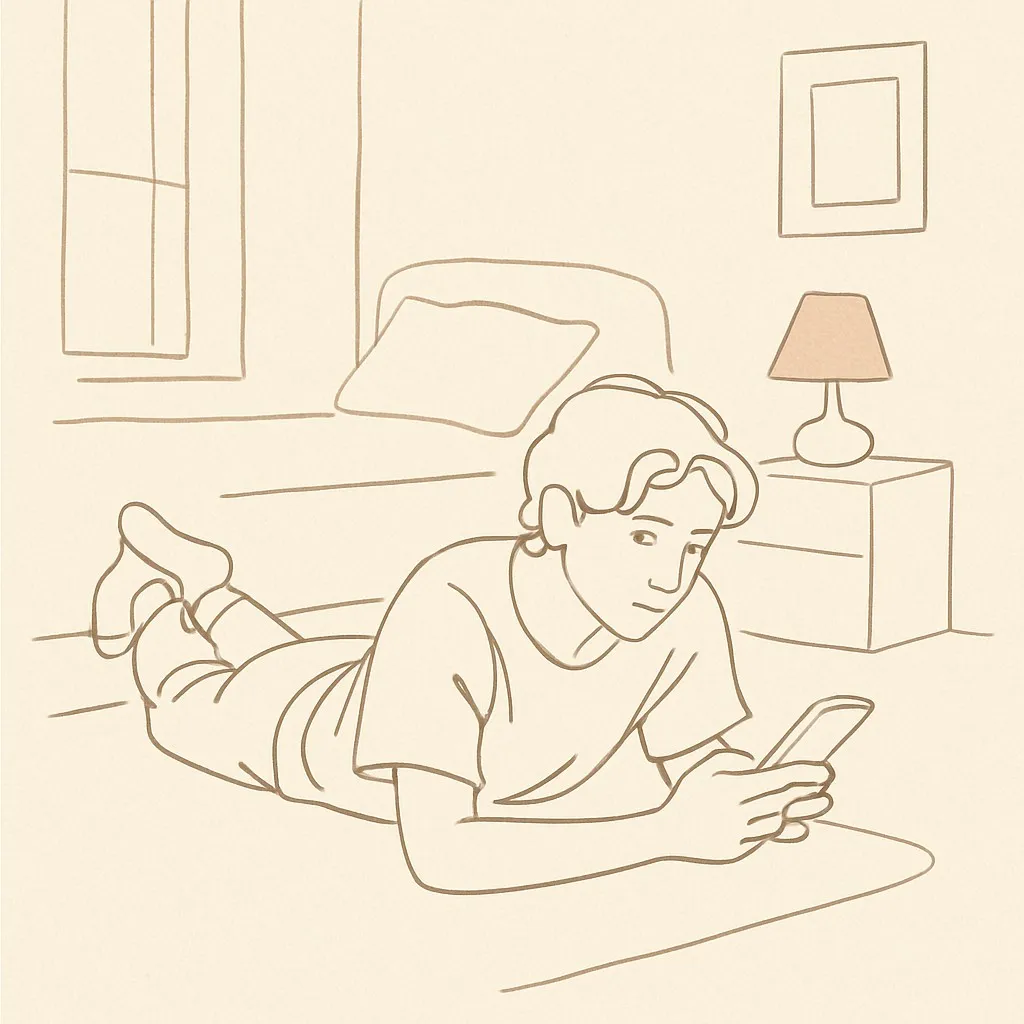
“I can't stop scrolling.”
The 2026 teen self-diagnosis. They know. The reflex to scold; the work is to take the awareness seriously and build infrastructure with them.
-
 Heated
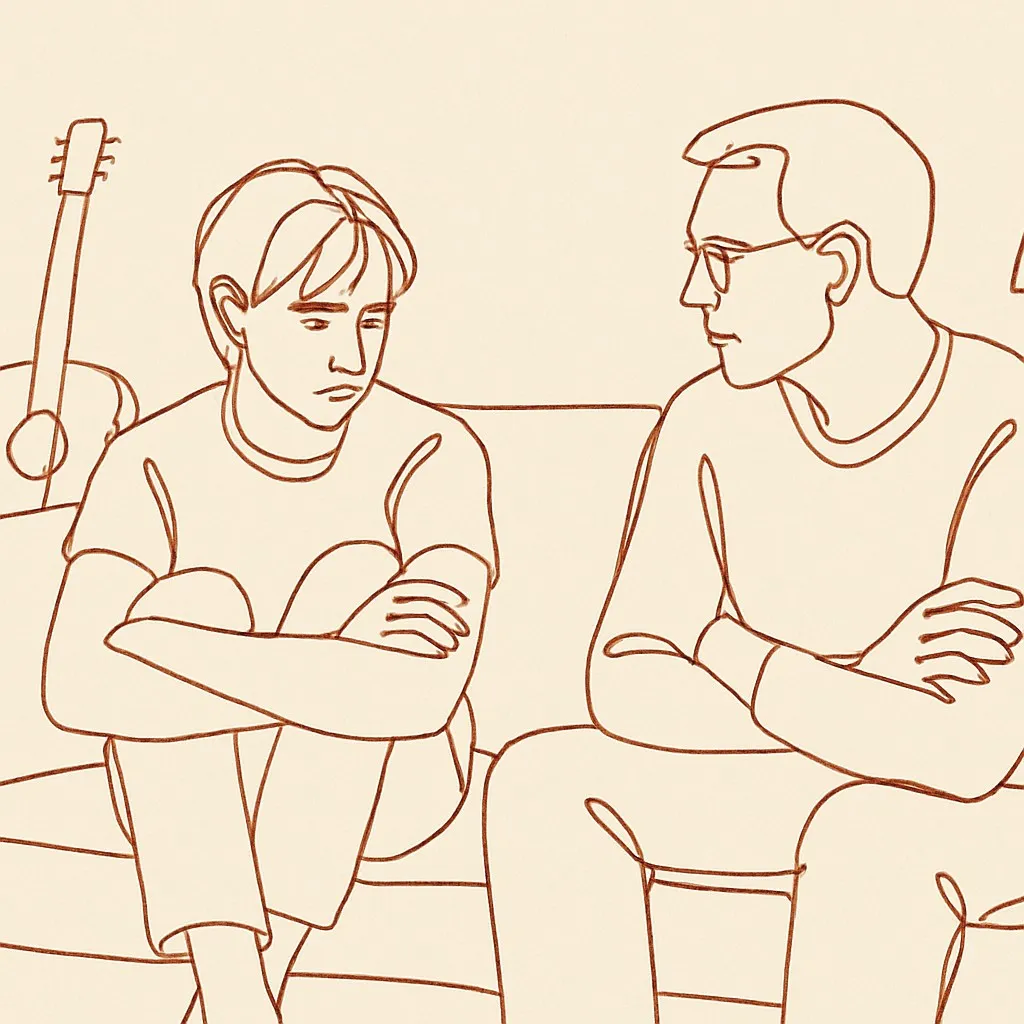
“I want to quit piano / debate / [the thing].”
Long-running activity, sunk parental investment. The reflex is sunk-cost; the work is whether quitting is the right move RIGHT NOW.
-
 Heated
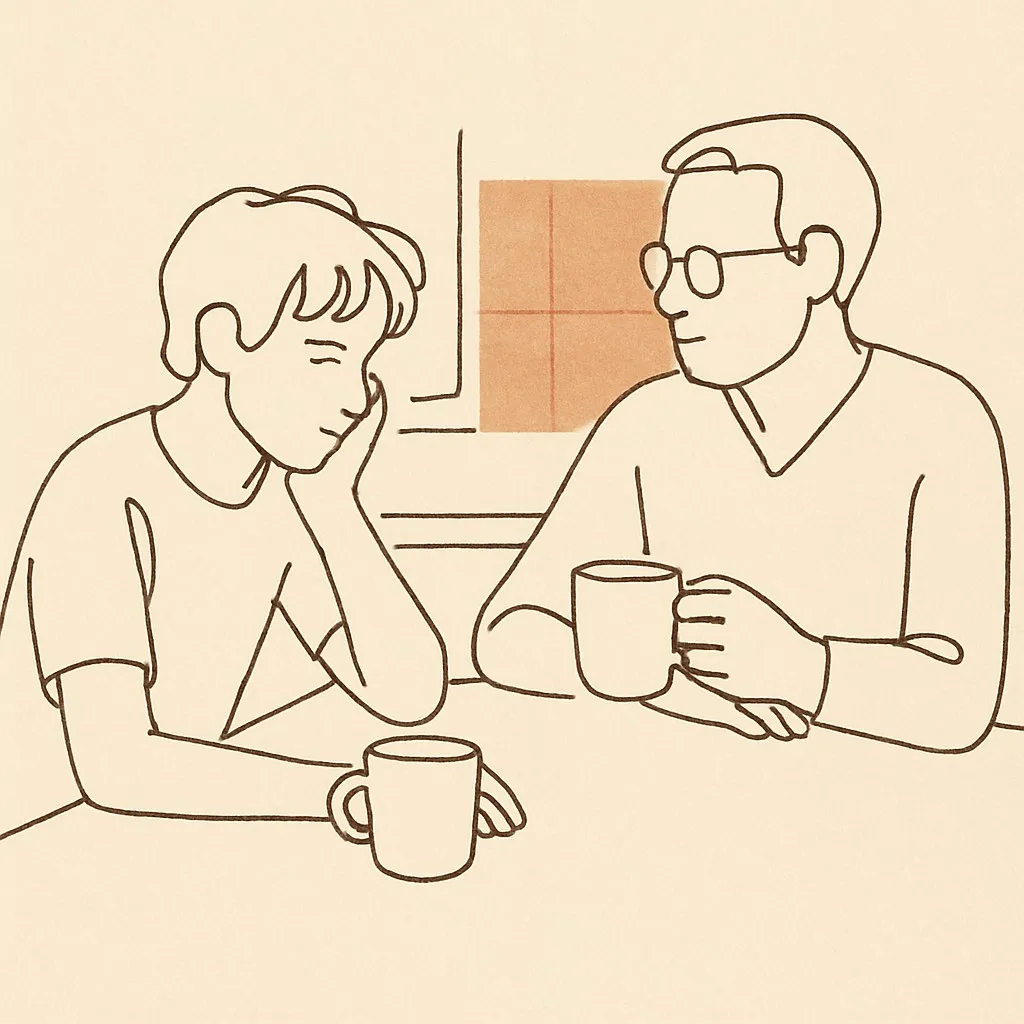
“I saw a fight at school today.”
Casual mention or solemn one — the tone tells you which. Either way, the teen processing violence they witnessed needs to talk about it, not be debriefed for safety.
-
 Heated
“I told [therapist / friend / aunt] about our fight.”
The teen disclosed family business to an outsider. The reflex to feel betrayed; the work is to honor that they DID find an adult to talk to.
-
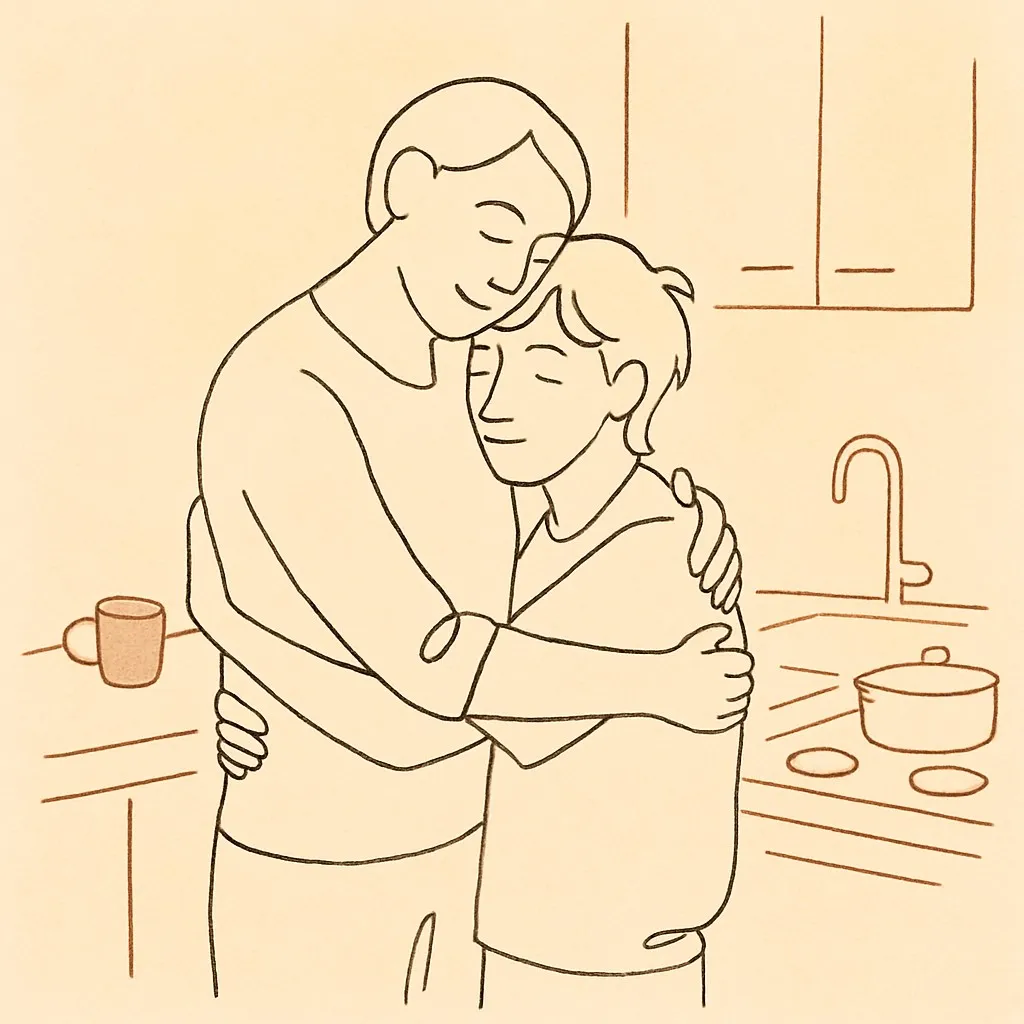 Everyday
“I need a hug.”
The rare direct ask. Don't analyze it, don't ask why. Just give the hug.
-
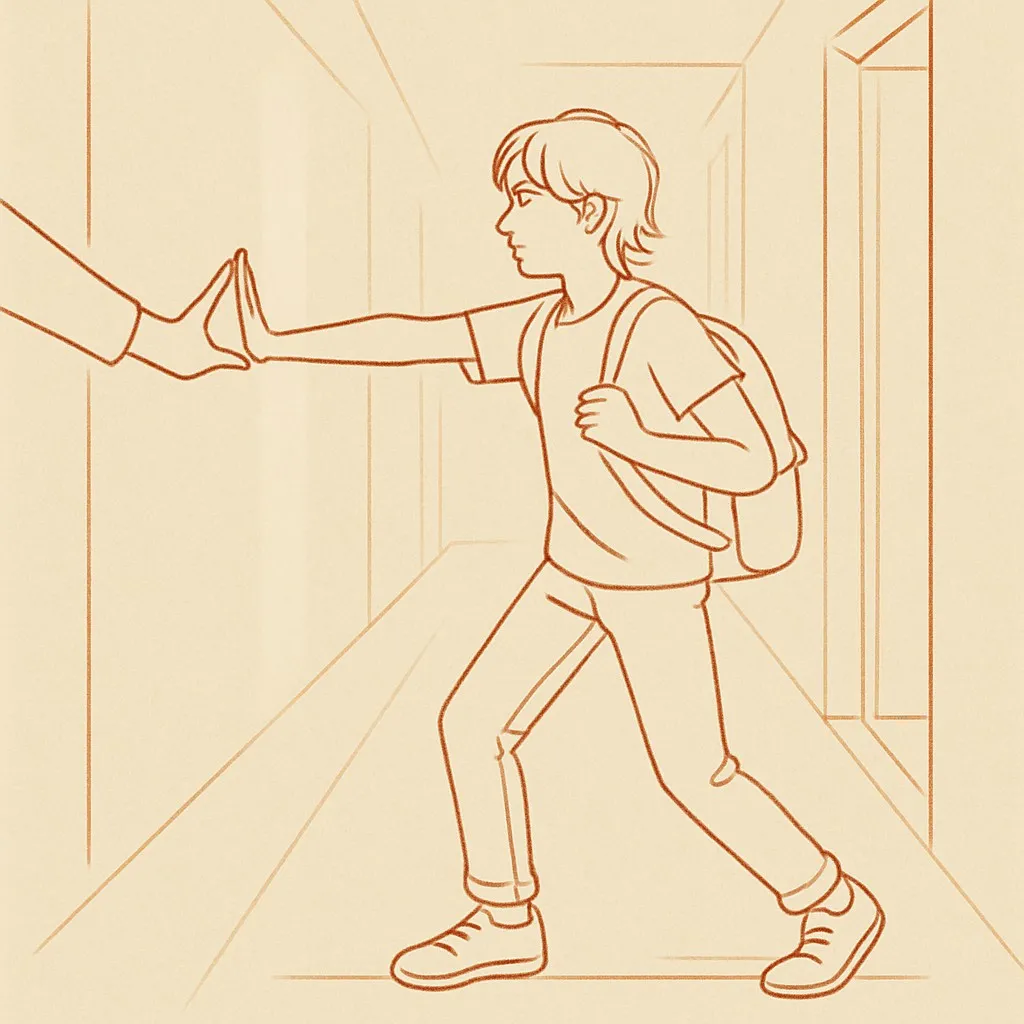 Everyday
“Don't touch me.”
The opposite move. Often a flinch, sometimes a hardening. Either way, the body-autonomy boundary is the only response.
-
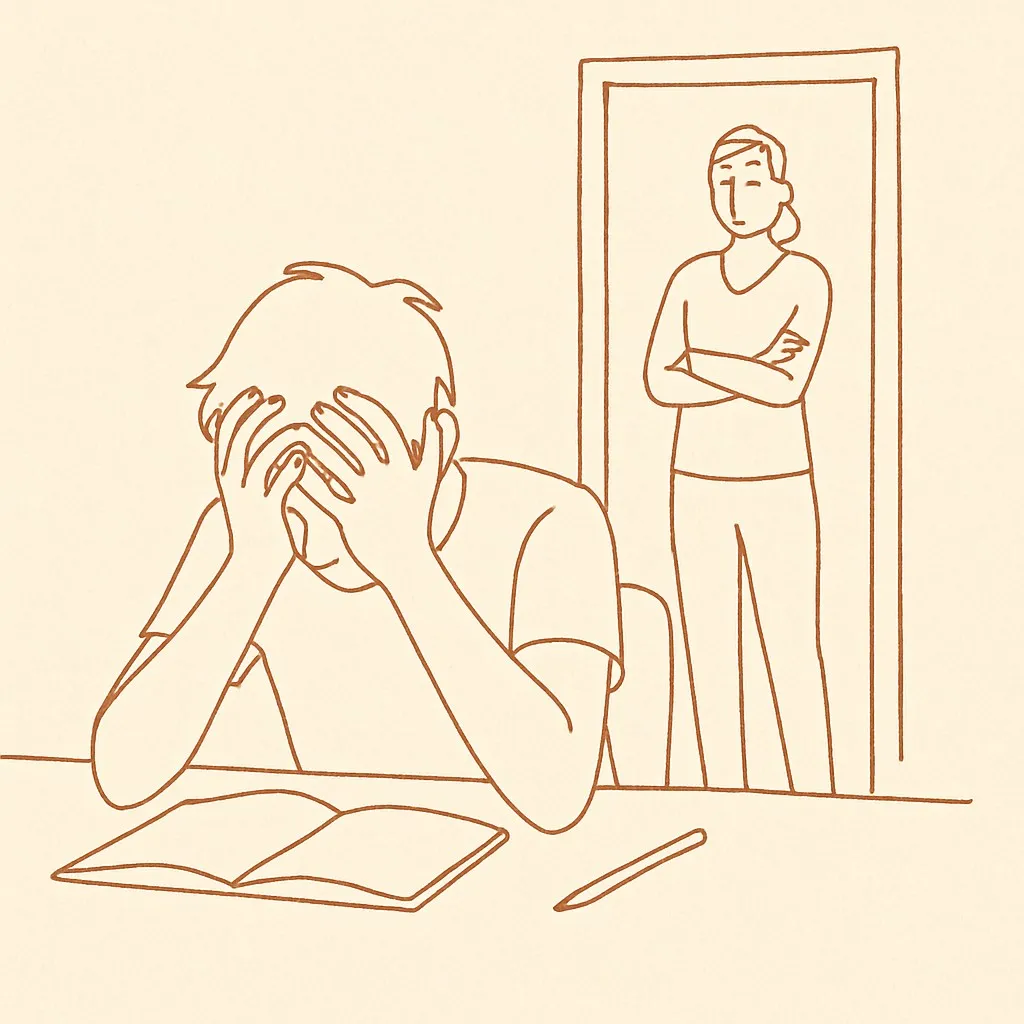 Heated
“I feel so stupid.”
After a mistake, a missed answer, a social embarrassment. Self-attack. The reflex to disagree; the work is to honor the feeling and rename it.
-
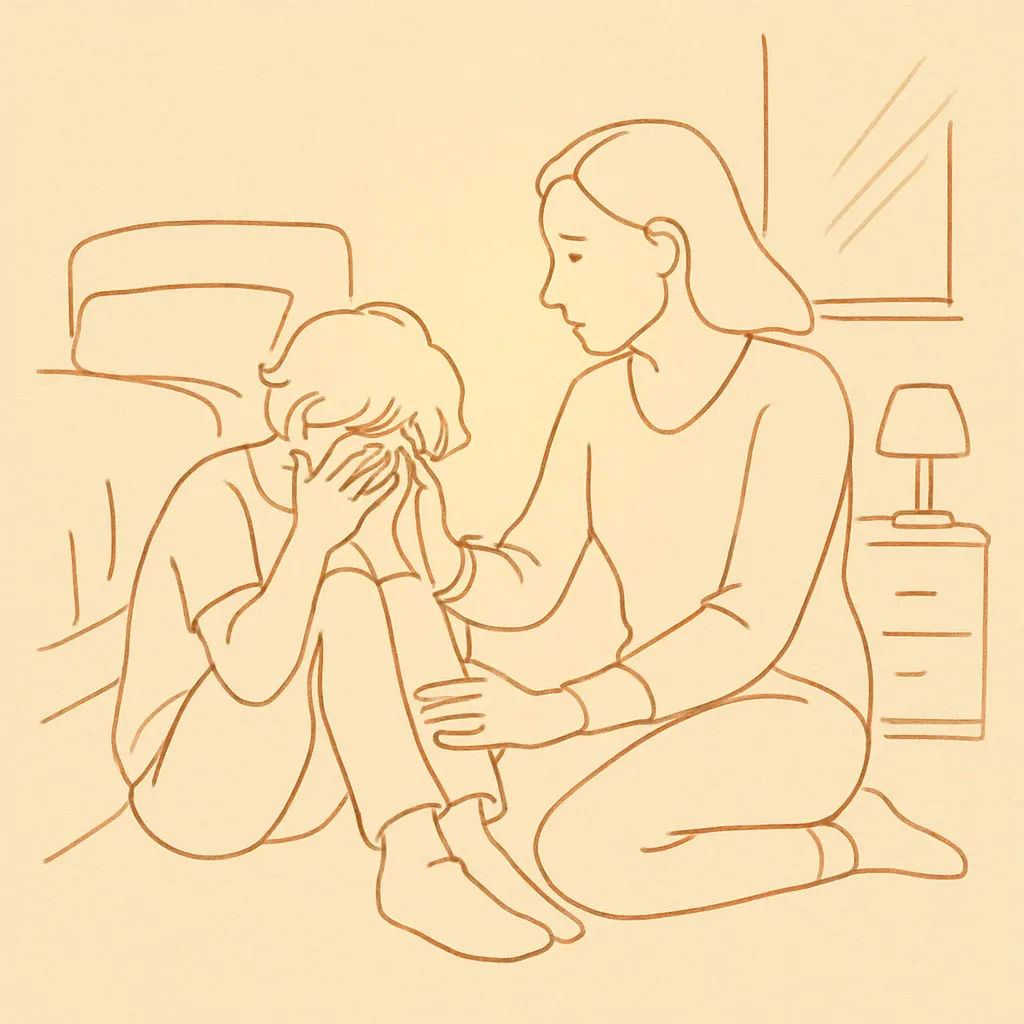 Heated
“I can't stop crying.”
Uncontainable emotion, often with no specific trigger. The reflex to fix or to find the cause; the work is to be near.
-
 Everyday
“I broke up with them.”
Teen-initiated breakup confession. Sometimes proud, sometimes guilty, sometimes both. The reflex to evaluate; the work is to receive.
-
 Heated
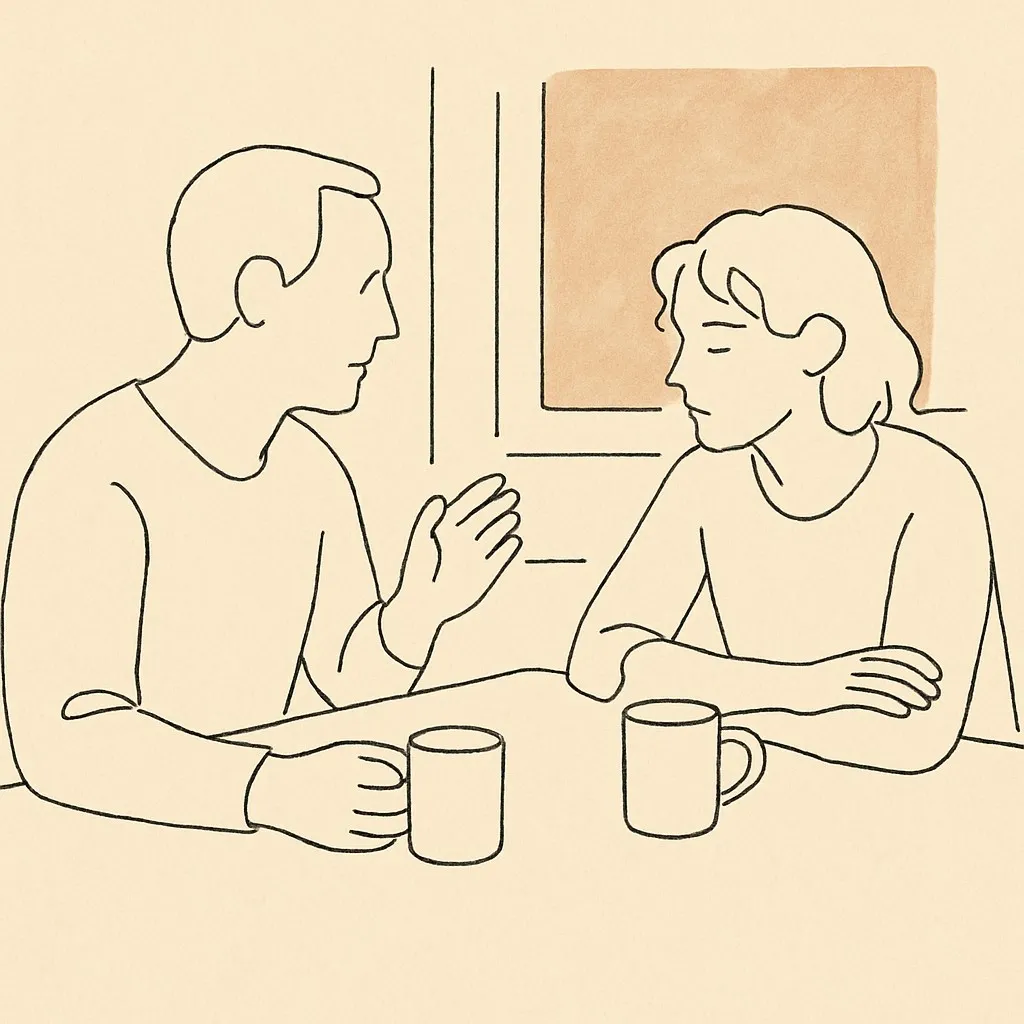
“You yelled at me yesterday.”
The teen brings the unprocessed apology forward. The parent's reflex is to defend the yell; the only repair is to own it.
-
 Everyday
“I can't talk about it yet.”
The 'I will, just not now' response. The reflex to push; the work is to honor the timing.
-
 Heated
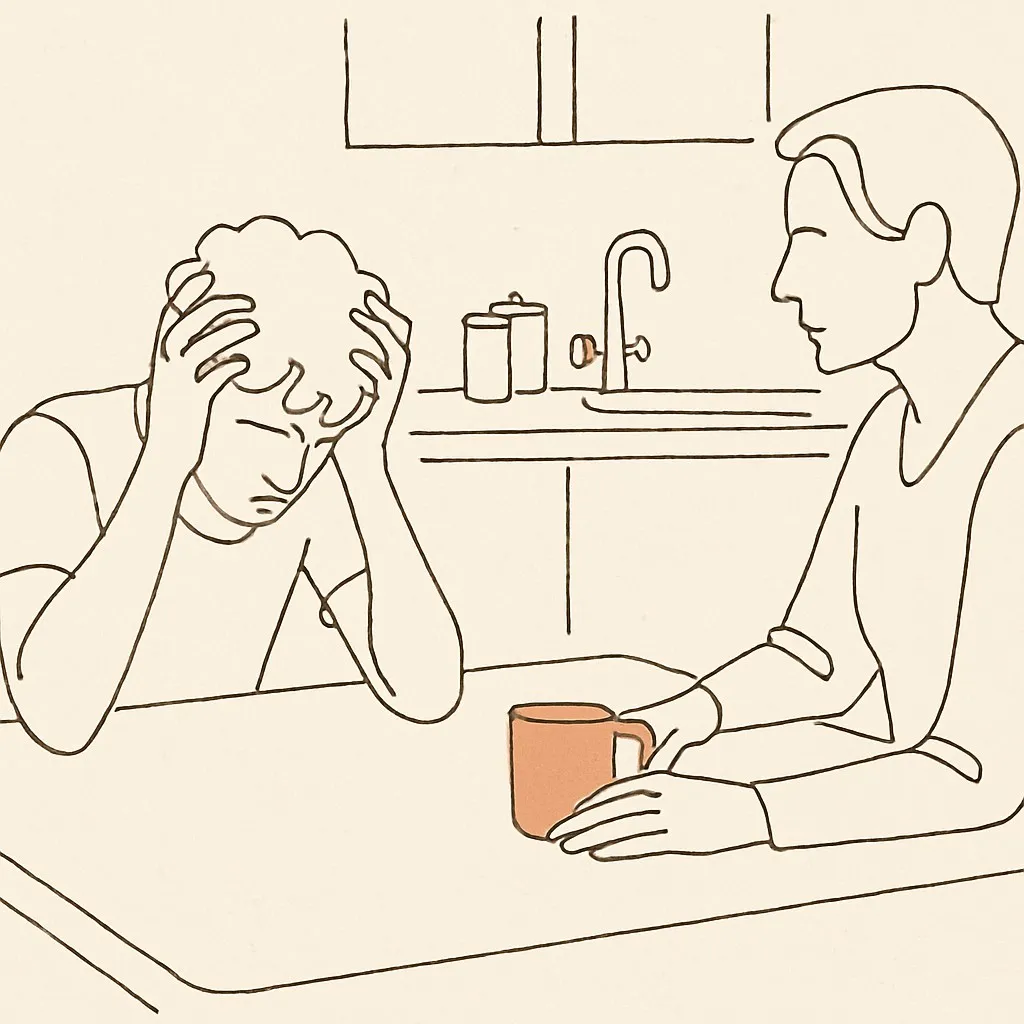
“I lost my phone.”
Adolescent disaster framed as logistics. The reflex to lecture about responsibility; the work is to handle the present.
-
 Crisis
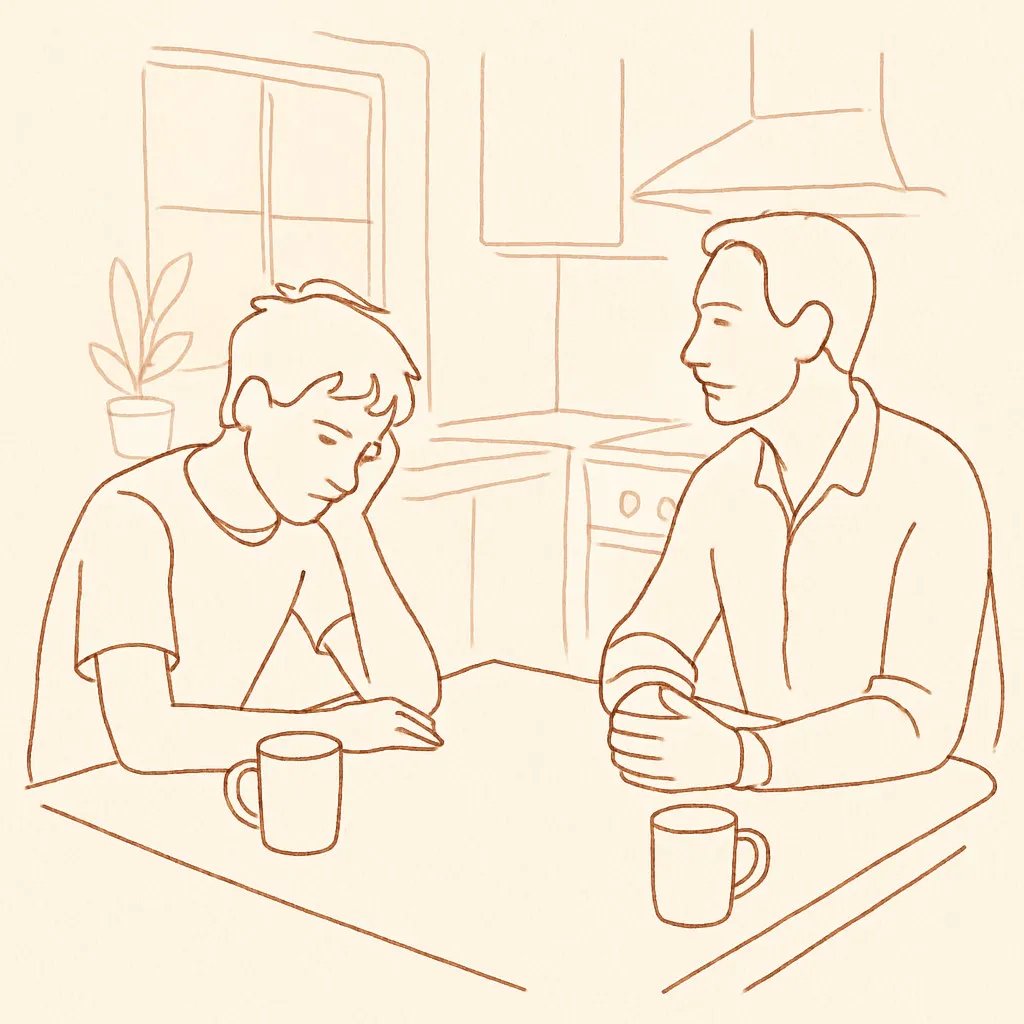
“I don't want to be here.”
Ambiguous statement. Could mean 'this party,' 'this house,' 'this life.' The first move is to find out which.
-
 Everyday
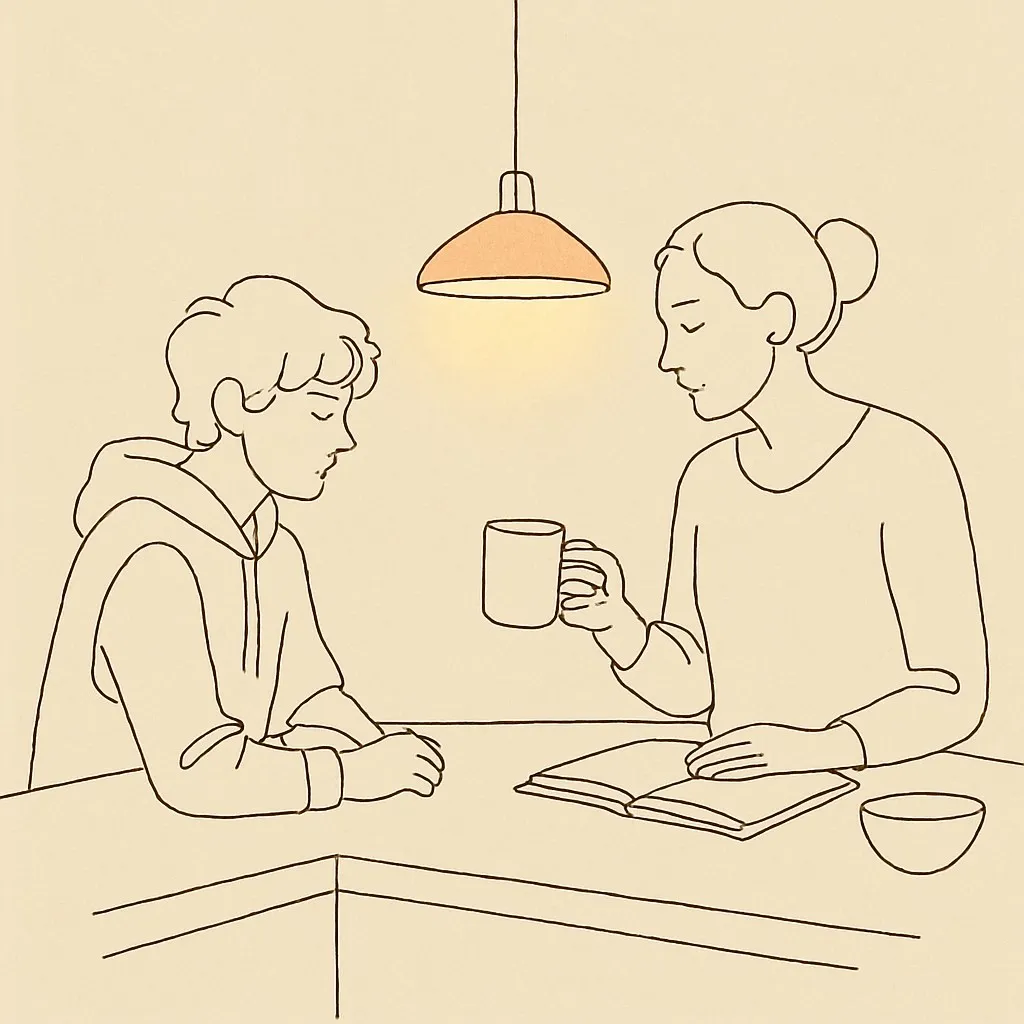
“Why do I have to go to bed so early?”
Curfew complaint as identity claim. The reflex is to enforce; the work is to engage on the science behind the rule.
-
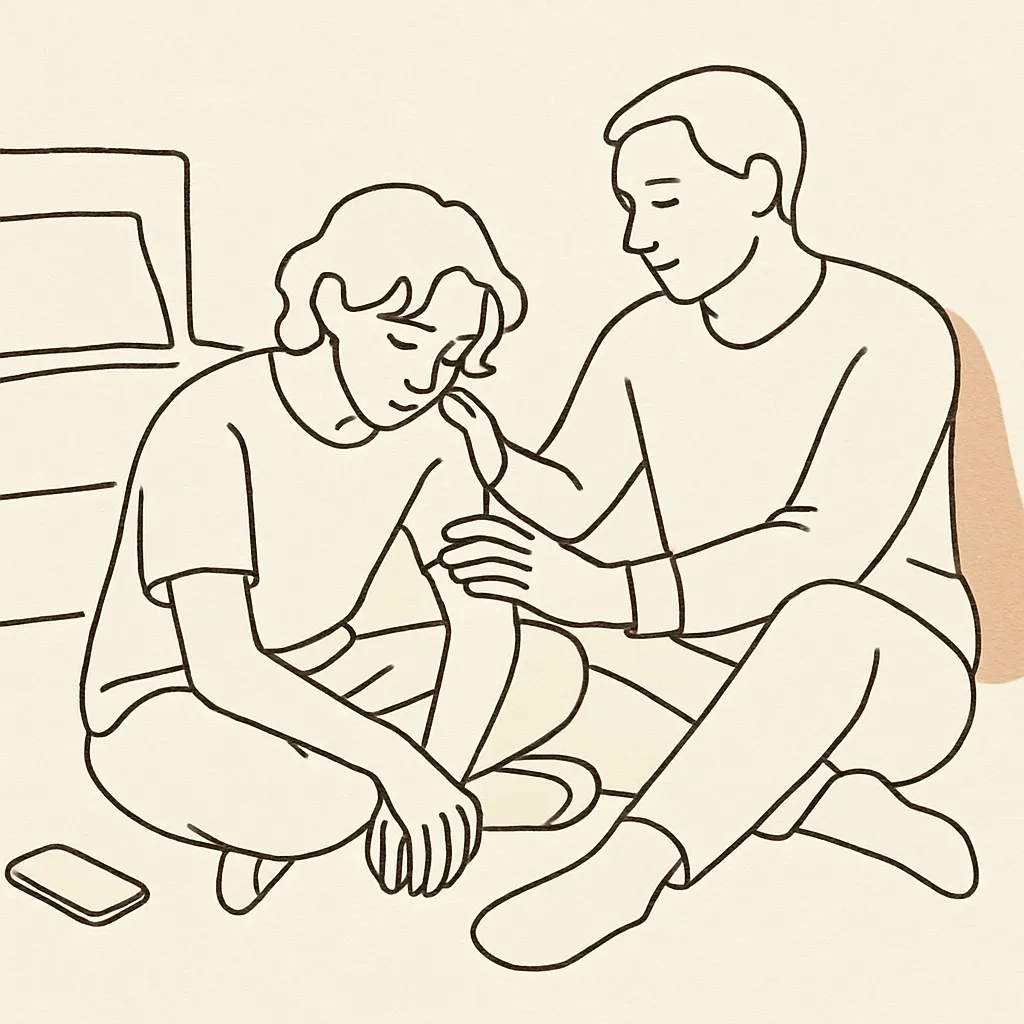 Heated
“I saw something online I can't unsee.”
Could be gore, porn, violence, a beheading, a suicide. The teen brought it to you because they're carrying images that need adult processing. Match the weight.
-
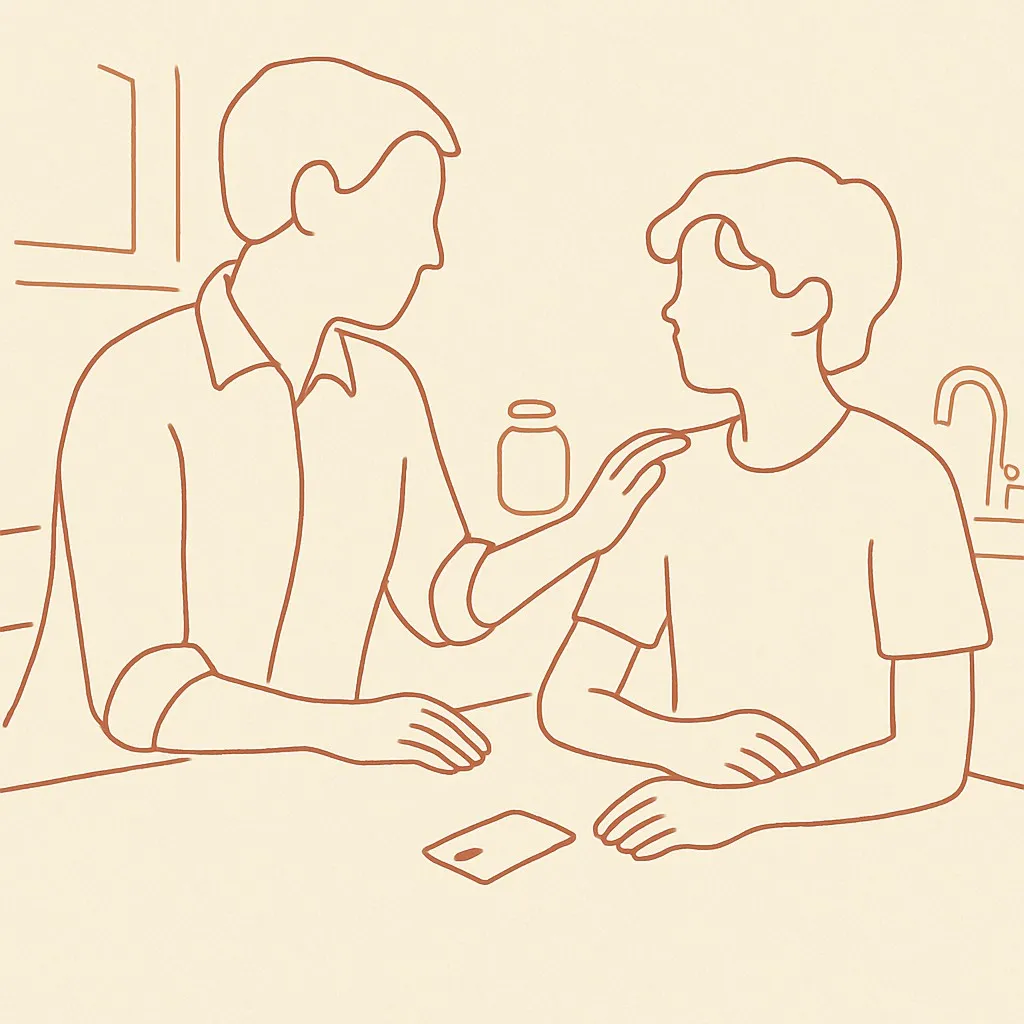 Everyday
“Why can't I have a credit card?”
16-17 ask. Often a real financial-literacy moment — but the answer matters more than the card itself.
-
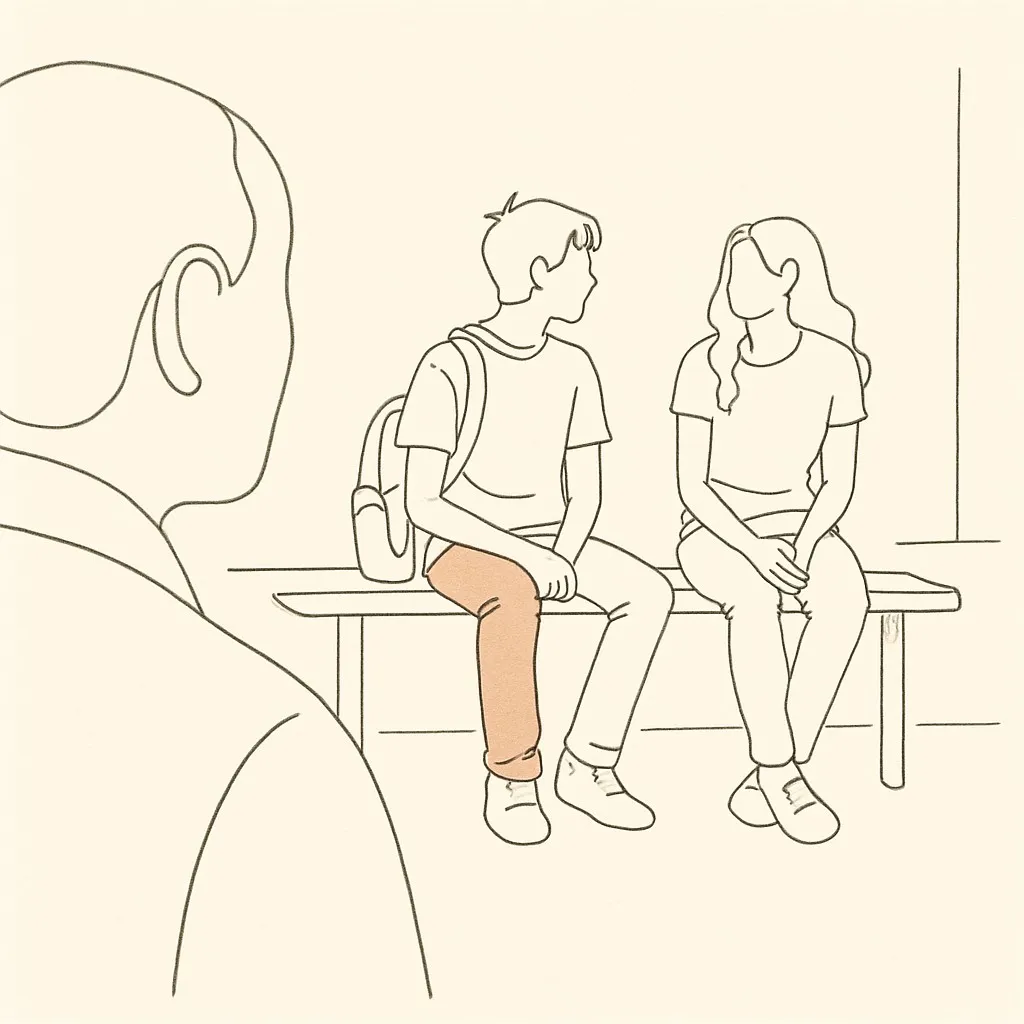 Heated
“I think my friend likes me. Like, that way.”
The mutual-or-not confession from the other direction. The reflex is to advise; the gift is to help them think.
-
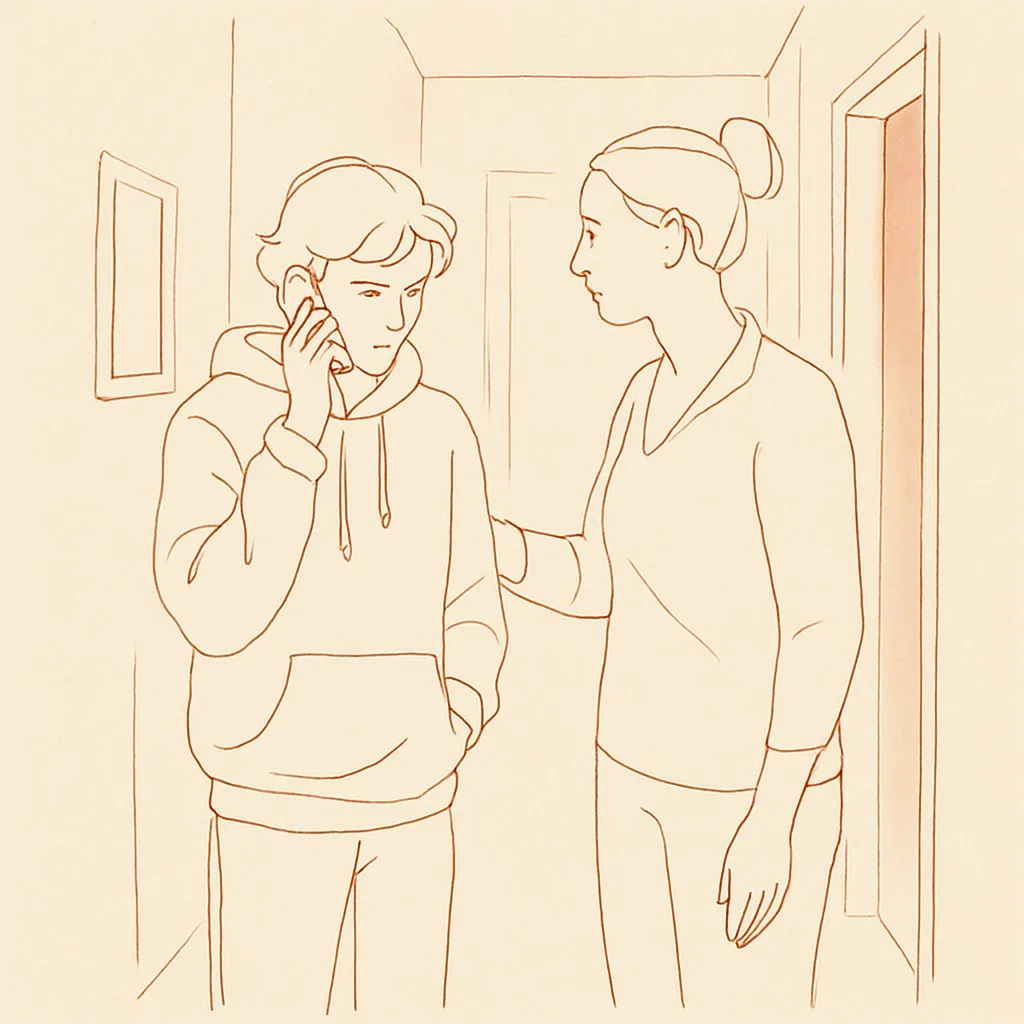 Heated
“Why do you talk to grandma like that?”
The teen calls you out on how you treat your own parent. The reflex is to defend; the work is to model the apology you'd want from them.
-
 Heated
“You treat my sibling better than me.”
Variant of 'you love them more,' but specifically about treatment patterns rather than love. Different conversation: more provable, easier to act on.
-
 Everyday
“I want to cut all my hair off.”
Identity announcement disguised as a haircut. The reflex to negotiate; the work is yes-and-also-can-we-go-together.
-
 Heated
“Why do you hate her?”
After the teen notices your tone toward their new friend or girlfriend or boyfriend. The reflex to deny; the work is to surface the real concern.
-
 Heated
“I feel so behind everyone.”
Comparison spiral that's not about looks — about life. Friends with jobs, friends with relationships, friends with college plans. The reflex is to reassure; the work is to honor the timeline grief.
-
 Heated
“I think my friends talk about me behind my back.”
Social paranoia that's sometimes accurate, sometimes a depressed-brain hallucination, often a mix. The reflex to reassure or to investigate; the work is both, in order.
-
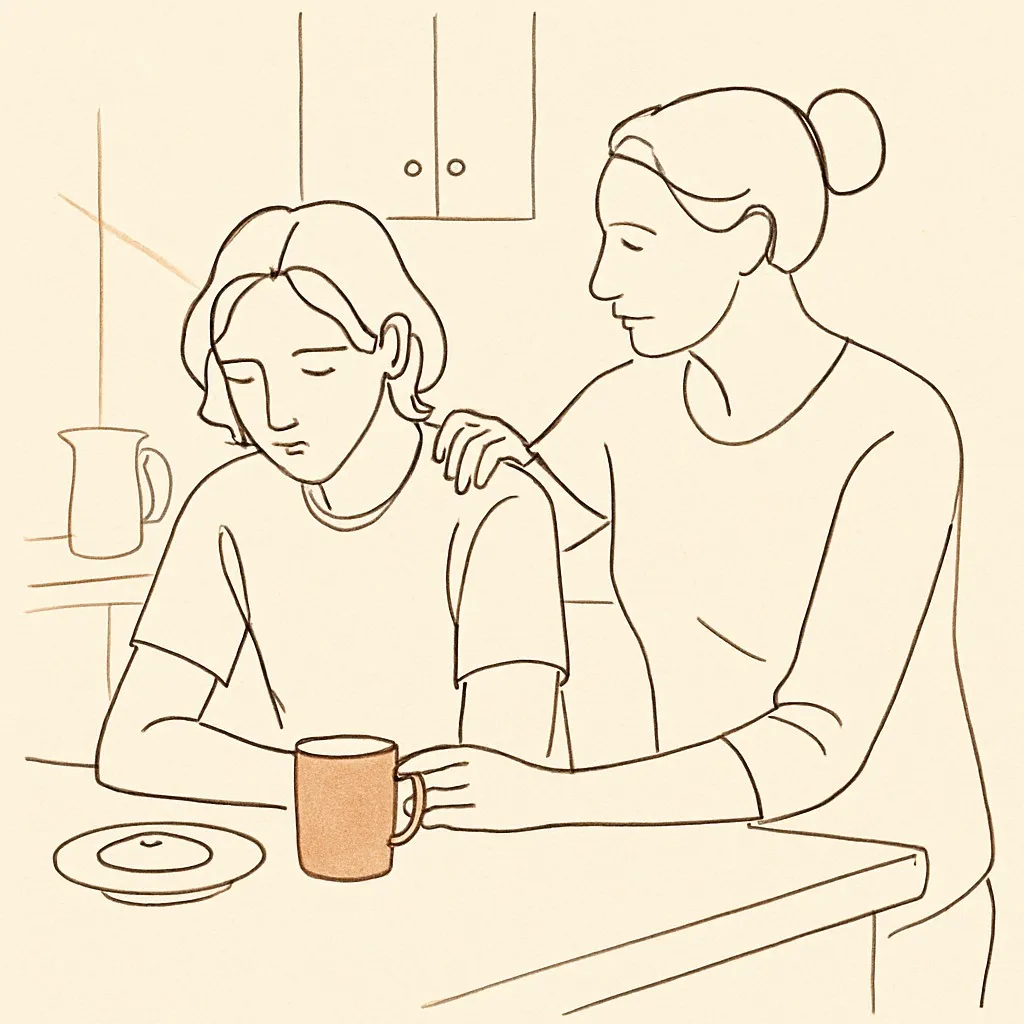 Heated
“Dad grounded me. Why didn't you?”
Parental disagreement on consequence. The teen testing for inconsistency. The reflex to side with them or with dad; the work is to side with the marriage.
-
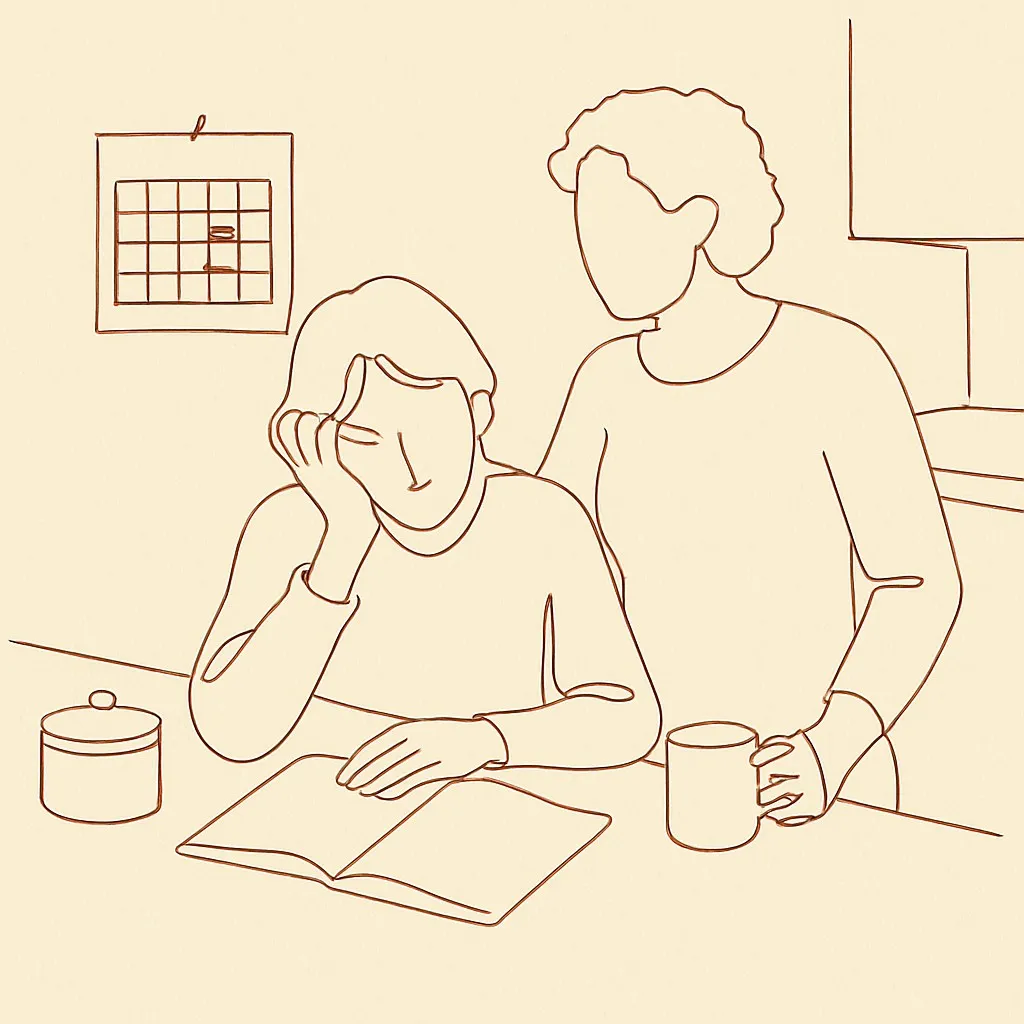 Heated
“Can I have people over Saturday?”
Hosting ask. Specifics matter: how many, who, what kind. The reflex to flat-no or flat-yes; the work is to negotiate the right size.
-
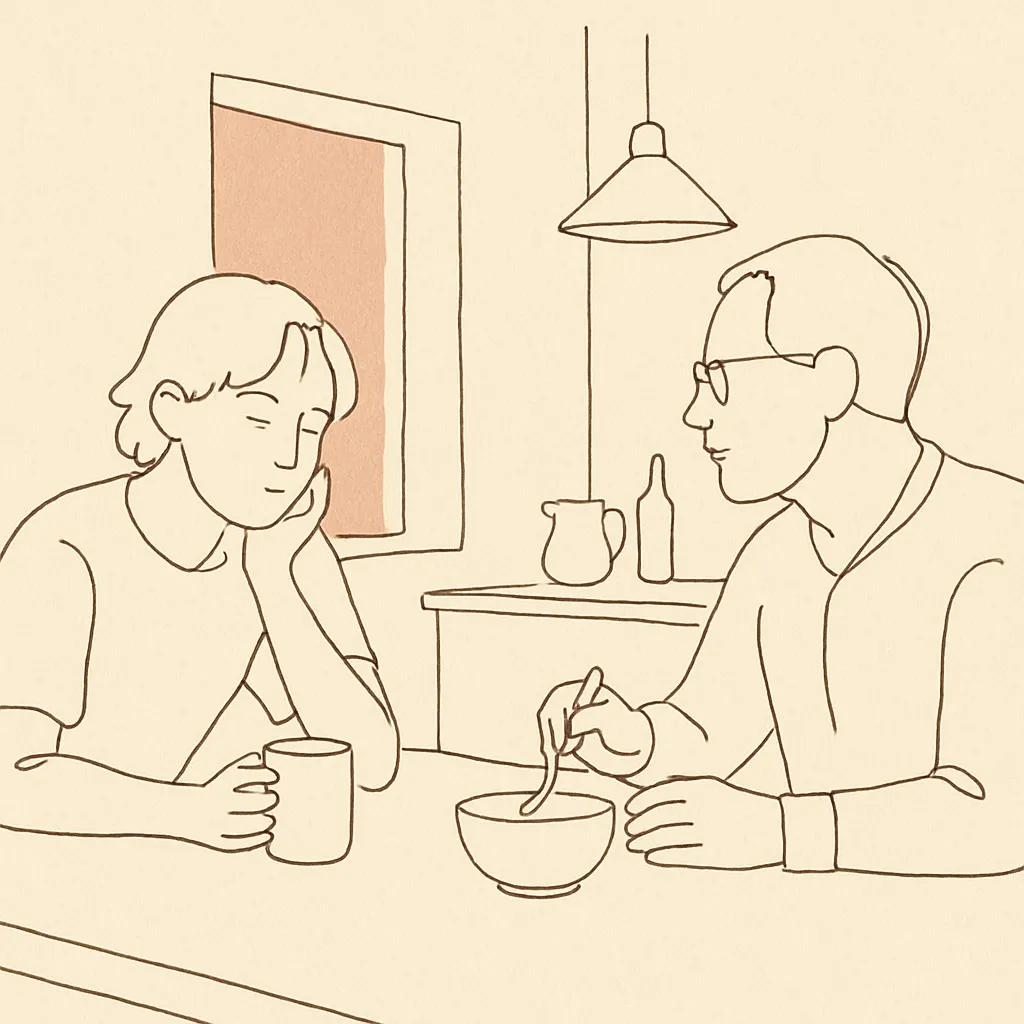 Heated
“I told a lie and now it's getting bigger.”
Confession of a runaway lie. Sometimes about grades, sometimes about a relationship, sometimes about money. The reflex to lecture; the work is to help them land it.
-
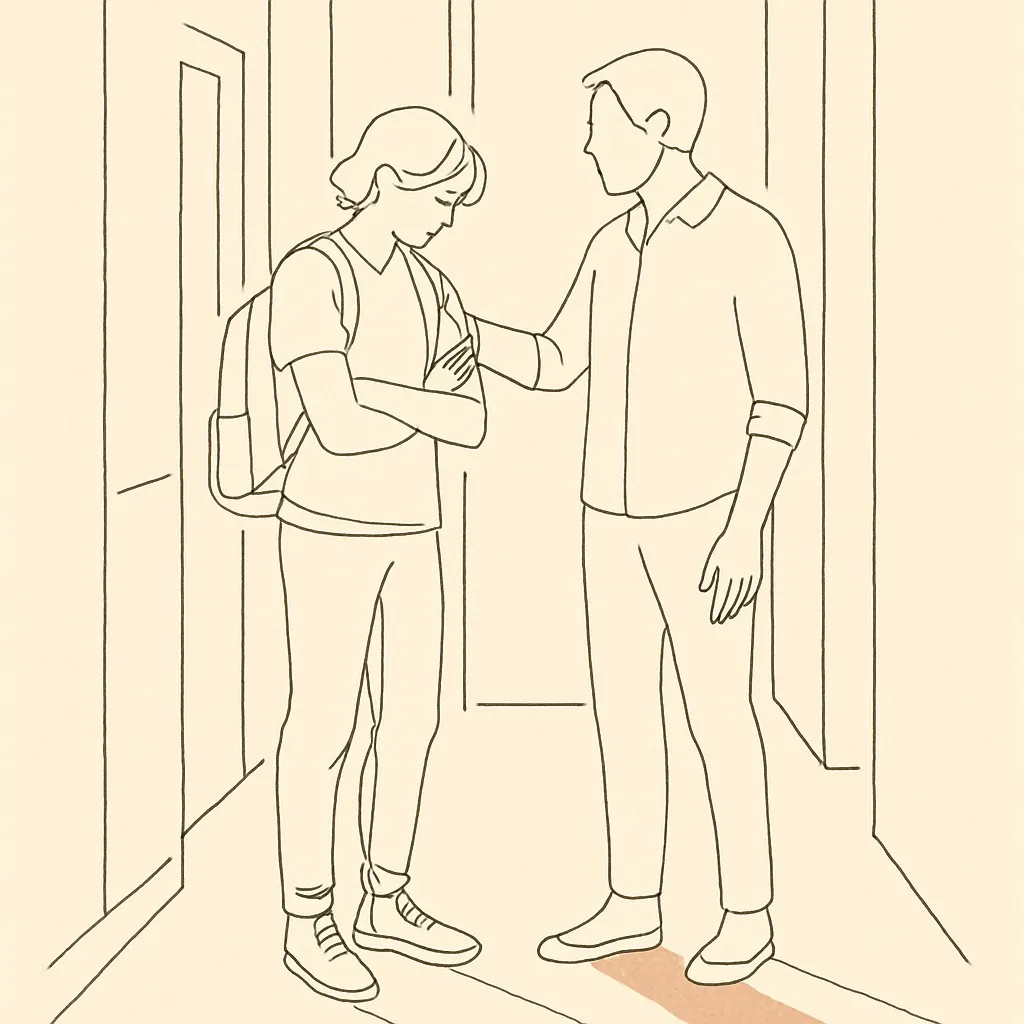 Heated
“I saw something in your room I wasn't supposed to.”
Reverse-direction privacy violation — the teen found something of yours they weren't meant to find. Honesty wins.
-
 Crisis
“I can't remember the last time I was happy.”
The flat depression flag, often hidden in a casual sentence. The reflex to brainstorm causes; the work is to register the gravity.
-
 Everyday
“Someone asked me out.”
The first-date confession. Casual or proud. Don't make it bigger than it is and don't make it smaller.
-
 Everyday
“Someone asked me to prom but I don't like them.”
Good problem. The reflex to advise; the work is to help them think through saying no kindly.
-
 Crisis
“My friend got arrested.”
Peer in legal trouble. The reflex to distance; the work is to figure out the right level of friend-loyalty.
-
 Crisis
“I feel anxious all the time.”
Generalized anxiety self-report. Distinct from panic attacks; chronic, low-grade, exhausting. The reflex to relate; the work is to route.
-
 Crisis
“I don't feel safe at school.”
Could be physical, social, sexual, or psychological. The reflex to clarify the type; the work is to take the statement entirely seriously first.
-
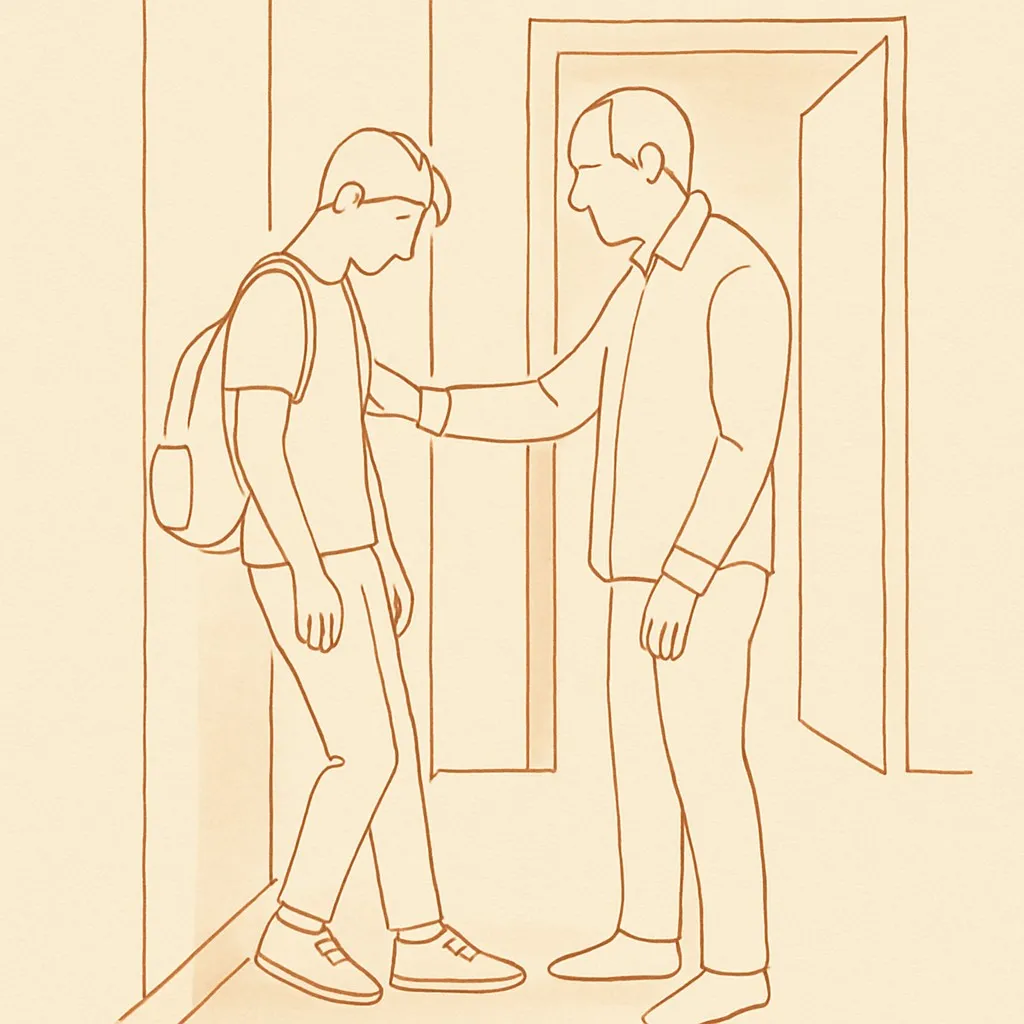 Heated
“Why do you keep asking about my grades?”
The teen confronting parental hyperfocus. The reflex to defend the asking; the work is to honor the observation.
-
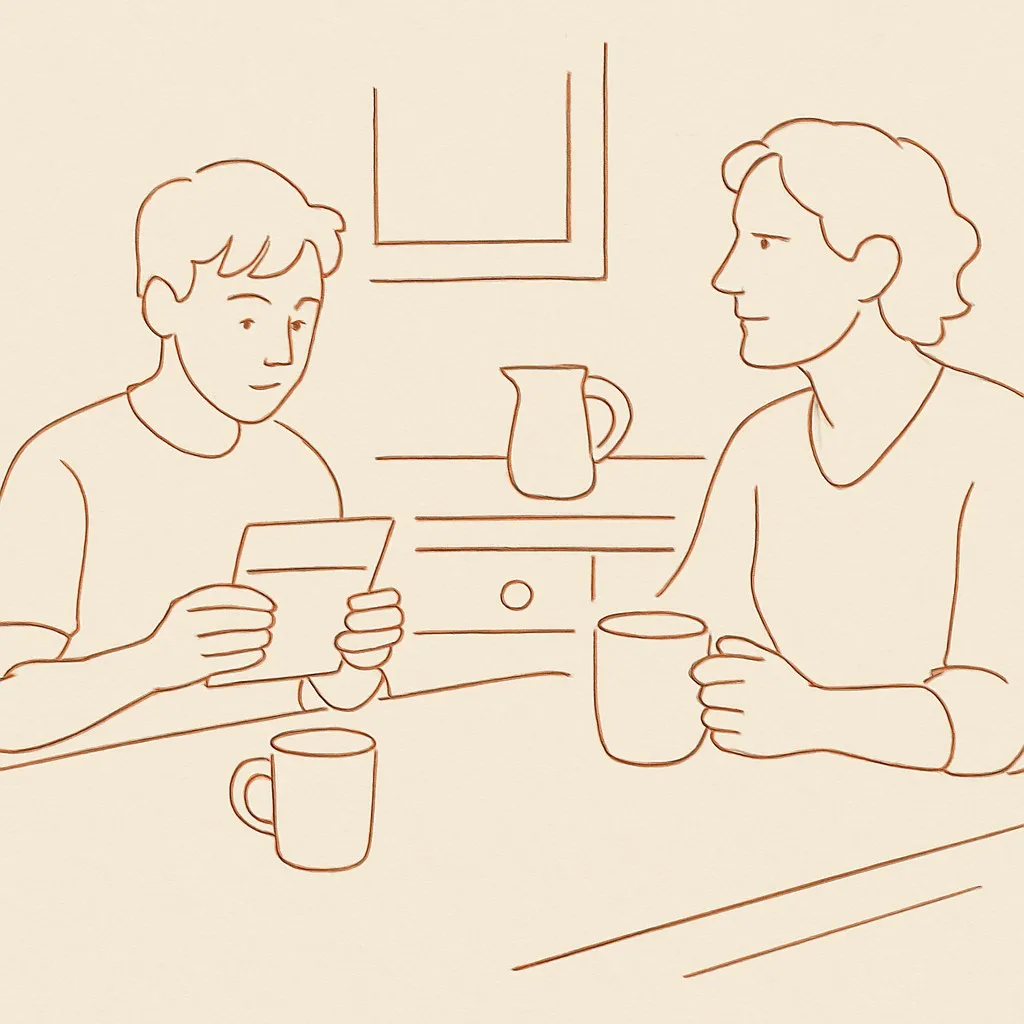 Everyday
“I failed my driving test.”
Specific, public, often funny in retrospect, definitely not funny right now. The reflex to console; the work is to react like it's no big deal — because it isn't.
-
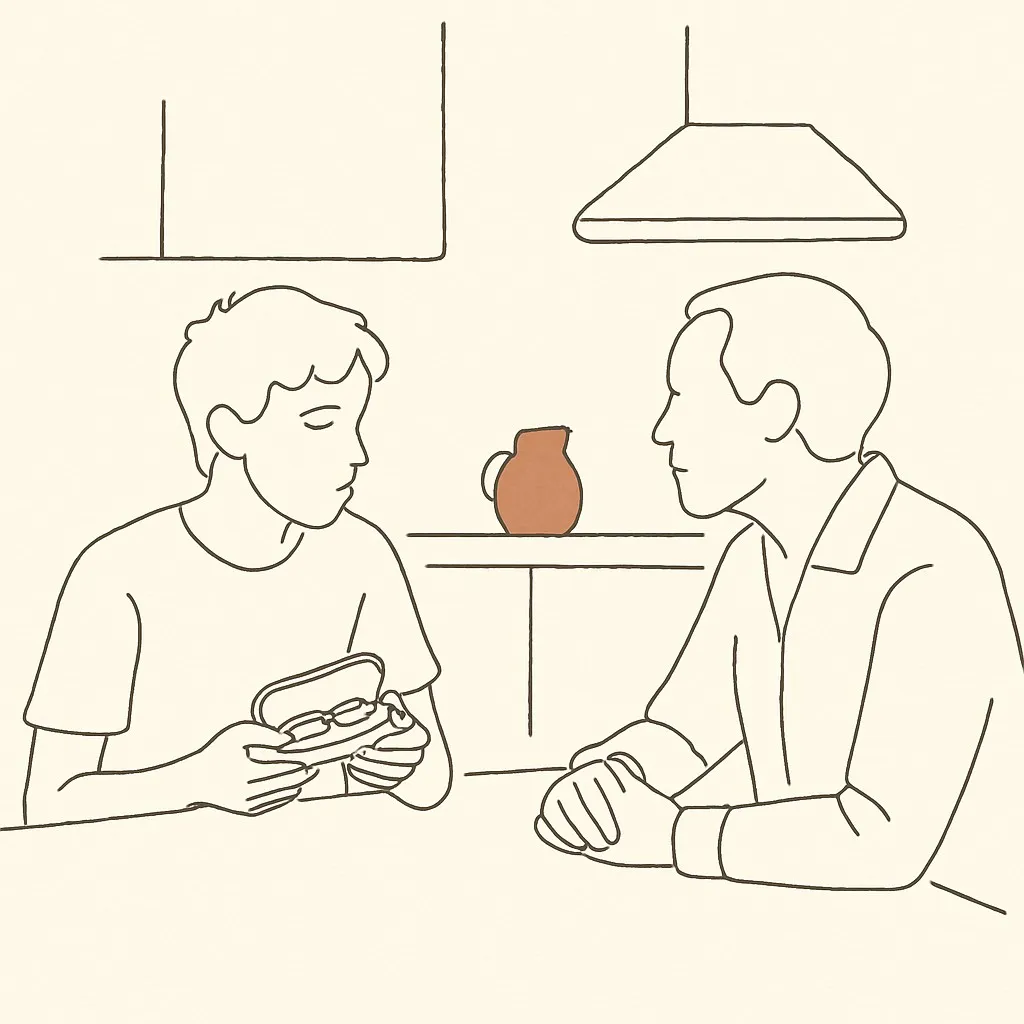 Everyday
“The eye doctor said I need glasses.”
Identity transition, sometimes more weighted than parents expect. The reflex to be practical; the work is also be human.
-
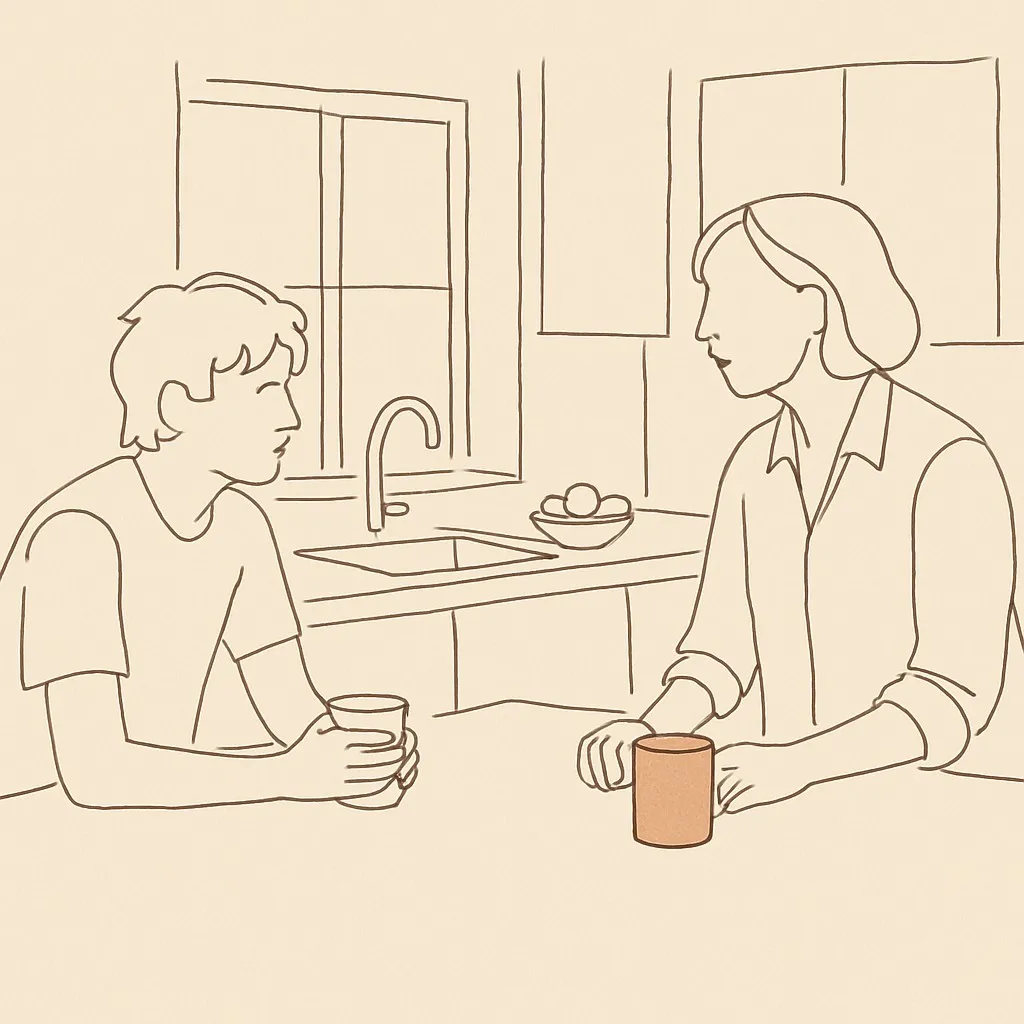 Everyday
“Dad told me something completely different.”
Parent-vs-parent contradiction in the field, not negotiated in advance. The reflex to win or to defer; the work is to pause both parents and the teen.
-
 Heated
“I told Lily's secret. To Maya. By accident.”
Confession of gossip. The reflex to scold; the work is to coach them through the repair.
-
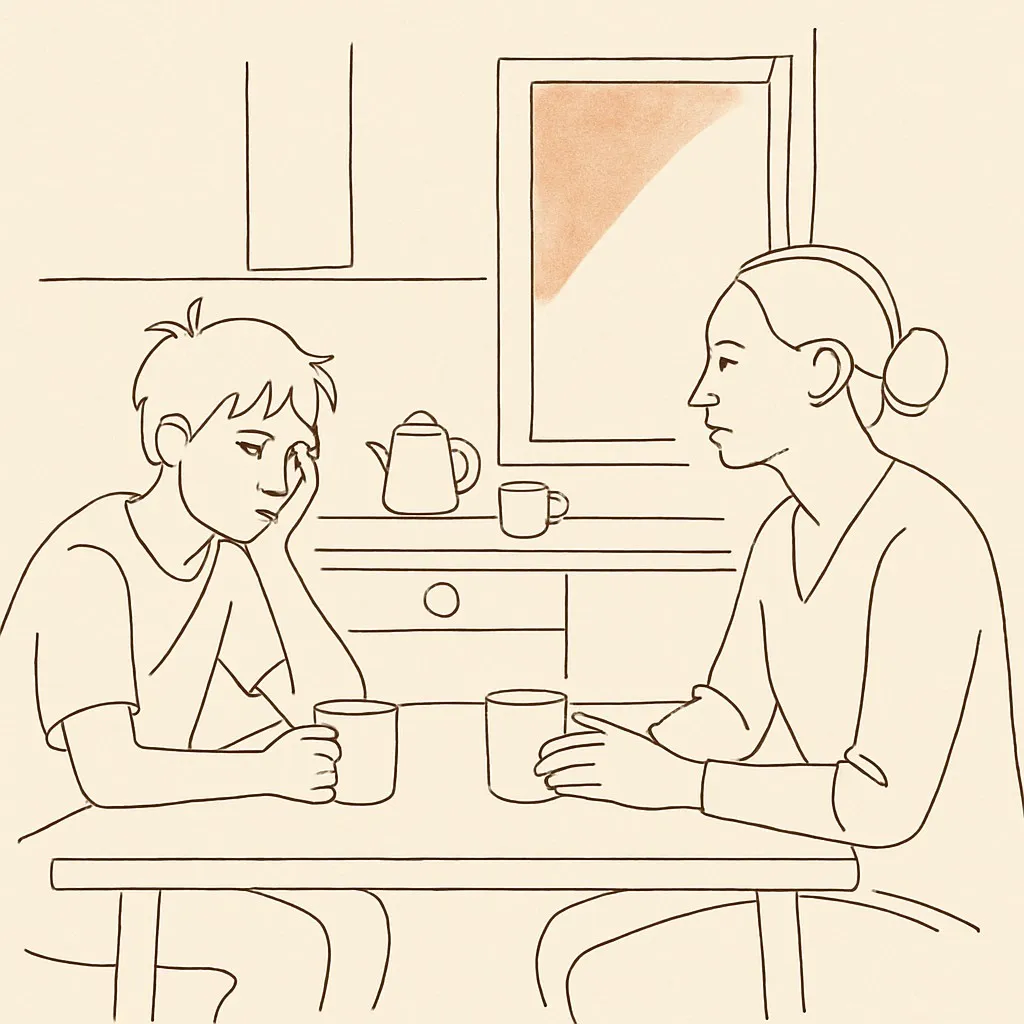 Heated
“Can I cut just one class? Just today?”
The minor truancy ask. Usually for a specific reason: anxiety, a friend, a date. The reflex to refuse; the work is to find out why.
-
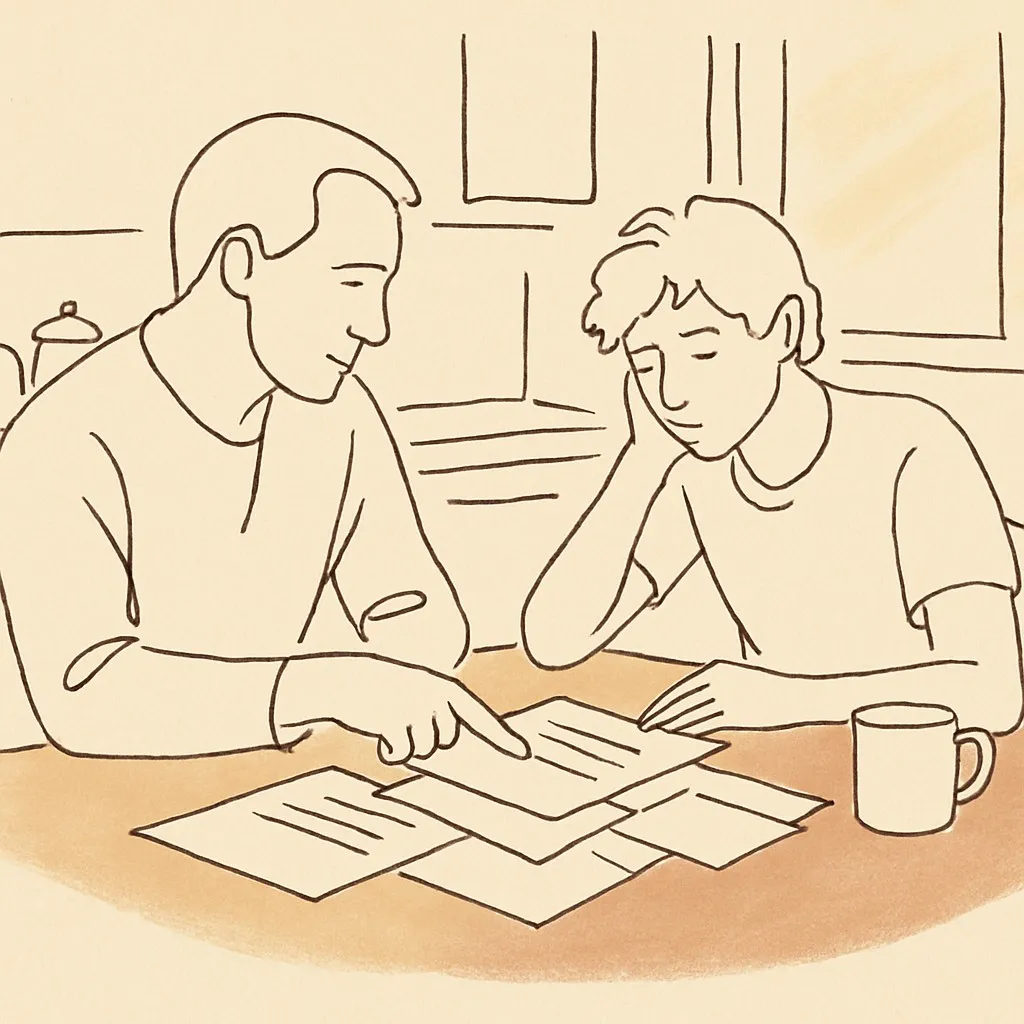 Heated
“Why are we poor?”
Family financial reality, articulated bluntly. The reflex to defend or to overshare; the work is to give the truth without making them the family financial planner.
-
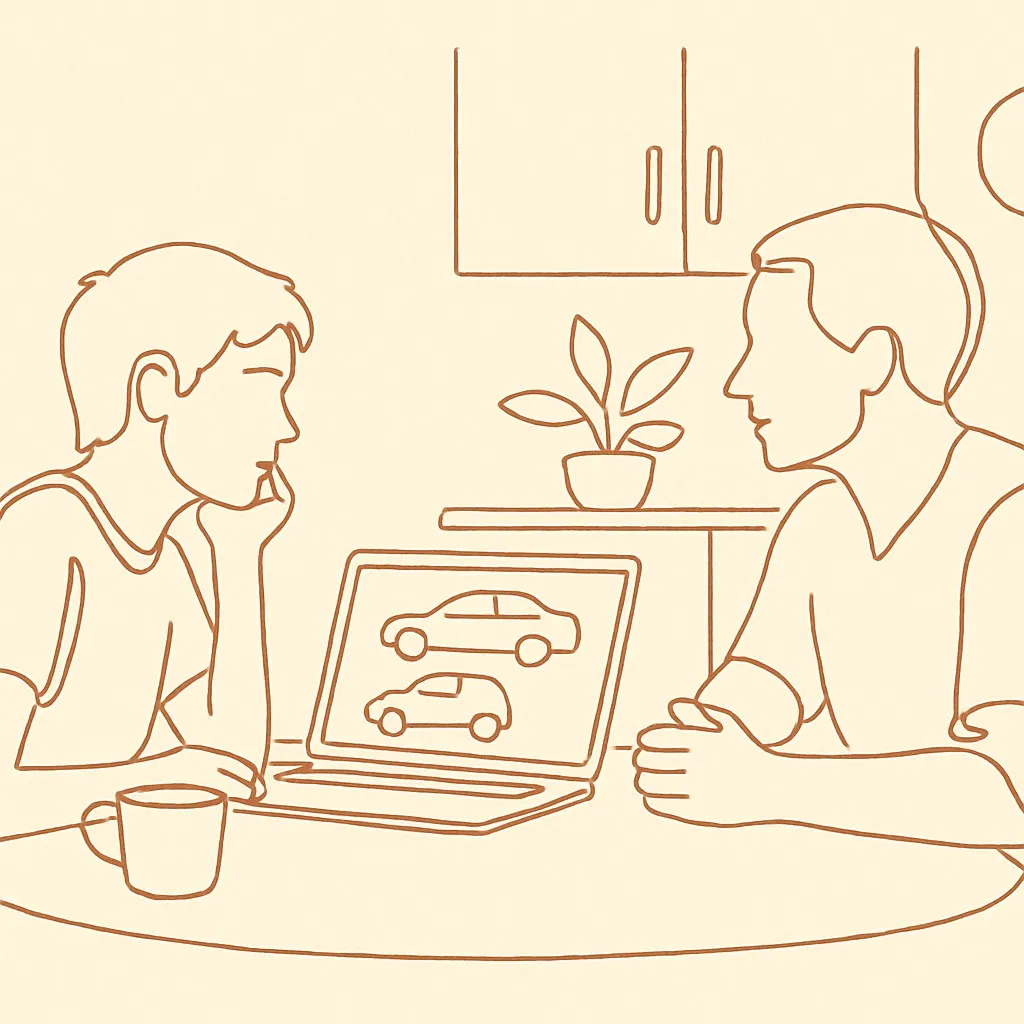 Everyday
“I want to buy a car.”
17-year-old, money saved, ready to spend. The reflex to take over the decision; the work is to coach the buying without buying for them.
-
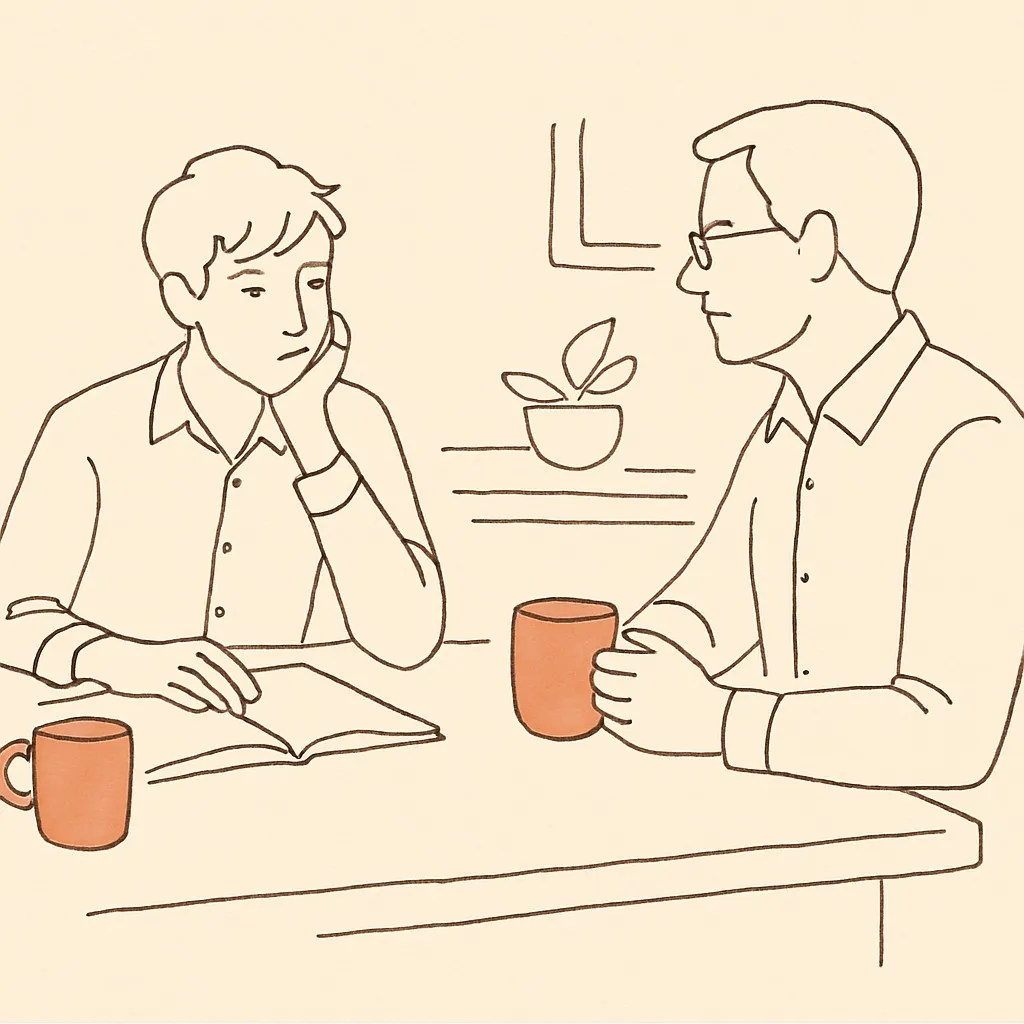 Everyday
“I bombed the interview.”
Job, internship, college admission. Self-assessment as failure. The reflex to comfort; the work is to debrief.
-
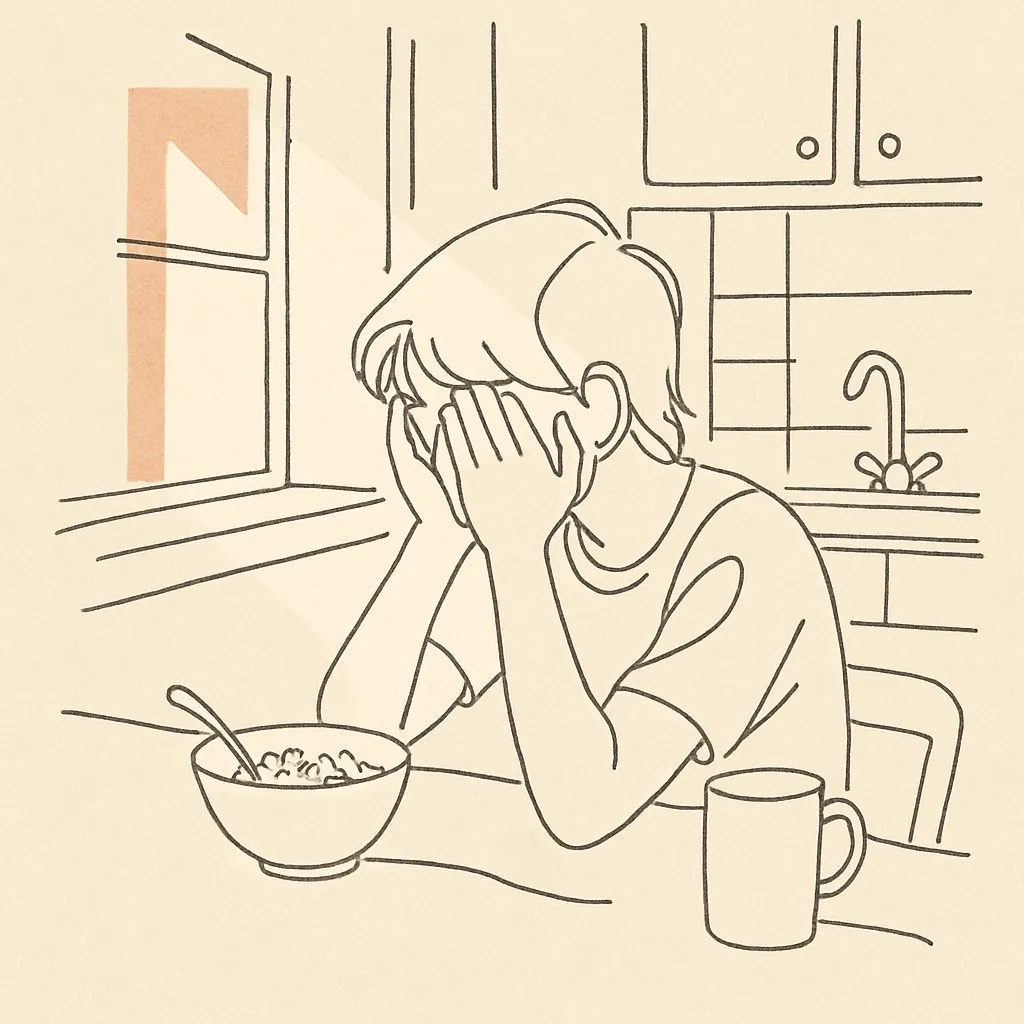 Heated
“I keep falling asleep in class.”
Sleep disclosure that's about more than tired — usually sleep timing, screen use, or undiagnosed sleep disorder. The reflex to scold for screens; the work is to diagnose.
-
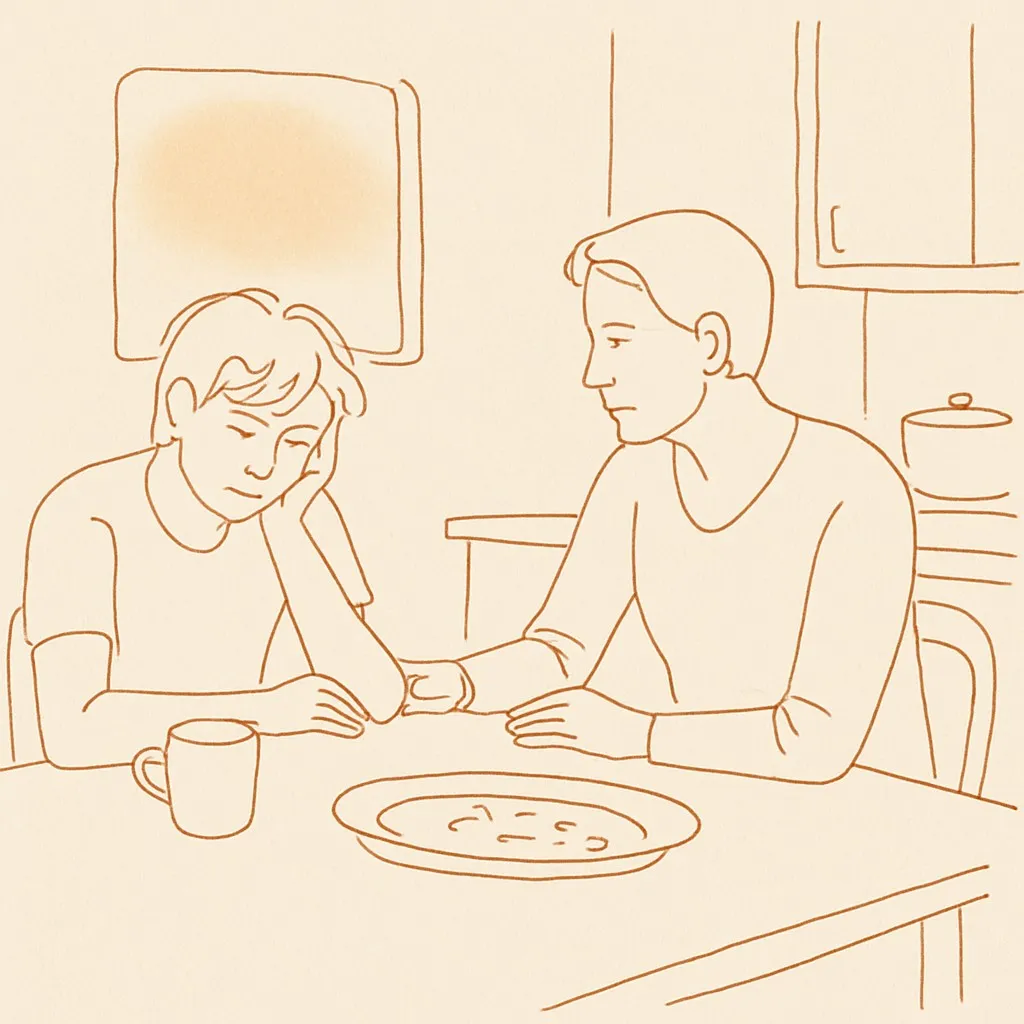 Heated
“What you said at dinner was racist.”
The teen calls the parent on a racist comment in front of family. The reflex to defend; the only repair is to own it.
-
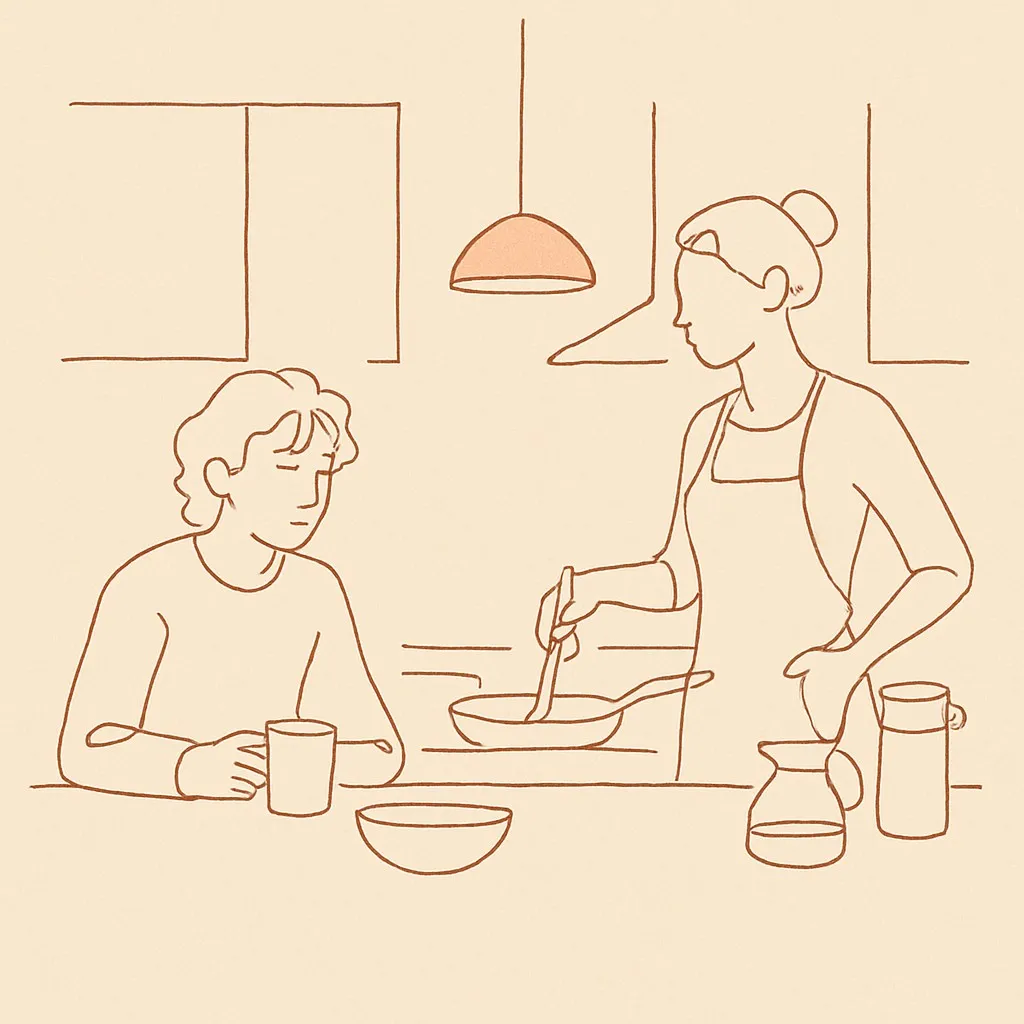 Heated
“I don't want to go to church anymore.”
Distinct from 'I don't believe in God' — this is the practice ask. Often comes first, before the belief shift. Negotiate the calendar without rejecting the family rhythm.
-
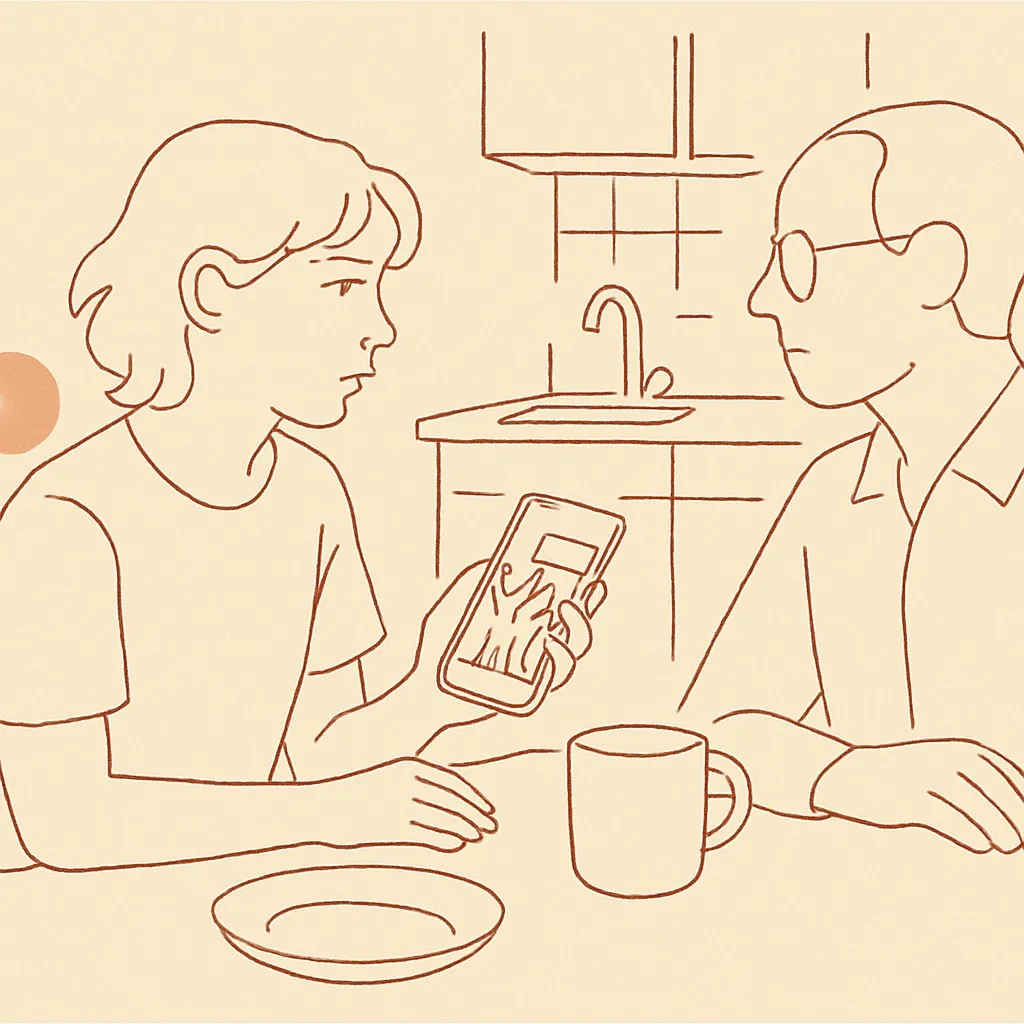 Heated
“I want to go to the protest this weekend.”
Civic engagement ask. The reflex to evaluate the cause; the work is to support the act of civic participation while having the safety conversation.
-
 Everyday
“I want to volunteer abroad next summer.”
Often a real impulse, sometimes a 'voluntourism' marketing trap. The conversation about what good volunteering looks like matters more than the yes or no.
-
 Everyday
“I want to write a book.”
Creative project ask. The reflex to encourage cheaply ('great, do it!'); the work is to engage with the actual project so it has a chance.
-
 Crisis
“Did you adopt me?” / “Am I adopted?”
The reveal moment — sometimes the teen discovered it, sometimes they're asking because something they heard didn't add up. The first sentence determines the rest of their life with you.
-
 Heated
“I want to quit Hebrew school / CCD / Sunday school.”
Specific to religious-education programs that families enroll teens in. Distinct from quitting religion entirely; just the formal class. Easier yes than parents often realize.
-
 Heated
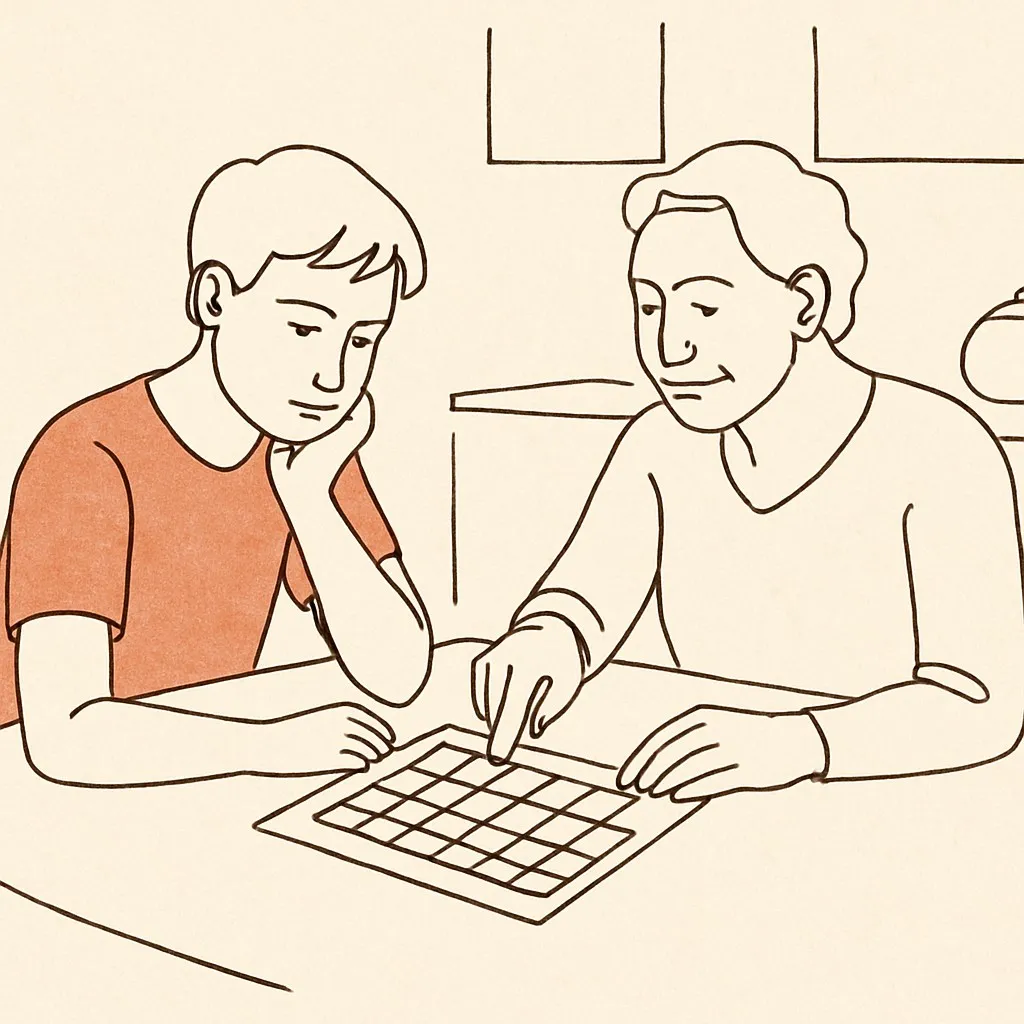
“I want to work after school three days a week.”
Different from 'a job' — specific time commitment that competes with homework and activities. The reflex to focus on grades; the work is to weigh both.
-
 Heated
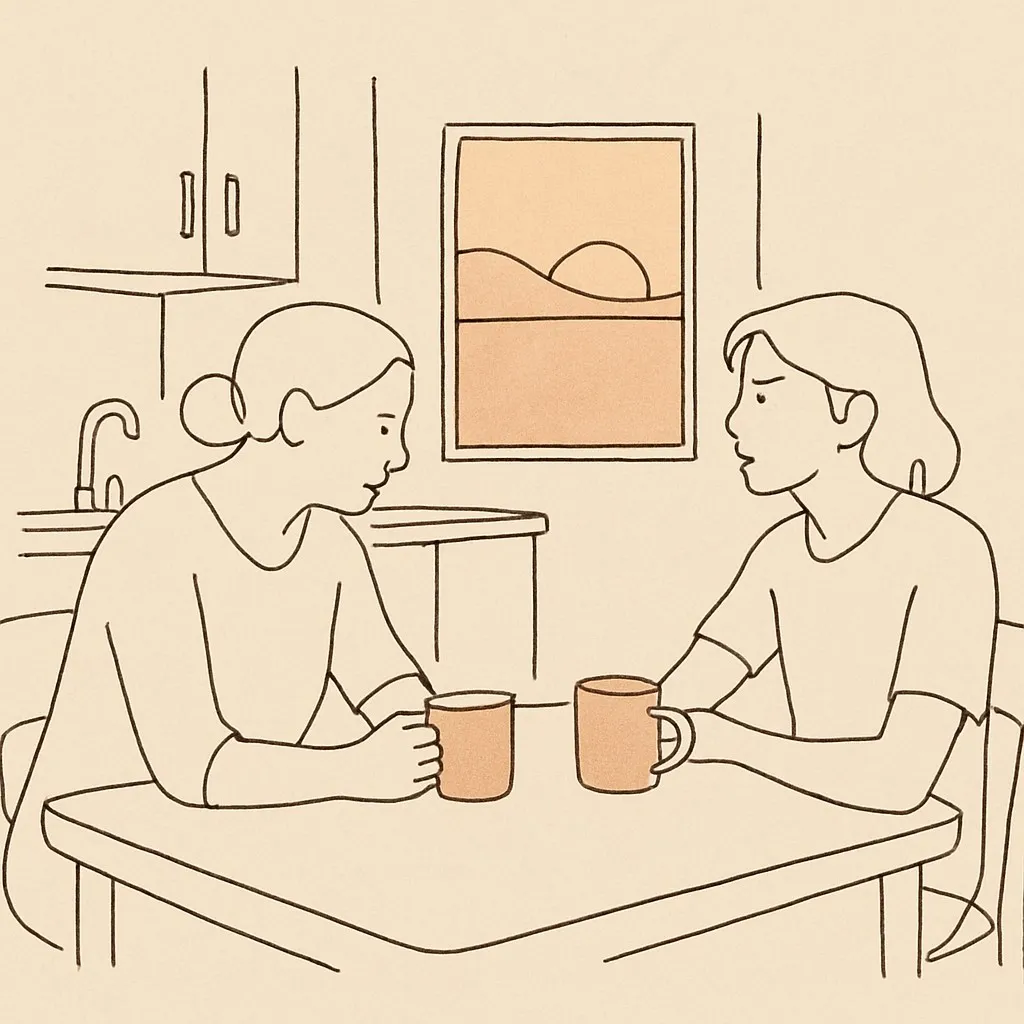
“Why do you always defend Dad / Mom / your partner?”
Teen sees parent siding with co-parent in a fight that affected them. The reflex to deny; the work is to honor the observation while explaining the marriage.
-
 Everyday
'A kid I met on Roblox wants to add me on Discord'
Your 11-year-old comes to you sounding casual: a friend they met playing Roblox wants to switch to Discord. Almost every off-platform predator contact starts here. How the parent reacts in the first 30 seconds shapes whether the kid ever brings it up again.
-
 Everyday
'Mom, can I have $50 for Robux?'
Robux requests are the modern allowance conversation. Handled well, they teach money. Handled with a flat no or a distracted yes, they teach the kid to find another way — usually a scam, a free-Robux site, or a swiped saved card.
-
 Heated
'My Roblox account got hacked, everything is gone'
Your kid comes to you devastated. The account they spent two years building is empty. Every parent's instinct is to fix it or to lecture. The right move is to grieve with them, then quietly do five things — none of which is what they expect.
-
 Heated
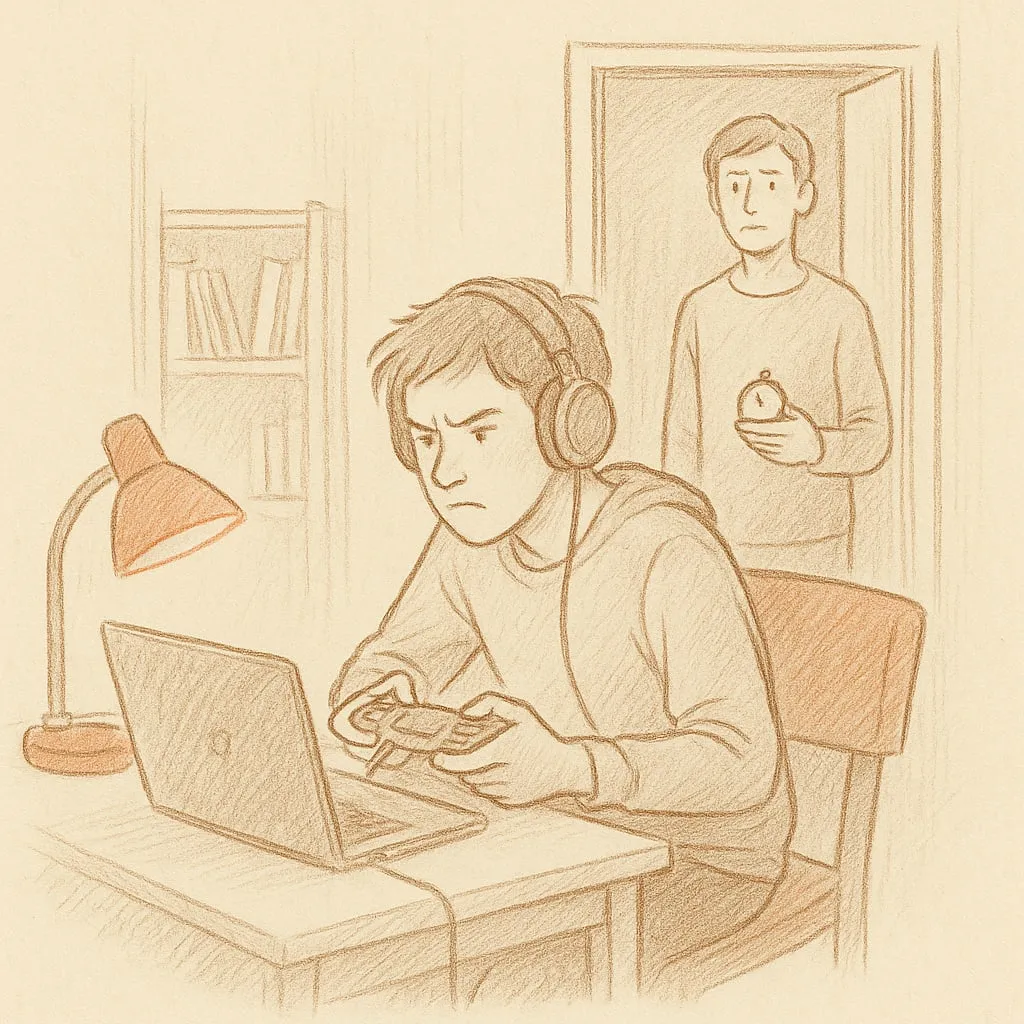
“I can't just stop.”
Ending screen time with an autistic teen isn't a willpower battle — it's a transition. Why the abrupt “time's up” triggers a meltdown, and the predictable hand-off that doesn't.
-
 Crisis
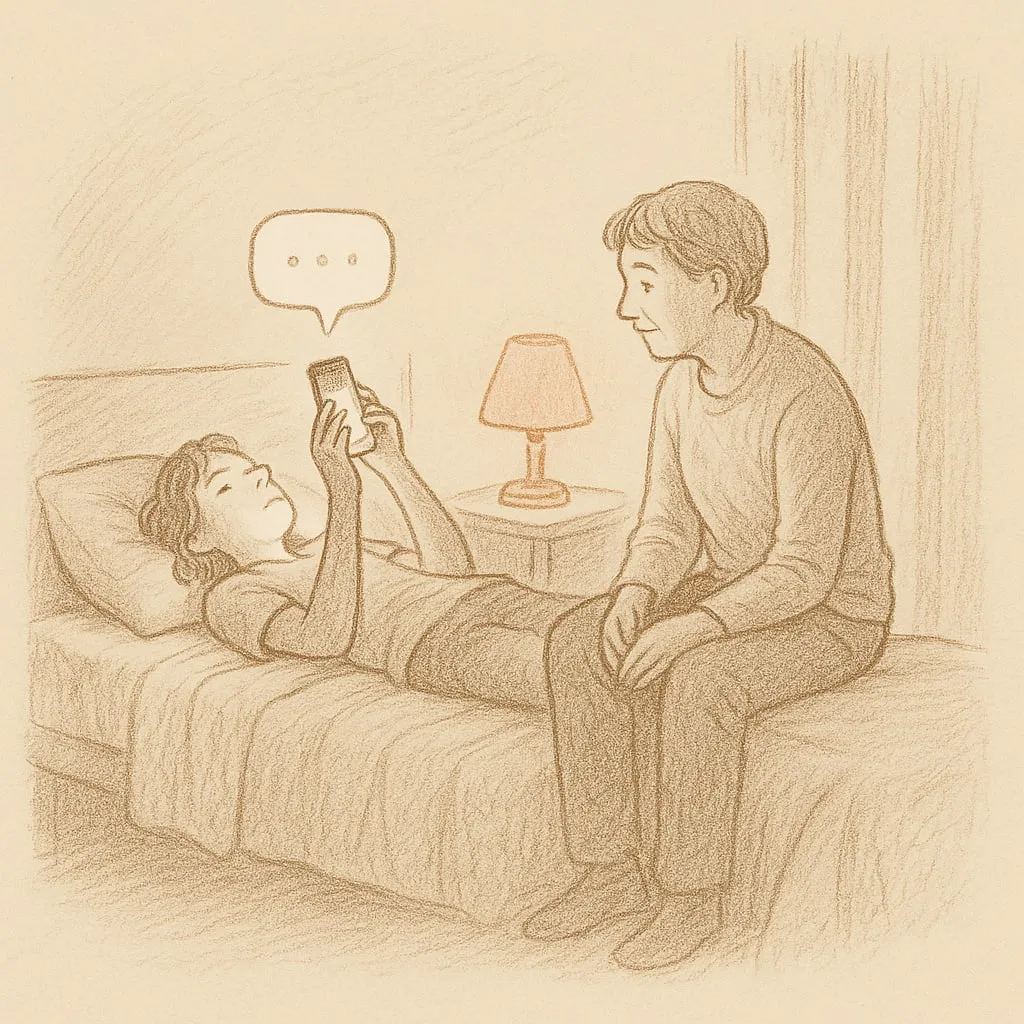
“He's my best friend. You just don't get it.”
When an online “friend” starts asking your autistic teen for money, photos, or secrets — and the friendship is real to them. How to flag the danger without attacking the relationship.
-
 Heated
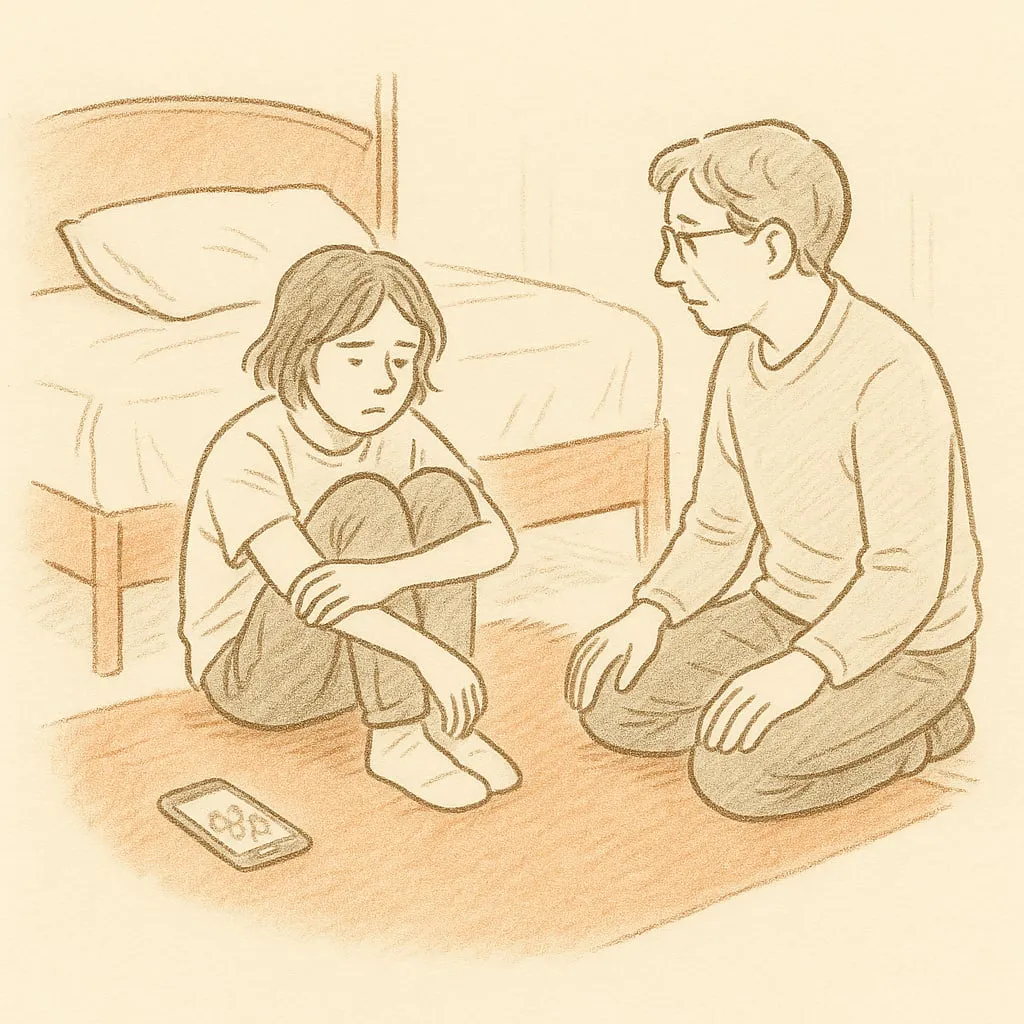
“They all hung out without me. Again.”
Your autistic teen just saw the group chat photos of a hangout they weren't invited to. The online world that connects them is also the one showing them exactly what they're missing. How to sit with it.
- Heated
“They all hung out without me again.”
The bullying-by-exclusion conversation. There's no slur to punish, no fight to break up — just a teen who's watching herself get erased from a group chat in real time. The instinct is to fix it; the better move is to sit in it first.
-
 Heated
“Five more minutes.”
The universal screen-time deflection. It is never five minutes. The conflict isn't really about the five minutes — it's about who decides when the night ends.
- Heated
“My team needs me. I can't quit now.”
Mid-match exit penalty, ranked rating on the line, friends in voice chat. To you it's a video game; to your teen it's a real social commitment. Both are true, and the boundary still has to hold.
- Everyday
“I'm so bored.”
Week three of summer. They've said it nine times this morning. The instinct is to either fix it (a plan, an outing, a screen) or to lecture (in my day…). Neither works. There's a third option.