What's happening.
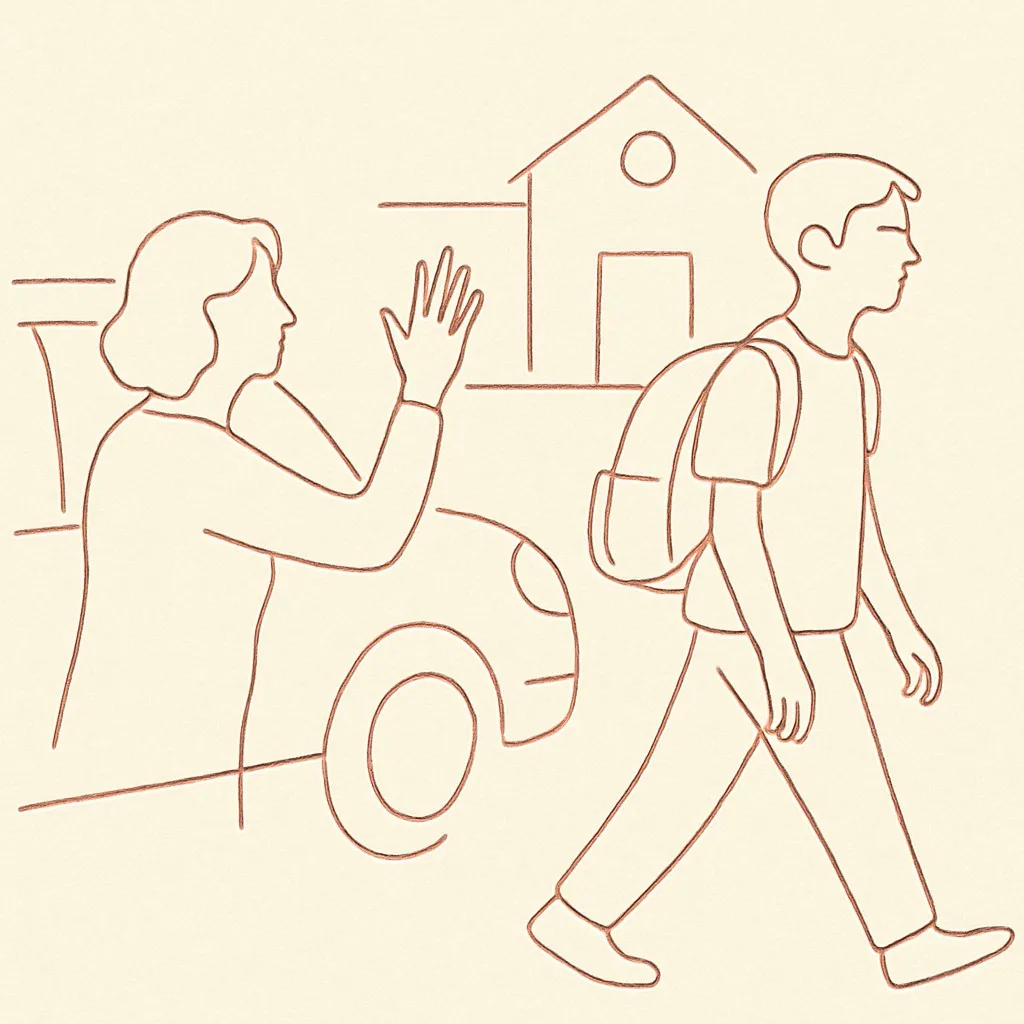
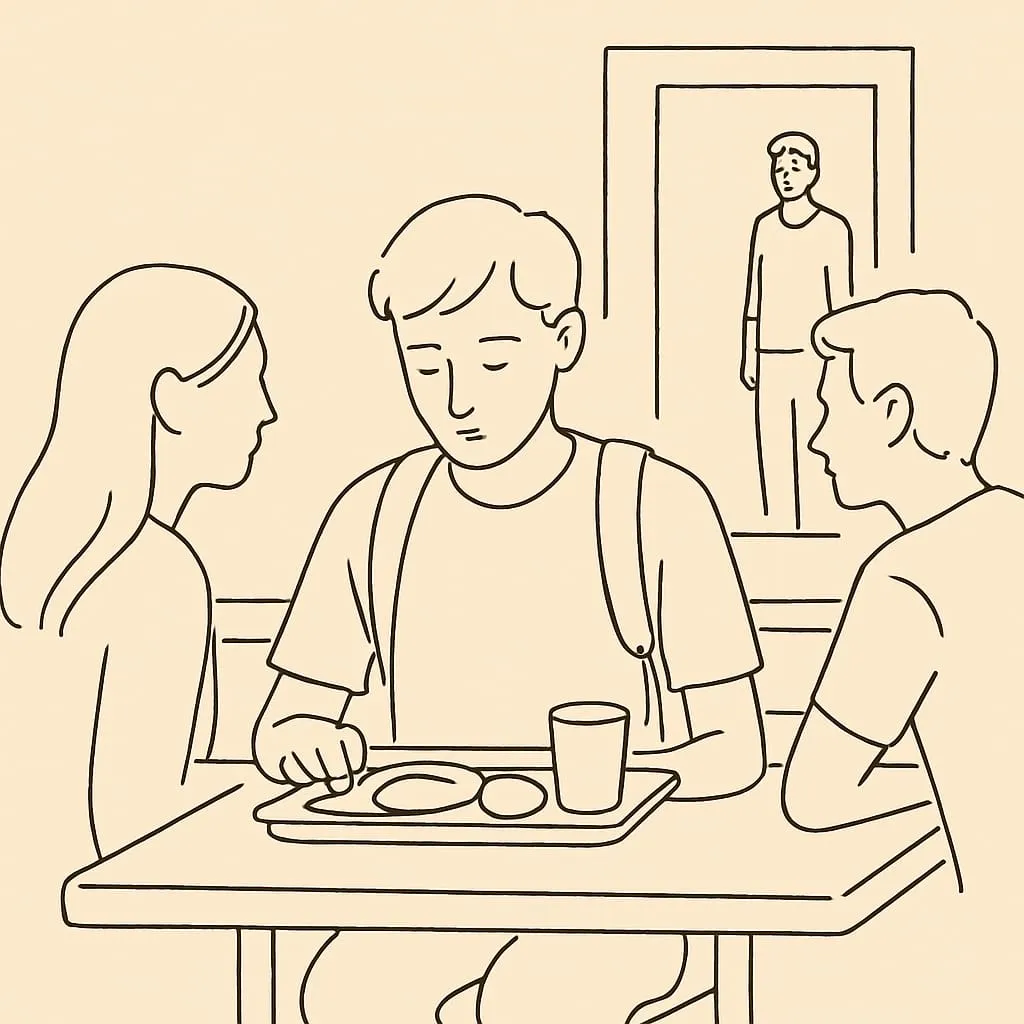
You wave at your teen from the car at school pickup. They glare. You bring up an inside joke at dinner with their friend over. They turn red and say, flat-toned, “You're embarrassing me.” You feel the sting.
What we usually say — and why it backfires.
Sorry I exist. I'll just disappear next time.
It's not that hard. Just don't talk.
Fine. Then don't ask me for anything either.
Cool.
- Sarcasm (“sorry I exist”) reads to the teen as a guilt trip, which they're developmentally primed to push back on.
- “Then don't ask me for anything” is a punishment that doesn't fit the offense and trains the teen to need you less, not more.
- Both of you walk away worse off, over a 5-second moment that didn't need to be a fight.
What works — and why.
Got it. Noted.
Sorry. It's not personal.
I know it isn't. You're calibrating your whole identity in front of an audience. I'll be quieter in front of friends and we can be normal at home.
Thanks.
- “Got it. Noted.” is the lowest-friction acceptance possible. No drama, no negotiation, no guilt.
- Naming the developmental reality (“calibrating your whole identity in front of an audience”) takes the personal sting out for both of you.
- Drawing a context-dependent line (quieter with friends, normal at home) gives the teen the dignity they need without abandoning the relationship.
Why this script works on a teen brain.
Embarrassment in adolescence is not a personality trait or a phase to be ridiculed out of them. It's a neurological event: the social-evaluation regions of the teen brain are hyperactive in a way they will not be again at any other point in life. Brain-imaging studies (Blakemore, 2019) show teens experience the gaze of peers as nearly as intense as physical pain. The wave of "you're embarrassing me" they direct at you is the same wave they're feeling about themselves, redirected at the safer target.
This means two things. First, the embarrassment is not a verdict on you — it's a verdict on the audience. Behaving differently around their friends is genuine respect for the developmental work they're doing in front of those friends. Second, the relief at home (the "we can be normal") is the actual relationship being preserved. Don't sacrifice the home version to win the in-public version.
The parents who get this wrong in adolescence often discover, by college, that the kid still doesn't want them at events. The parents who get it right discover the same kid wants them at everything by 19.
Same dynamic, different surface.
You drop off your 14-year-old at the mall. You roll the window down to say bye. They mouth "GO" and walk briskly the other direction. You drive away feeling small.
What usually happens.
(Later that evening.)
That was really rude this afternoon. I just wanted to say goodbye.
I told you not to roll the window down.
Excuse me for being your mother in public.
I'm going to my room.
- Bringing it up hours later, when both of you have cooled down, escalates a non-event back into a fight.
- "Excuse me for being your mother" makes the embarrassment about your dignity, when it was always about their developmental moment.
- The teen walking off to their room is them learning the lesson: don't be vulnerable about embarrassment, because it'll be used against you.
What works better.
(Later that evening, no preamble, while making dinner.)
Today's drop-off rules — confirmed. No window roll-down at the mall.
Oh my god. Sorry. I was such a jerk.
You weren't. You were 14 at a mall. Different rules apply.
- Making it light ("rules confirmed") tells the teen you understood without forcing them to apologize first — which is when they usually do apologize.
- "You weren't [a jerk]" gives them a clean way to feel less bad about being mean to you, which they almost always feel.
- "Different rules apply" is the developmental truth, named matter-of-factly. They feel met instead of judged.
Key phrases to reach for in the moment.
- Got it. Noted.
- I know it isn't personal.
- You're calibrating your identity in front of an audience.
- I'll be quieter in front of friends. We can be normal at home.
When to use each one.
-
Got it. Noted.
Use in the moment, in public. Two words, no drama. Saves the full conversation for home.
-
You're calibrating your identity in front of an audience.
Use at home, once, when you want the teen to hear that you understand the science. Don't repeat — it becomes a punchline.
-
I'll be quieter in front of friends. We can be normal at home.
Use to make the rule explicit. The contrast is what makes the at-home version feel like a relief.
-
Different rules apply.
Use when they apologize. Releases them from guilt and reaffirms the rule in one phrase.