—
—
—
Picture your first move in your head. Take a beat. Then reveal what the family that nailed this actually did.
The lesson in one line
—
What they actually did
—

Your map
Hover any leaf — tap to jump.
What worked for other families — with sources.
Real stories · 54 families
Before the library, play a quick round: read a real situation, choose the move that worked, and learn why.
Level 1 · 0 practiced · 0 explored — pick up where you left off.
 My Teen's World
Hi — I am right here with you. Here is why this helps.

0 XP this round · 0% read right
All-time 0 XP · Level 1 · best streak 0
You are getting their world.


Level up
Naming the feeling
Taking the heat out of the hard moments.

Practice is how the change sticks, and one session a day is free. Members practice as much as they want, and get a Friday Reading written for your teen, so it keeps building all week.
Go unlimited with membership →First 10 free · Sign up unlocks 20 · Membership opens all 54.
Your stories journey
Open one a day — you are quietly building real fluency in their world.
Families who cut contact, kept the evidence, and reported to the FBI shut the threat down. Paying only fed it.
Verified · 3 sources
NCMEC's tool fingerprints an explicit image so major platforms block it — anonymously, without involving anyone the teen doesn't want to.
Verified · 3 sources
A bell-to-bell ban lifted test scores and attendance within two years — a national study confirmed the hunch.
Verified · 3 sources
Since the three-digit line launched, most callers leave less suicidal — and teen-and-young-adult suicide deaths came in measurably below projections.
Verified · 3 sources

In a controlled trial, a single week off cut anxiety and depression scores — a low-stakes experiment any family can try.
Verified · 3 sources
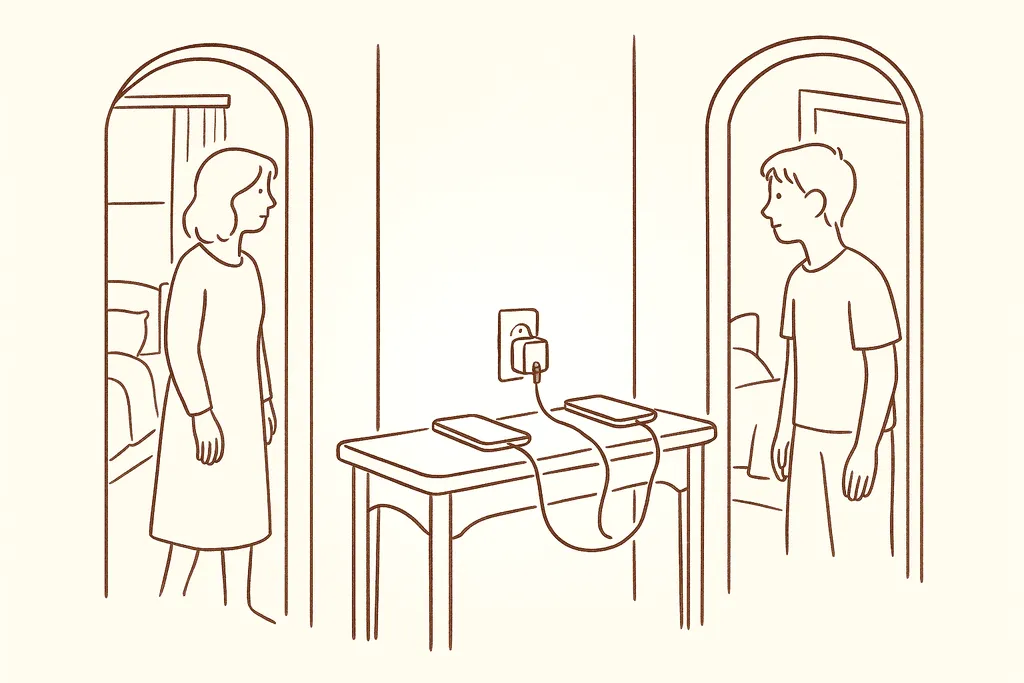
A small rule with measured results: less time falling asleep, more sleep overall, and better mood and memory.
Verified · 3 sources
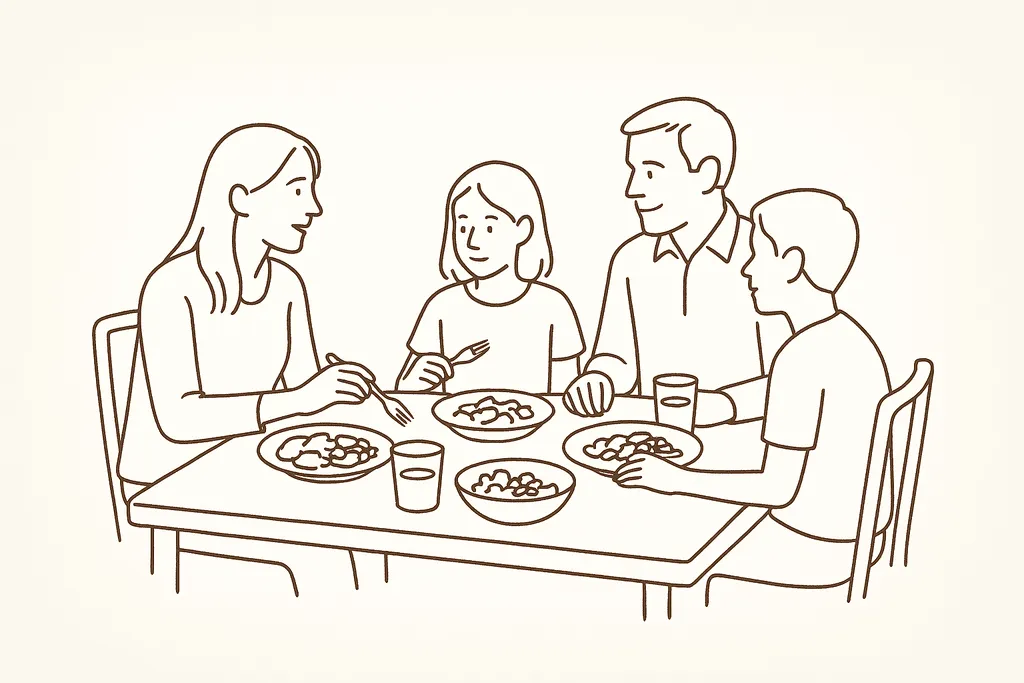
Putting parents in charge of refeeding — not blaming them — has the strongest recovery record for adolescent anorexia.
Verified · 3 sources
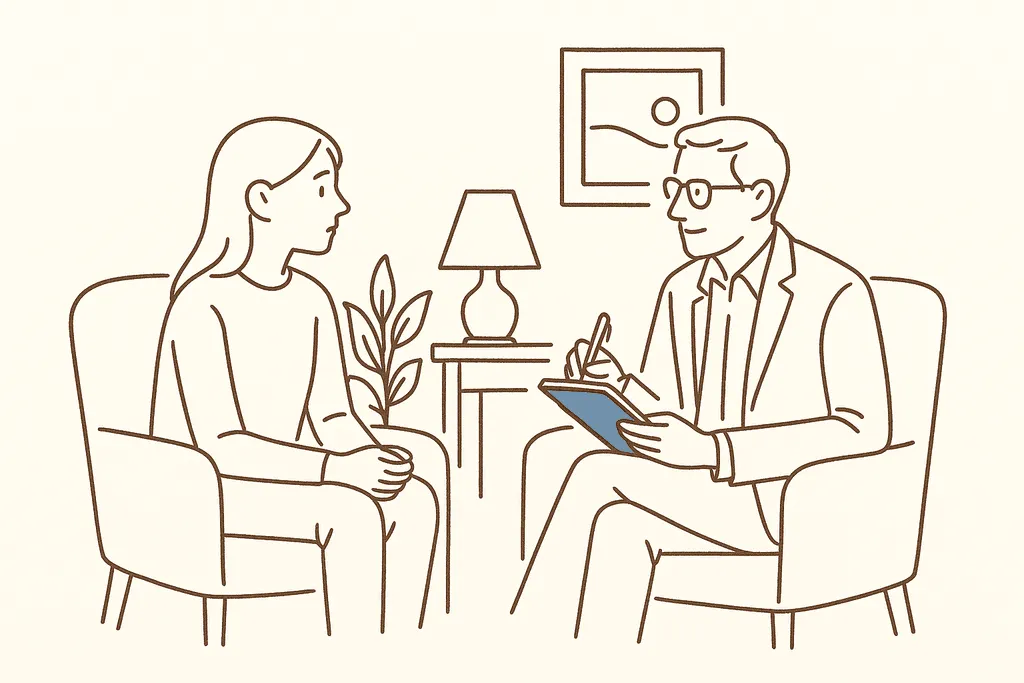
Structured, skills-based therapy — ideally with a parent involved — has the deepest evidence for teen anxiety and depression.
Verified · 3 sources
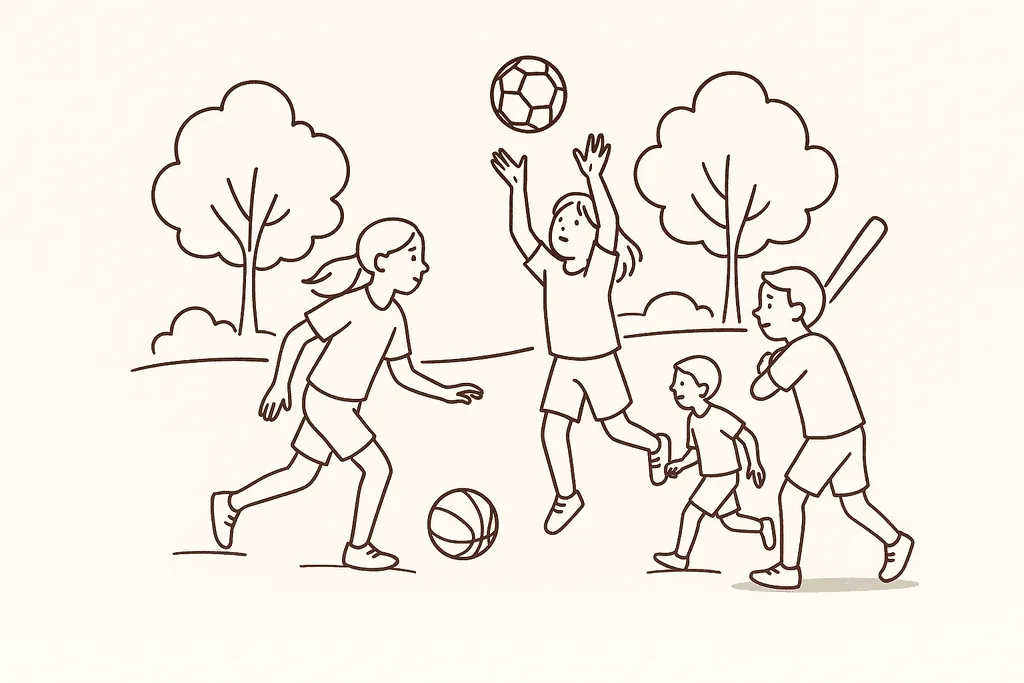
The pledge solves the 'my kid's the only one' problem by getting whole grades to wait together.
Verified · 3 sources

A WhatsApp group between friends grew into a charity that helped towns, schools and even governments rethink smartphones.
Verified · 3 sources
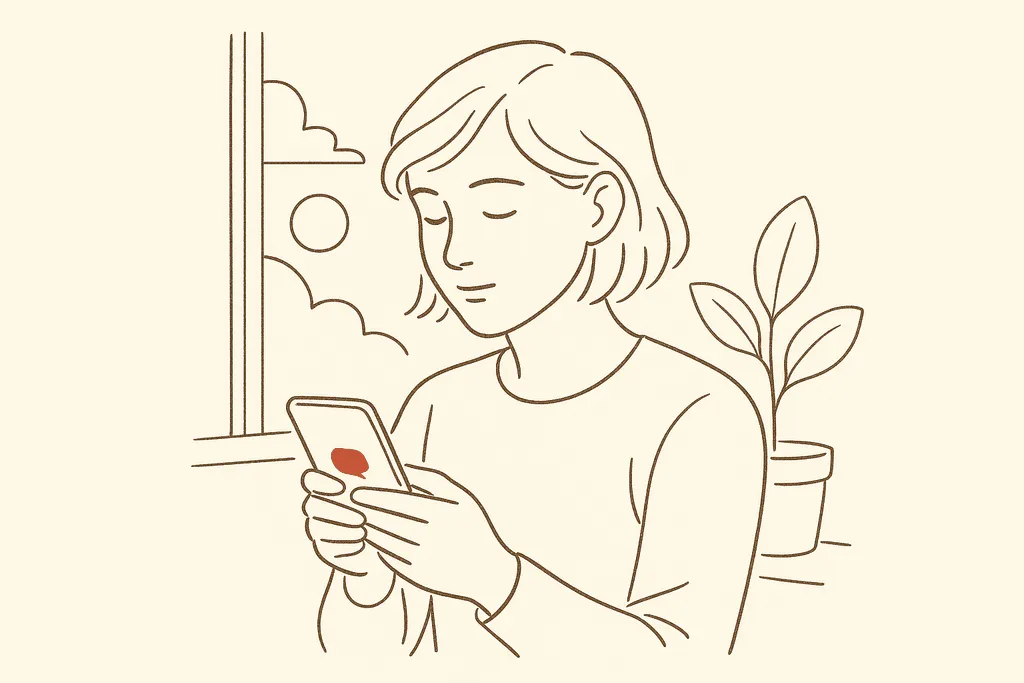
For teens who'd never call, a free text to 741741 reaches a trained counselor — and frequently prevents self-harm.
Verified · 3 sources
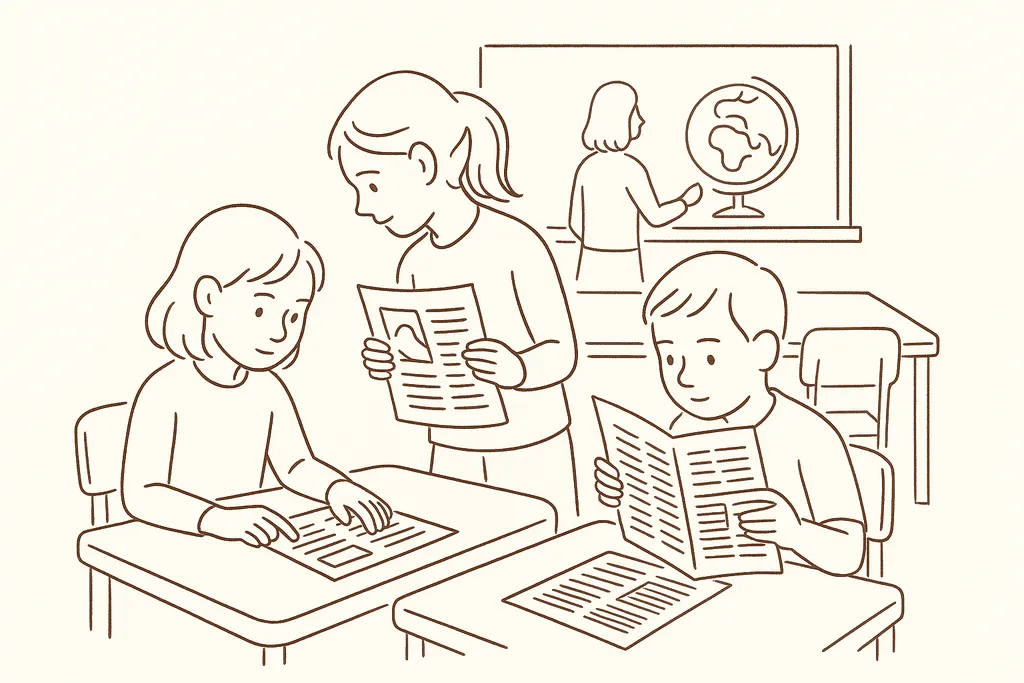
Media literacy woven through the curriculum since the 1990s made Finland Europe's most disinformation-resistant country.
Verified · 3 sources
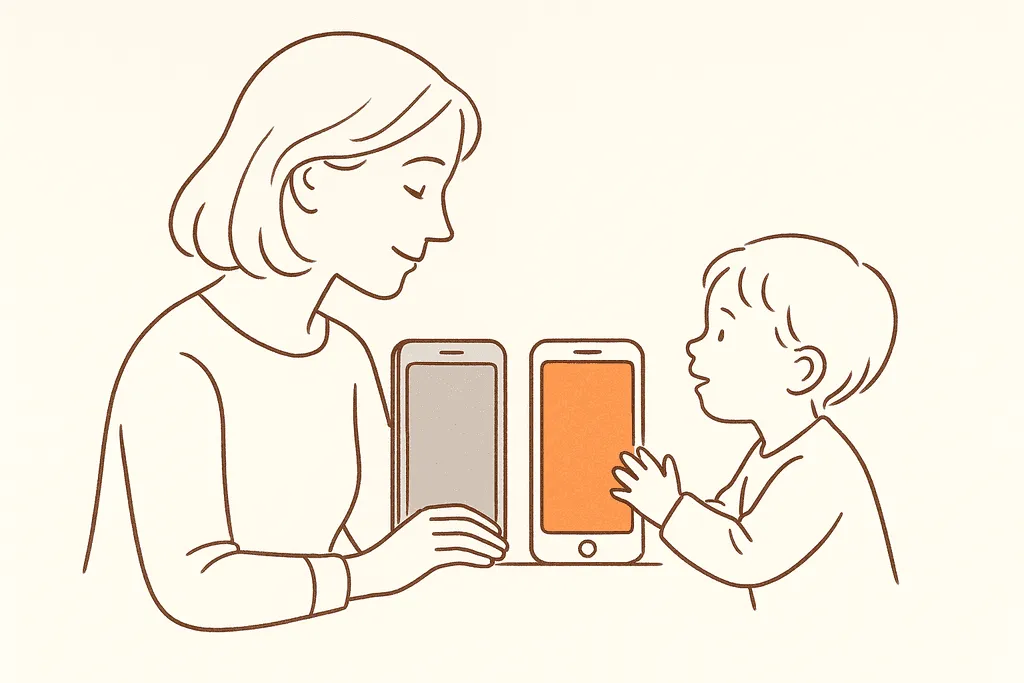
Two free settings — grayscale and notifications-off — cut screen time and distraction in controlled studies.
Verified · 2 sources
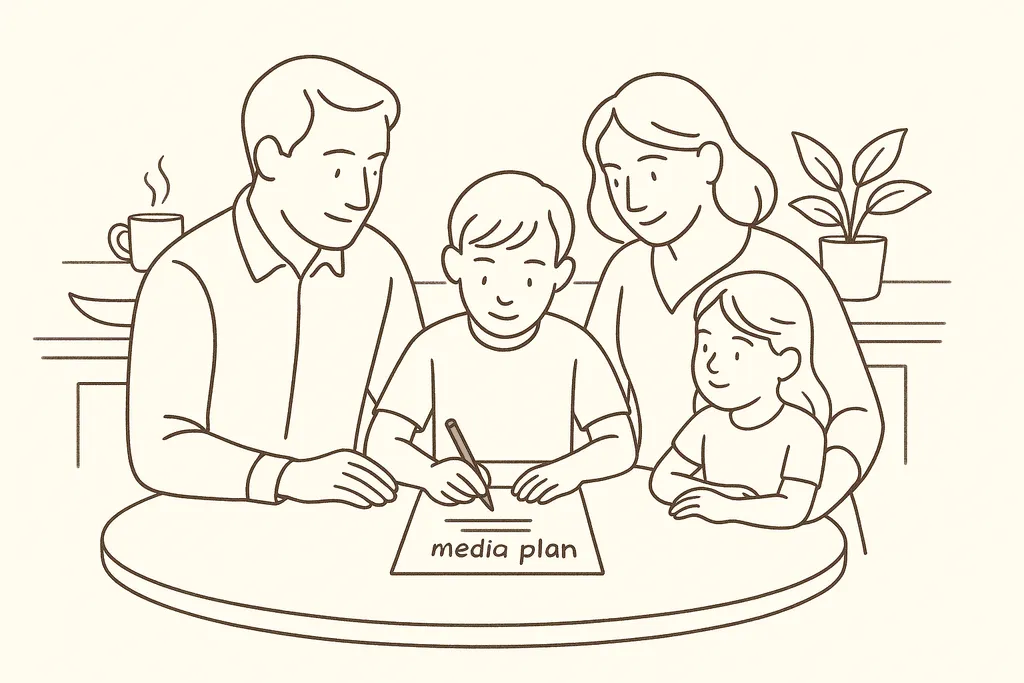
The 2023 advisory's top recommendation is a free, customizable family media plan — turning vague rules into shared expectations.
Verified · 3 sources
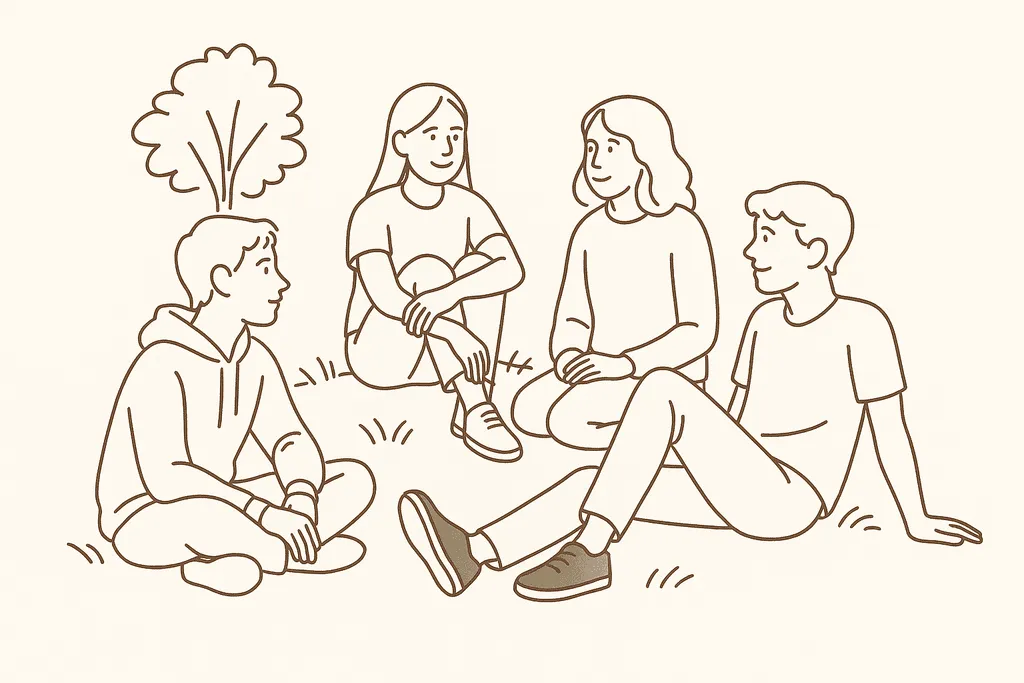
Jonathan Haidt's most-adopted norm is gaining real traction worldwide — and it's easier when peers' families do it too.
Verified · 2 sources
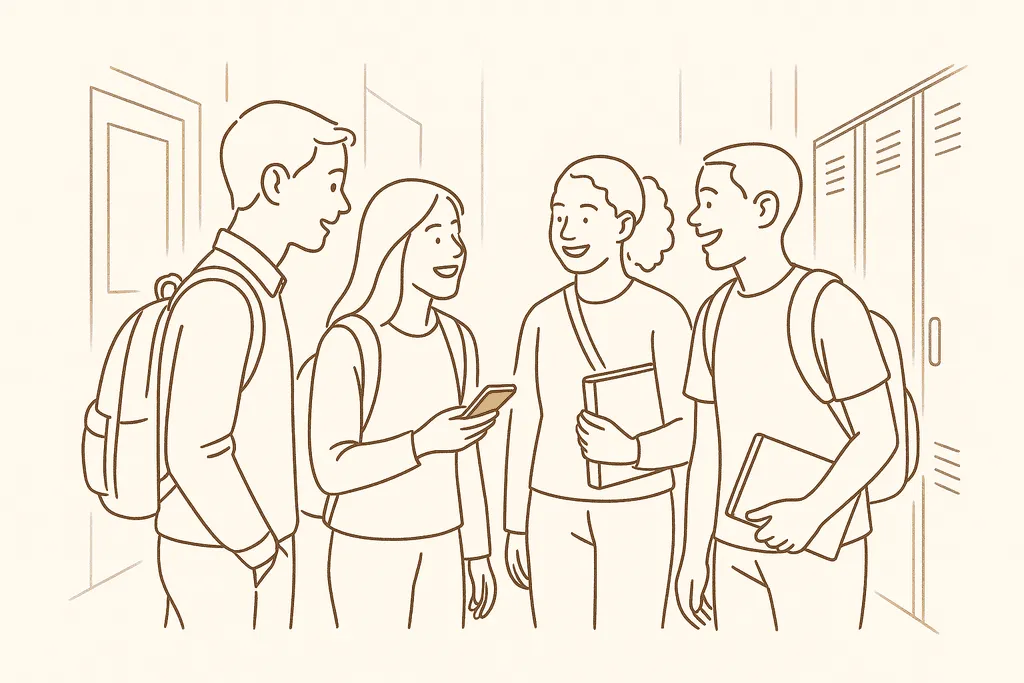
Principals overwhelmingly report calmer hallways and more face-to-face connection after bell-to-bell bans.
Verified · 3 sources
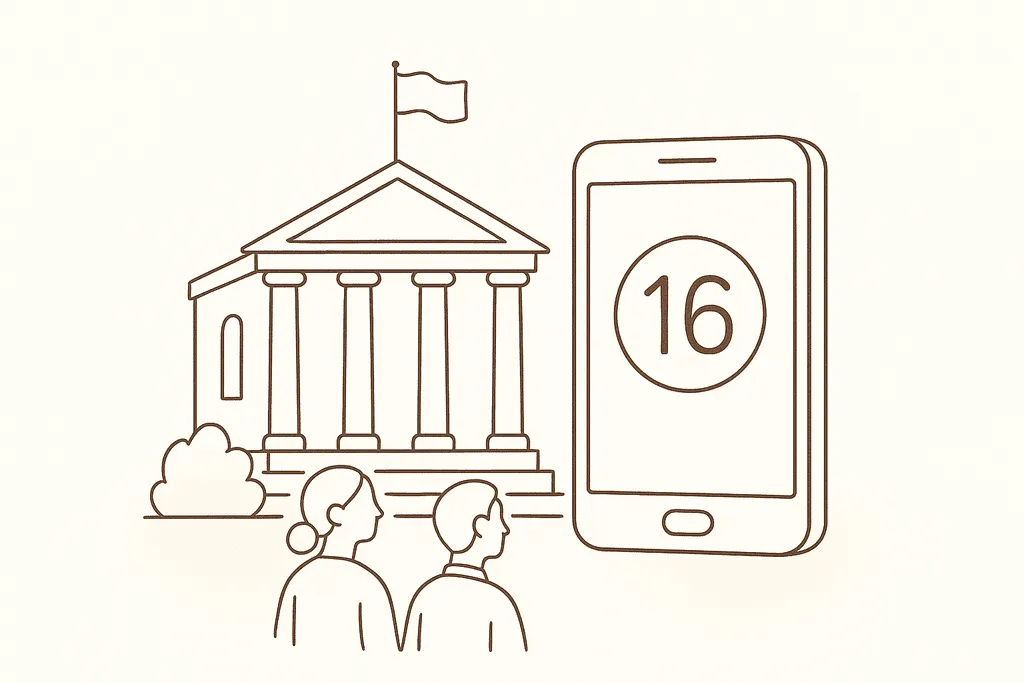
A first-of-its-kind law makes companies, not kids or families, responsible for keeping under-16s off social media.
Verified · 3 sources
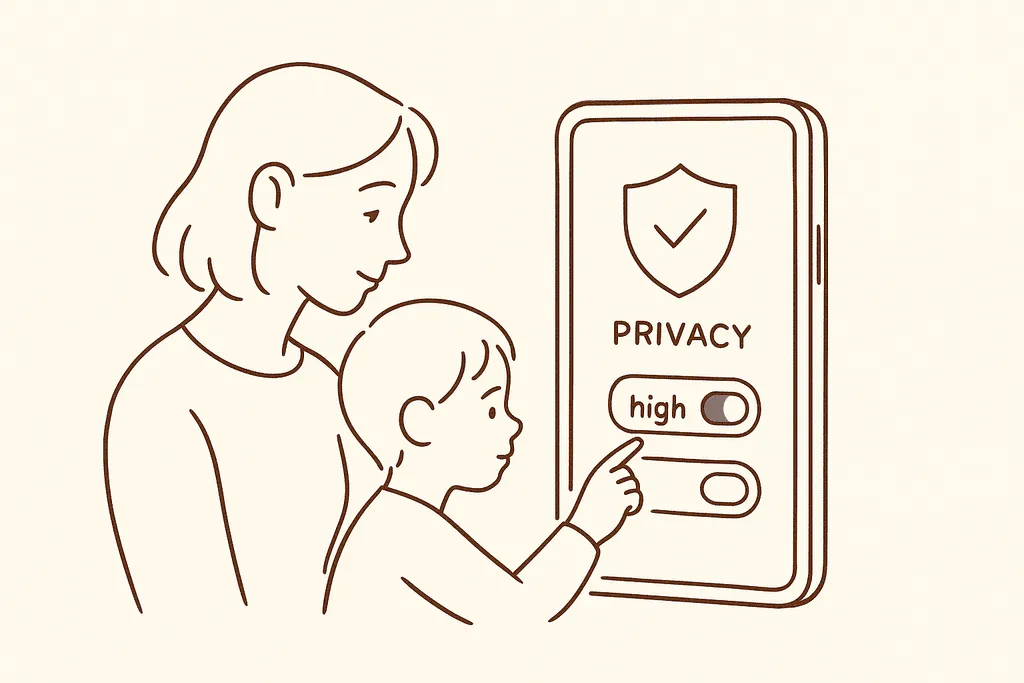
The Children's Code forced platforms to default young users to high privacy — and dozens of real changes followed.
Verified · 3 sources
Context-aware tools surface self-harm and predator signals early — a powerful safety net, balanced against a teen's privacy.
Verified · 3 sources
Common Sense's digital-citizenship lessons reach classrooms in all 50 states, giving kids shared frameworks for tough online moments.
Verified · 3 sources
A tiny built-in delay before opening an app changed behavior in a peer-reviewed field study — friction beats willpower.
Verified · 3 sources
Instead of lecturing about drugs, Iceland rebuilt teens' free time around sport, music and parents — and the numbers collapsed.
Verified · 3 sources
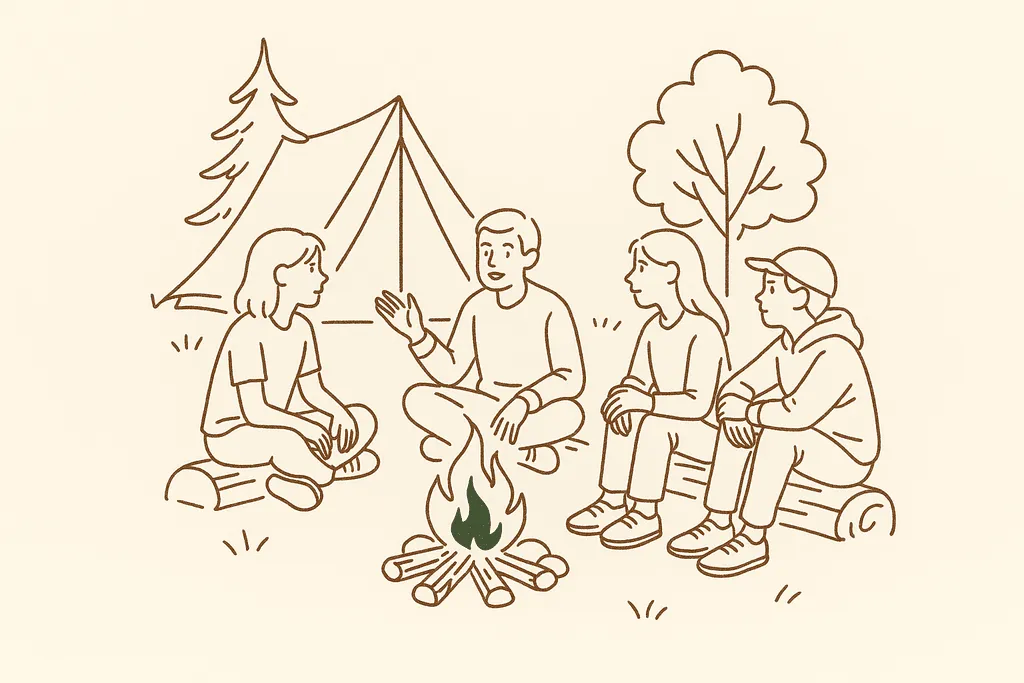
A UCLA study sent sixth-graders to camp without screens — and their ability to read faces and feelings measurably improved.
Verified · 3 sources
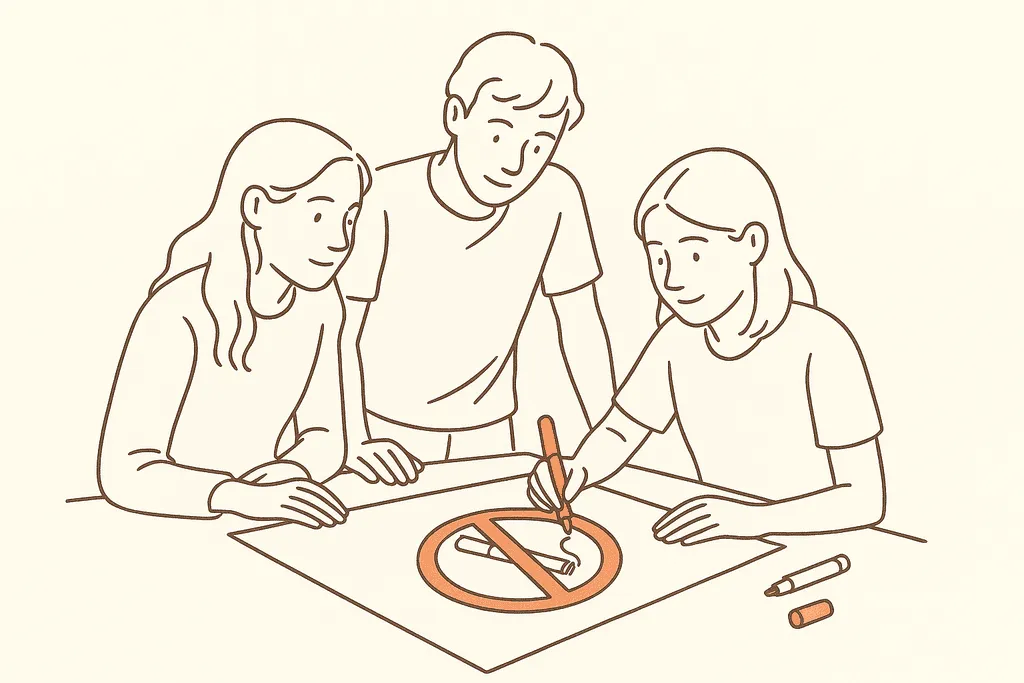
Honest, teen-led anti-tobacco messaging drove youth smoking to record lows — and is now bending the vaping curve too.
Verified · 2 sources
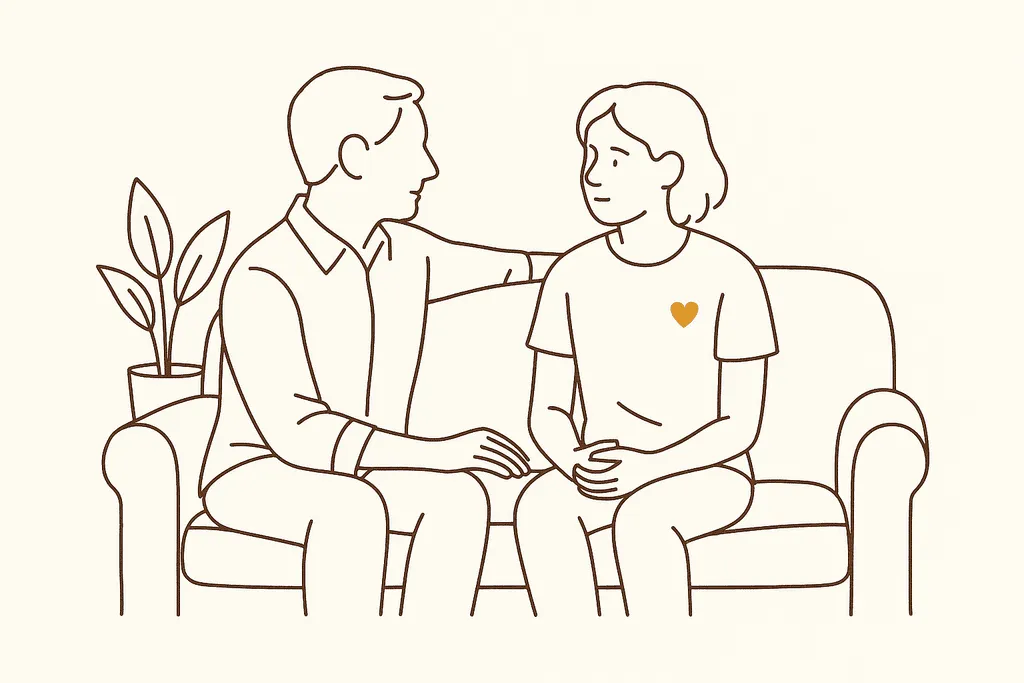
Specialized crisis support saves lives in the moment — and the same research shows an affirming home is one of the strongest protective factors.
Verified · 3 sources
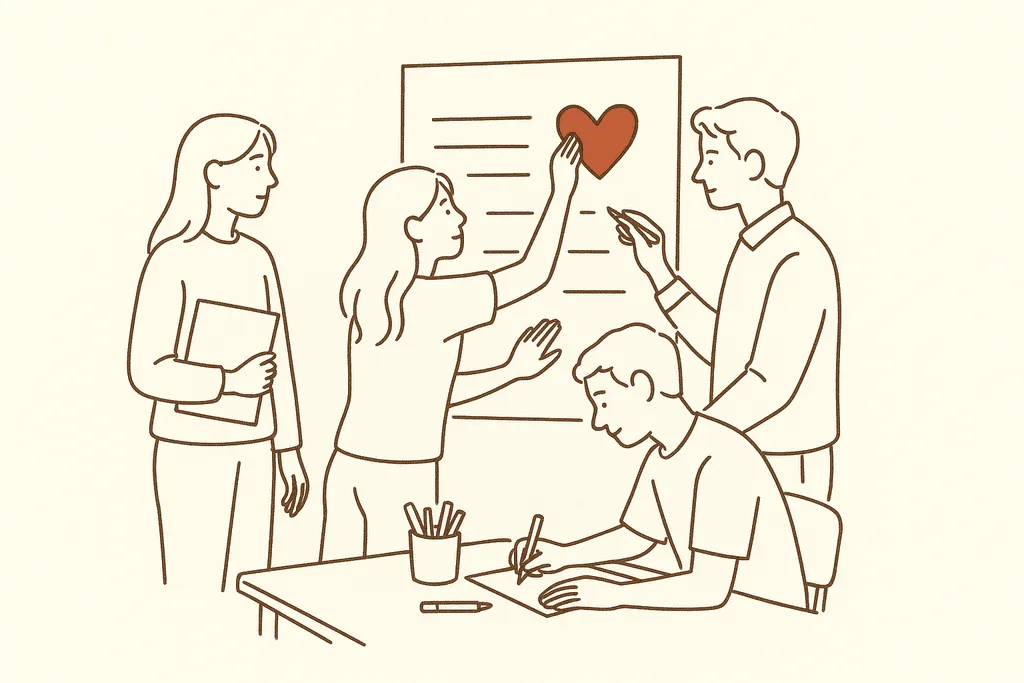
Equipping respected students to model help-seeking shifts a whole school's norms upstream — the culture that makes crises less likely.
Verified · 3 sources
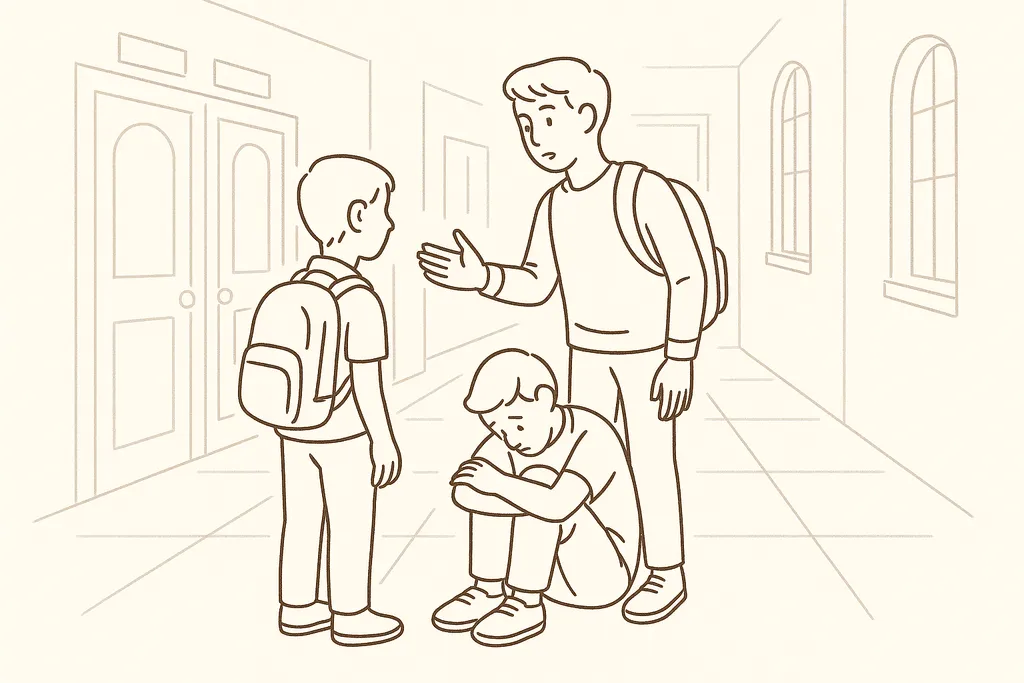
Bullying drops when the silent majority becomes defenders — KiVa proved it in a 234-school trial.
Verified · 3 sources
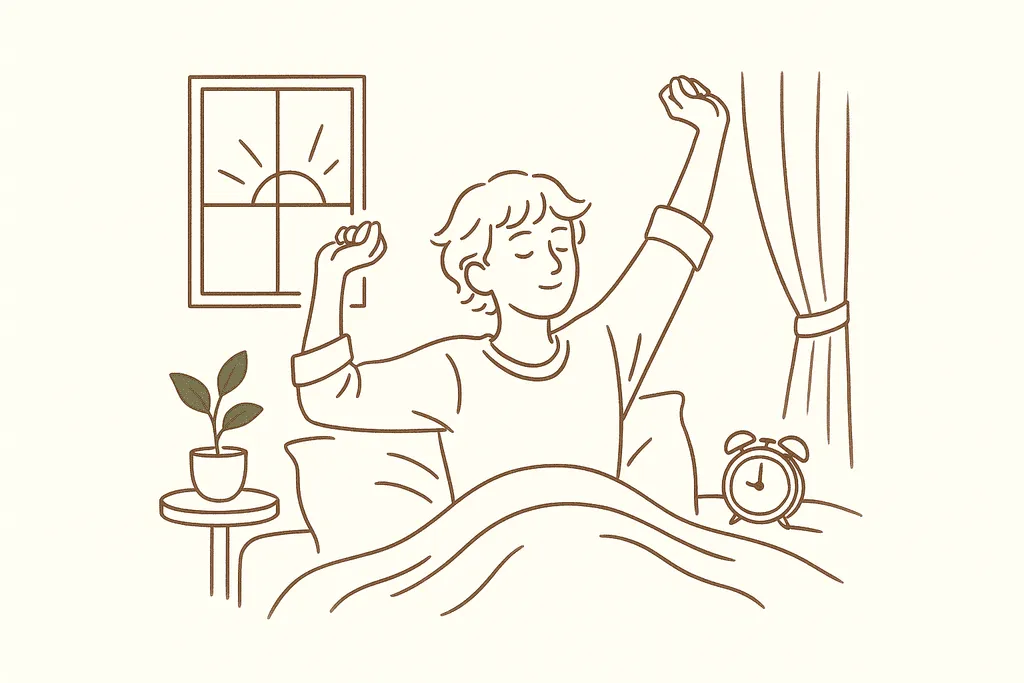
Teen bodies are wired to sleep later — moving start times gave real sleep and better grades, without kids staying up later.
Verified · 3 sources
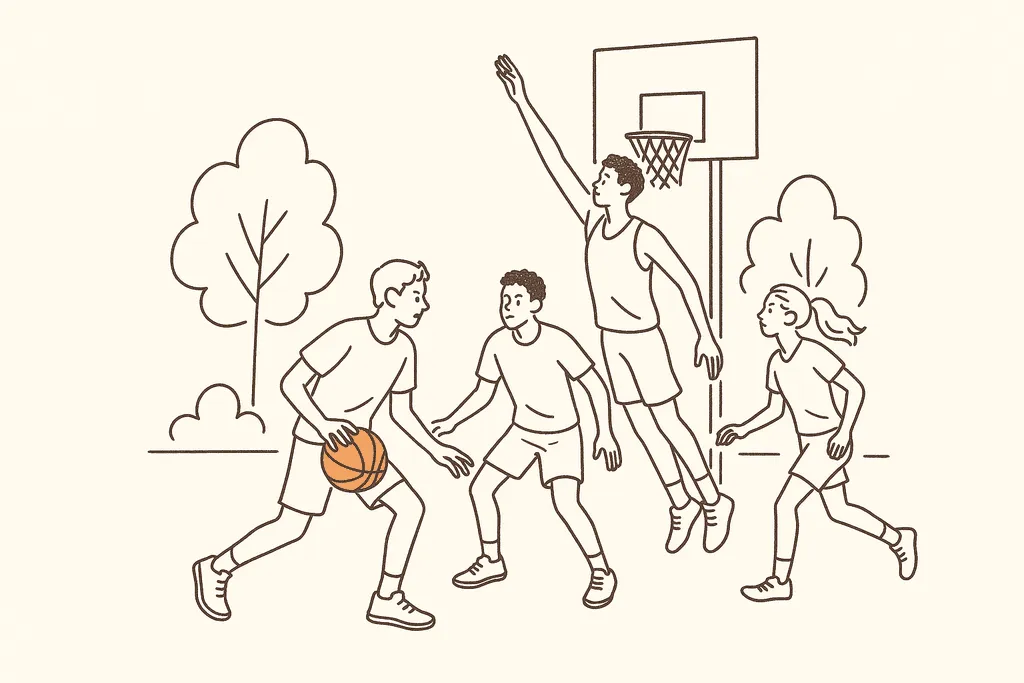
Across hundreds of trials, regular exercise produced a meaningful drop in adolescent depression — a powerful, accessible add-on to care.
Verified · 3 sources
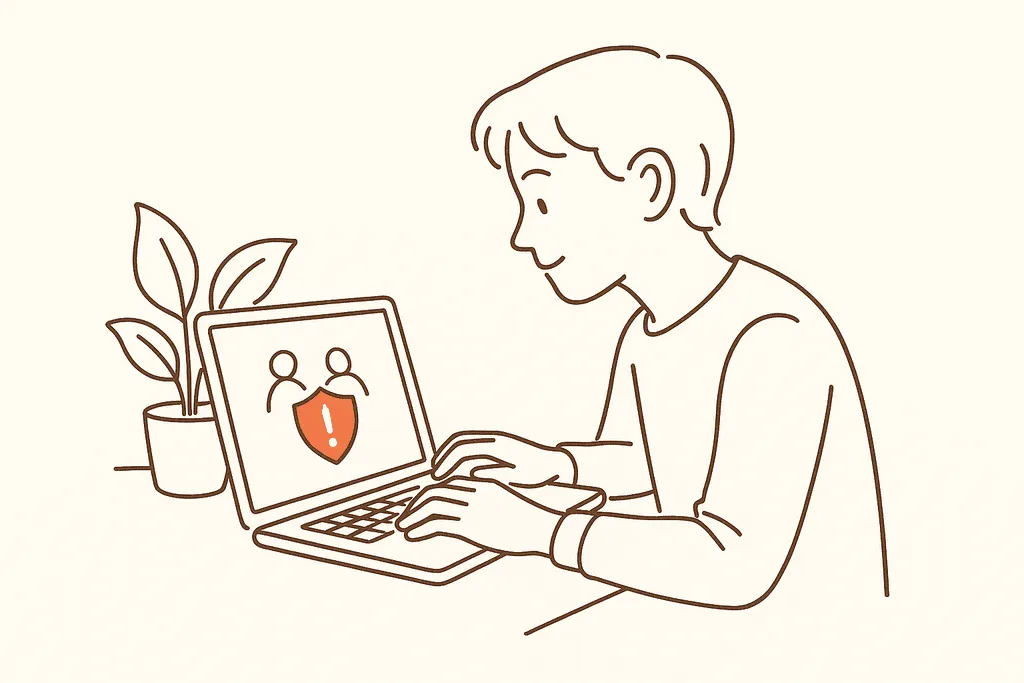
Stepping into a fake-news creator's shoes taught players the tricks of manipulation — and made them measurably harder to fool.
Verified · 3 sources
Google's Jigsaw delivered 'prebunking' ads where teens already are — and recognition of manipulation rose across the board.
Verified · 3 sources
One reliable, caring adult outside the home produced measurable drops in delinquency — and benefits that showed up years later.
Verified · 3 sources
Safer-by-default beats hoping teens find the settings — under-18s now start in private, restricted accounts.
Verified · 3 sources

Hashing an image — without ever uploading it — lets major platforms detect and block it before it spreads.
Verified · 3 sources
Dedicated takedown work scales — the Internet Watch Foundation removes child abuse imagery from hundreds of thousands of pages a year.
Verified · 2 sources
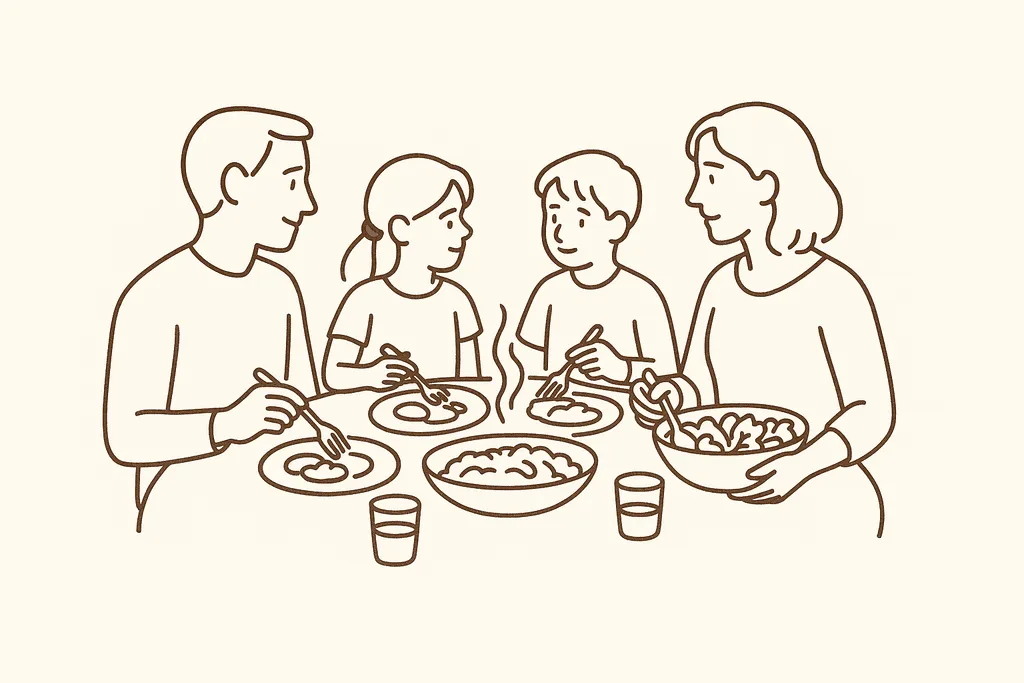
More frequent family dinners track with less depression, less substance use and higher life satisfaction — through everyday communication.
Verified · 3 sources
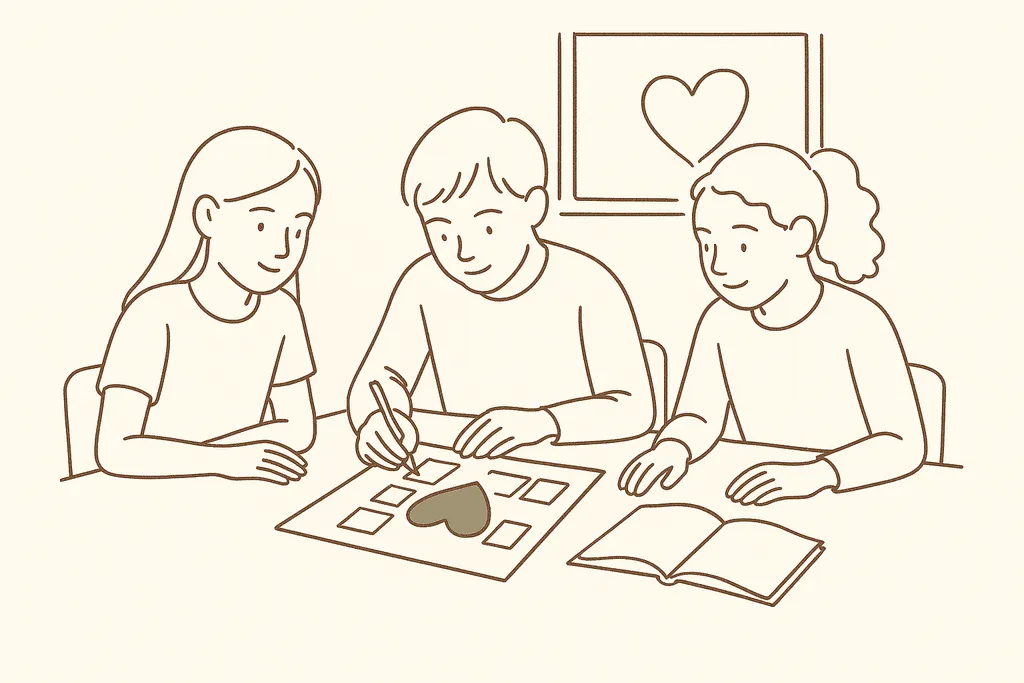
A landmark meta-analysis found social-emotional learning improved behavior and academics — they aren't a trade-off.
Verified · 3 sources
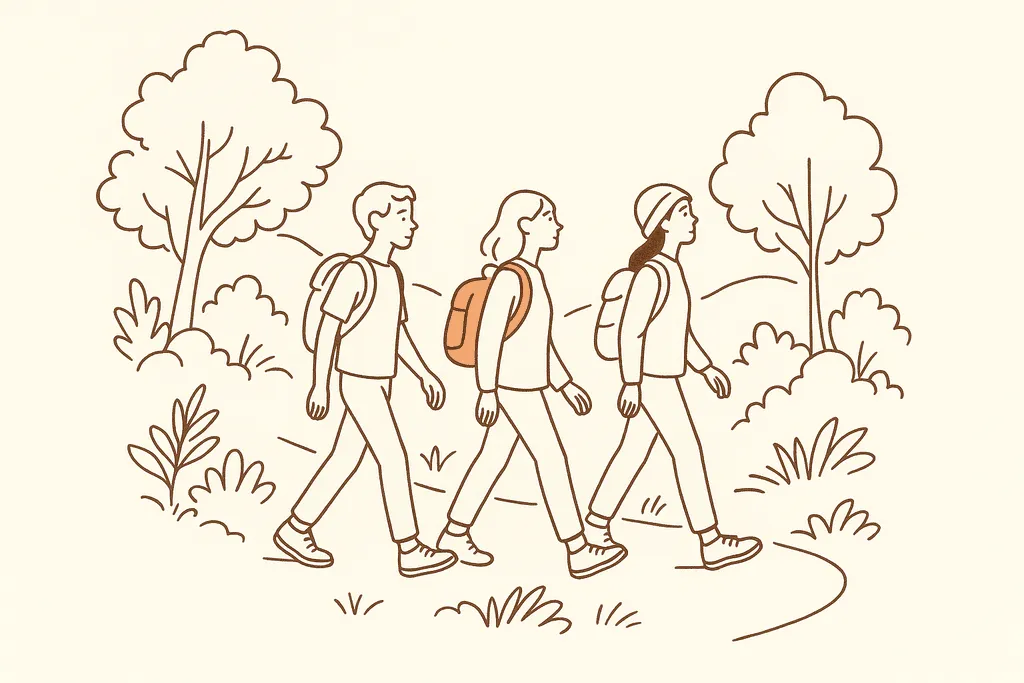
Green time is brain time — reviews consistently link time outdoors to better adolescent mental health and resilience.
Verified · 3 sources
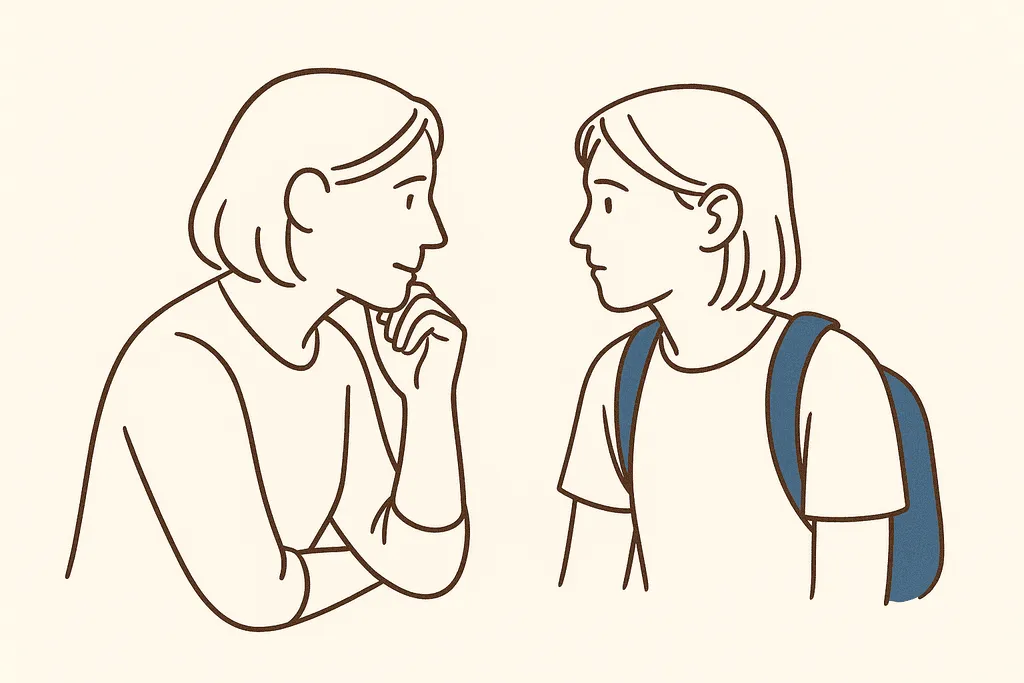
A teen with one caring, trusted adult is significantly less likely to attempt suicide — and you can be that adult.
Verified · 3 sources
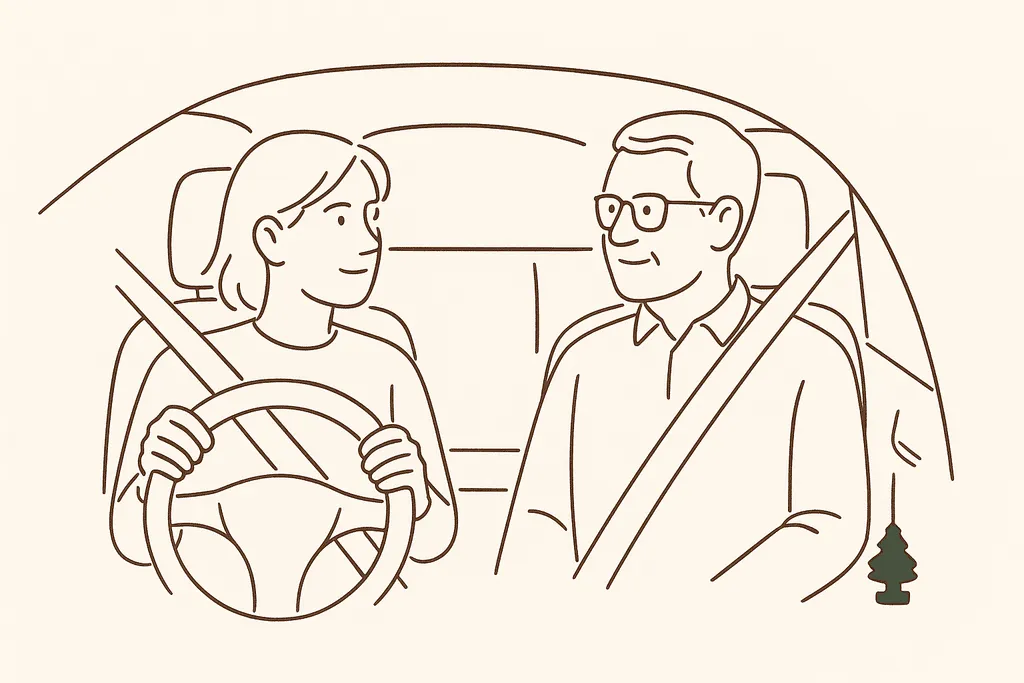
Limiting night driving and teen passengers at first measurably reduced fatal crashes among new teen drivers.
Verified · 3 sources
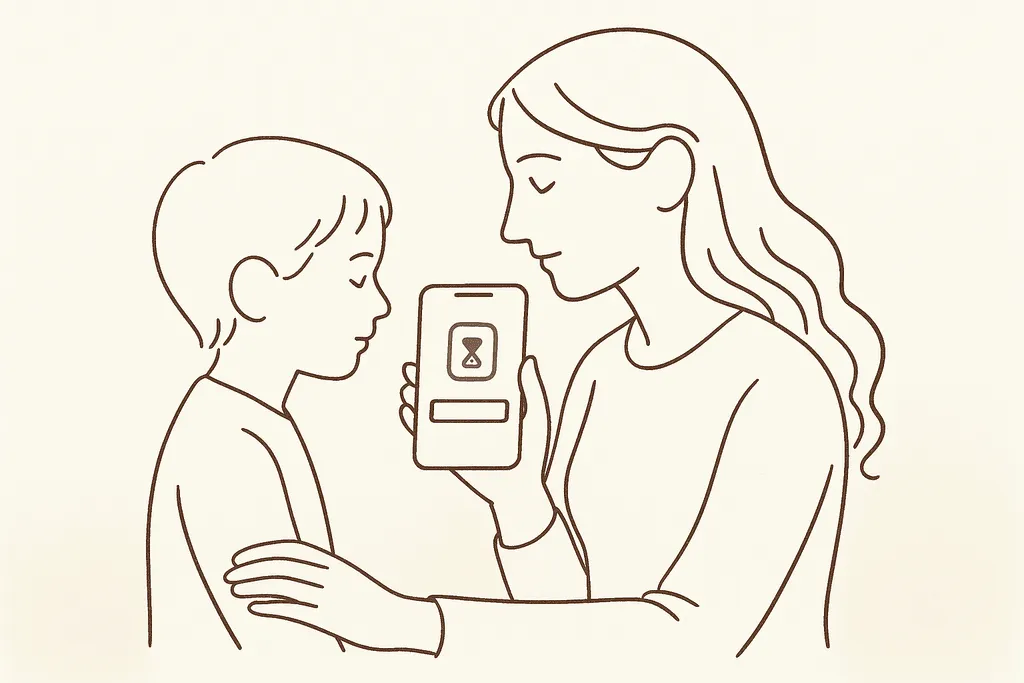
A built-in default limit is a useful nudge — under-18s now start at 60 minutes with a prompt to pause.
Verified · 3 sources
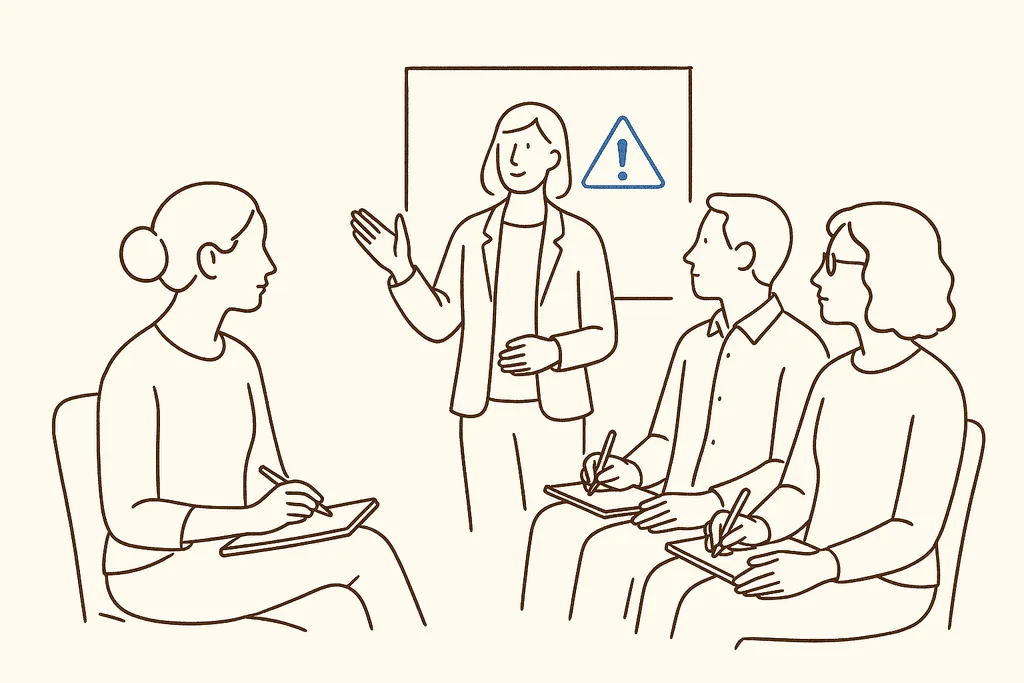
Teaching parents, teachers and coaches to recognize warning signs builds a wider, earlier safety net.
Verified · 3 sources
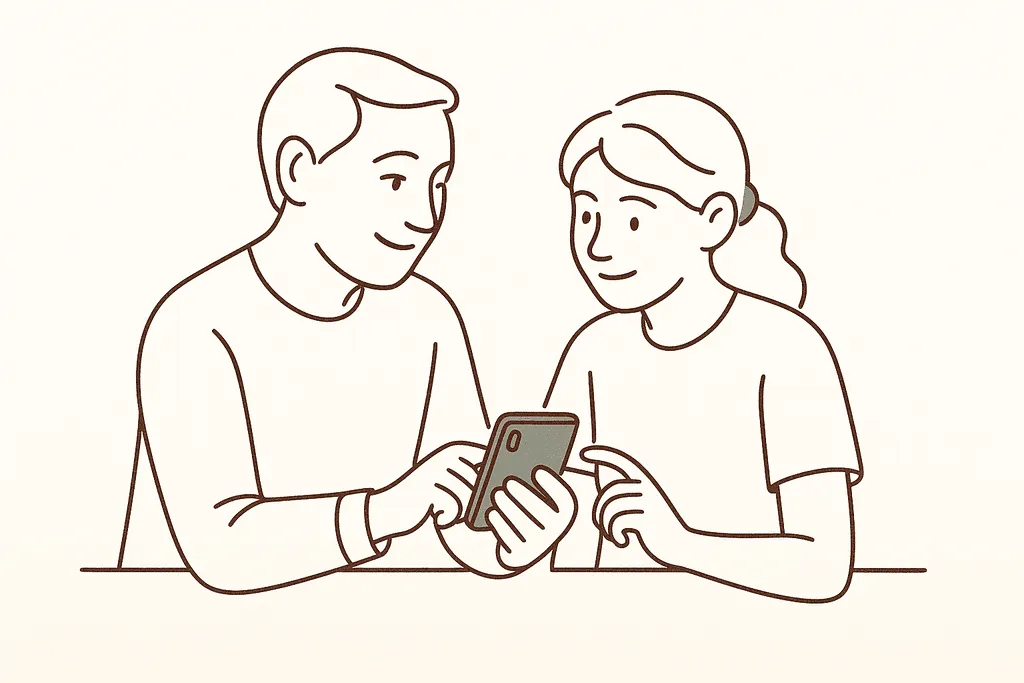
Ongoing, two-way conversation — 'active mediation' — is linked to lower online risk and less problematic use.
Verified · 3 sources
Helping others helps teens too — volunteers were far more likely to be 'flourishing' and less likely to be anxious.
Verified · 3 sources
A dedicated regulator with takedown power gives families real recourse — report harmful content and have it removed.
Verified · 3 sources
Teaching teens to recognize warning signs and screen themselves measurably reduced attempts — rare, hard evidence.
Verified · 3 sources
Privacy-preserving image-matching lets platforms automatically catch known abuse material — quietly powering most rescue tips.
Verified · 3 sources
Parental tools that require the teen's buy-in build trust while still improving safety.
Verified · 3 sources

Giving students a trusted, anonymous way to flag warning signs has stopped attacks and countless suicides — peers often know first.
Verified · 2 sources
A free, confidential line where a young person is simply heard — over 160,000 counselling sessions a year, no problem too small.
Verified · 3 sources
Olweus is the original whole-school anti-bullying program — and the evidence is still that it works, in the U.S. and abroad, when the school actually runs it.
Verified · 3 sources
Yondr pouches lock phones away for the school day. Districts that adopted them describe a measurable drop in distraction and a real shift in social climate — and the federal government and several states now back the idea.
Verified · 4 sources
After years of pressure, Roblox in 2024-2025 rolled out age estimation, default-restricted accounts for under-13, Trusted Connections, and granular parental controls. Used together, they meaningfully tighten the platform — if you turn them on.
Verified · 2 sources
A network of structured-day summer and after-school programs serving 3.4 million U.S. kids — and the long-running outcome data is unusually good for an out-of-school program.
Verified · 2 sources
Thanks — your message is on its way.
We'll reply to the email you gave us.

Let's make this about your teen
The older one, Jake, JJ, however you say it at home. It makes everything we write feel made for them. optional
A quick start
A couple of minutes here, worth a lifetime with them.
Every age is a different world. We'll match it.
Pick up to 3, this tunes every page to your teen.
Pick any that fit, it points you to exactly the right help.
Pick any that fit, this is just for the writing.
Pick up to 3, this becomes what your reading drives toward.
A sentence or two is plenty. This shapes your Friday Reading once you're a member.
Optional, but the more you tell us, the sharper it lands.
Your teen's profile is ready
Quick and easy. Everything you told us is kept and sorted to your teen.
Continue with GoogleAlready have an account? Sign in →
Your dashboard and libraries are sorted to your teen. Your customized Friday Reading lives at Friday Reading →
You're nearly there
Your first Friday Reading is waiting. Tell us about your teen and we'll write one made just for your family.
Set up my reading →
We are a small team of real people, and we read everything you share with us ourselves. Check your inbox today and tomorrow, our team will get in touch with you soon.
Meanwhile, here is an example See what a Friday Reading looks like →No charge yet. You choose on the next step.
Practice is how the words start coming out naturally at home. Ten focused minutes a day, and the road below is where it goes.
The road, session by session.
Every family moves at its own pace. What the practice road promises is simple: a little every day beats one big talk, and you never walk it guessing.
No charge yet. You choose on the next step.
A real example. Yours arrives written for your teen, from everything you just told us.
We have sent all of this to your email, so you will not lose it. And this is just the starting point.
This is the second and last time we will offer you this discount.
Written for your teen's exact situation, and your family alone.
Become a member now and your full first Friday Reading lands this Friday, written for your teen alone. The free plan does not include it.
For about what one fast-food order costs in a month, you get a plan built for your teen, and a steadier home to show for it.
Memberships renew automatically until you cancel, at the regular monthly or yearly price after any intro period. Cancel anytime in a few clicks. Terms.
Money tight right now? Email us and we'll work around your budget. Nobody who needs us gets turned away.
It's all built around your teen, ready the moment you join.
Plus a Friday Reading written for them alone.
You also help us reach more parents who need this.
cancel anytime · secure checkout · 30-day money-back
And one thing, parent to parent. If money is tight right now, do not let that stop you. Just email us and we will work something out together. This is a mission before it is a business.