What's happening.
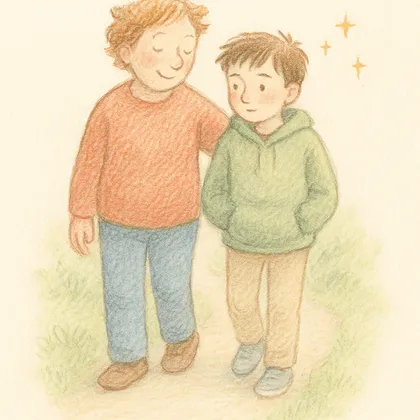
Your 16-year-old, casually, mid-walk: “Mom, did you know I got bullied a lot in seventh grade? I never told you.” You feel the floor tilt slightly.
What we usually say — and why it backfires.
WHAT? Why didn't you tell me? I would have done something.
I know. That's why I didn't tell you.
I'm your MOTHER. You're supposed to tell me these things.
(regrets bringing it up; learns disclosures of old hurts get met with the parent's hurt feelings)
- “Why didn't you tell me” centers your hurt over their old hurt. They told you NOW; meet them there.
- “I would have done something” is the exact reason they didn't tell you then — they didn't want the response you would have had.
- “I'm your MOTHER” is the parent claiming entitlement to information that wasn't theirs to claim retroactively.
What works — and why.
Oh, honey. Thank you for telling me, even years later. Can I ask about it — what was happening, and what made it bad enough that you didn't want to tell me?
There was a group of girls in math. They made a fake Instagram pretending to be me. I didn't tell you because I knew you'd march into the school and that would have made it ten times worse.
You were probably right that I would have. I'm sorry that's what you had to navigate alone — and I'm really glad you trusted me enough to tell me now. That you're telling me now means something about who you are AND something about us. Anything you want to talk through, even now, I'm here.
- “Thank you for telling me, even years later” receives the disclosure without making it about your hurt.
- Asking why they didn't tell you back then — and accepting the answer — validates that they made a real strategic choice, not a betrayal.
- “That you're telling me now means something about who you are AND something about us” is the sentence that retroactively repairs without overclaiming.
Key phrases to reach for in the moment.
- Thank you for telling me, even years later.
- Can I ask about it — what was happening, and what made it bad enough that you didn't want to tell me?
- You were probably right that I would have [made it worse].
- That you're telling me now means something about who you are AND something about us.