What's happening.
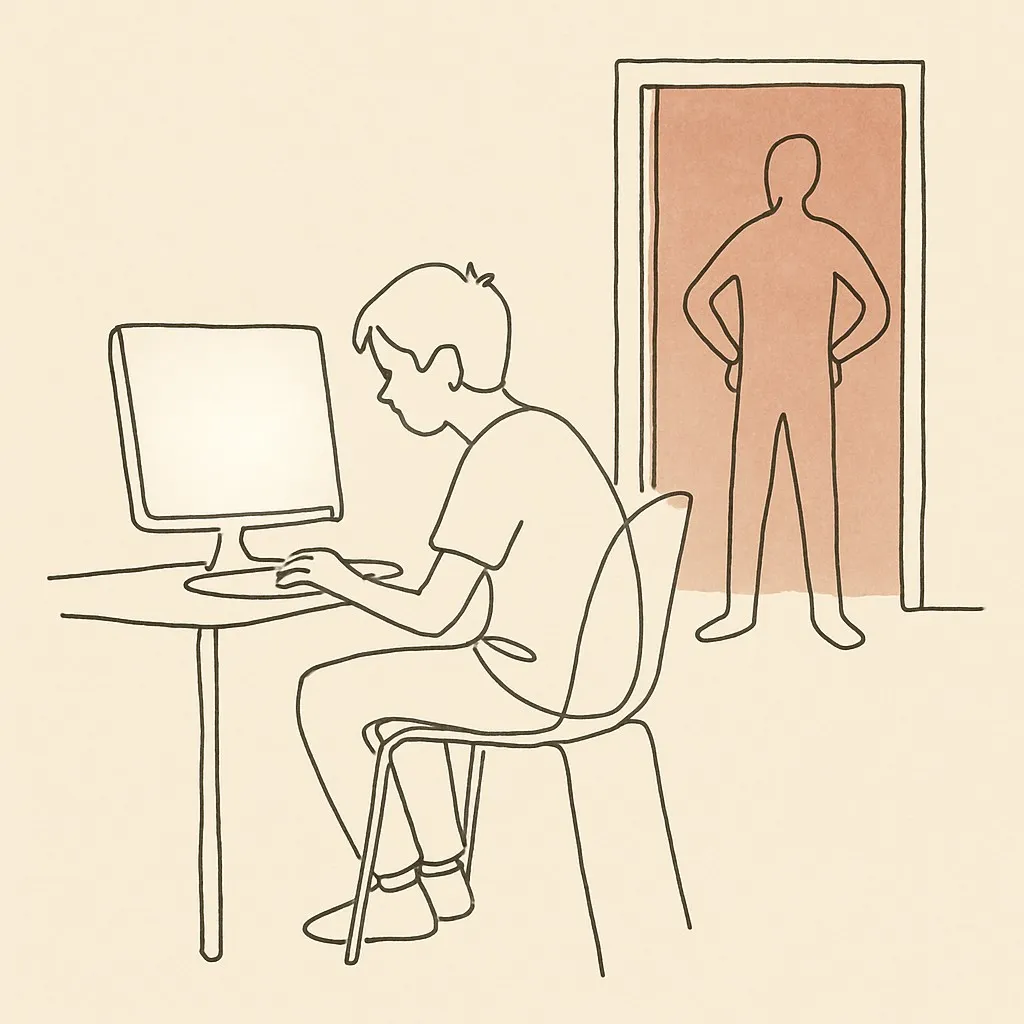
Your 13-year-old comes out of her room, phone in hand, eyes wet. "They went to the mall. The whole group. Nobody even asked me." You can see the Snap Map screenshot on her phone — three blue dots clustered at the food court. She's not been invited, and she's watching it live.
What we usually say — and why it backfires.
Honey, you can't let what other people do bother you like this. Just don't look at their stories.
It's not 'their stories,' it's my actual friends. They're bullying me.
It's not bullying if nobody said anything mean. They just made plans without you. It happens.
Forget it. You think it's nothing.
- “Don't let it bother you” is impossible advice. The bullying-by-exclusion experience is biologically painful — the brain processes social rejection in the same regions as physical pain.
- “It's not bullying if nobody said anything mean” is the exact reason exclusion bullying works. The bully gets plausible deniability and the parent backs them up.
- Telling her to stop looking removes the only window she has into what's happening. She'll look anyway, and now she's also alone with it.
What works — and why.
That hurts. Watching it happen in real time on the map is a special kind of awful.
They didn't even pretend. Like they wanted me to see.
Yeah. That's the part that feels intentional, right? Because it probably is.
So what do I do? I can't make them like me.
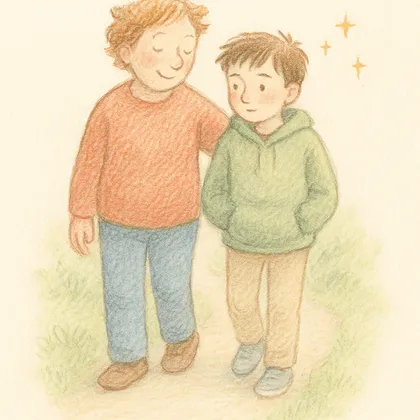
No, you can't. But you don't have to figure out the answer in the next ten minutes. Right now I'd just like to sit here with you. Want anything? Tea, a walk, nothing?
...nothing. Just stay.
- Naming the specific pain (“watching it happen in real time on the map”) tells the teen you actually see the thing she's seeing — not a vague version of it.
- Validating that the exclusion is intentional, when it is, removes the gaslighting layer most adults add. She already knows; agreeing with her isn't escalating.
- Sitting with the pain before solving it is the entire move. Most teens reject the solve because the pain hasn't been honored first.
- The “nothing — just stay” response means it worked. You earned the seat next to her.
Key phrases to reach for in the moment.
- That's a special kind of awful.
- That's the part that feels intentional, right? Because it probably is.
- You don't have to figure out the answer in the next ten minutes.
- I'd just like to sit here with you.