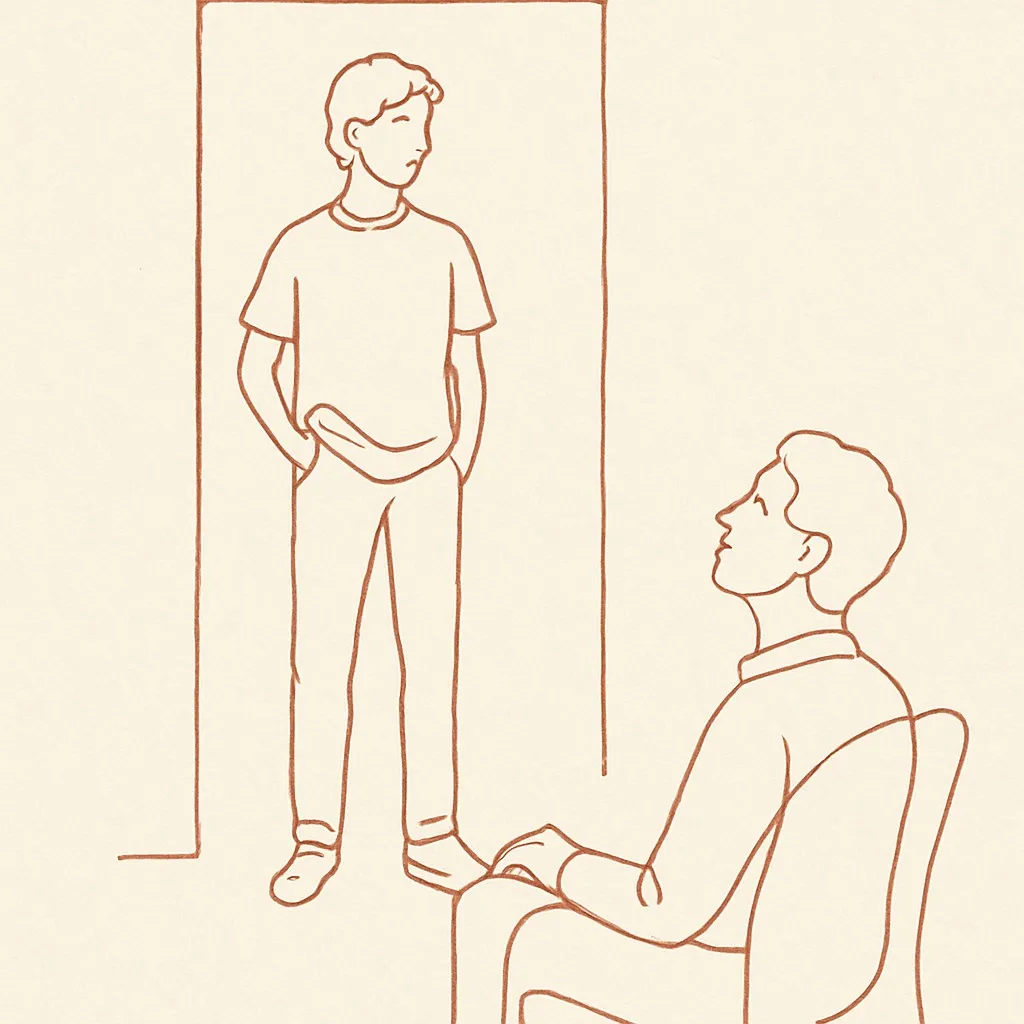
What's happening.
You remind your 15-year-old to take their inhaler to school. They erupt: “Stop treating me like a kid! I know what I need.” You bite back the part where they forgot it three days last week.
What we usually say — and why it backfires.
I'll stop treating you like a kid when you stop acting like one.
Oh great, thanks.
You forgot the inhaler three times last week. THREE.
Whatever. I'll have an asthma attack and you can say I told you so.
- “Stop acting like a kid” is a parent winning the argument and losing the developmental project. They want to be more grown-up; ridiculing them for being not-yet-grown-up doesn't motivate them, it shames them.
- Citing the forgetfulness as evidence proves the parent's point about safety AND the teen's point about being treated like a kid — both feelings now harden.
- “I'll have an asthma attack and you can say I told you so” is the teen telling you they'd rather be hurt than micromanaged. Worth taking seriously.
What works — and why.
You're right. You're not a kid. Let me restart — what does grown-up backup from me on this look like?
Just… don't ask. I have a system.
Okay. What's the system?
It's in the small pocket of my backpack. I check before I leave my room.
Deal. I'll trust the system. If it slips, you and I figure out together what the fix is — not me lecturing.
- “You're right. You're not a kid” is the magic words for an identity-defending teen. The fight ends instantly.
- Asking for the system instead of imposing one transfers ownership. Teens follow systems they designed; they sabotage systems imposed on them.
- Pre-agreeing on the “if it slips” response removes the future fight. They know what's coming isn't a lecture.
Why this script works on a teen brain.
Adolescence is, biologically, a campaign for adult status. The teen brain is not refusing to be a child out of spite — it is wired to push, daily, against the category. Every time a parent uses childhood-coded language ("act like one," "young man," "I'm the parent"), the teen reads it as the campaign being denied, and they push harder. The push isn't the problem. The denial is.
What works instead is the developmental researchers' term for it: scaffolded autonomy. You don't drop the rail; you move it. "What does grown-up backup from me on this look like?" is the verbal version of moving the rail — it signals you accept the upgrade in status and you're asking how to be useful at the new level. Teens almost always have a real answer, because they've been thinking about it longer than you have.
The long-term consequence of getting this right is that the teen practices being responsible for things while they still live with you — which is the only window you have to coach them through the failures. The parent who keeps insisting on the child-frame ends up with an 18-year-old who has never independently failed a manageable thing, and a college freshman who falls apart on the first hard thing.
Same dynamic, different surface.
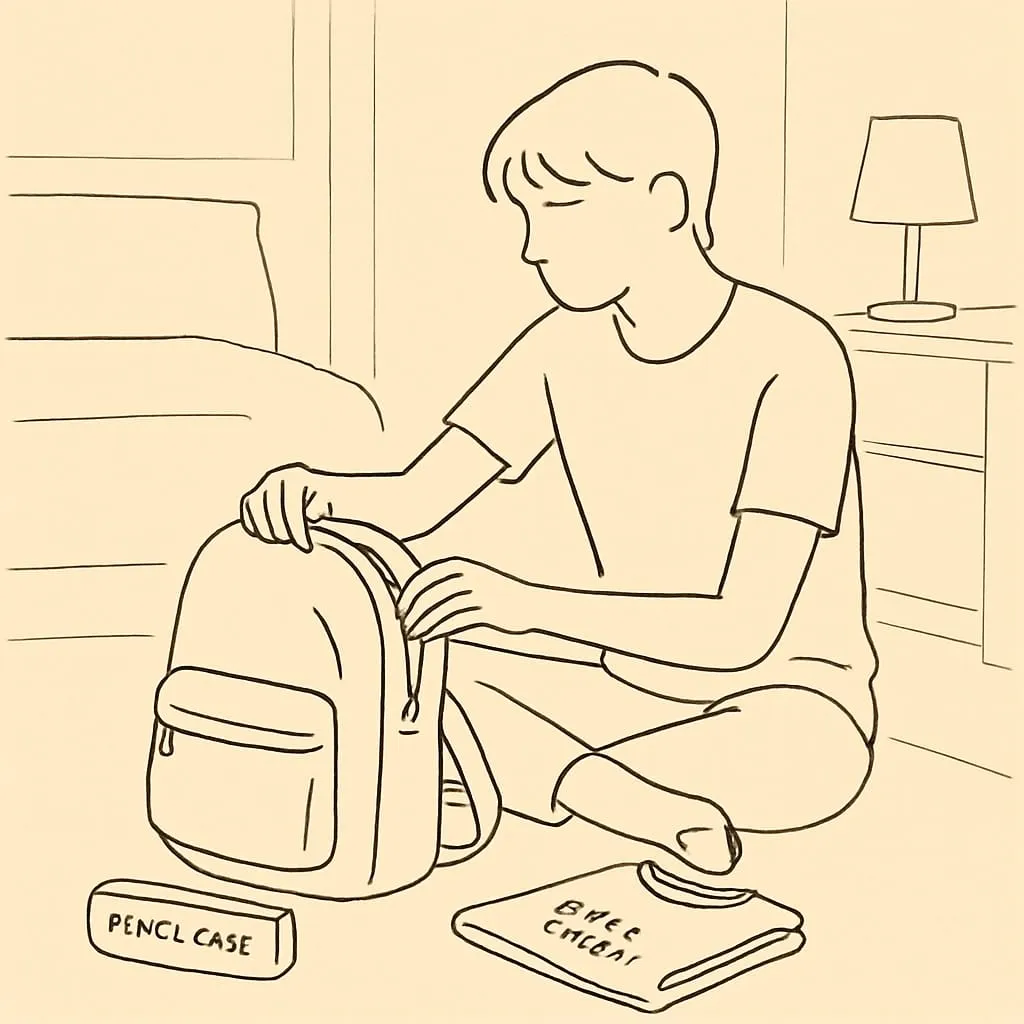
Your 13-year-old wants to walk to the corner store and back, alone. It's six blocks. Yesterday they couldn't find their shoes for 20 minutes. The two facts are both true. You feel torn.
What usually happens.
You can't find your shoes and you want to walk to the store? Maybe when you're older.
Everyone else my age does it.
Everyone else my age also doesn't lose their phone twice a week.
I'll never be old enough for you.
- Using a small lapse (the shoes) to deny a bigger ask (the walk) teaches the teen that small forgetfulness has unrelated costs — which makes them hide forgetfulness, not improve it.
- "Maybe when you're older" is the universal teen-frustration phrase. It states no criteria, so it can't be met.
- "I'll never be old enough for you" is often accurate. The parent has a floor that keeps rising.
What works better.
Yes. Six blocks, there and back. What's the deal — phone charged, text me when you leave and when you're back?
Deal.
If you get there and forget what you came for, text me, I'll send the list again. No grief about it.
(grins) Okay.
- Saying yes with a small specific protocol (phone + texts) is dramatically different from saying yes vaguely. The protocol IS the scaffolding.
- Pre-empting the failure mode ("if you forget the list, text me, no grief") tells the teen that one mistake doesn't cost the whole privilege. They take more honest risks under that rule.
- The teen grins because they were braced for an interrogation and got an upgrade instead. That contrast is what they remember.
Key phrases to reach for in the moment.
- You're right. You're not a kid.
- What does grown-up backup from me on this look like?
- I'll trust the system.
- If it slips, you and I figure out the fix together — not me lecturing.
When to use each one.
-
You're right. You're not a kid.
Use as the first response to any "stop treating me like a kid." The fastest way to reset the identity argument.
-
What does grown-up backup from me on this look like?
Use to transfer ownership of the protocol. Lets the teen design the system they'll then actually follow.
-
Phone charged, text me when you leave and when you're back.
Use when granting an autonomy step. Be specific about the two or three things you actually need; let everything else go.
-
If [predictable hiccup], text me. No grief about it.
Use to pre-empt the failure mode before they take the step. Removes the cost of honesty when something goes a little wrong.