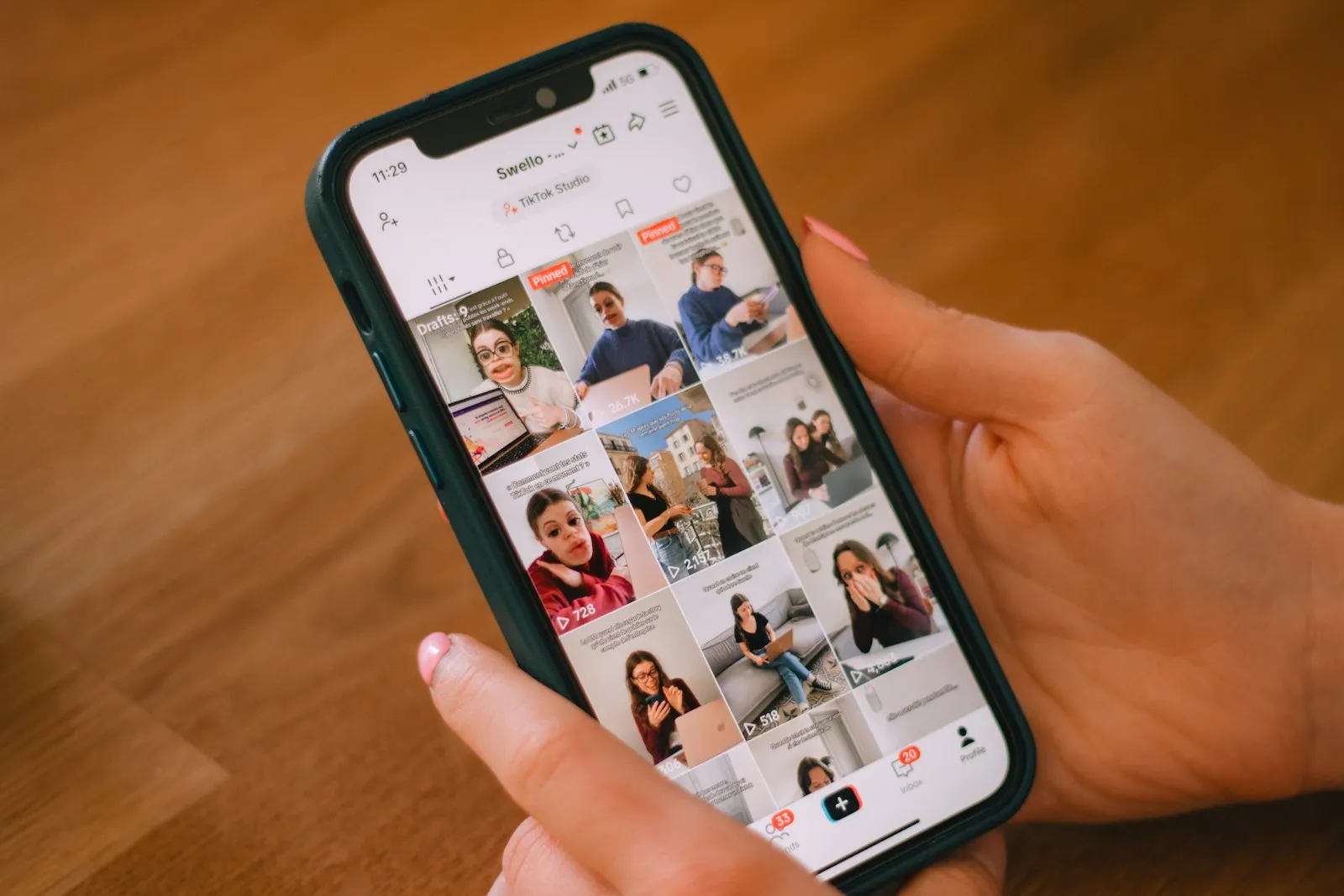
The short version.
SkinnyTok is the umbrella term for content that explicitly promotes thinness and restrictive eating as discipline, beauty, and moral worth. It is the rebranded descendant of the 2000s pro-ana scene — same audience, same dynamics, same eating-disorder outcomes — under softer hashtags. TikTok has banned the literal phrase 'SkinnyTok' multiple times; the content reconstitutes within weeks under new tags.
The platforms and contexts.
TikTok primarily; Instagram Reels mirrors the same content. Sub-genres include 'almond mom,' 'clean girl,' 'pilates princess,' 'legging legs.' Tag bans push it into new tags every few months.
The timeline.
The 2000s pro-ana scene on LiveJournal and Tumblr is the direct ancestor. Repackaged for TikTok between 2020 and 2024 with wellness aesthetics replacing the explicit thinspiration framing.
The core facts a parent needs.
- The content is engineered to evade moderation: no explicit 'starve' language, no banned hashtags, but the same underlying message.
- Eating disorders that develop in adolescence have the worst long-term prognosis. Early intervention dramatically improves outcomes.
- Diet talk at home — even well-intentioned — amplifies SkinnyTok messaging. Family meals without weight commentary are a documented protective factor.
What's actually at stake.
- Anorexia nervosa and bulimia, with their own significant mortality rates.
- Body dysmorphia and obsessive-compulsive features that persist after the eating behavior stabilizes.
- Comorbid depression, anxiety, and self-harm.
The talk that lands — try it now.
Imagine you just learned your teen brushed up against this. You have 60 seconds before the conversation begins. What you say first decides whether the next 20 minutes opens the door — or slams it.
"What were you thinking? Give me your phone — now."
Panic + punishment in the same breath. The teen reads it as "every honest detail will be used against me." The phone comes; the truth doesn't.
What would you open with instead? Picture it for a beat — then…
"I want to ask about something — no trouble, I just want to understand it. Can we sit for five minutes?"
Curiosity, not court. Promise of safety in the first sentence. Time-bounded so it doesn't feel like a trap. Almost every teen says yes to five minutes.
Then, in those 5 minutes:
- No comments on bodies — yours, hers, anyone's. Compliment effort, kindness, humor, taste in music. Not waists.
- Watch eating patterns: skipping meals, eating alone, suddenly 'not hungry,' new rules about food categories ('clean,' 'safe').
- If you see clinical signs, go to an adolescent-medicine doctor or a registered dietitian with eating-disorder training. NEDA helpline (1-800-931-2237) can refer.
Try saying it out loud once before you close this tab. Cool parents rehearse — yelled parents wing it.
Practice 200 more parent–teen scripts →Concrete next steps.
- No comments on bodies — yours, hers, anyone's. Compliment effort, kindness, humor, taste in music. Not waists.
- Watch eating patterns: skipping meals, eating alone, suddenly 'not hungry,' new rules about food categories ('clean,' 'safe').
- If you see clinical signs, go to an adolescent-medicine doctor or a registered dietitian with eating-disorder training. NEDA helpline (1-800-931-2237) can refer.
See it for yourself.
NEDA helpline 1-800-931-2237 · National Alliance for Eating Disorders helpline 1-866-662-1235 · 988 Crisis Lifeline · ER for any cardiac or fainting symptoms.