The short version.
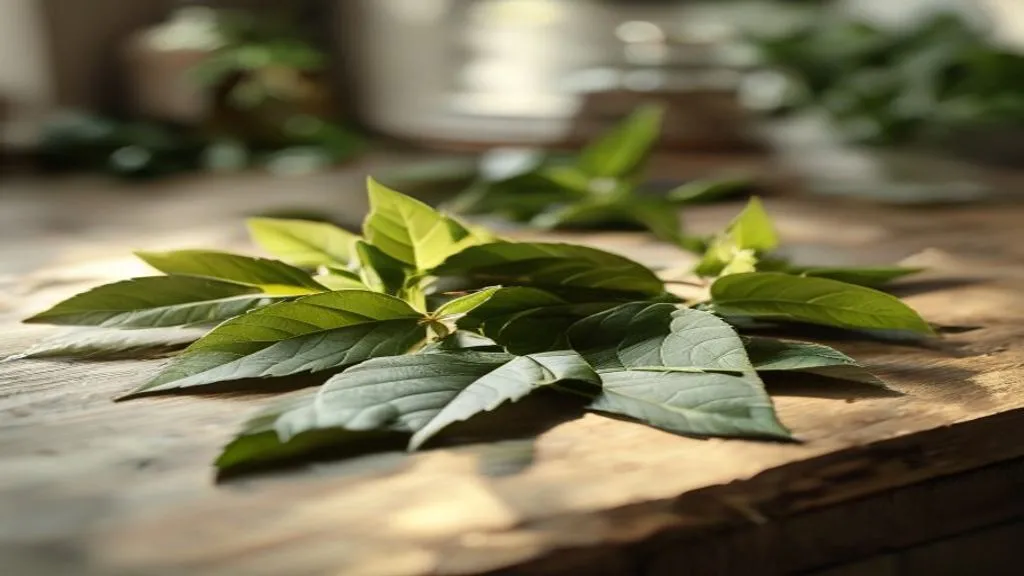
Kratom is a Southeast Asian plant whose leaves contain compounds (mitragynine, 7-hydroxymitragynine) that act on opioid receptors. It is sold openly in the U.S. as powder, capsules, gummies, and 'extract shots' at smoke shops and gas stations, often near the register. Low doses produce a stimulant-like effect; higher doses are sedating and opioid-like. The FDA has linked kratom to overdose deaths and seizures, and it is not approved for any medical use.
The platforms and contexts.
Smoke shops, gas stations, vape stores, and online retailers. Marketed to teens and young adults via Reddit communities, TikTok 'natural focus aid' content, and gym/fitness adjacent accounts.
The timeline.
Kratom emerged in U.S. retail markets around 2014 and has scaled steadily; the high-concentration 7-hydroxymitragynine extract products became a specific public-health concern in 2023–2024.
The core facts a parent needs.
- 'Herbal' does not mean safe. The active compounds are pharmacologically opioid; physical dependence develops within weeks of regular use.
- Withdrawal mirrors opioid withdrawal — sweats, muscle aches, anxiety, restless legs — and pushes some users into prescription opioids or fentanyl-contaminated alternatives.
- Concentrated extract products ('shots,' 'gold,' '7-OH') are dramatically stronger than leaf-based products and carry the highest overdose and seizure risk.
What's actually at stake.
- Overdose and respiratory depression, especially with extract products or when combined with alcohol or benzodiazepines.
- Seizures, particularly with high-concentration products.
- Dependence and withdrawal in teens who started 'just for studying' or 'just for energy.'
The talk that lands — try it now.
Imagine you just learned your teen brushed up against this. You have 60 seconds before the conversation begins. What you say first decides whether the next 20 minutes opens the door — or slams it.
"What were you thinking? Give me your phone — now."
Panic + punishment in the same breath. The teen reads it as "every honest detail will be used against me." The phone comes; the truth doesn't.
What would you open with instead? Picture it for a beat — then…
"I want to ask about something — no trouble, I just want to understand it. Can we sit for five minutes?"
Curiosity, not court. Promise of safety in the first sentence. Time-bounded so it doesn't feel like a trap. Almost every teen says yes to five minutes.
Then, in those 5 minutes:
- Know the names: kratom, mitragynine, krypto, ketum, biak, 7-OH. If you see them in a teen's room or order history, take it seriously.
- If dependence has started, treat it the same way as opioid dependence — call an addiction-medicine clinician, not a willpower talk.
- If overdose is suspected (slow breathing, unresponsiveness), call 911 and administer naloxone if available. Naloxone reverses kratom overdose the same as it does opioid overdose.
Try saying it out loud once before you close this tab. Cool parents rehearse — yelled parents wing it.
Practice 200 more parent–teen scripts →Concrete next steps.
- Know the names: kratom, mitragynine, krypto, ketum, biak, 7-OH. If you see them in a teen's room or order history, take it seriously.
- If dependence has started, treat it the same way as opioid dependence — call an addiction-medicine clinician, not a willpower talk.
- If overdose is suspected (slow breathing, unresponsiveness), call 911 and administer naloxone if available. Naloxone reverses kratom overdose the same as it does opioid overdose.
See it for yourself.
911 for overdose · SAMHSA Helpline 1-800-662-HELP · Poison Control 1-800-222-1222 · Naloxone if available.