The short version.
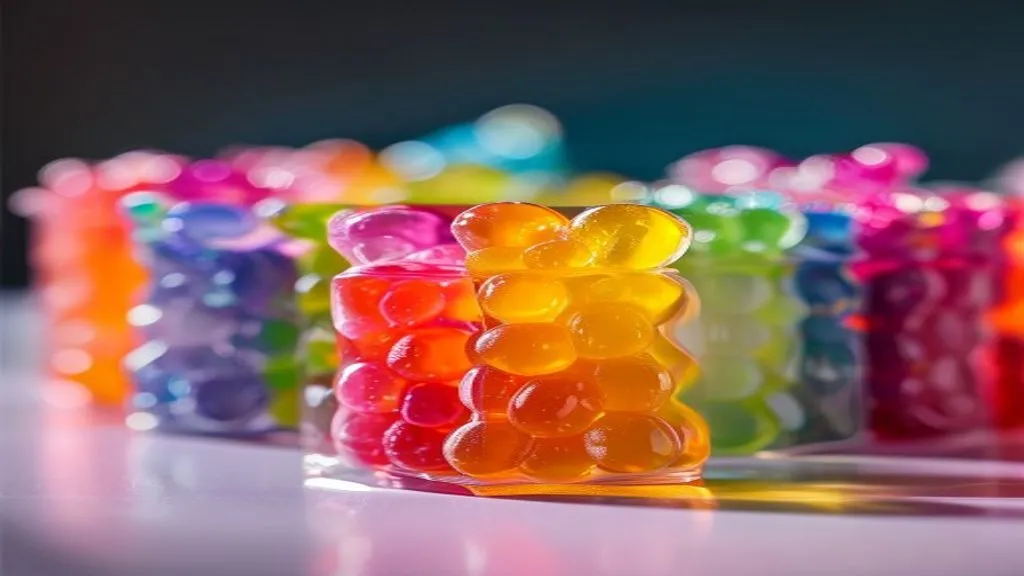
Delta-8-THC and a growing family of related compounds (delta-10, HHC, THC-O, THCP) are synthesized from hemp-derived CBD and sold as 'federally legal' alternatives to marijuana. They are sold in colorful gummy, vape, and drink form at gas stations, vape shops, and convenience stores — in many states with zero age check. Effects range from mild high to full psychotic break depending on dose, purity, and the specific analogue. Pediatric ERs reported a surge in delta-8 admissions through 2022–2024.
The platforms and contexts.
Gas stations, vape shops, head shops, and convenience-store coolers. Online marketplaces ship across most state lines. Cartoon packaging — fruit characters, candy-style branding — directly mimics non-drug products and ends up in kids' hands by accident in younger ages.
The timeline.
Delta-8 retail exploded after the 2018 Farm Bill created an unintended legal pathway for hemp-derived cannabinoids. Several states have since restricted or banned the products, but federal status remains unsettled into 2026.
The core facts a parent needs.
- These products are synthesized via chemical conversion, not extracted; quality control varies wildly and contamination is common.
- Dosing is unreliable. A 'gummy' can contain anywhere from 10 mg to 100+ mg of active compound, vs marijuana flower which is more self-limiting.
- Pediatric admissions for delta-8 ingestion include severe paranoia, vomiting, seizures, and rare intensive-care admissions for respiratory depression.
What's actually at stake.
- Acute psychiatric reactions: panic, paranoia, dissociation, sometimes lasting days.
- Seizures, particularly with high-potency analogues like THC-O.
- Accidental ingestion by younger siblings due to candy-style packaging — a leading cause of pediatric cannabinoid ER visits.
The talk that lands — try it now.
Imagine you just learned your teen brushed up against this. You have 60 seconds before the conversation begins. What you say first decides whether the next 20 minutes opens the door — or slams it.
"What were you thinking? Give me your phone — now."
Panic + punishment in the same breath. The teen reads it as "every honest detail will be used against me." The phone comes; the truth doesn't.
What would you open with instead? Picture it for a beat — then…
"I want to ask about something — no trouble, I just want to understand it. Can we sit for five minutes?"
Curiosity, not court. Promise of safety in the first sentence. Time-bounded so it doesn't feel like a trap. Almost every teen says yes to five minutes.
Then, in those 5 minutes:
- If you find any brightly-colored 'hemp gummies' or vapes in the house, treat them as you would any THC product — and keep them away from younger children.
- Talk explicitly about the difference between 'legal' and 'safe.' These products are legal because of a loophole, not because anyone proved them safe.
- If a teen has a bad reaction, ER is the right call. Bring the packaging — it helps clinicians dose any supportive care.
Try saying it out loud once before you close this tab. Cool parents rehearse — yelled parents wing it.
Practice 200 more parent–teen scripts →Concrete next steps.
- If you find any brightly-colored 'hemp gummies' or vapes in the house, treat them as you would any THC product — and keep them away from younger children.
- Talk explicitly about the difference between 'legal' and 'safe.' These products are legal because of a loophole, not because anyone proved them safe.
- If a teen has a bad reaction, ER is the right call. Bring the packaging — it helps clinicians dose any supportive care.
See it for yourself.
911 for severe reactions · Poison Control 1-800-222-1222 · SAMHSA 1-800-662-HELP for ongoing use.