The short version.
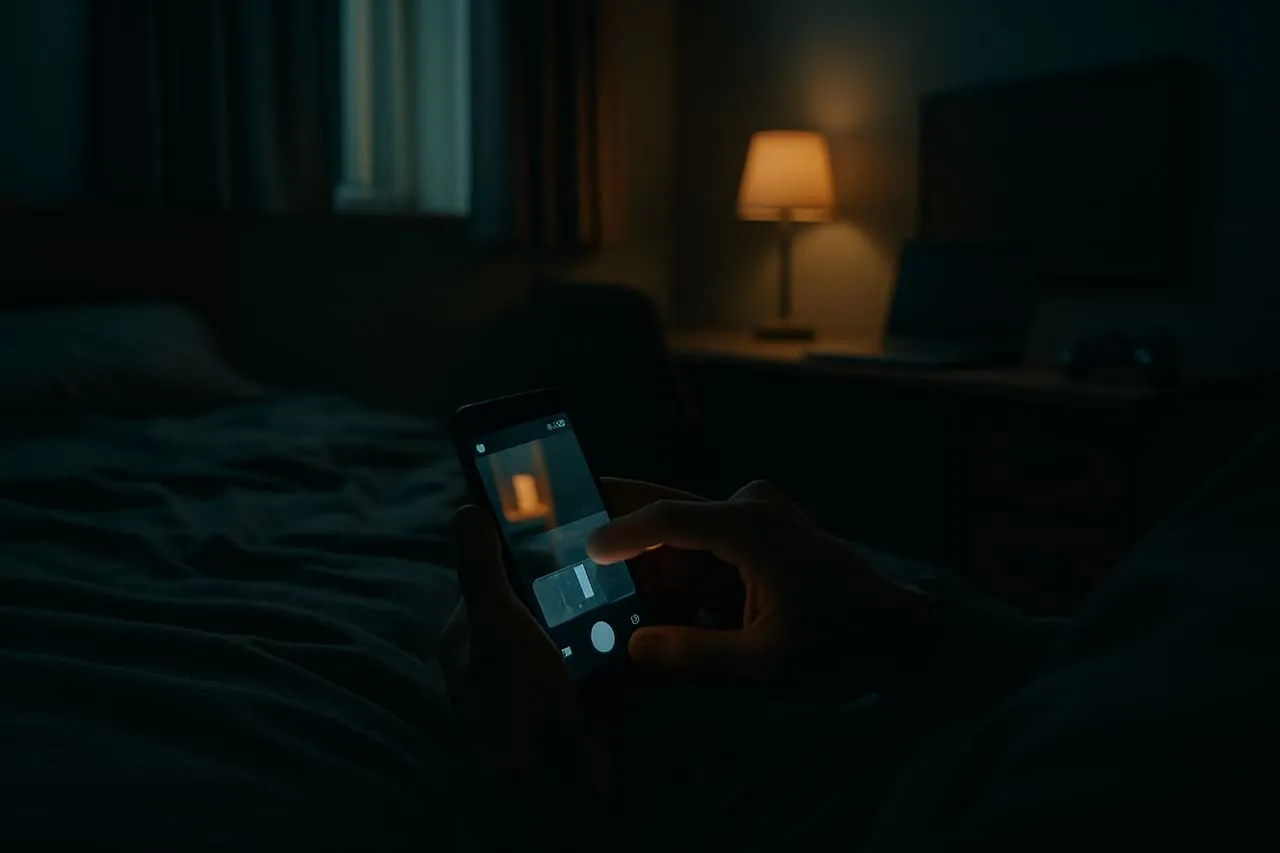
BeReal pushes a notification at a random time daily — 'Time to BeReal!' — and users have two minutes to post a dual-camera shot (front + back) of whatever they're doing. The pitch: forced authenticity, no filters, no edits. The reality: kids learn to either delay the post until they're somewhere interesting, or stress out about being captured doing nothing on a Tuesday afternoon.
The platforms and contexts.
Standalone iOS and Android app. Peaked in U.S. teen usage 2022–2023; still entrenched with high schoolers as a daily group ritual, even as growth has flattened.
The timeline.
BeReal launched in France 2020, hit mainstream U.S. teen adoption 2022. Coverage of the 'BeReal pressure' dynamic appeared in The Atlantic, NYT, and academic adolescent-psych journals through 2023.
The core facts a parent needs.
- The 'authenticity' framing is mostly broken. Late posts, posed scenes, and 'wait for the moment' are widespread. The platform measures lateness and shows it.
- The notification is anxiety-coded — kids check their phone constantly waiting for it, and feel rejected when their post gets few reactions.
- Unlike Instagram, you can SEE every friend's whole feed. The comparison is immediate and forced, not optional.
What's actually at stake.
- Background-level anxiety from notification anticipation, especially during school hours.
- Self-image damage when your boring real life is compared to friends' staged-but-still-real photos.
- Subtle pressure to be 'doing something' constantly, eroding tolerance for ordinary downtime — the same screen-fatigue pattern as TikTok but in still images.
The talk that lands — try it now.
Imagine you just learned your teen brushed up against this. You have 60 seconds before the conversation begins. What you say first decides whether the next 20 minutes opens the door — or slams it.
"What were you thinking? Give me your phone — now."
Panic + punishment in the same breath. The teen reads it as "every honest detail will be used against me." The phone comes; the truth doesn't.
What would you open with instead? Picture it for a beat — then…
"I want to ask about something — no trouble, I just want to understand it. Can we sit for five minutes?"
Curiosity, not court. Promise of safety in the first sentence. Time-bounded so it doesn't feel like a trap. Almost every teen says yes to five minutes.
Then, in those 5 minutes:
- Ask without judgment: 'How do you feel about the notification? Stressed when it goes off? Annoyed?' A lot of kids haven't named that the app stresses them — naming it lets them choose to opt out.
- Normalize the boring post. 'Your real Tuesday is doing homework on the couch. That's fine. The friends who matter want to see that, not a fake.'
- Consider muting notifications and checking once a day on the kid's own terms. Removes the on-demand stress without leaving the social network.
Try saying it out loud once before you close this tab. Cool parents rehearse — yelled parents wing it.
Practice 200 more parent–teen scripts →Concrete next steps.
- Ask without judgment: 'How do you feel about the notification? Stressed when it goes off? Annoyed?' A lot of kids haven't named that the app stresses them — naming it lets them choose to opt out.
- Normalize the boring post. 'Your real Tuesday is doing homework on the couch. That's fine. The friends who matter want to see that, not a fake.'
- Consider muting notifications and checking once a day on the kid's own terms. Removes the on-demand stress without leaving the social network.
Call or text 988 (Suicide & Crisis Lifeline, 24/7) · Text HOME to 741741 (Crisis Text Line) · Find a child psychiatrist at aacap.org · For immediate danger, call 911.