The short version.
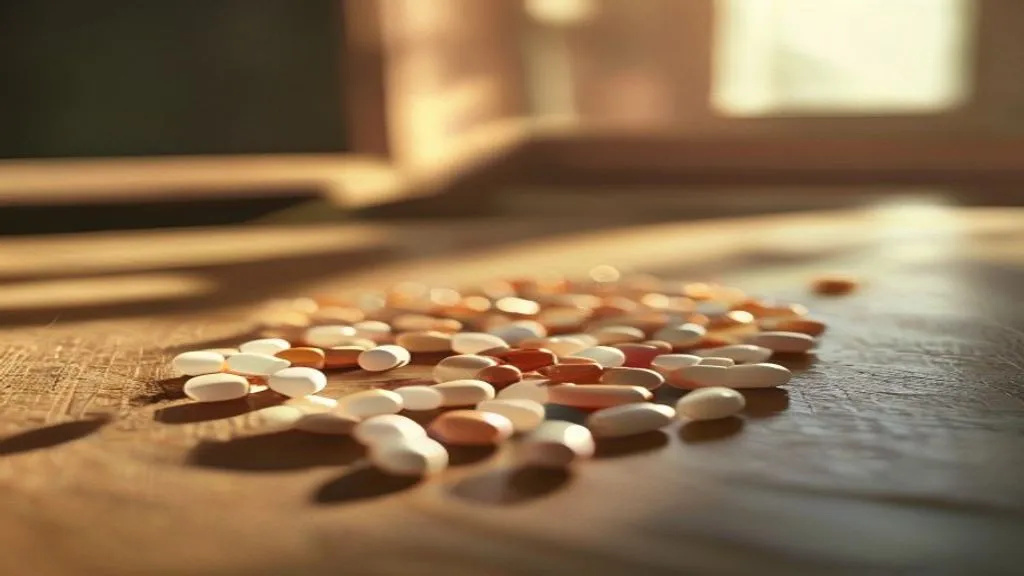
Adderall, Vyvanse, Concerta, and Ritalin are stimulants prescribed for ADHD. They are widely diverted in U.S. high schools and colleges — sold, borrowed, or shared for exam prep, weight loss, sports, or as a party drug. Use without a prescription is a federal crime (Schedule II), but enforcement at the student level is rare. The bigger danger: the supply chain that fills the gap when prescription bottles run out routes teens to dealers, Snapchat menus, and counterfeit pills that are increasingly fentanyl-laced.
The platforms and contexts.
Inside schools (classmate-to-classmate), on Snapchat and Telegram, and on the broader stimulant 'pharmacy' Discord and Reddit communities. Online 'nootropic' retailers sell similar compounds (modafinil, racetams) shipped from overseas.
The timeline.
Diversion has been a quiet constant since stimulant prescribing scaled in the 2000s. The teen problem worsened sharply during the 2022–2023 Adderall shortage, when teens with legitimate prescriptions ran out and entered the gray market for the first time.
The core facts a parent needs.
- Stimulants raise heart rate and blood pressure significantly. Teen athletes have died from unrecognized cardiac risk during exercise or hot weather while using non-prescribed Adderall.
- The 'I focus better' effect is real but doesn't actually improve learning in non-ADHD users — multiple studies find the same or worse test performance, with high subjective confidence.
- Counterfeit Adderall pills (pressed M-30 and similar) on Snapchat and Telegram are a leading source of fentanyl deaths in 16–18 year olds. The pill looks real; the contents are not.
What's actually at stake.
- Sudden cardiac events during exercise, especially in undiagnosed heart conditions.
- Psychosis, paranoia, and severe insomnia at higher or repeated doses.
- Fentanyl poisoning from counterfeit pills bought to fill a gap when the prescription supply runs out.
The talk that lands — try it now.
Imagine you just learned your teen brushed up against this. You have 60 seconds before the conversation begins. What you say first decides whether the next 20 minutes opens the door — or slams it.
"What were you thinking? Give me your phone — now."
Panic + punishment in the same breath. The teen reads it as "every honest detail will be used against me." The phone comes; the truth doesn't.
What would you open with instead? Picture it for a beat — then…
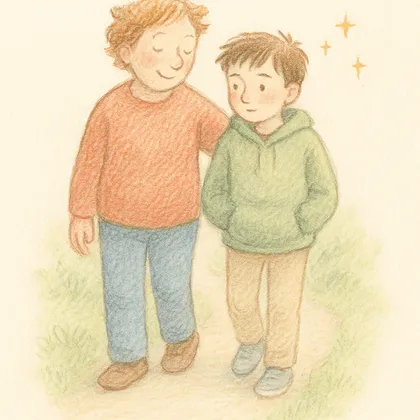
"I want to ask about something — no trouble, I just want to understand it. Can we sit for five minutes?"
Curiosity, not court. Promise of safety in the first sentence. Time-bounded so it doesn't feel like a trap. Almost every teen says yes to five minutes.
Then, in those 5 minutes:
- If your teen has a prescription, keep tight count. Diversion within friend groups is the most common path — and they may not realize sharing one pill is a felony.
- If you find pills you don't recognize, treat them as potential counterfeits. The DEA's One Pill Can Kill campaign has plain-English images and stats teens take seriously.
- Make naloxone (Narcan) available at home and tell teens where it is. The stigma of 'we don't need that' has killed kids whose parents had no plan.
Try saying it out loud once before you close this tab. Cool parents rehearse — yelled parents wing it.
Practice 200 more parent–teen scripts →Concrete next steps.
- If your teen has a prescription, keep tight count. Diversion within friend groups is the most common path — and they may not realize sharing one pill is a felony.
- If you find pills you don't recognize, treat them as potential counterfeits. The DEA's One Pill Can Kill campaign has plain-English images and stats teens take seriously.
- Make naloxone (Narcan) available at home and tell teens where it is. The stigma of 'we don't need that' has killed kids whose parents had no plan.
See it for yourself.
911 for unresponsiveness or chest pain · Naloxone if any opioid involvement is possible · Poison Control 1-800-222-1222 · SAMHSA 1-800-662-HELP.