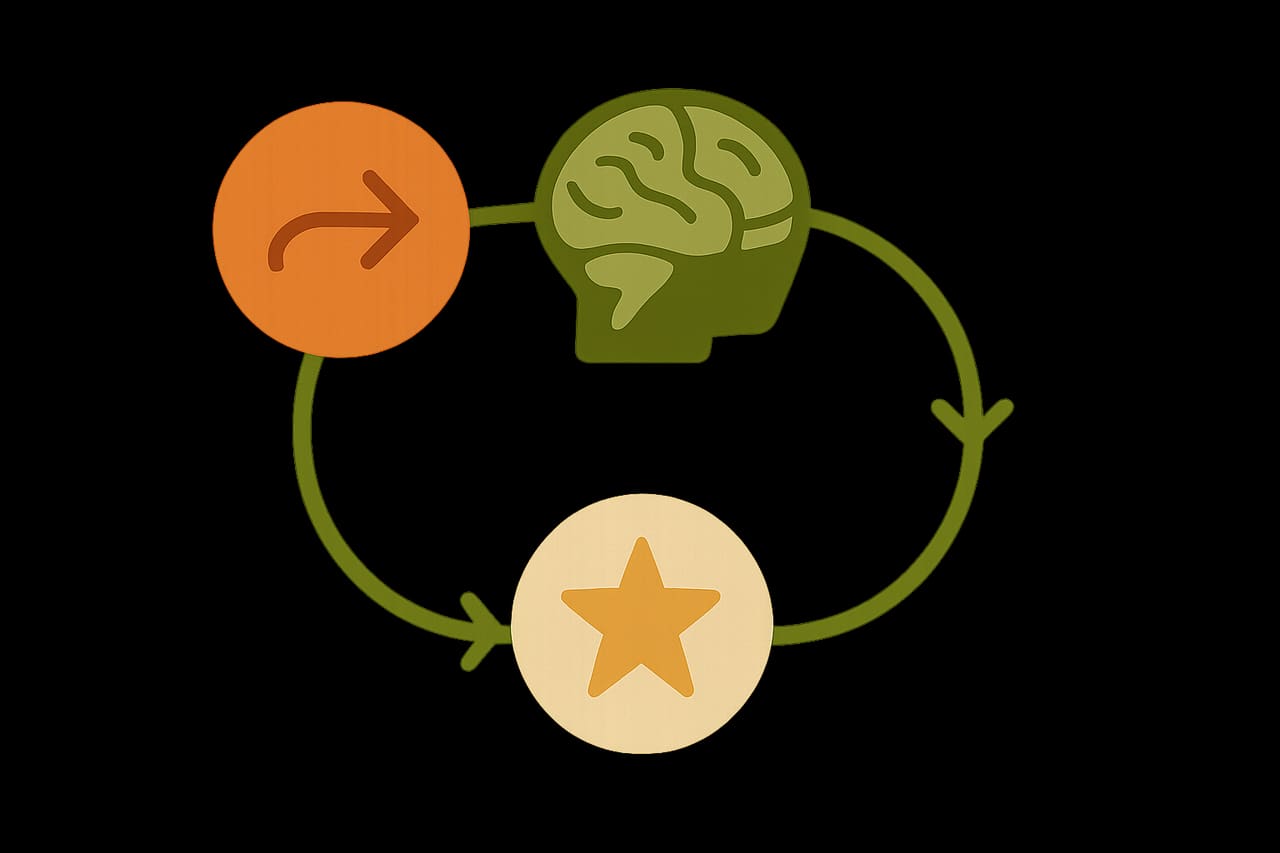
Teen brains use external structure to regulate; remove it all at once and you remove the scaffolding.
The short version.
Adolescent brains lean heavily on external structure — school schedules, sports practice, family meals, bedtime — to regulate mood, sleep, and behavior. The prefrontal cortex that would otherwise impose internal structure is still developing. When all of that scaffolding drops out at once (summer break, post-graduation gap, an unstructured semester), many teens don't experience freedom — they experience drift: sleep schedule collapse, mood deterioration, more screen time, more loneliness, and more risk-taking. The 'lazy summer teen' is often a teen whose regulatory scaffolding just got removed.
What researchers actually find.
- Adolescent circadian rhythms naturally shift later (2-3 hour phase delay vs adults). With no morning anchor, the shift compounds — teens routinely drift to 2am bedtime and noon wake.
- Long unstructured stretches correlate with measurable drops in physical activity and rises in screen time across all socioeconomic groups (Common Sense Media, CDC).
- Substance experimentation, sextortion victimization, and crisis-line volume all rise in the summer months — much of it during the unsupervised midday hours when adults are at work.
- Structured summer programming (camps, jobs, sports, volunteering) is one of the most-replicated protective factors against summer-onset depression and risky behavior.
You might recognize this.
- Sleep schedule collapse — 2am bedtime, 11am wake — by mid-July.
- More mood complaints, more irritability, more 'I'm bored,' more screen time, less initiating.
- A back-to-school transition that's harder than it used to be, with a tougher September mood and sleep recovery.
- More conflict between teens and parents whose days haven't lost their structure.
How to help.
- Build a summer scaffold in week one: one daily anchor (job, camp, sport practice, class, volunteer slot), one weekly social commitment, one daily outdoor block.
- Keep the sleep rule. Even if everything else relaxes, 'phones out of room at 10pm, lights out by midnight' protects most of what summer threatens.
- If your teen will be home alone, agree on a daily morning anchor — a 9am walk, a 10am breakfast together on your remote-work day, a noon check-in.
- Don't apologize for structure. The 'lazy summer with nothing to do' is a parent fantasy; most teens do better with some shape to the day.
Kids need a totally unstructured summer to rest and 'just be kids.'
Adults benefit from rest because they're returning to structure they already have. Teens are still building their internal structure; total unstructure removes the scaffolding they're using to grow it.
This is a plain-words summary of well-established psychology — a map, not a diagnosis. If your teen is struggling in a way that worries you, a pediatrician or licensed mental-health professional is the right next step. In crisis: call or text 988 (Suicide & Crisis Lifeline, 24/7) · text HOME to 741741 · call 911 for immediate danger.