Constant comparison, especially online, drains a teen's self-worth.
The short version.
Social comparison is the natural human habit of evaluating yourself against others, and it intensifies in adolescence as teens figure out where they stand. Some comparison is normal and even useful. But teens face an unprecedented firehose of curated, idealized images online, where they compare their real, messy lives to everyone else's highlight reel. This 'upward comparison' to seemingly perfect peers is linked to lower self-esteem and mood. Helping teens see the highlight-reel trap, and root their worth in more than rankings, is protective.
What researchers actually find.
- Comparing oneself to others intensifies during the teen years as identity forms.
- Comparing 'up' to seemingly better-off peers is linked to lower mood and self-esteem.
- Curated social media amplifies upward comparison with idealized images.
- Worth anchored in stable values is less shaken by comparison than worth based on rank.
You might recognize this.
- Mood dropping after scrolling through others' posts.
- 'Everyone is prettier/richer/happier than me.'
- Measuring their worth by likes, looks, and where they rank.
How to help.
- Name the highlight-reel trap out loud and often.
- Anchor their worth in values and effort, not rankings.
- Help them curate feeds and take breaks from comparison machines.
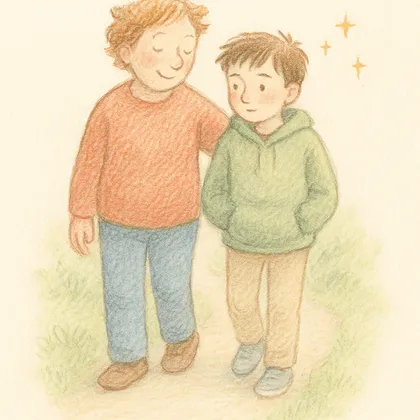
Scroll a feed together and name out loud which posts are obviously staged or filtered.
If a teen feels bad after social media, they should just toughen up.
Constant upward comparison wears down almost anyone. The fix is changing the inputs and the framing, not blaming the teen.
Not all comparison is harmful; comparing to a relatable role model can inspire. The damage is in relentless, unrealistic upward comparison.
This is a plain-words summary of well-established psychology — a map, not a diagnosis. If your teen is struggling in a way that worries you, a pediatrician or licensed mental-health professional is the right next step. In crisis: call or text 988 (Suicide & Crisis Lifeline, 24/7) · text HOME to 741741 · call 911 for immediate danger.