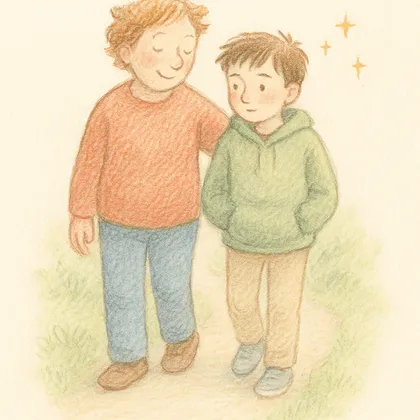
One steady, caring adult is the strongest protector there is.
The short version.
Resilience is the ability to bounce back from hardship and keep functioning. It is not a fixed personality trait some lucky kids are born with; it's the product of identifiable protective factors that can be strengthened. The single most powerful and consistent factor, across decades of research, is at least one stable, caring relationship with an adult. Other ingredients include a sense of competence, the belief that effort matters, problem-solving skills, and a hopeful outlook. The encouraging truth for parents: you are not just supporting resilience, you are a core part of it.
What researchers actually find.
- The most consistent predictor of resilience in young people is a reliable, caring relationship with at least one adult.
- Resilience is dynamic — it can grow or weaken over time depending on supports and experiences.
- Manageable challenges, not the absence of stress, build coping capacity; overprotection can undercut it.
- A sense of competence, agency, and hope all contribute alongside relationships.
You might recognize this.
- A kid who bounces back faster when they know home is a safe base to return to.
- Growing confidence after being trusted to handle age-appropriate challenges themselves.
- Setbacks that sting but don't shatter, because they've recovered before.
How to help.
- Be the dependable adult: predictable, warm, present — that alone is protective.
- Let them face manageable struggles and recover, rather than removing every obstacle.
- Point out past comebacks: "Remember when this felt impossible and you got through it?"
Spend ten unhurried minutes with them tonight with no agenda — that steady presence is the foundation.
Some kids are just naturally resilient and others aren't.
Resilience is built from supports and experiences. A steady, caring adult is the biggest ingredient — and that can be you.
Resilience doesn't mean a teen should handle serious adversity alone; it works alongside support, not instead of it.
This is a plain-words summary of well-established psychology — a map, not a diagnosis. If your teen is struggling in a way that worries you, a pediatrician or licensed mental-health professional is the right next step. In crisis: call or text 988 (Suicide & Crisis Lifeline, 24/7) · text HOME to 741741 · call 911 for immediate danger.