One keystone habit can quietly trigger a cascade of others.
The short version.
Not all habits are equal. Some, called keystone habits, set off a chain reaction — changing one naturally shifts other behaviors and even how a person sees themselves. For teens, sleep is a classic example: get that right and mood, focus, food choices, and patience often improve together. Rather than overhauling a dozen things at once, finding the one habit that drags the rest along is far more effective and less overwhelming. The leverage is in picking the right single change.
What researchers actually find.
- Certain 'keystone' habits trigger chain reactions across other behaviors.
- Changing one can shift mood, choices, and self-image together.
- For teens, sleep frequently acts as a powerful keystone.
- One well-chosen change beats trying to overhaul everything at once.
You might recognize this.
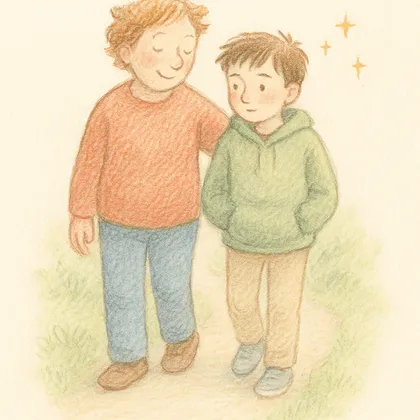
- When your teen sleeps well, everything else — mood, school, eating — gets easier.
- Trying to fix ten things at once fizzles; fixing one foundational thing spreads.
- A single good routine seems to 'unlock' a better stretch of days.
How to help.
- Pick one foundational habit (often sleep) rather than a long list of changes.
- Notice which single change tends to make other things fall into place for your teen.
- Invest your effort there and let the cascade do the rest.
Pick the one habit you'd guess does the most for your teen — likely sleep — and put this week's energy only there.
Improving a teen's habits means changing many things at once.
One keystone habit often pulls the others along; spreading effort thin usually fails.
Keystone effects vary by person; the right keystone for one teen isn't automatically the right one for another.
This is a plain-words summary of well-established psychology — a map, not a diagnosis. If your teen is struggling in a way that worries you, a pediatrician or licensed mental-health professional is the right next step. In crisis: call or text 988 (Suicide & Crisis Lifeline, 24/7) · text HOME to 741741 · call 911 for immediate danger.