What's happening.
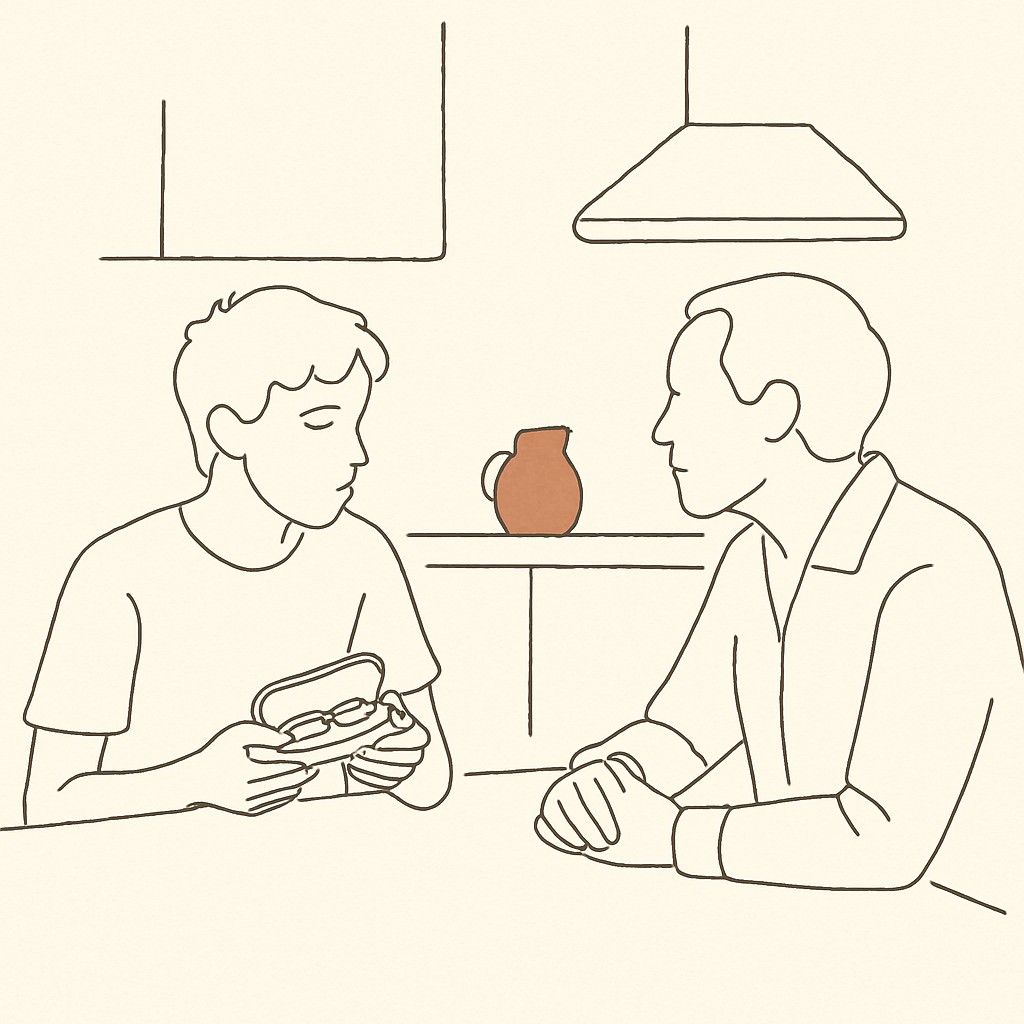
Your 13-year-old, back from the optometrist, voice flat: “I need glasses. Probably full-time.” You note the body language.
What we usually say — and why it backfires.
Oh good, no more squinting! Let's pick out some cute frames!
I don't want to look different.
Lots of kids wear glasses. It's not a big deal.
(absorbs that the parent jumped past the feeling to the solution)
- “Oh good, no more squinting!” is the parent's relief overriding the teen's identity-disruption feeling.
- “Lots of kids wear glasses. It's not a big deal” may be true and dismisses the actual feeling.
- Long-term: teens whose first identity-shift moments got bypassed often internalize that visible changes are things to hide.
What works — and why.
Yeah, that's a real thing to absorb. New visible feature on your face, every day, going forward. How are you feeling about it?
Just weird. Like I'm going to be a different person.
You're going to look slightly different. The 'different person' part is up to you. Plenty of glasses-wearers have a thing about their glasses being part of who they are; others totally forget they're wearing them. Both are good. Want to go pick out frames this weekend — take an hour, try on a lot — or do you want me to just grab a basic pair you can switch later?
Let's go. I want to actually choose.
- “New visible feature on your face, every day” names the actual change accurately.
- “The 'different person' part is up to you” gives them framing power over the change.
- Offering choice (go pick / get basic and switch later) honors their agency in the visible-identity moment.
Key phrases to reach for in the moment.
- That's a real thing to absorb. New visible feature on your face, every day.
- How are you feeling about it?
- You're going to look slightly different. The 'different person' part is up to you.
- Want to go pick out [frames / clothes / whatever] this weekend?