
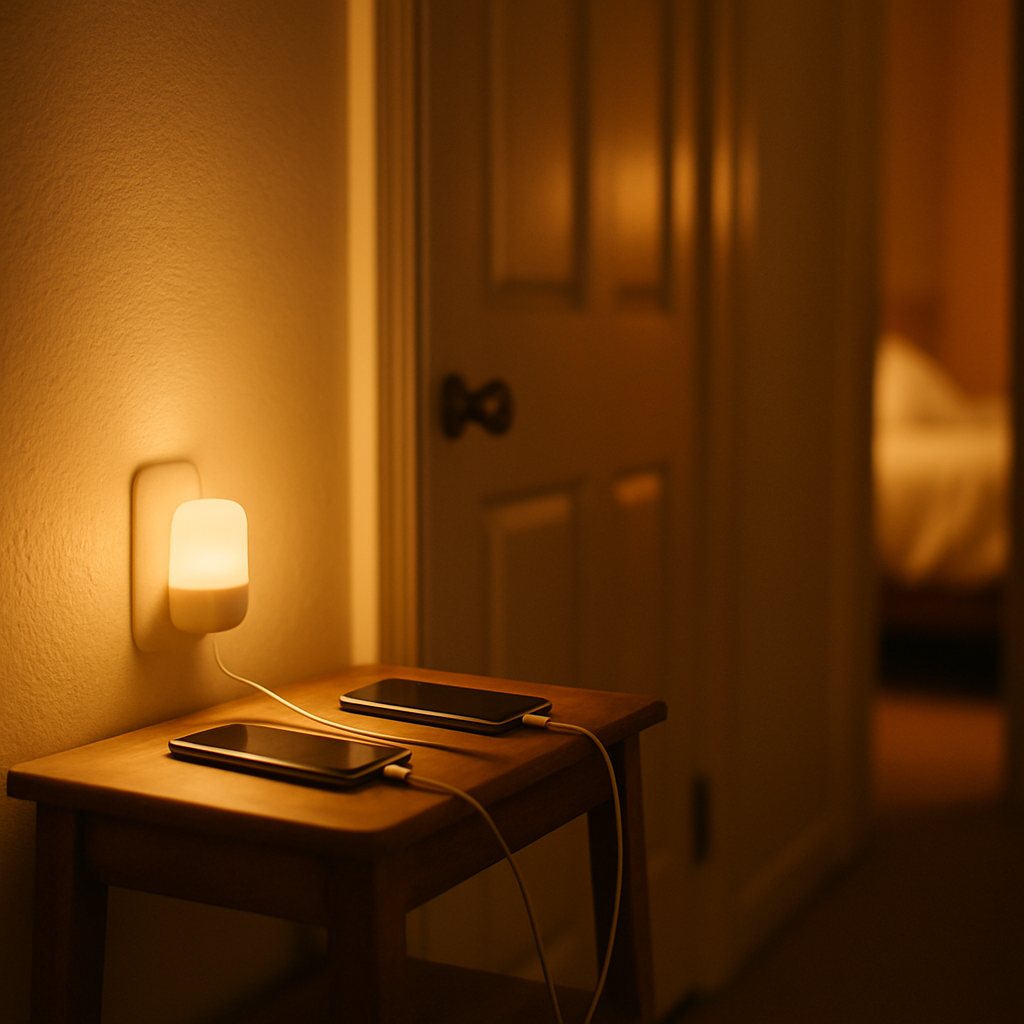
A charging station outside the bedroom is a tiny rule with measured gains in sleep, mood and memory.
The situation, the move, the outcome.
Sleep is one of the clearest casualties of the bedroom phone — and one of the easiest to fix. In a randomized pilot trial, participants who restricted phone use before bed for four weeks fell asleep faster (sleep latency dropped about 12 minutes), slept roughly 18 minutes longer, and reported less pre-sleep arousal plus better mood and working memory. Sleep experts' practical translation is blunt: decide where the phone charges, and make that spot outside the bedroom.
Why it matters beyond one family.
More than half of teens use phones in bed after lights-out, pushing sleep onset back by half an hour or more. Because chronic short sleep feeds anxiety, low mood and poor focus, protecting sleep is one of the highest-leverage moves a family can make.
How to apply it.
- Set a household charging station outside bedrooms — and put your own phone there too.
- Pick a consistent 'phones down' time and pair it with a wind-down routine.
- Swap the phone alarm for a cheap standalone clock so 'I need it for the alarm' isn't a reason.
Concrete next steps.
- Use Do Not Disturb / sleep schedules to silence overnight notifications.
- Buy a $10 alarm clock and a shared charging caddy for the kitchen or hallway.
- Make it a family norm, not a kid-only rule — it sticks far better when parents model it.
Read it for yourself.
- PLOS One — restricting bedtime phone use: a randomized pilot trial journals.plos.org ↗
- Sleep Foundation — screen time and insomnia for teens sleepfoundation.org ↗
- UNC Winston Center — overnight phone use disrupts adolescent sleep winstoncenter.unc.edu ↗
Call or text 988 (Suicide & Crisis Lifeline, 24/7) · Text HOME to 741741 (Crisis Text Line) · Find a child psychiatrist at aacap.org · For immediate danger, call 911.