Teaching kids to question sources early — starting in preschool — builds durable, nationwide resistance to online manipulation.
The situation, the move, the outcome.
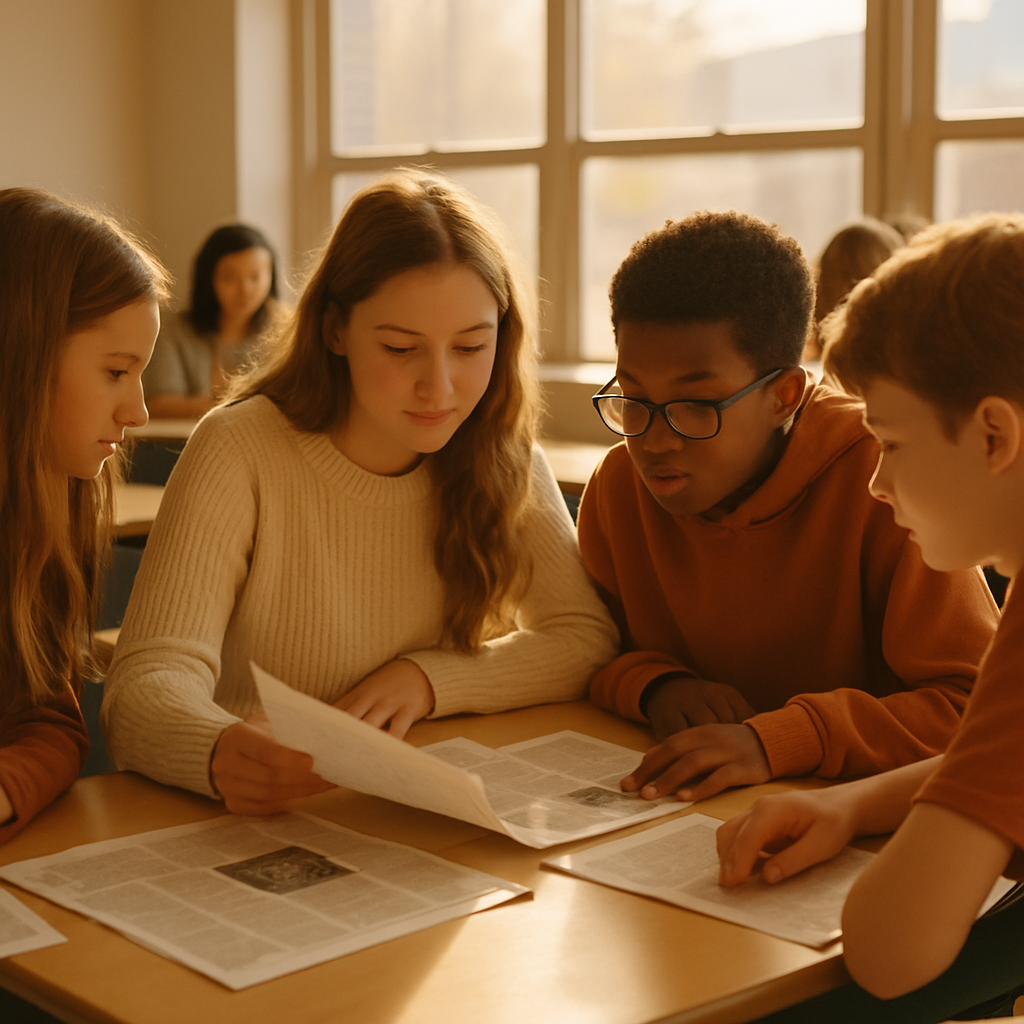
Rather than playing whack-a-mole with individual hoaxes, Finland built resistance into childhood. Media literacy has been part of the national curriculum since the 1990s, with lessons starting as early as preschool: kids learn to question sources, spot advertising and propaganda, analyze misleading statistics, and even make their own media to see how messages are constructed. The result is measurable — Finland has ranked first on the European Media Literacy Index every year since it launched in 2017, ahead of every Nordic neighbor.
Why it matters beyond one family.
Finland's success comes from treating media literacy as a long-term, cross-subject habit and a partnership between schools, news organizations and public institutions — not a one-off assembly. It's a model many countries are now copying.
How to apply it.
- Teach the habit of asking 'who made this, and why?' about anything online.
- Look at real examples together — an ad, a viral clip, a sensational headline.
- Encourage your teen to make content too; creating it reveals how it's engineered.
Concrete next steps.
- Ask whether your school teaches media/news literacy and advocate for it if not.
- Use free lateral-reading and fact-check routines (check other sources before sharing).
- Practice with everyday media so skepticism becomes second nature, not a lecture.
Read it for yourself.
- Helsinki Times — Finland trains kids to spot fake news helsinkitimes.fi ↗
- RTÉ — how Finnish youth learn to spot disinformation rte.ie ↗
- DISA — disinformation literacy education among Finnish youth disa.org ↗
Call or text 988 (Suicide & Crisis Lifeline, 24/7) · Text HOME to 741741 (Crisis Text Line) · Find a child psychiatrist at aacap.org · For immediate danger, call 911.