The first national age-16 rule puts responsibility on platforms, not kids — a precedent the world is now watching.
The situation, the move, the outcome.
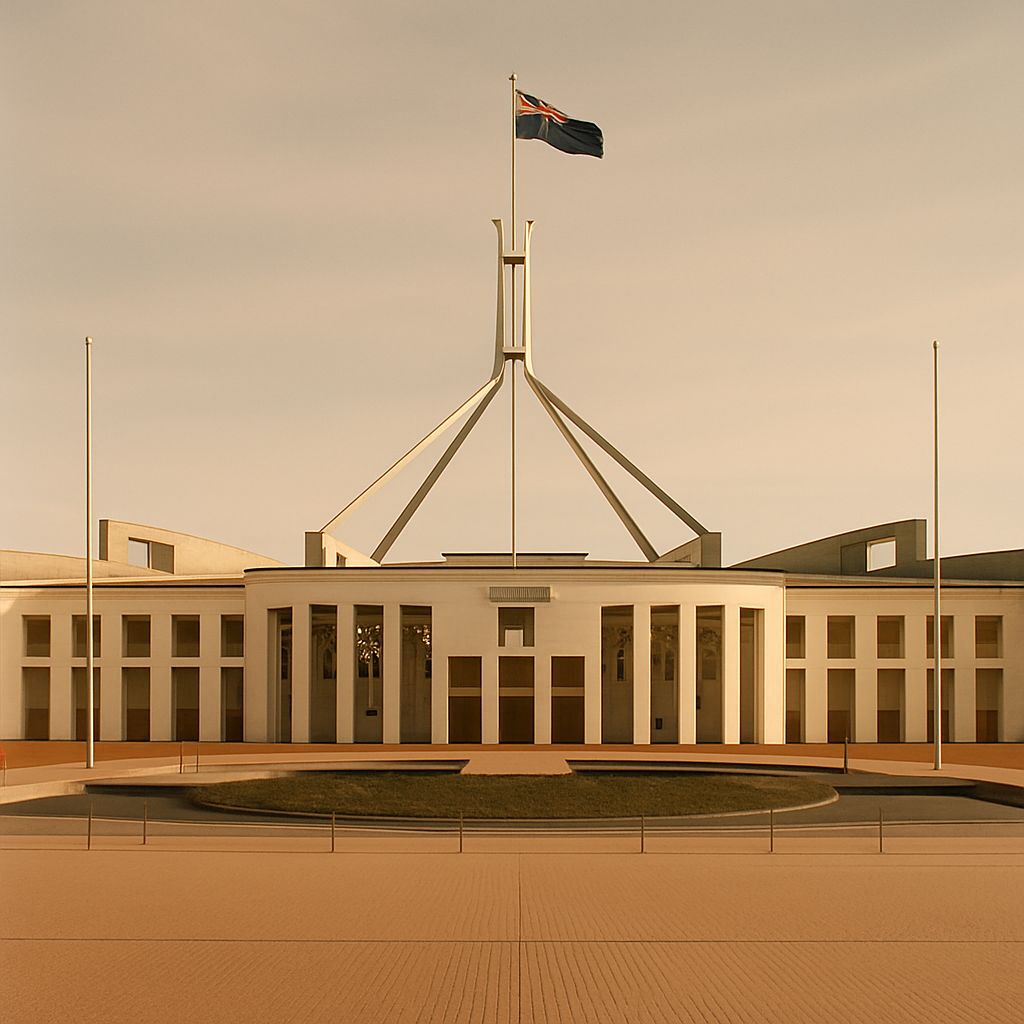
On 29 November 2024, Australia passed the Online Safety Amendment (Social Media Minimum Age) Act — the first national law of its kind — and it took effect on 10 December 2025. The law requires platforms including Facebook, Instagram, TikTok, Snapchat, YouTube and others to take 'reasonable steps' to stop under-16s from holding accounts, with penalties up to A$49.5 million for failures. Critically, the penalties fall on the companies, not on young people or their families. Public support was strong, with a YouGov poll finding 77% of Australians backed the age limit.
Why it matters beyond one family.
It's a bold, closely watched experiment. Early reporting shows enforcement is imperfect — some teens still find workarounds — so the long-term outcome is still emerging. But it shifts the design burden onto platforms and sets a precedent other governments are studying.
How to apply it.
- Watch how Australia's rollout unfolds; it's a real-world test of platform-side age limits.
- Don't outsource the whole job to law — pair any policy with family norms.
- Use the public debate as a conversation starter with your own teen.
Concrete next steps.
- Follow neutral explainers (e.g., UNICEF Australia) as evidence on the ban accumulates.
- Apply the principle at home: put responsibility on design and defaults, not willpower.
- Combine with delay pledges and family media plans for layered protection.
Read it for yourself.
- Wikipedia — Online Safety Amendment (Social Media Minimum Age) Act 2024 en.wikipedia.org ↗
- TIME — what to know about Australia's under-16 social media ban time.com ↗
- Library of Congress — Australia bans social media for under-16s loc.gov ↗
Call or text 988 (Suicide & Crisis Lifeline, 24/7) · Text HOME to 741741 (Crisis Text Line) · Find a child psychiatrist at aacap.org · For immediate danger, call 911.