
What's happening.
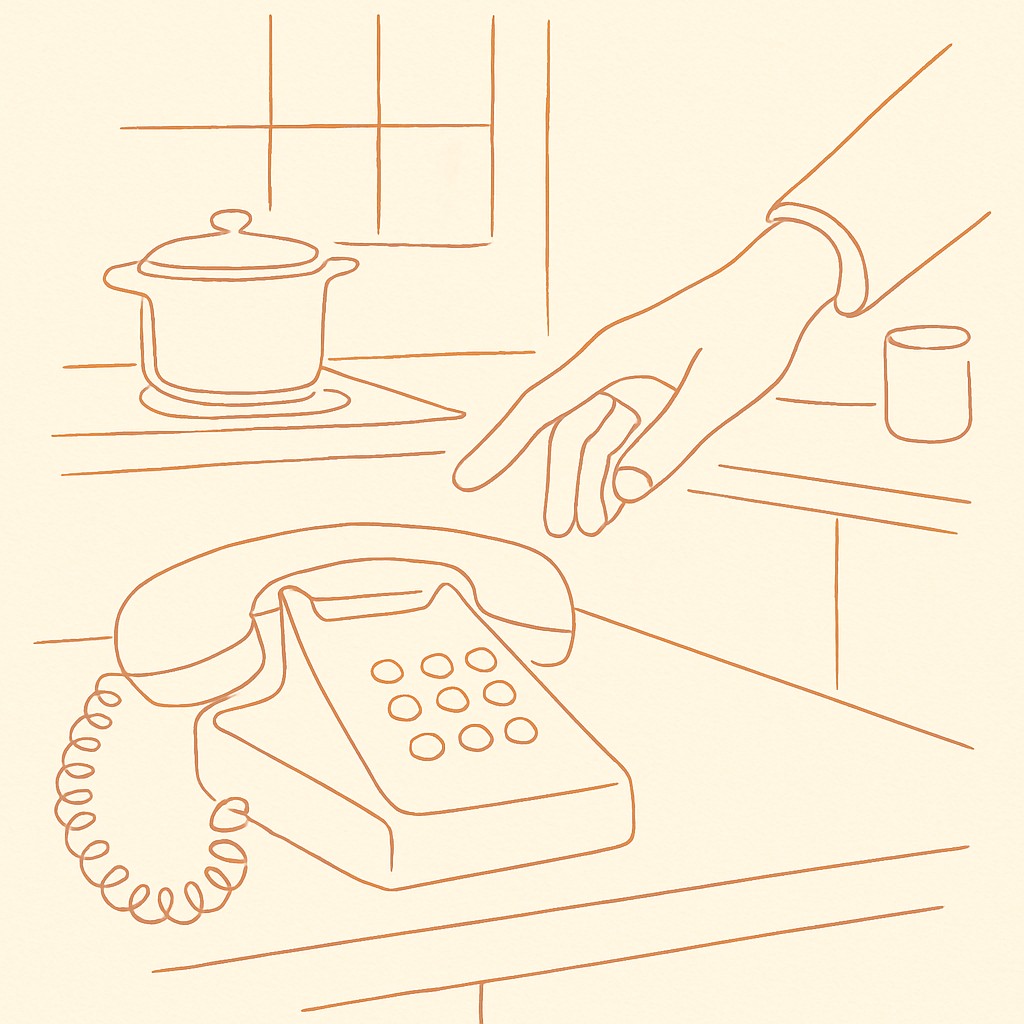
8:47pm Tuesday. Your 17-year-old on the phone: “Mom, please don't be mad — I crashed the car. Nobody's hurt. I'm okay. The car is not okay.”
What we usually say — and why it backfires.
Oh my god. HOW. What did you do?? Were you on your phone??
I wasn't on my phone. I just —
We can't AFFORD this. Stay there, I'm coming.
(absorbs that the relief at being unhurt was not what mom led with)
- “What did you DO” puts the teen on trial in the call where their nervous system is already in shock.
- “We can't afford this” is true, irrelevant in the first minute, and registers as “the car matters more than you.”
- The teen's body remembers the tone. The next call about a worse thing — drunk friend driving them, in trouble — might go to someone else.
What works — and why.
(immediate calm) Okay. Are you sure you're not hurt? Anyone else hurt?
I'm okay. I'm shaking but I'm okay. Nobody else was involved.
Good. Stay there, I'm coming. Don't talk to anyone except police if they show up — we'll handle insurance later. The car can be fixed or replaced. You can't be. I love you. On my way.
- Asking about injury FIRST, twice (you + others), is the parenting move that builds lifetime trust. Make it your reflex.
- “The car can be fixed or replaced. You can't be” is the sentence the teen will remember at 30, and the one that ensures they call you next time, not someone else.
- Saving the financial / consequence conversation for later (not the next sentence) lets the present moment be about the human, which is what mattered.
Key phrases to reach for in the moment.
- (Calm.) Are you sure you're not hurt? Anyone else hurt?
- Stay there, I'm coming.
- Don't talk to anyone except police. We'll handle insurance later.
- The car can be fixed or replaced. You can't be.
Call or text 988 (Suicide & Crisis Lifeline, 24/7) · Text HOME to 741741 (Crisis Text Line) · Find a child psychiatrist at aacap.org · For immediate danger, call 911.